Kununurra . Mirima National Park . Bungle Bungle National Park . Katherine . Humpty Doo . Darwin . Cahills Crossing . Kakadu National Pak . Litchfield National Park . Surprise Creek . Adelaide River
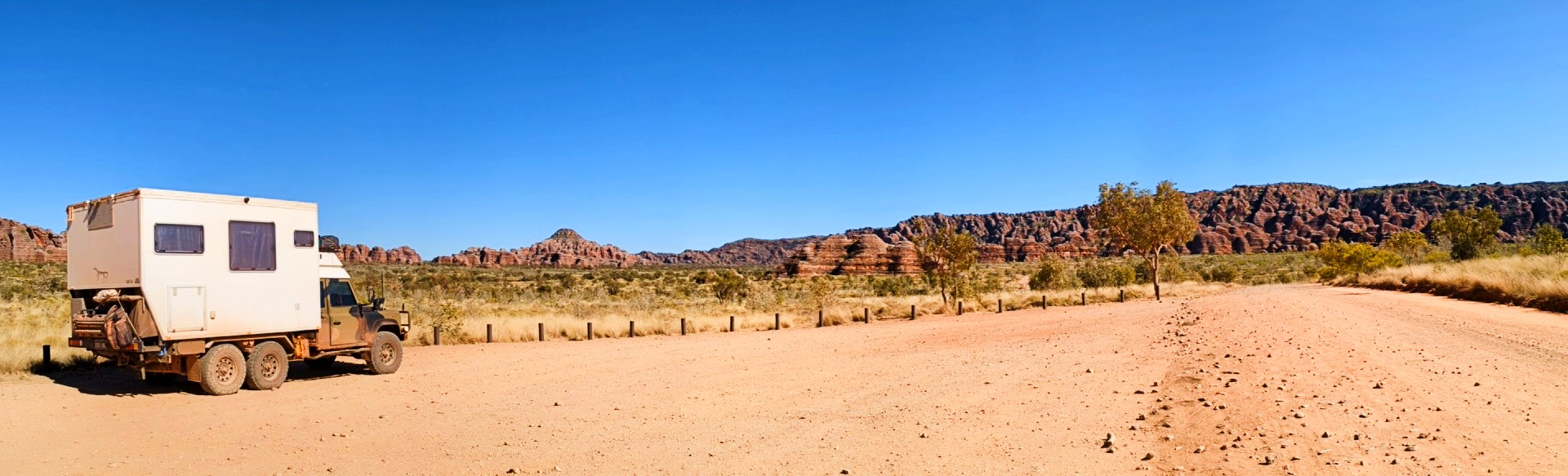
Perentie Wandering July 2022
Day 156, Friday the 1st July to Day 162, Thursday the 7th July, 2022
Kununurra is the entrance to the Kimberley, it is a larger small town, if that makes sense, with good infrastructure and a Coles, IGA and lots of mechanical repair garages. It is surrounded by iconic places to visit like Lake Argyle (where the pink diamonds used to be mined), Bungle Bungles plus much more. It is school holidays at the moment so accommodation is very hard to find. We managed to get a space at the Town Caravan Park the first night, then we moved to Lake Kununurra Caravan Park for the next 4 night, after that we moved to the Ivanhoe Village Caravan Park for 5 nights.
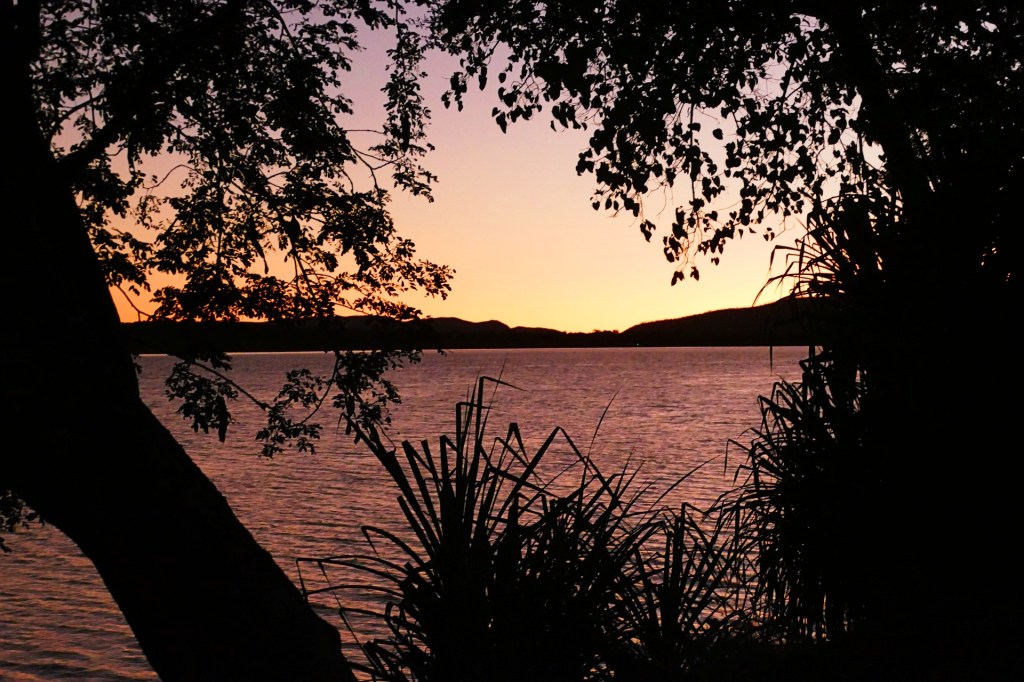
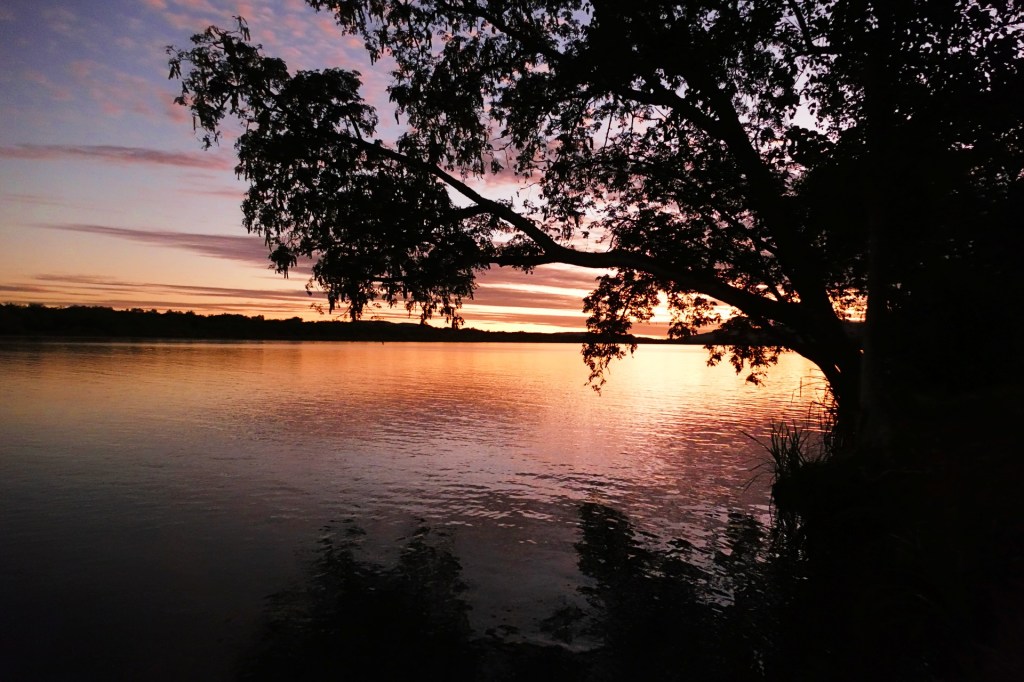
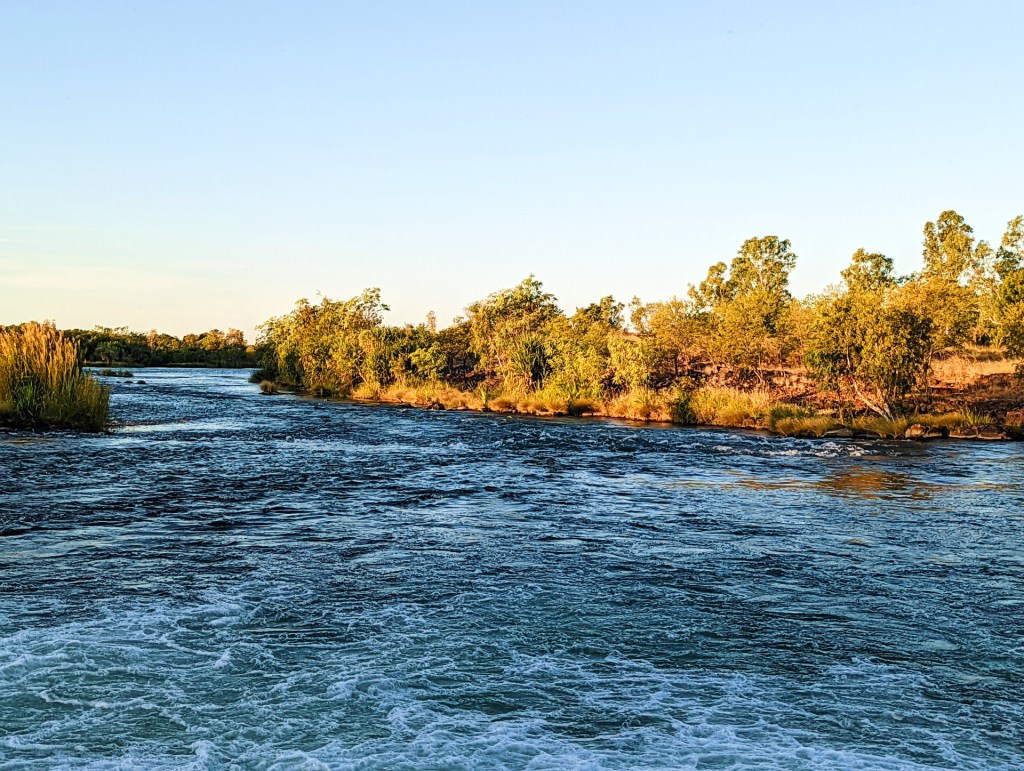
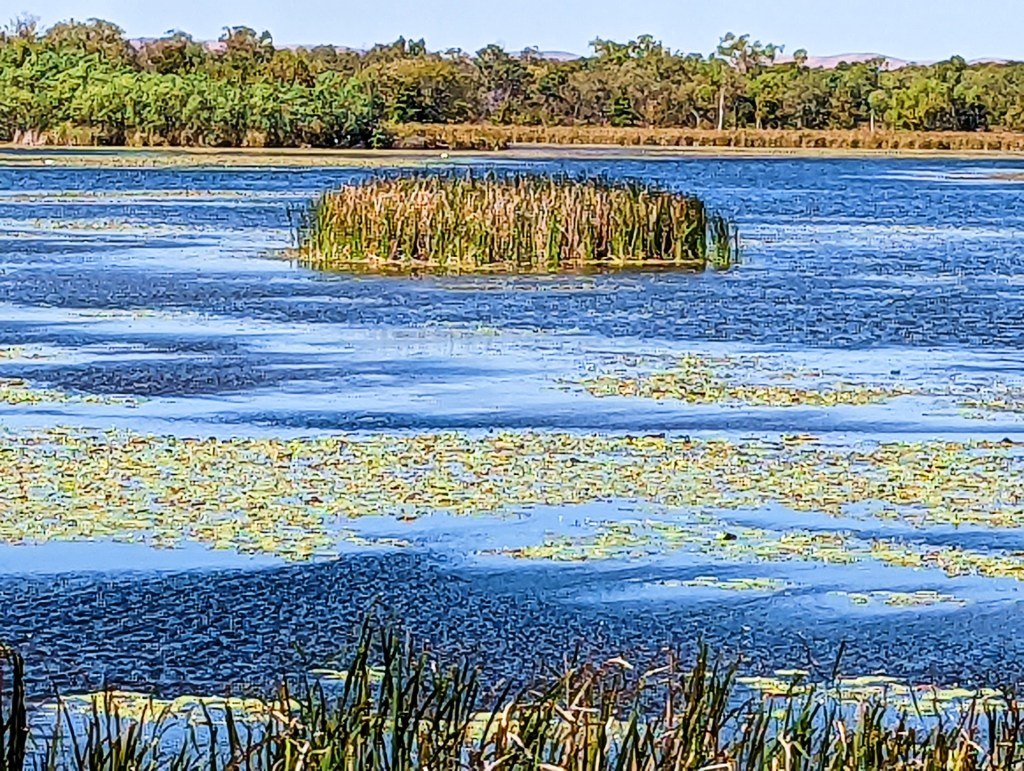
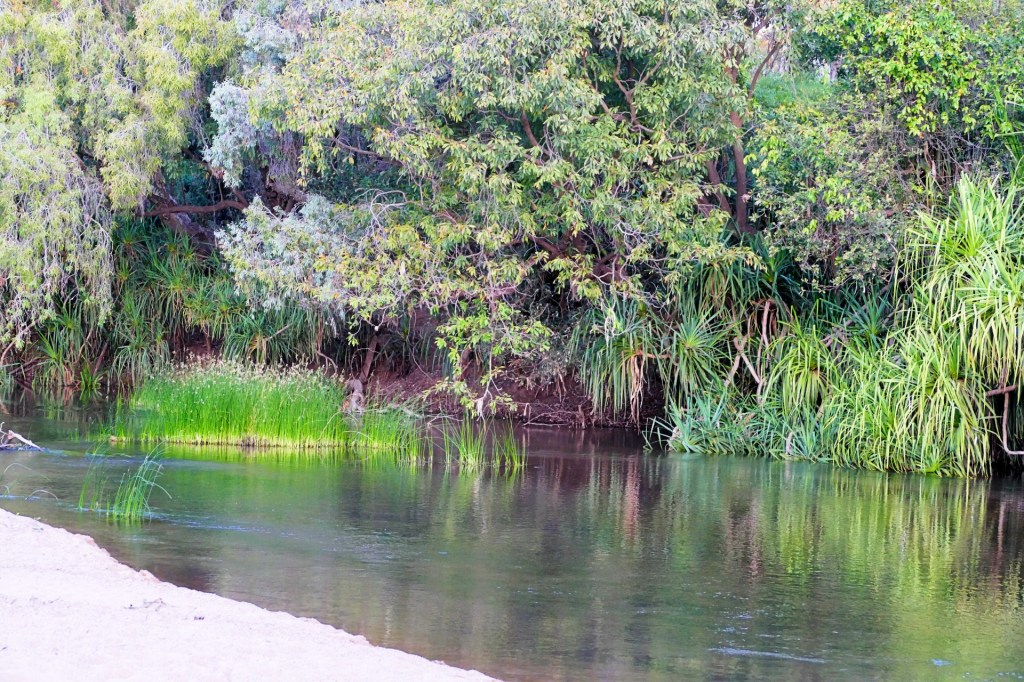
These pictures are from the Lake Kununurra Caravan park, which is right on the lake.
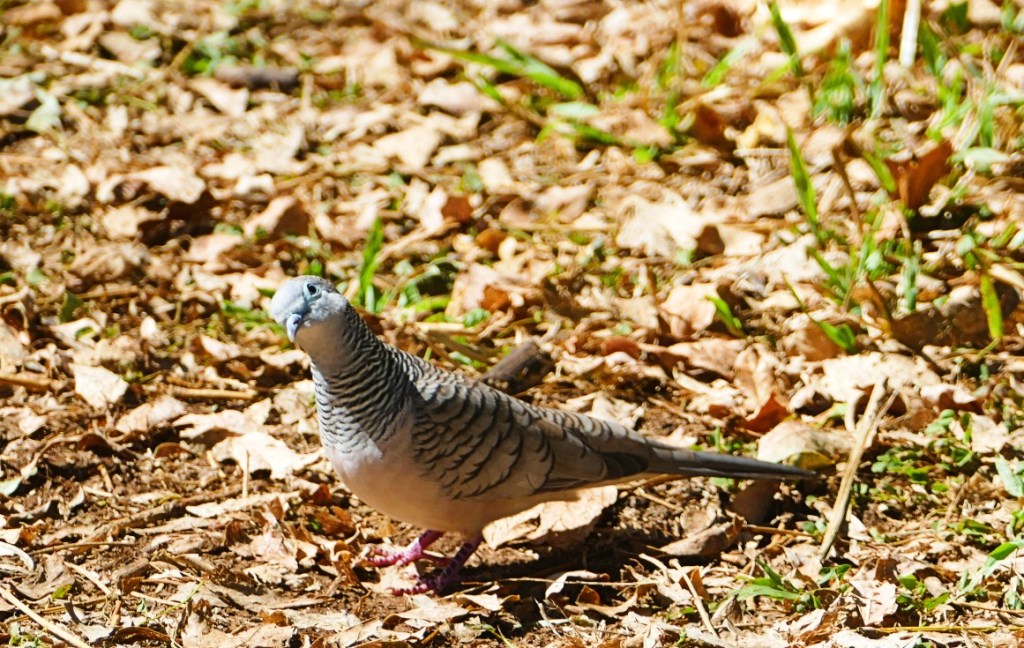
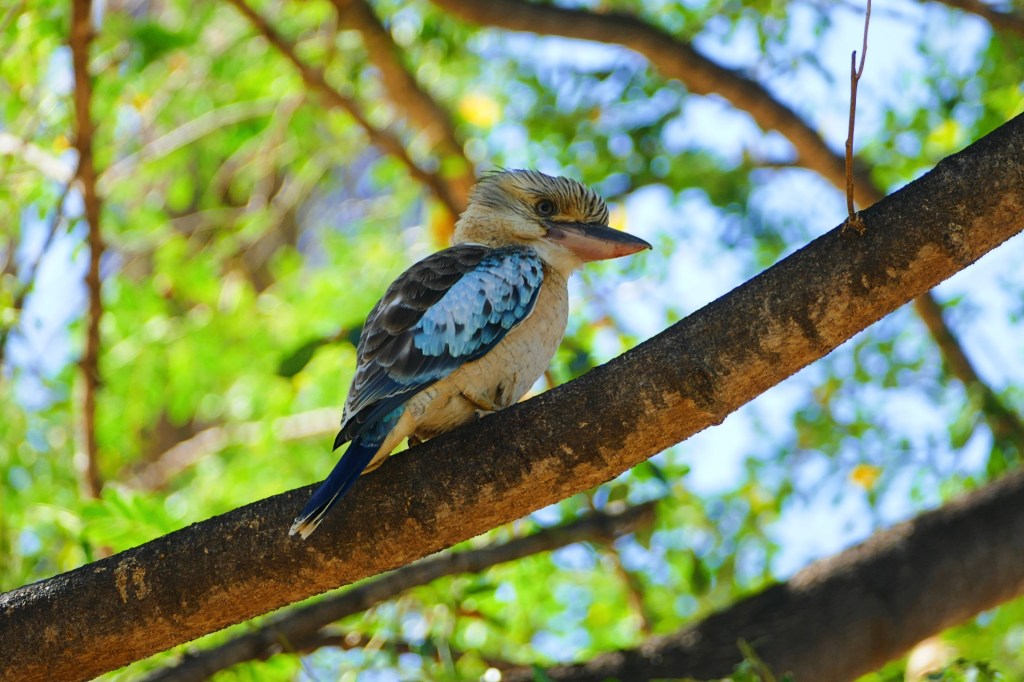
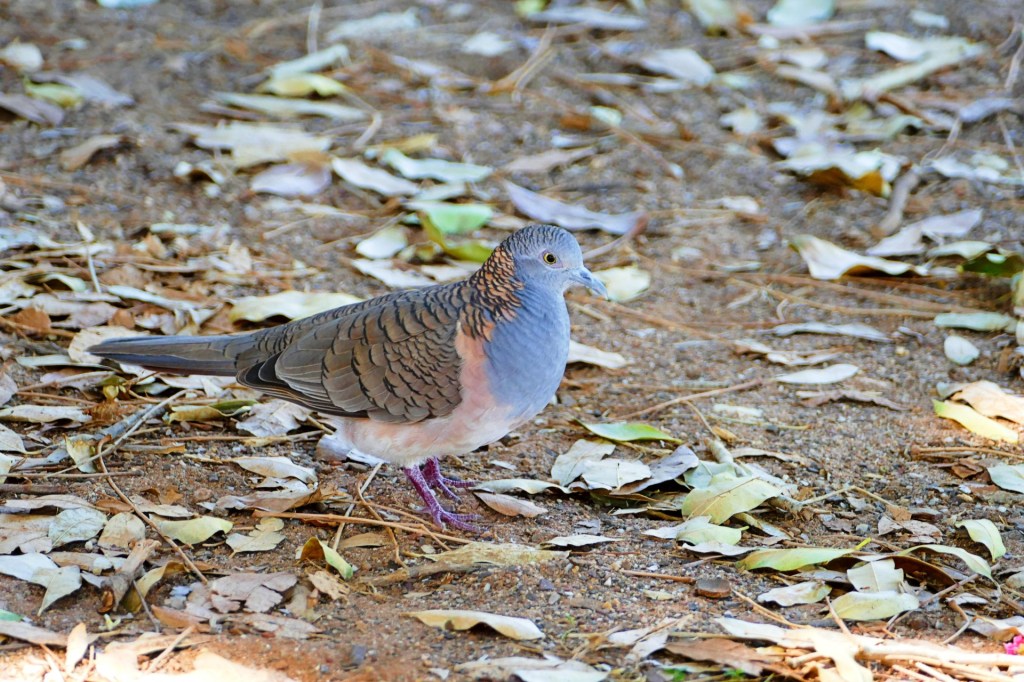
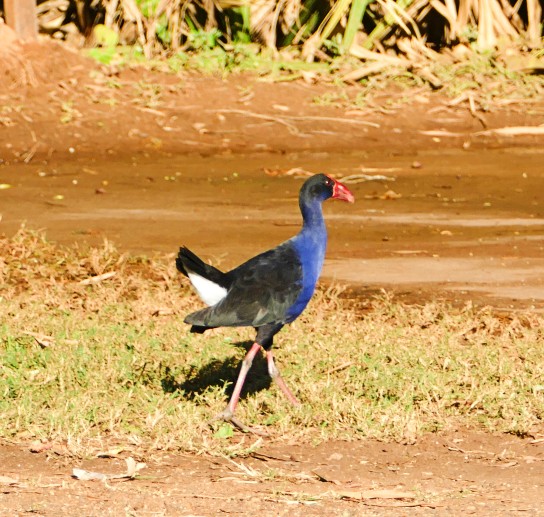
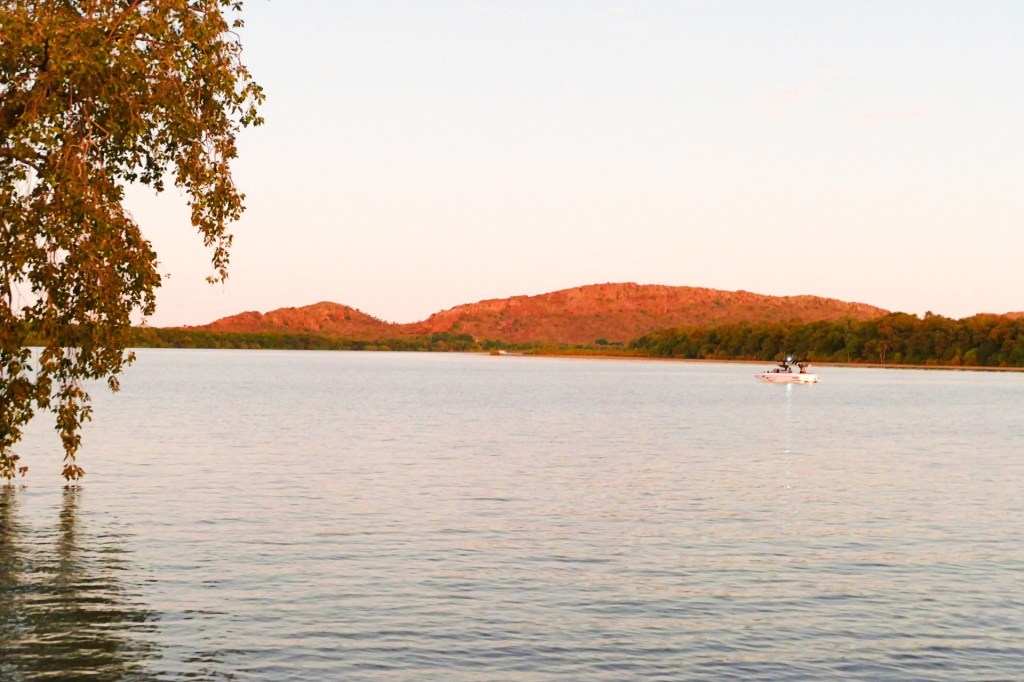
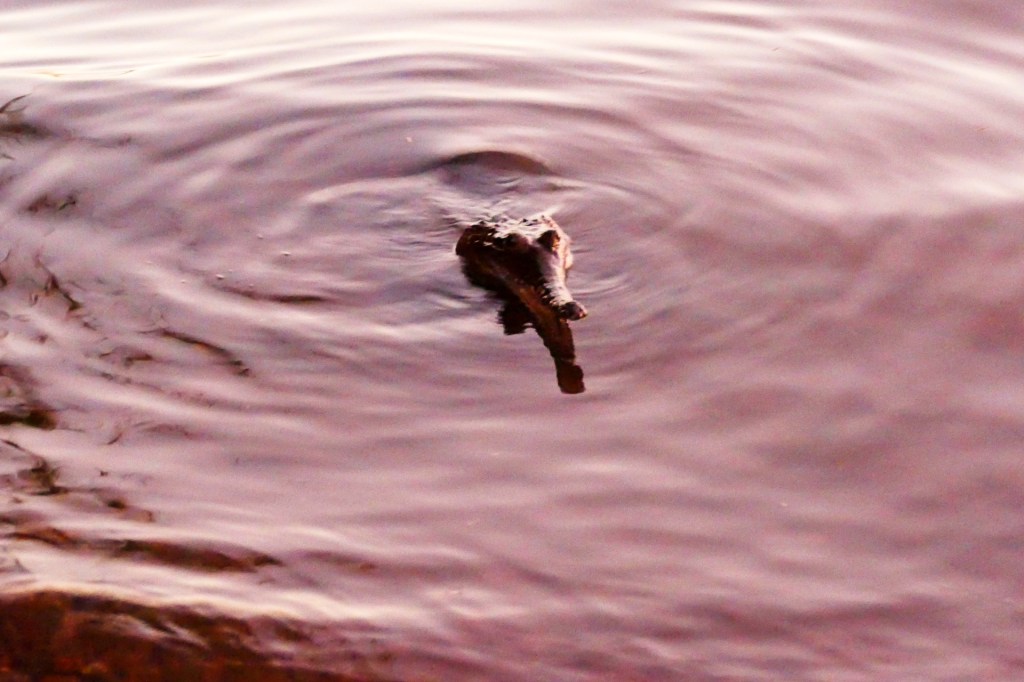
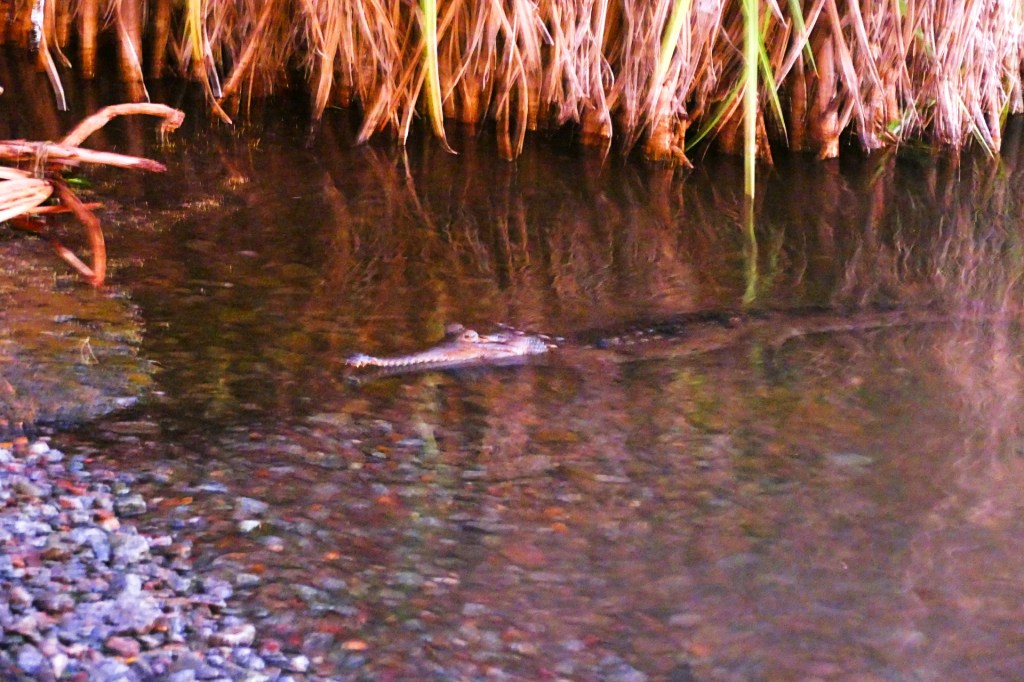
Day 163, Friday the 8th July, 2022
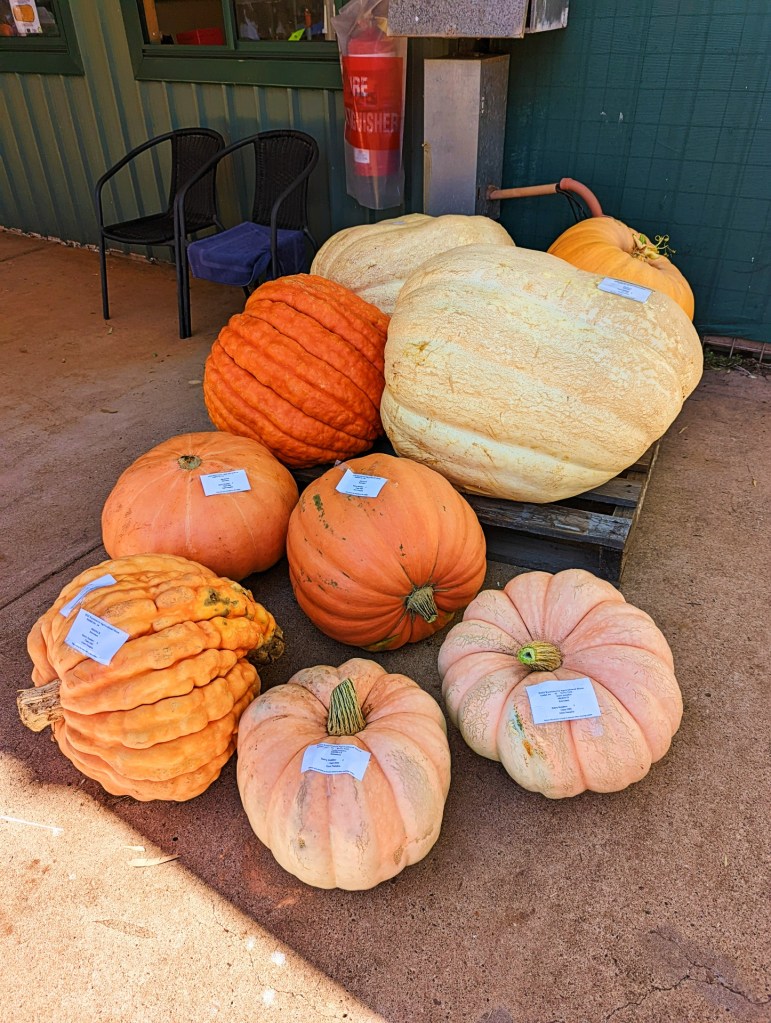
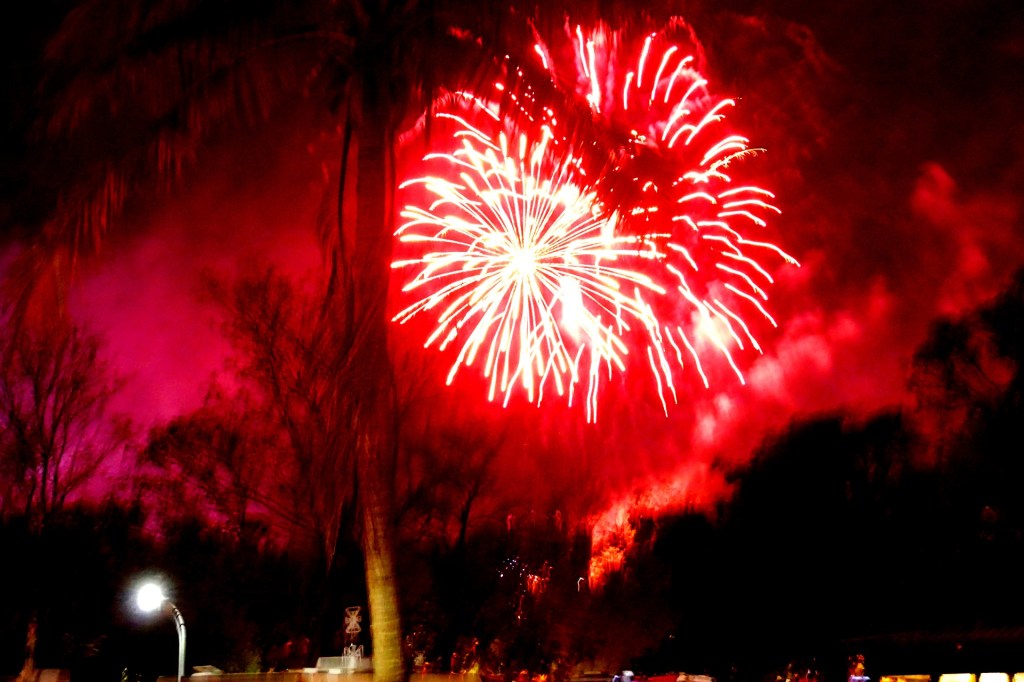
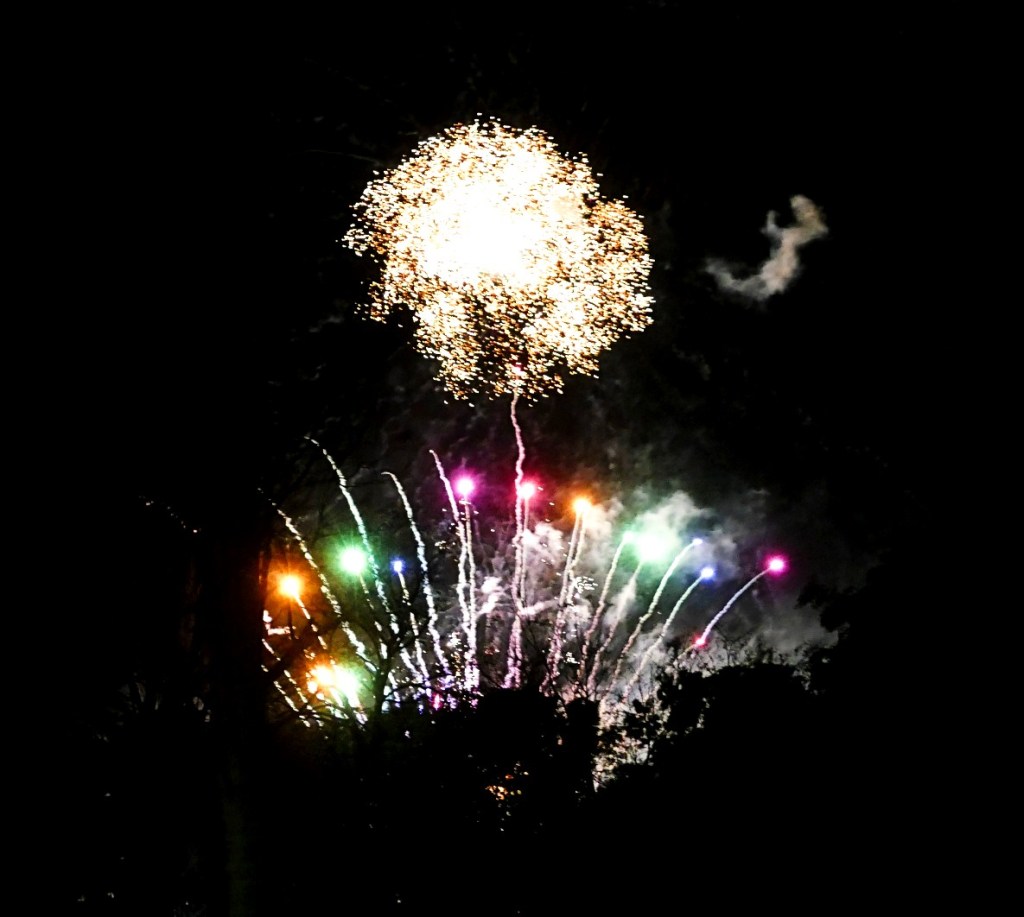
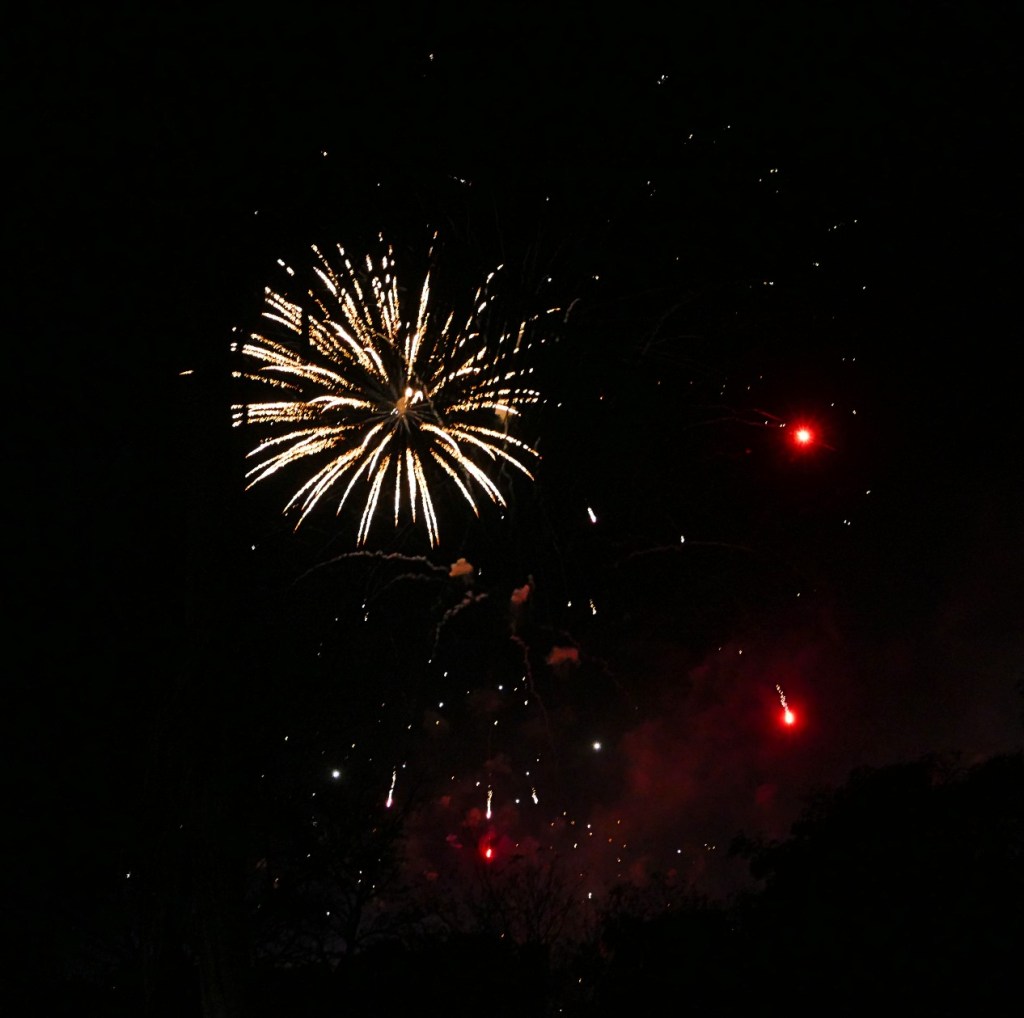
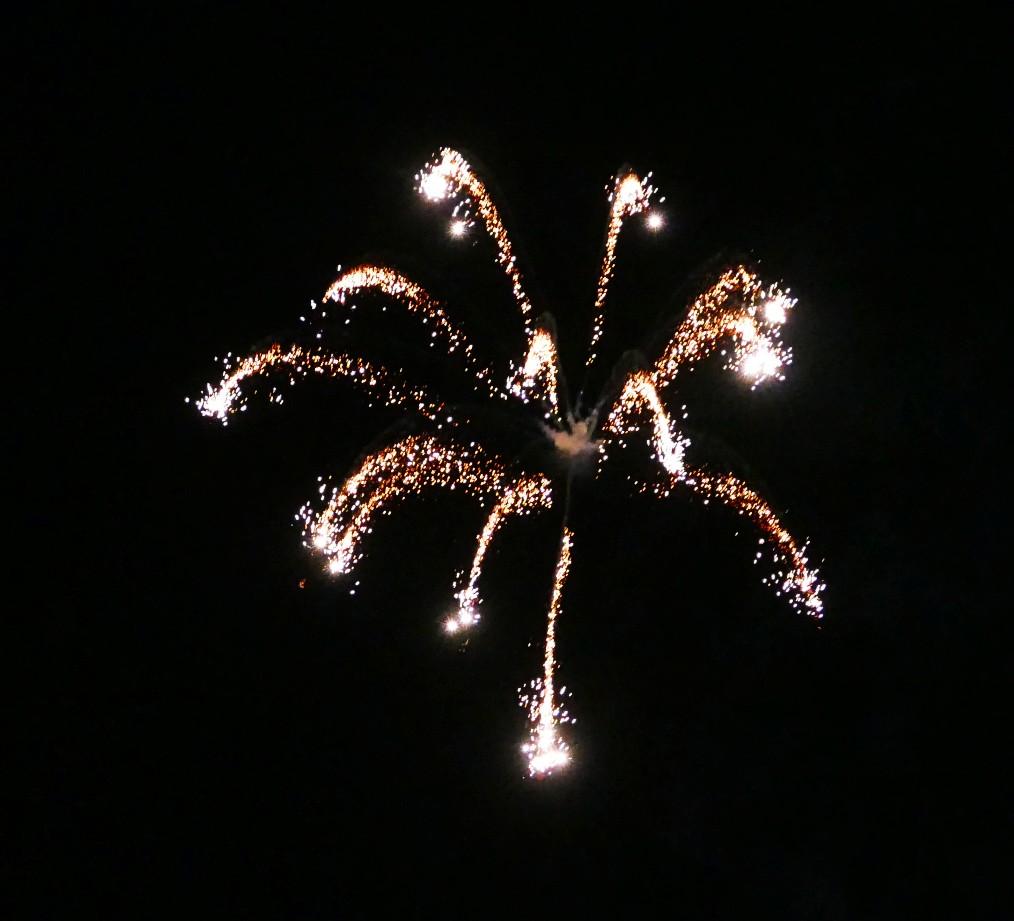
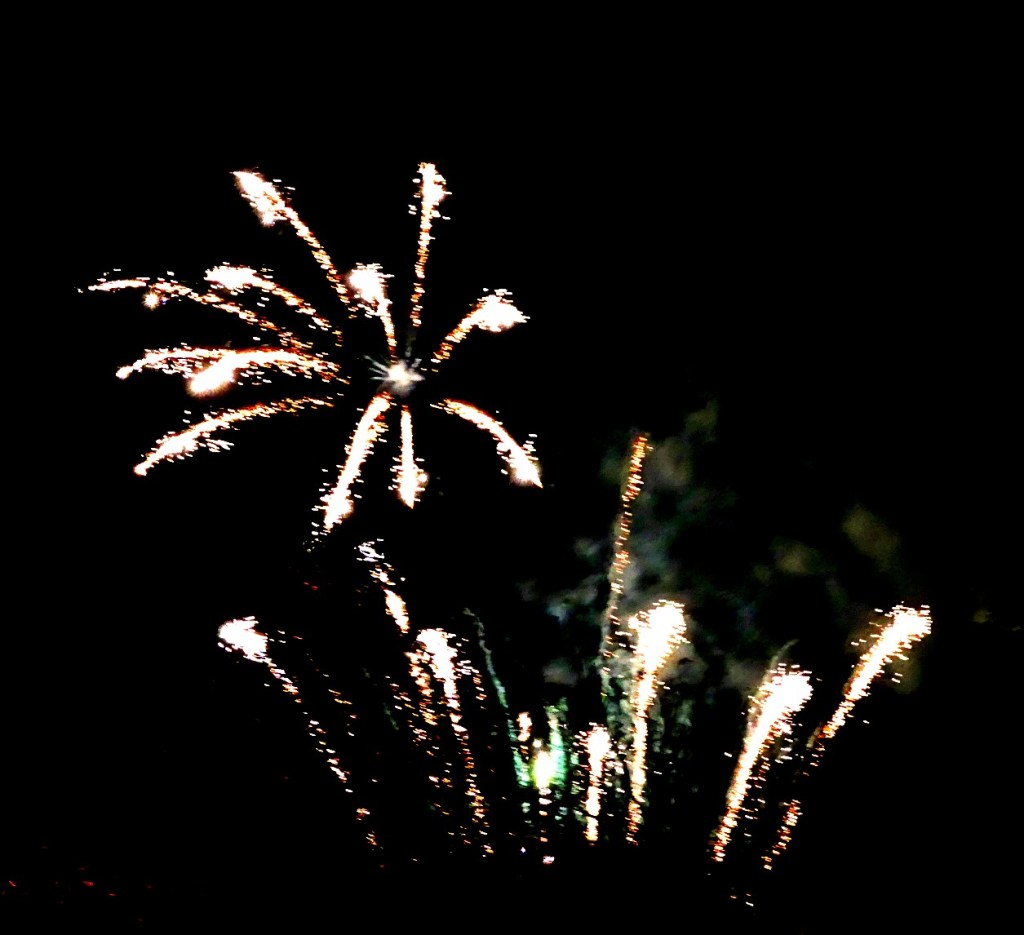
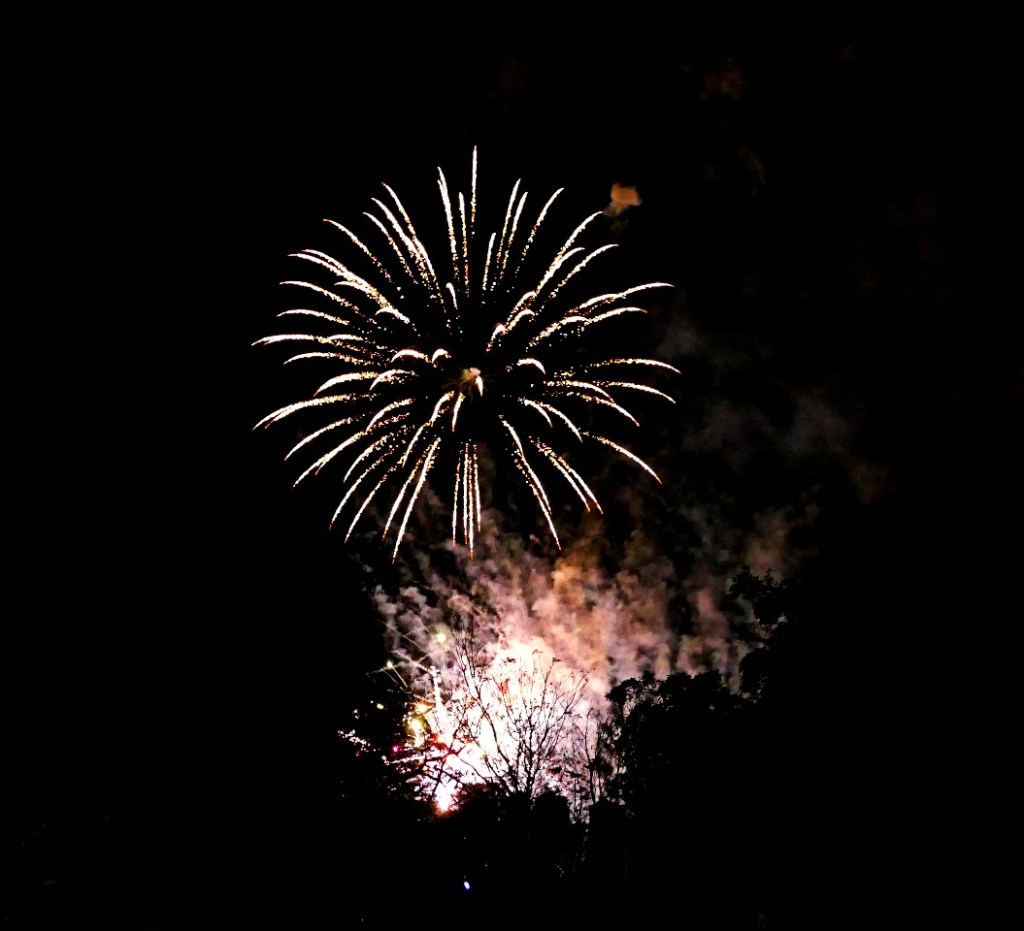
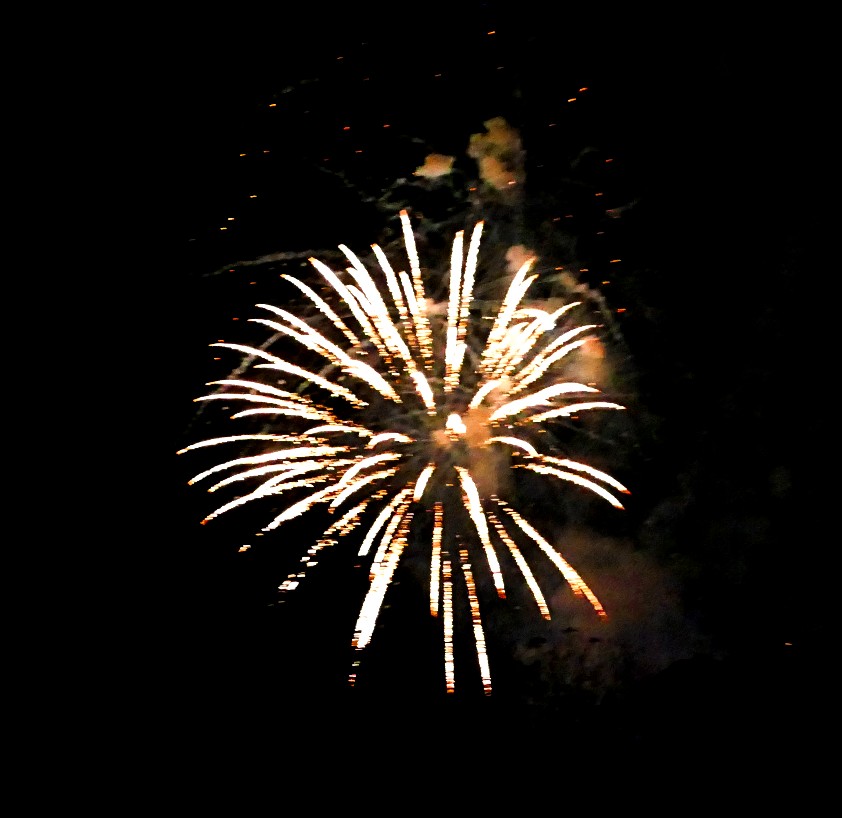
We have moved to the Ivanhoe Village Caravan Resort, across the road at the show grounds, Kununurra are holding their annual agricultural show, we went for a visit, it was the first day so not a lot to see, but great fireworks that night




Day 164, Saturday the 9th July, 2022
Bob had finished replacing the bushes on the truck, so we decided to go for a drive to test the truck out.
We drove to a place just out of Kununurra called Valentine Springs.
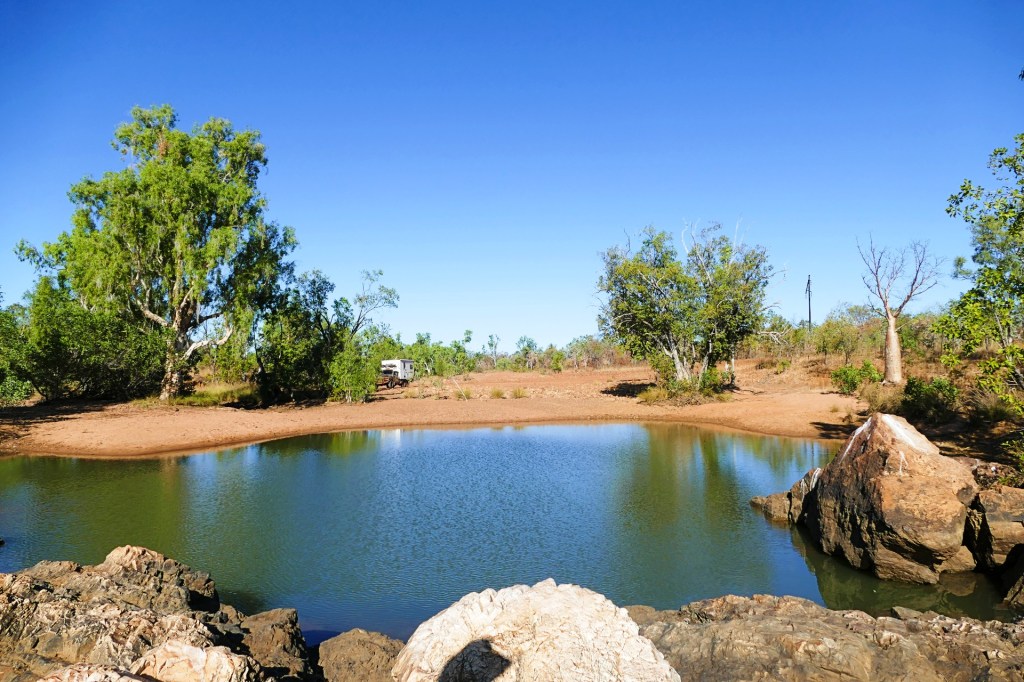
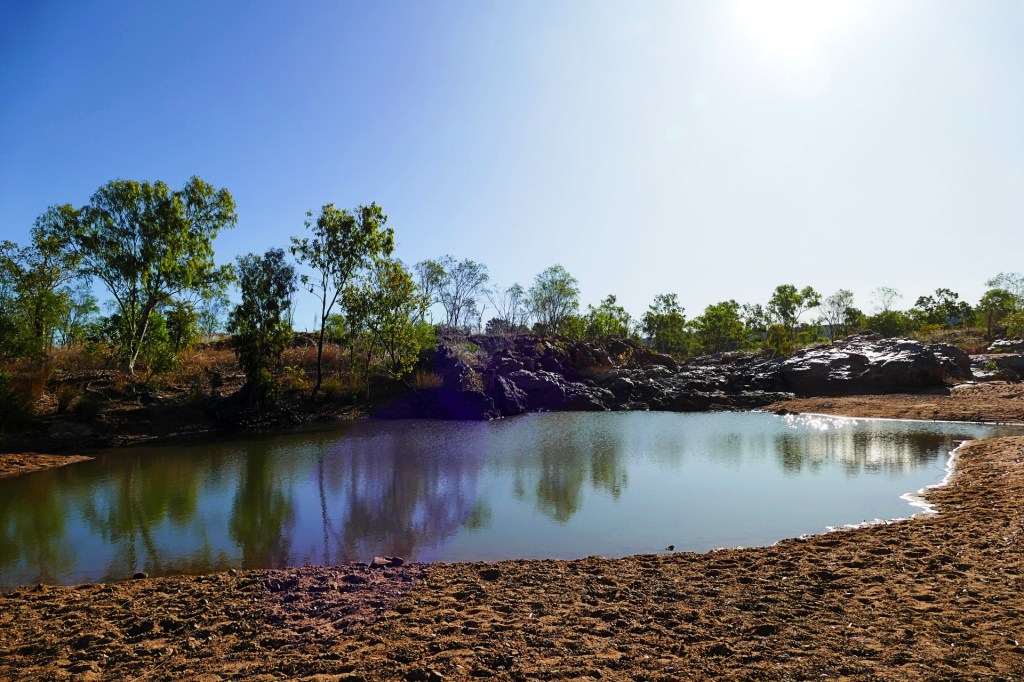
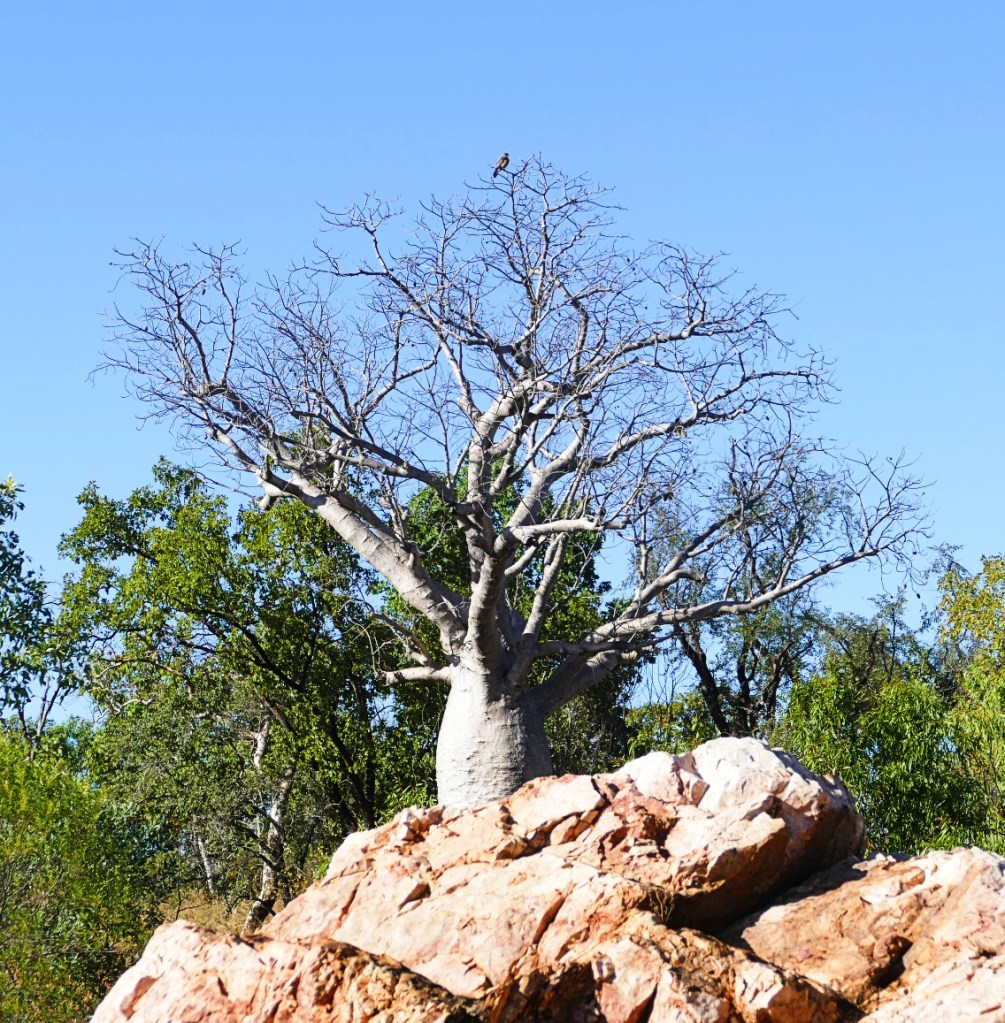
After that we continued our drive to Middle Springs or Mayiba, we really tested out the truck here, the track was very challenging. Middle Springs was very pretty, a permanent water source for the area.
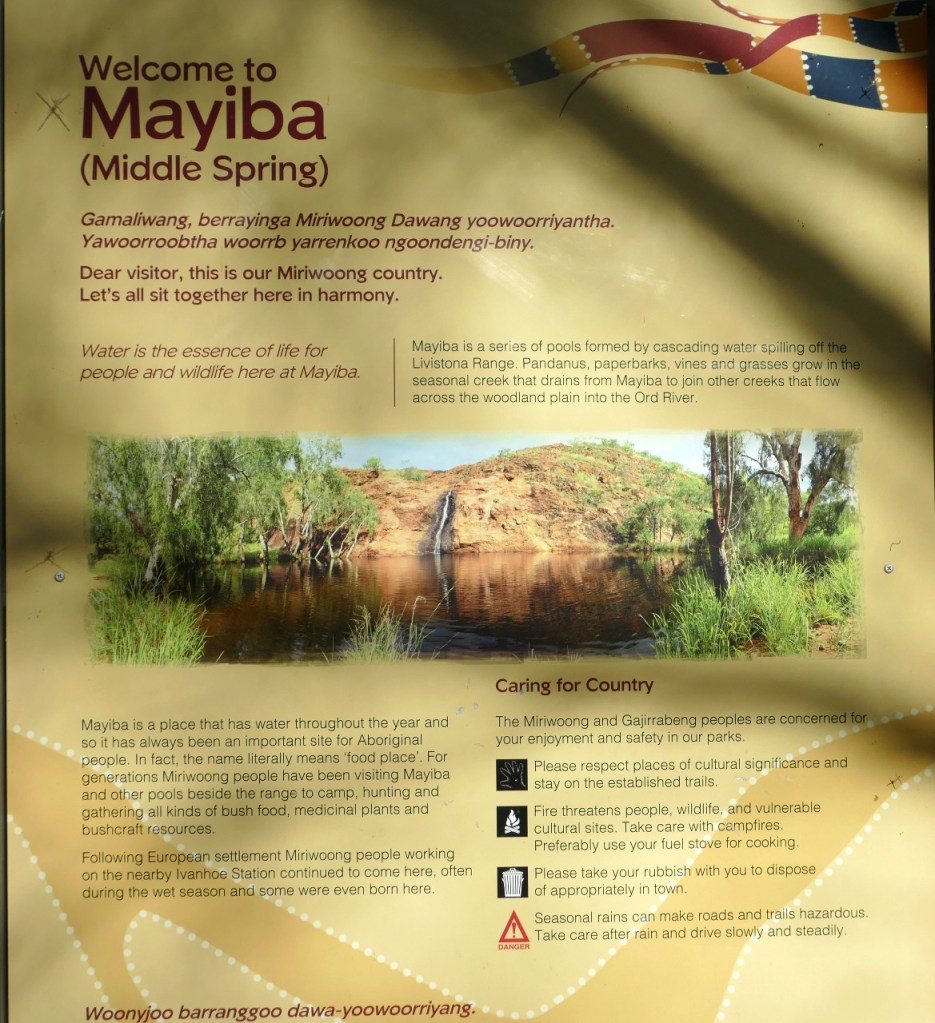
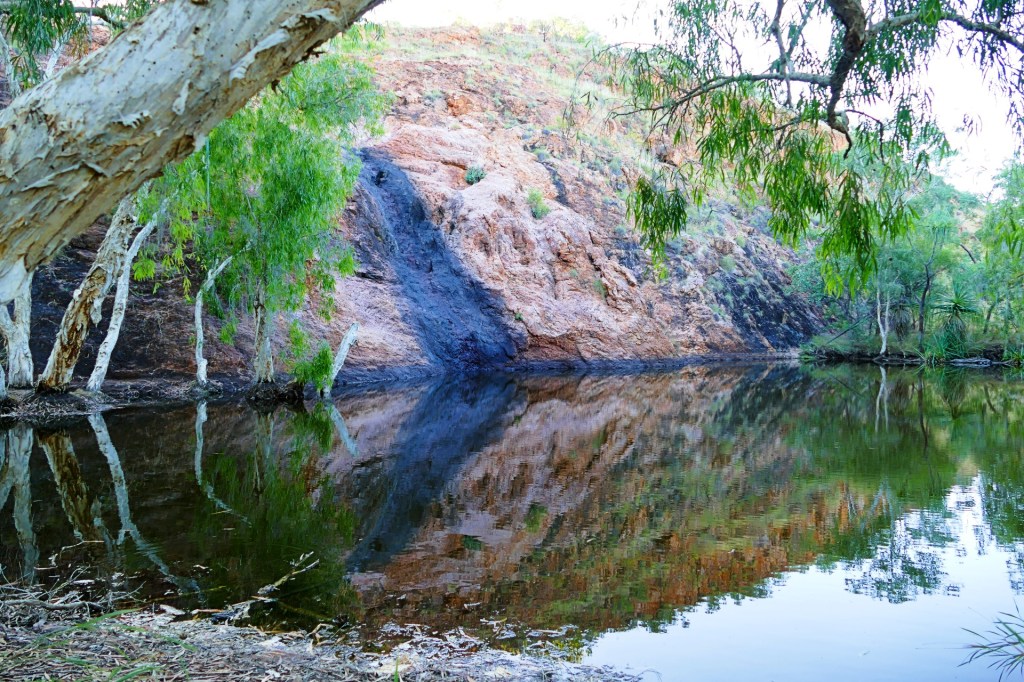
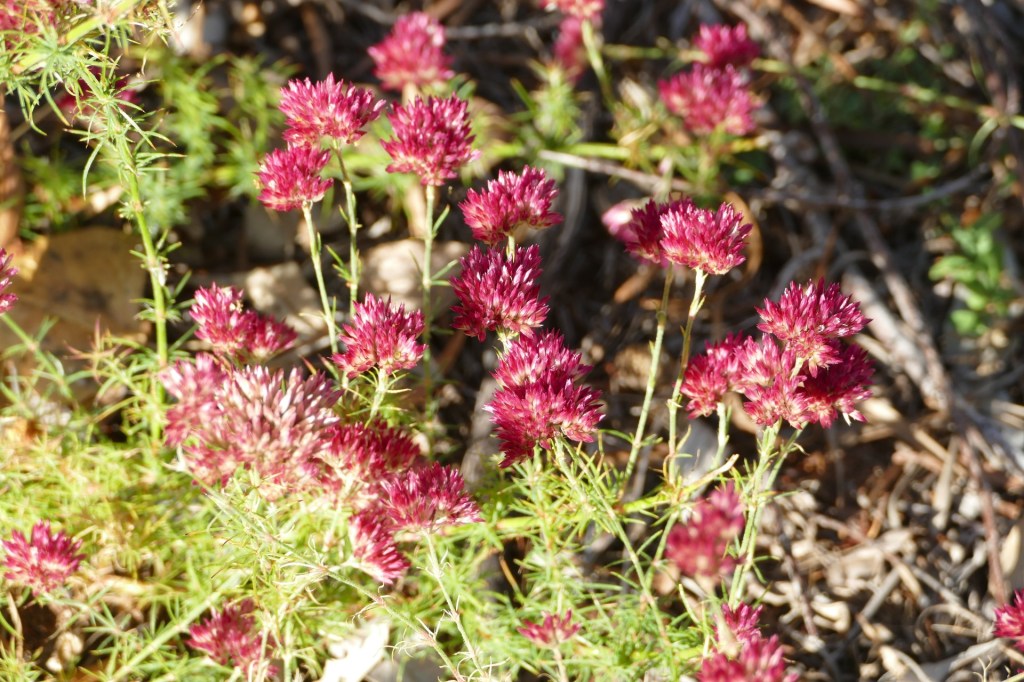
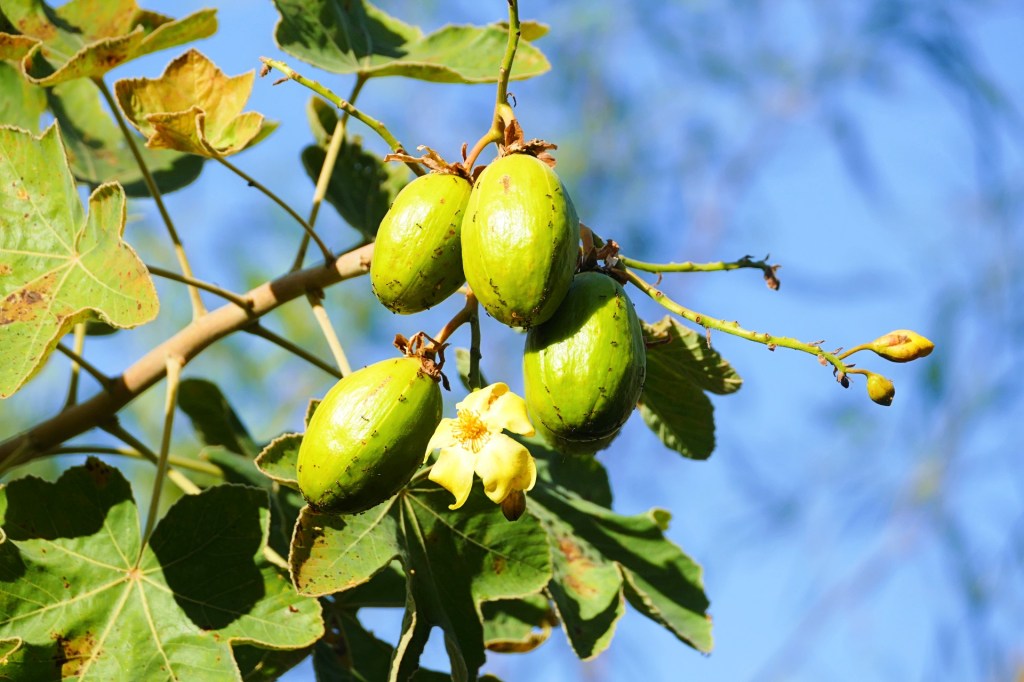
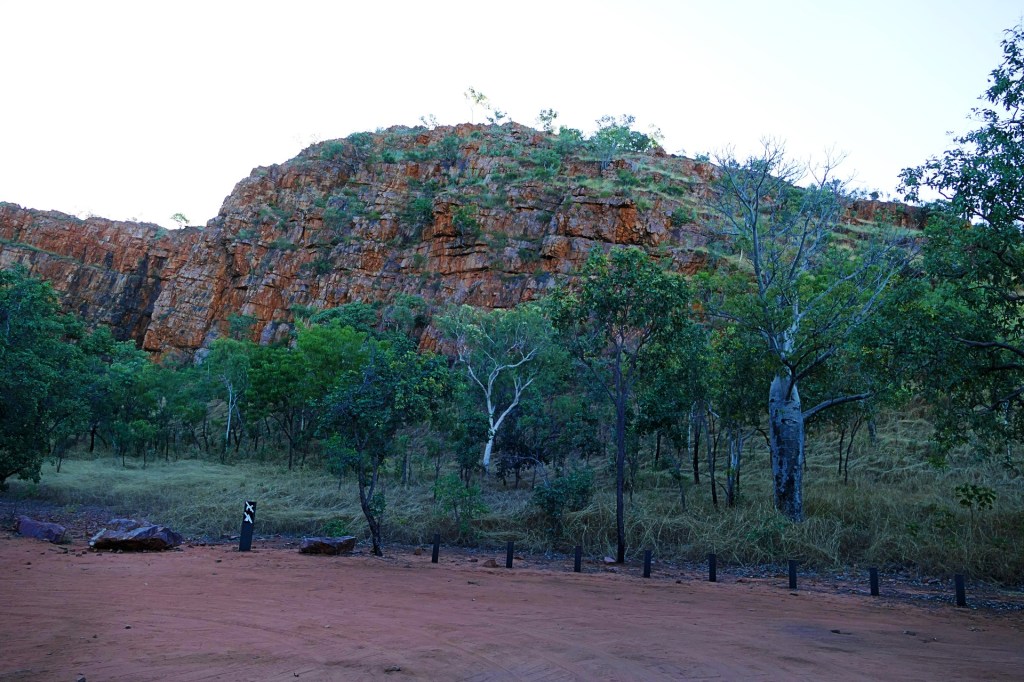
After Middle Springs we continued again to Black Rock Pool, or Thegooyeng. The road continued to be challenging, with lots of rocks, and holes in the road, as well as low overhanging branches.
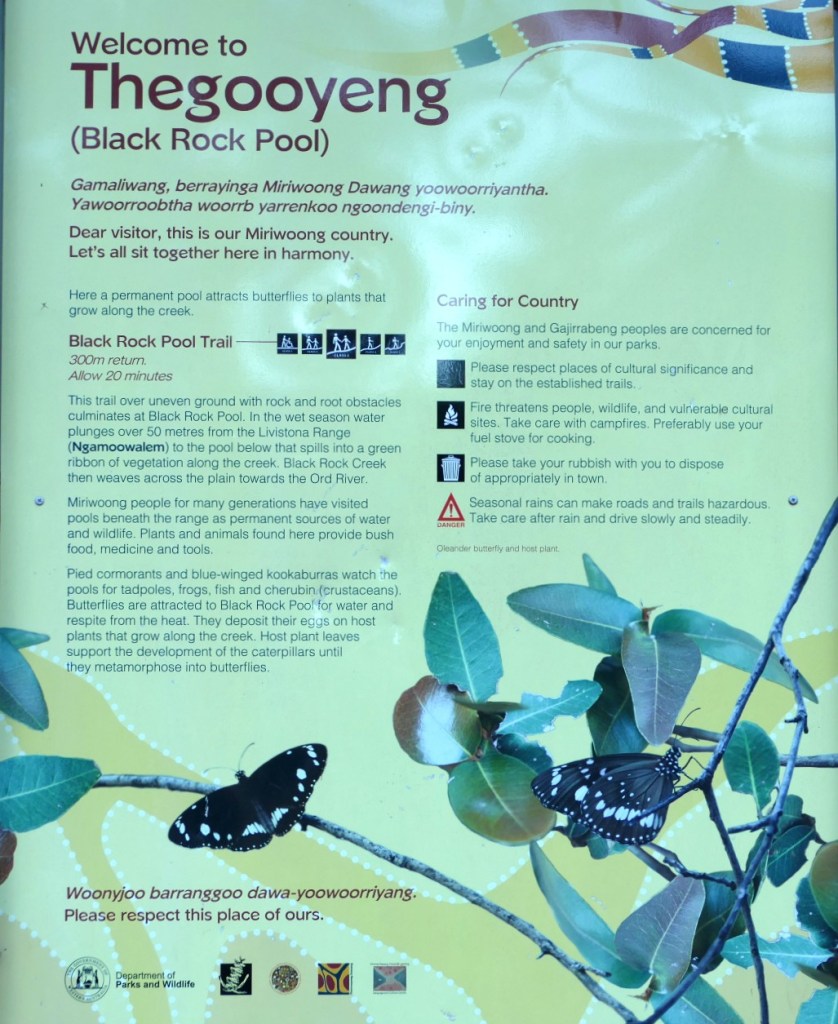
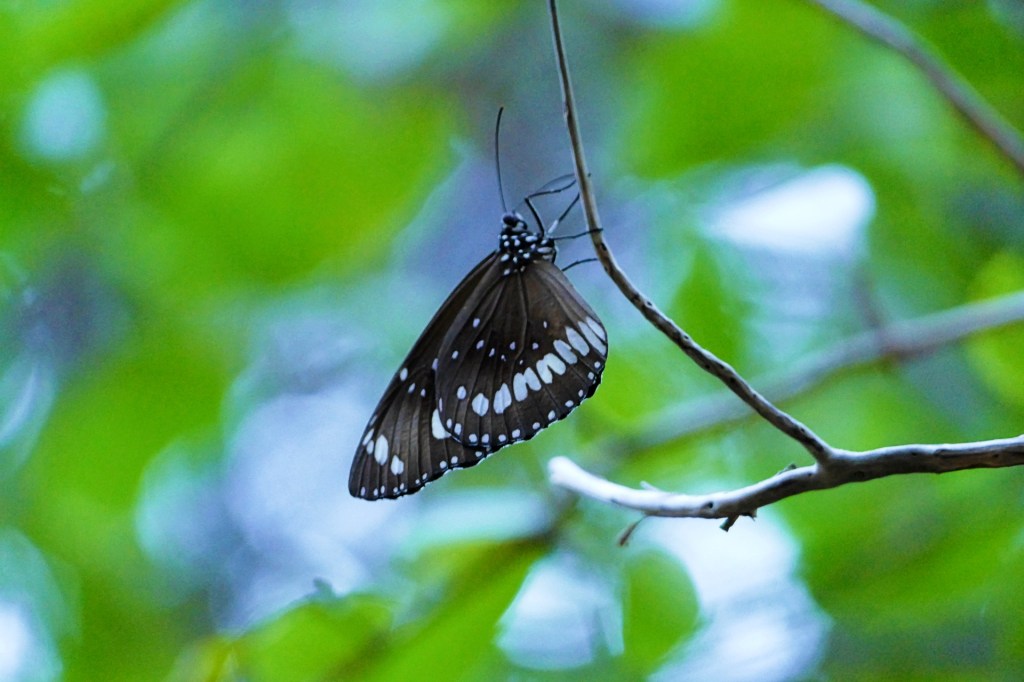
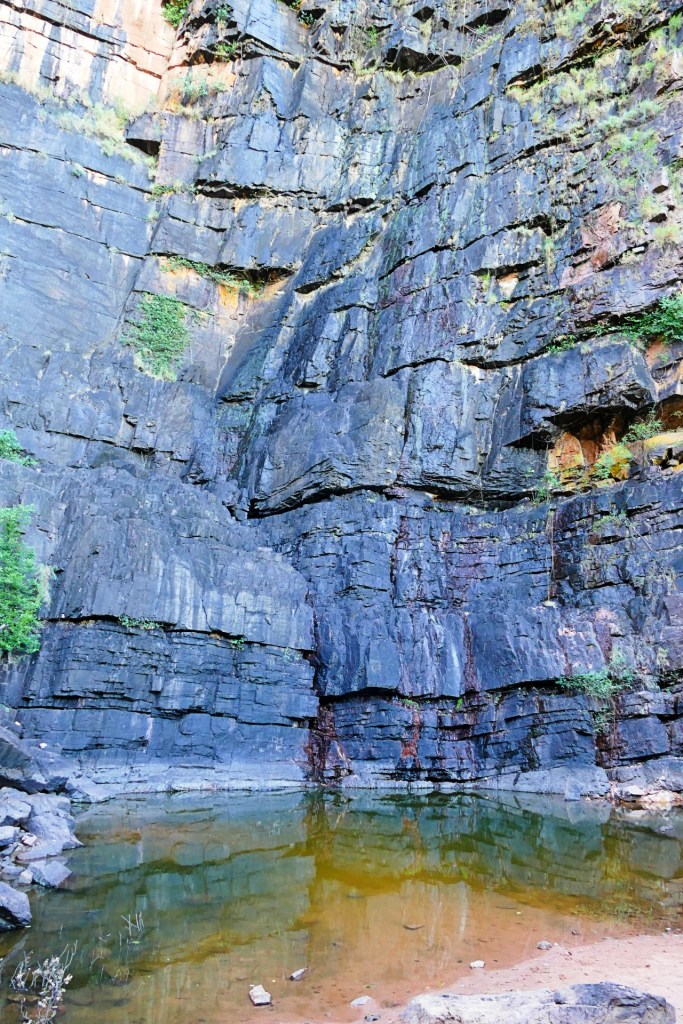

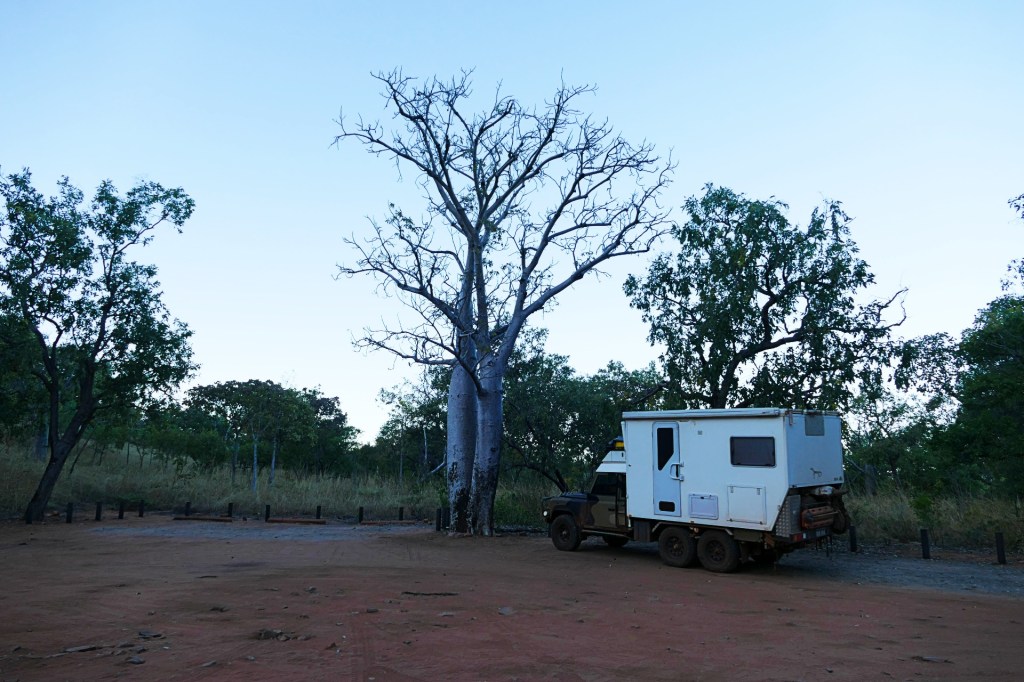
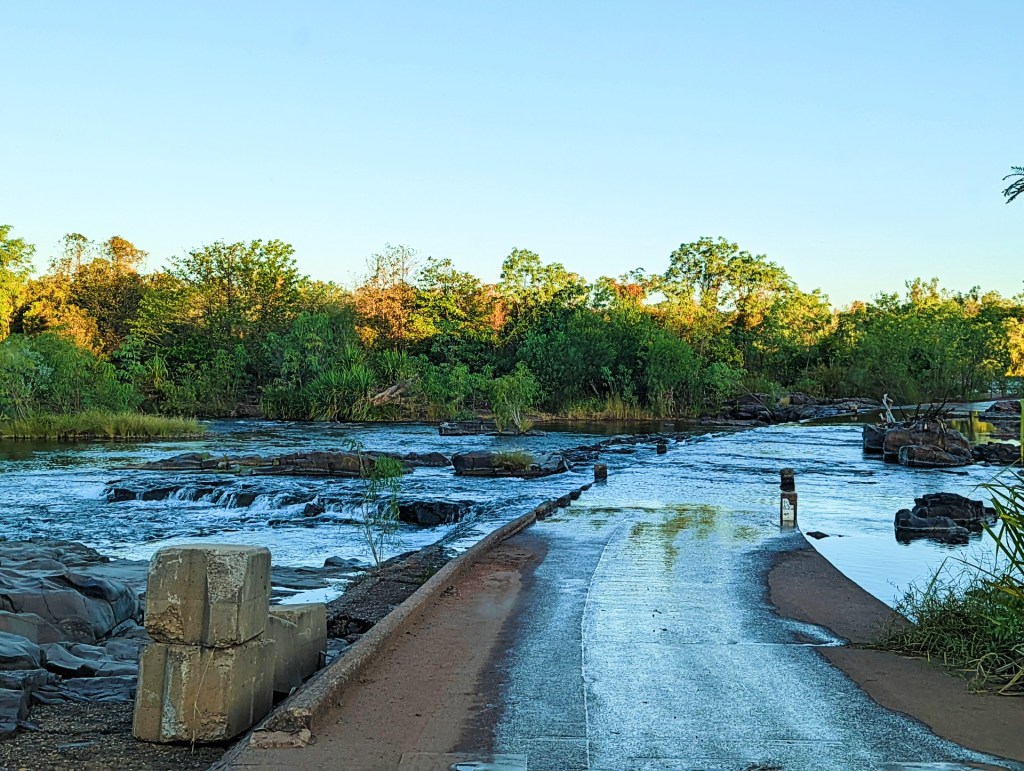
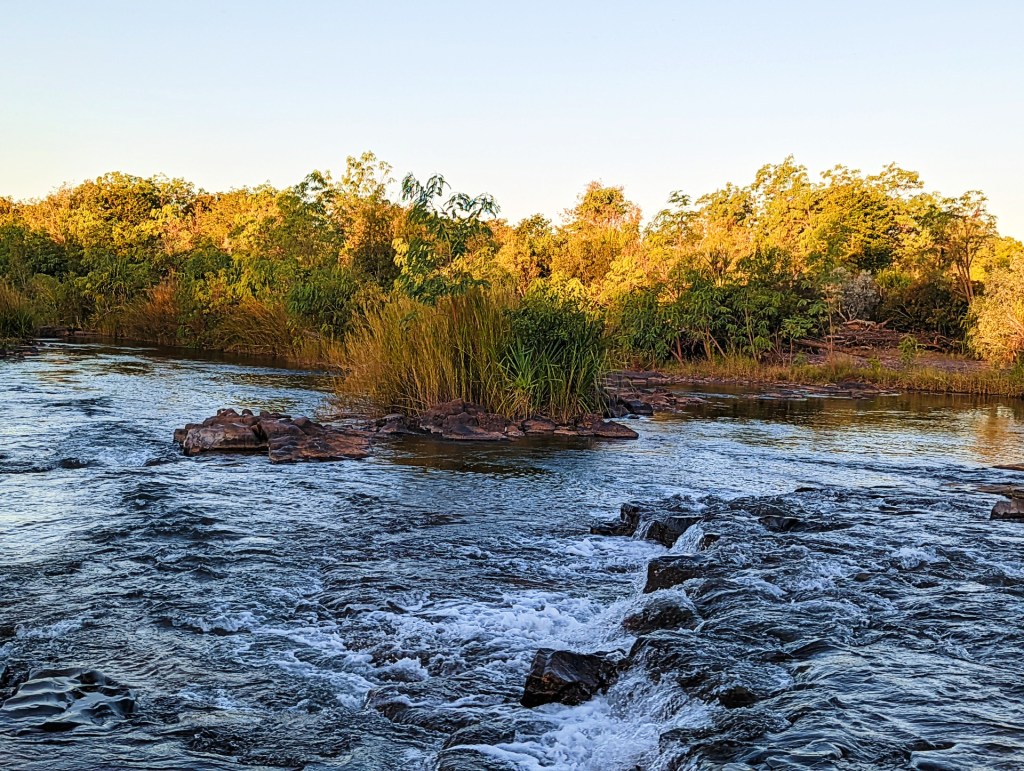
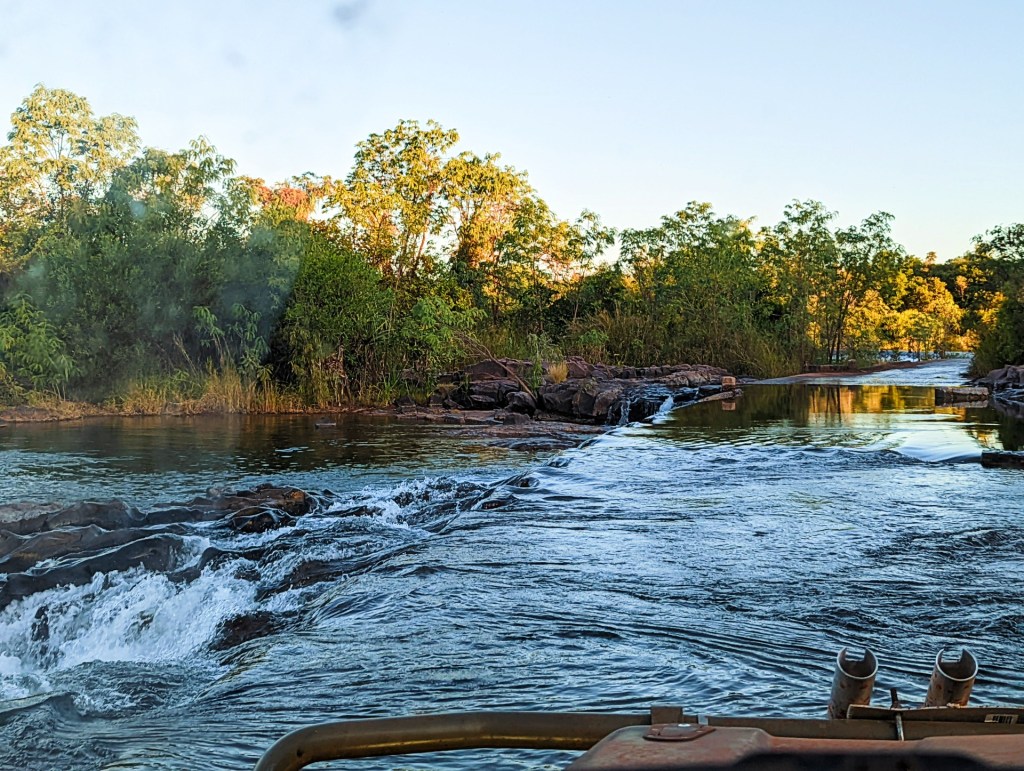
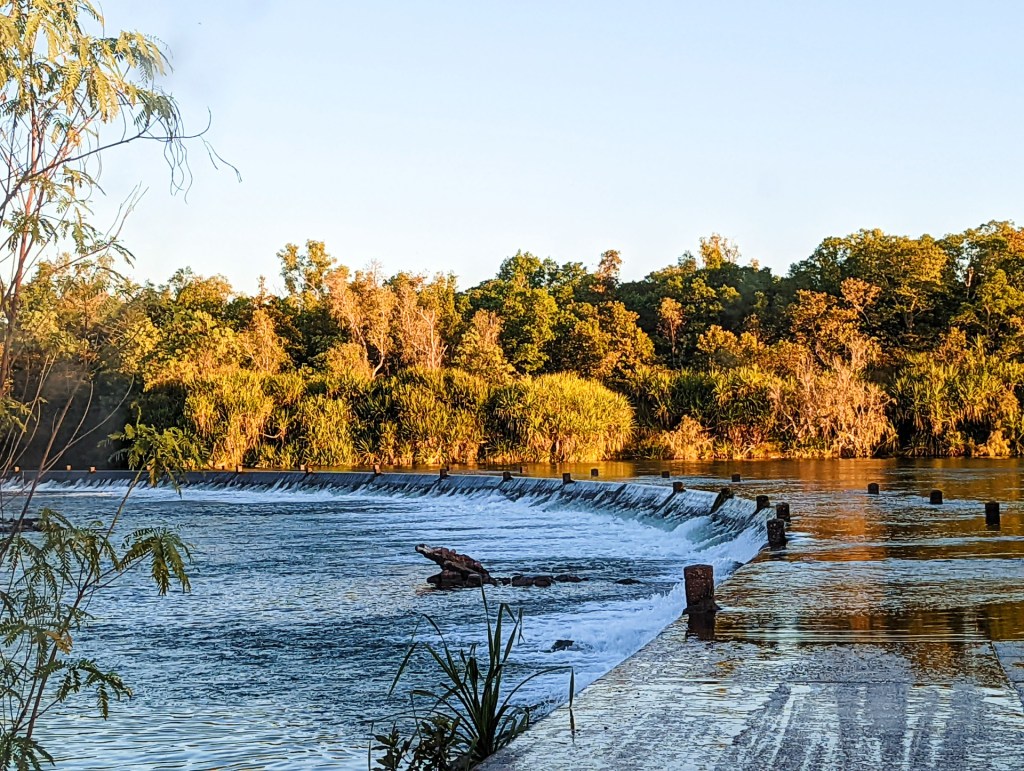
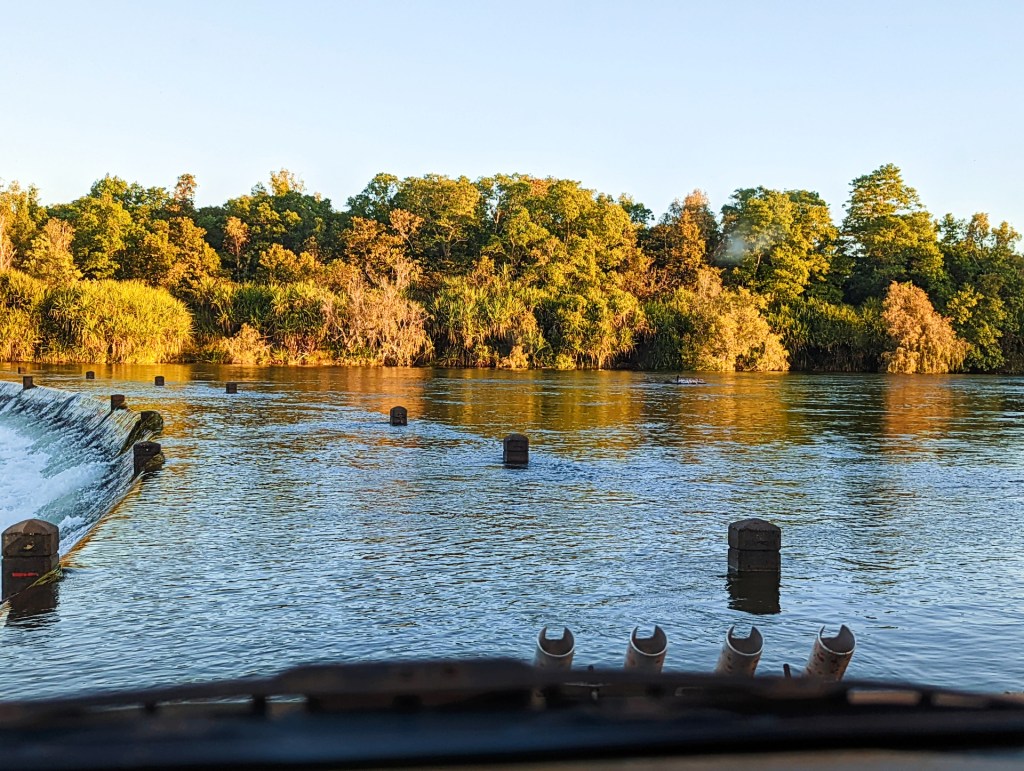
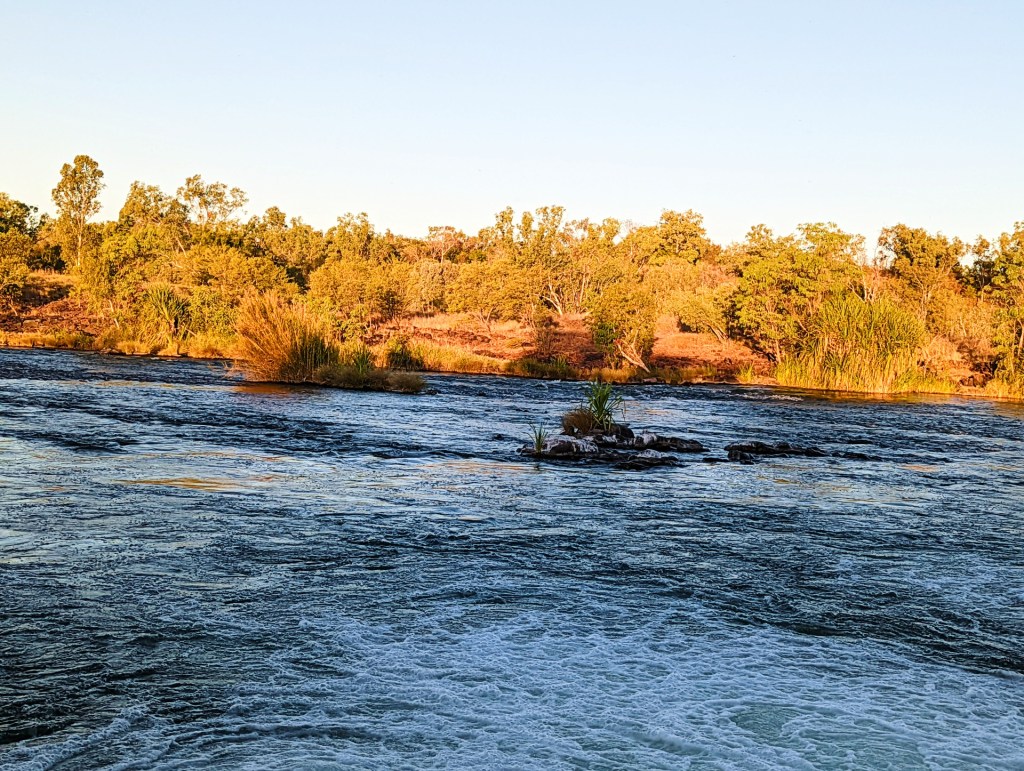
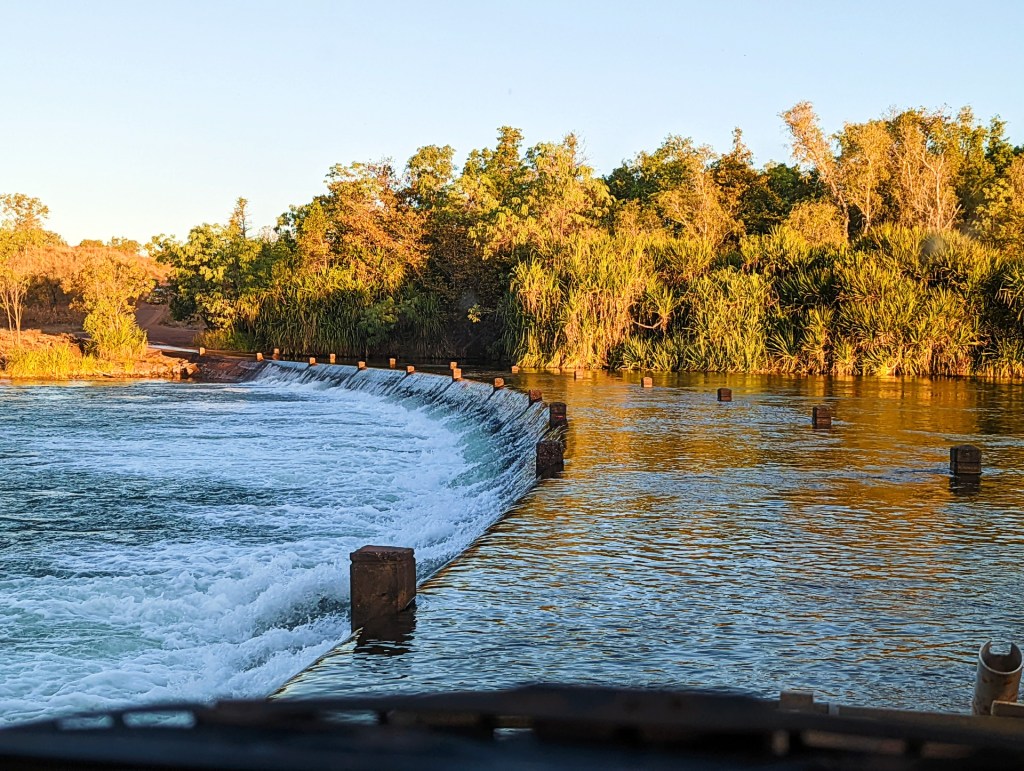
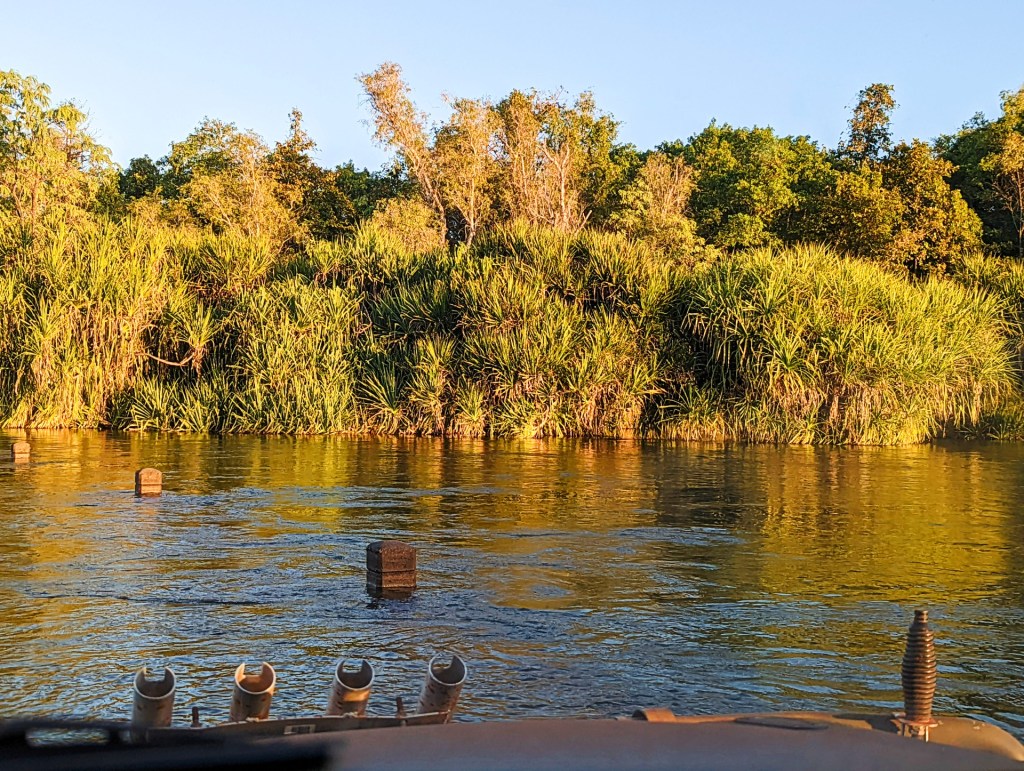
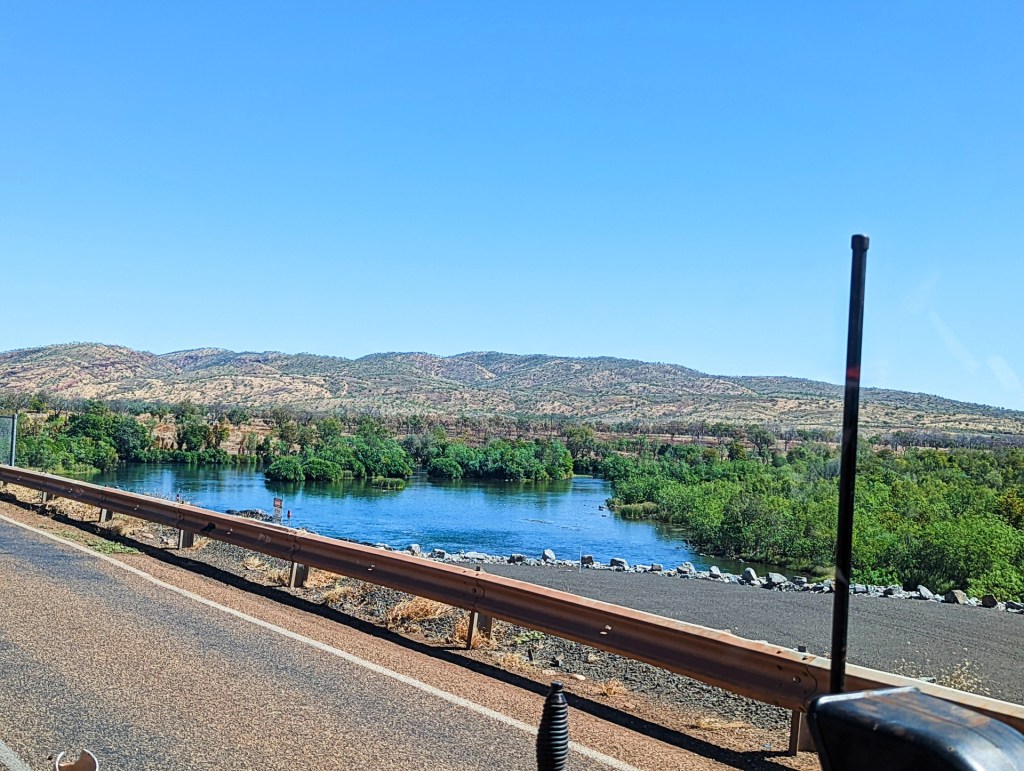
We then returned to town via the Ivanhoe Crossing. This was really pretty and we had to drive across the weir. Apparently it is fresh water up stream and salt water down stream, and it is not uncommon for Salt Water Croc’s to be seen there. We did not see any.
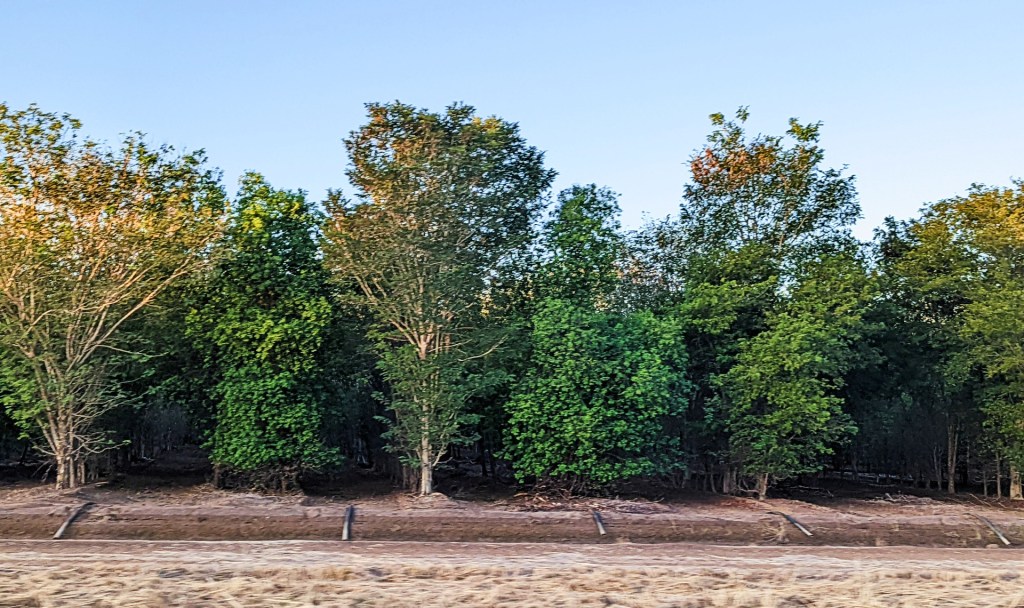
Driving back to the caravan park, we drove past a Sandalwood Plantation. We had visited the Sandalwood Factory earlier that week and had learned how they are farmed. Sandalwood is a parasitic tree, it needs to have other trees around it so that the Sandalwood roots can tap into the neighbouring “host” trees to suck all the nutrients it needs to survive, eventually killing the host trees. Australian Sandalwood takes about 50 years to mature, however Indian Sandalwood only takes about 20 years to mature. As a result, Sandalwood plantations are planted with the Sandalwood tree surrounded by quick growing host or sacrificial trees, which will eventually die, then new host trees are planted until the Sandalwood tree matures. As we were driving to the Sandalwood factory, before we knew all of this, we were confused by the plantation we were driving through, we could see that the trees were all planted in rows, with irrigation, but there were different types of trees planted in the rows, some of them dead, after learning the above we realised that we were seeing the Sandalwood trees surrounded by host trees. Kununurra has mainly Australian Sandalwood plantations, these take longer and the produce from them is obviously more expensive. There are also Indian Sandalwood plantations where the produce is less expensive.
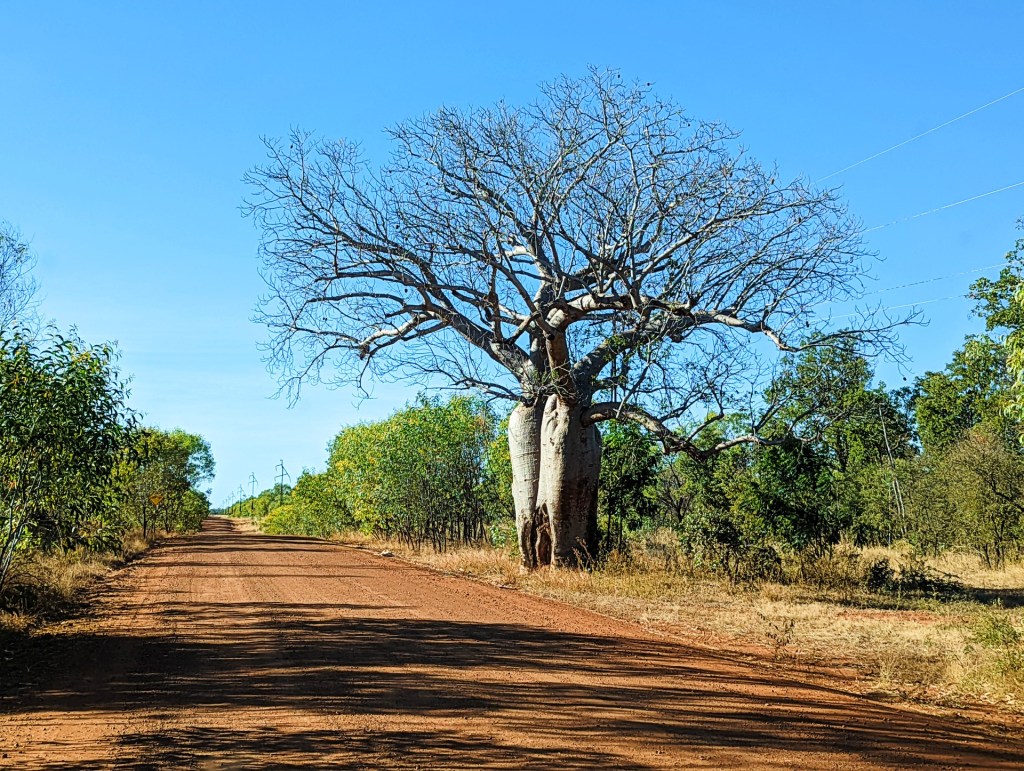

Day 165, Sunday the 10th July, 2022
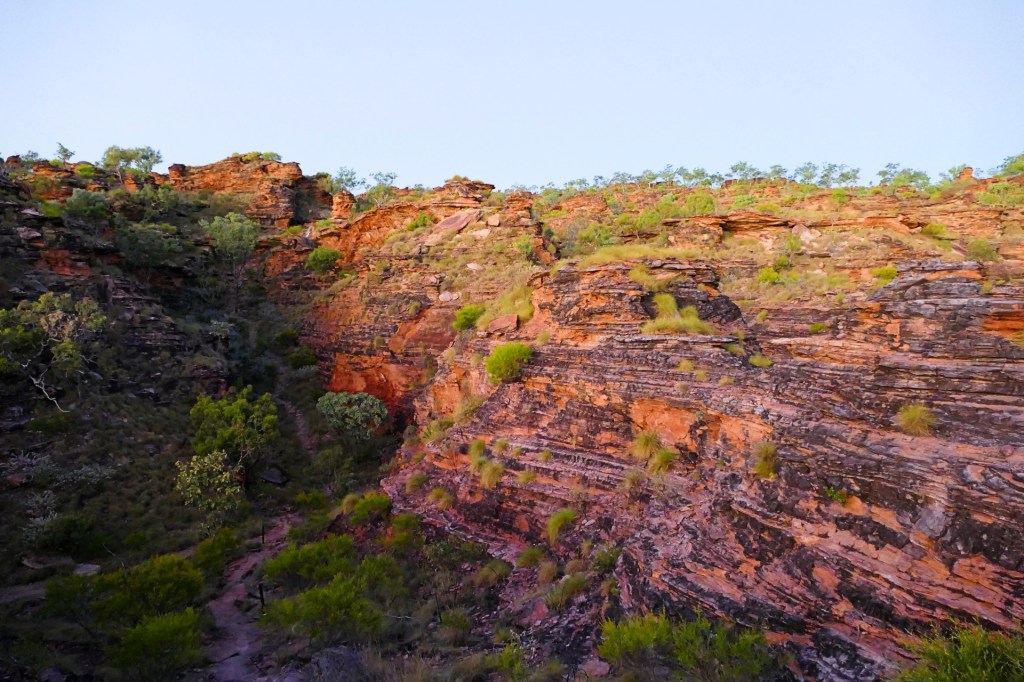
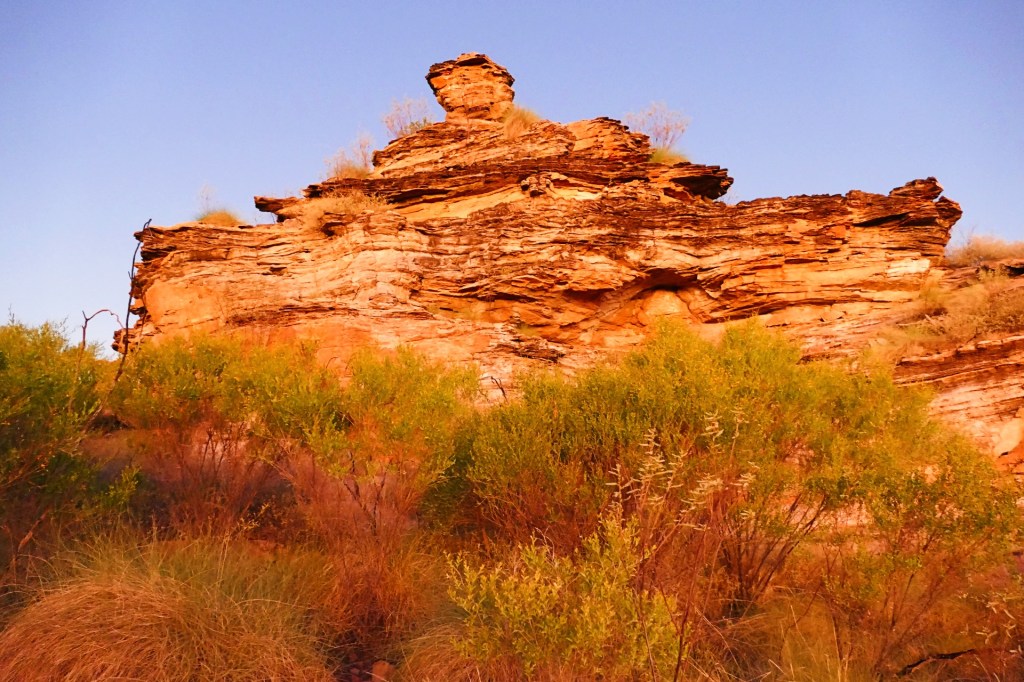
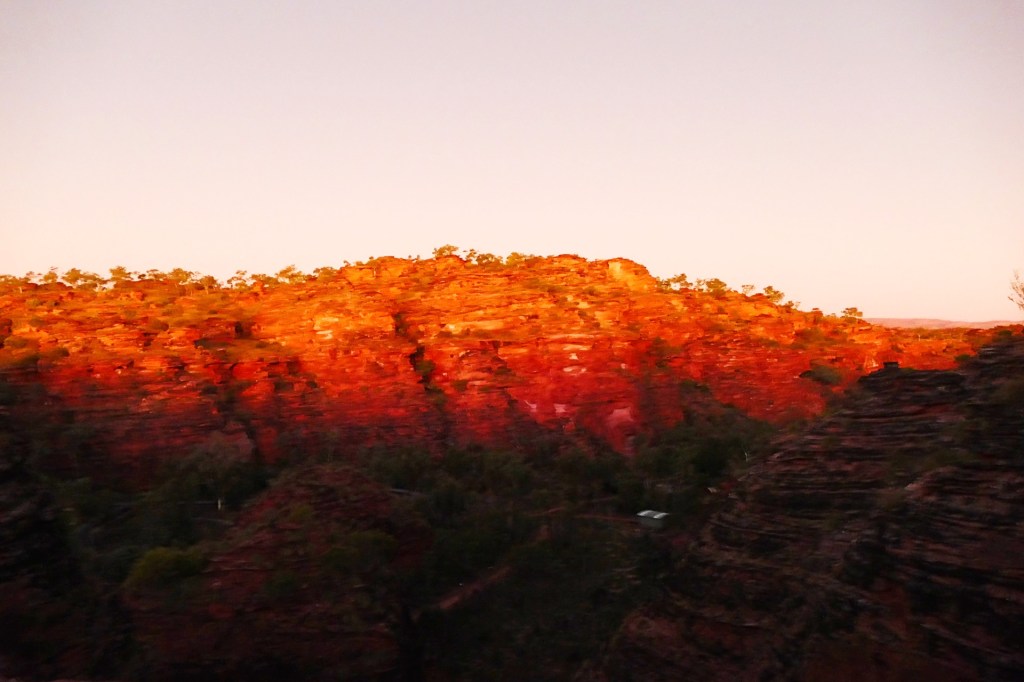
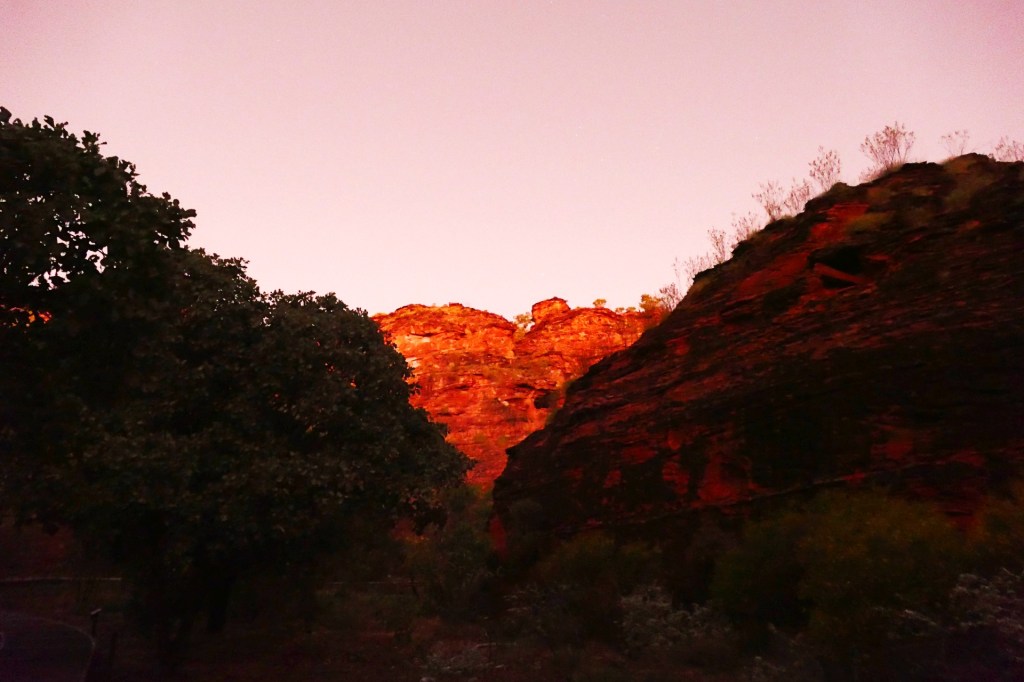
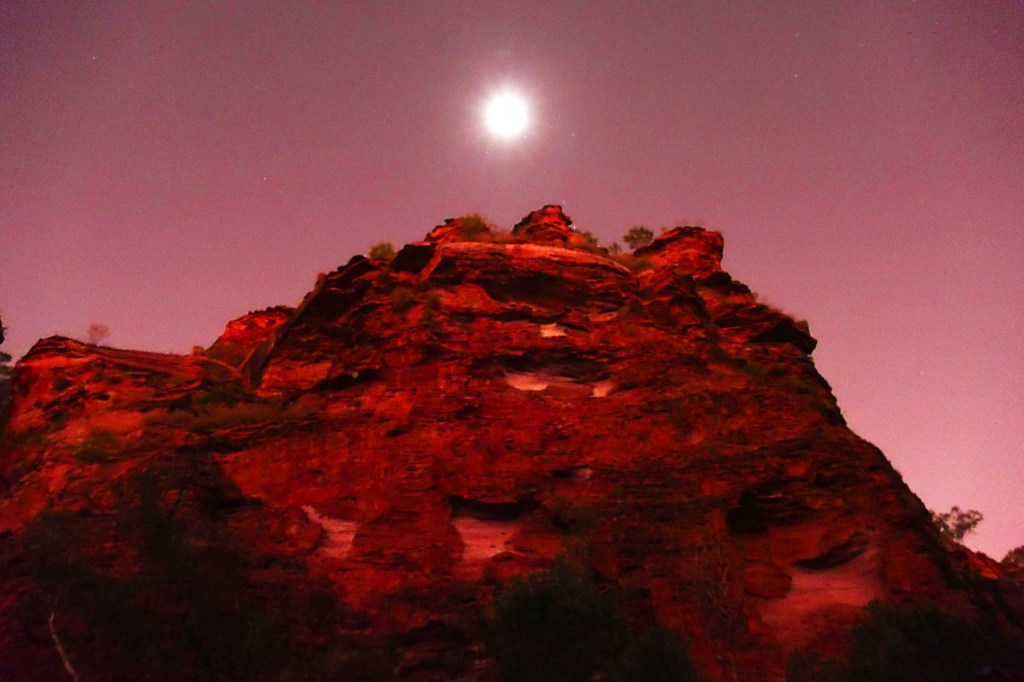
It was our last day in Kununurra and we decided to visit a Mirima national park just outside Kununurra. It was known for its beehive rock formations and often referred to as mini Bungle Bungles.
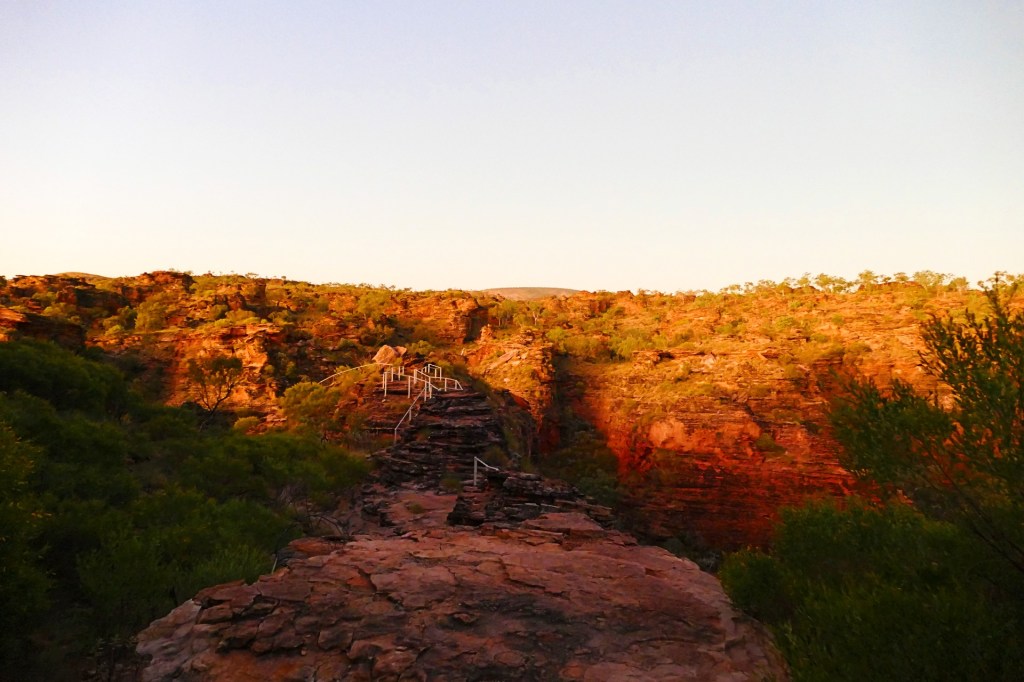
We did all 3 walks, it was very pretty.
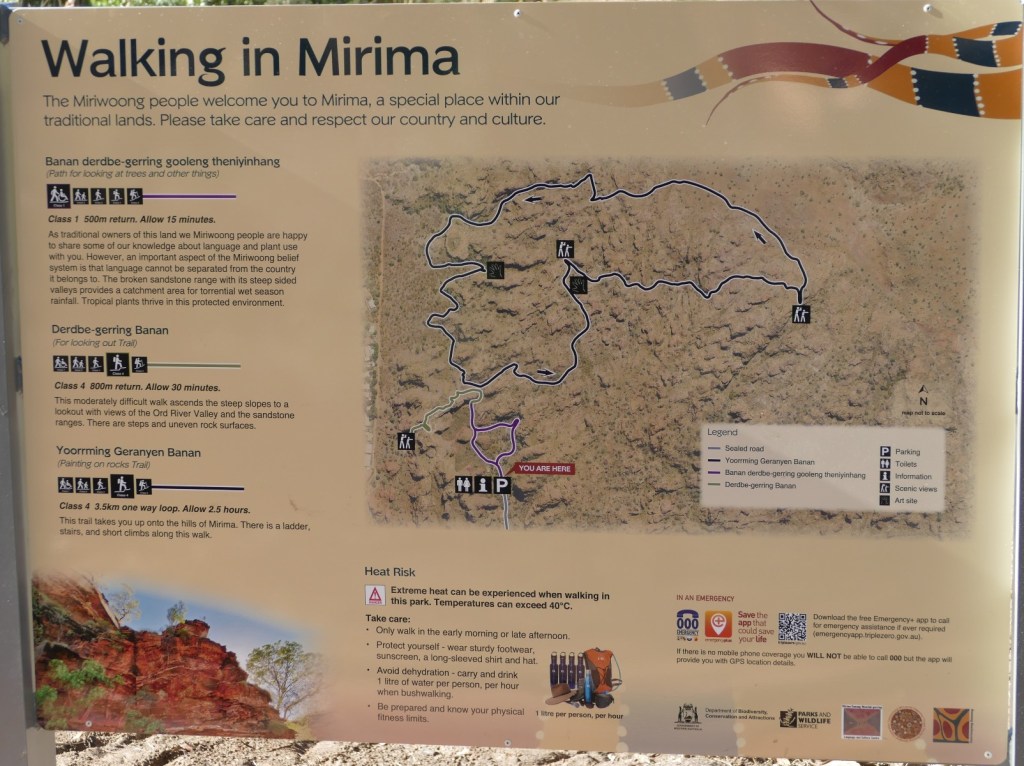
The first walk was the Banan Derdbe-Gerring Gooleng Theniyinhang Walk, Path for looking at trees and other things walk. This was a very easy and short walk, 15 minutes or 500m, class 1 over a boardwalk.
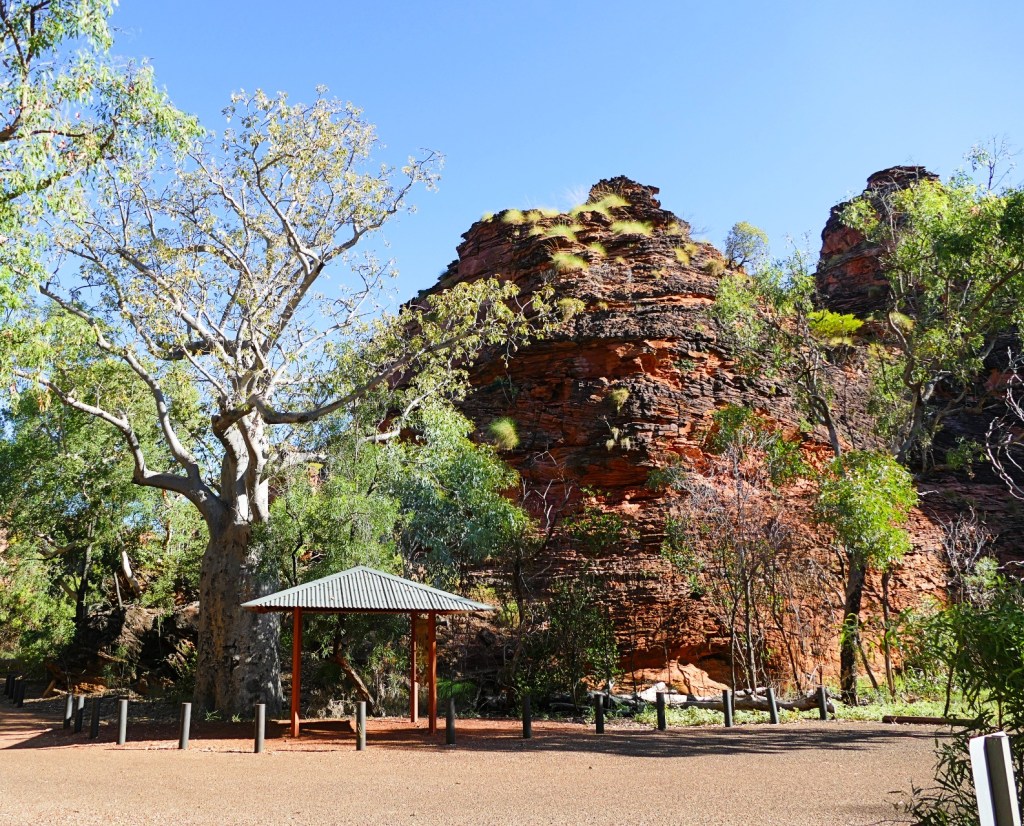
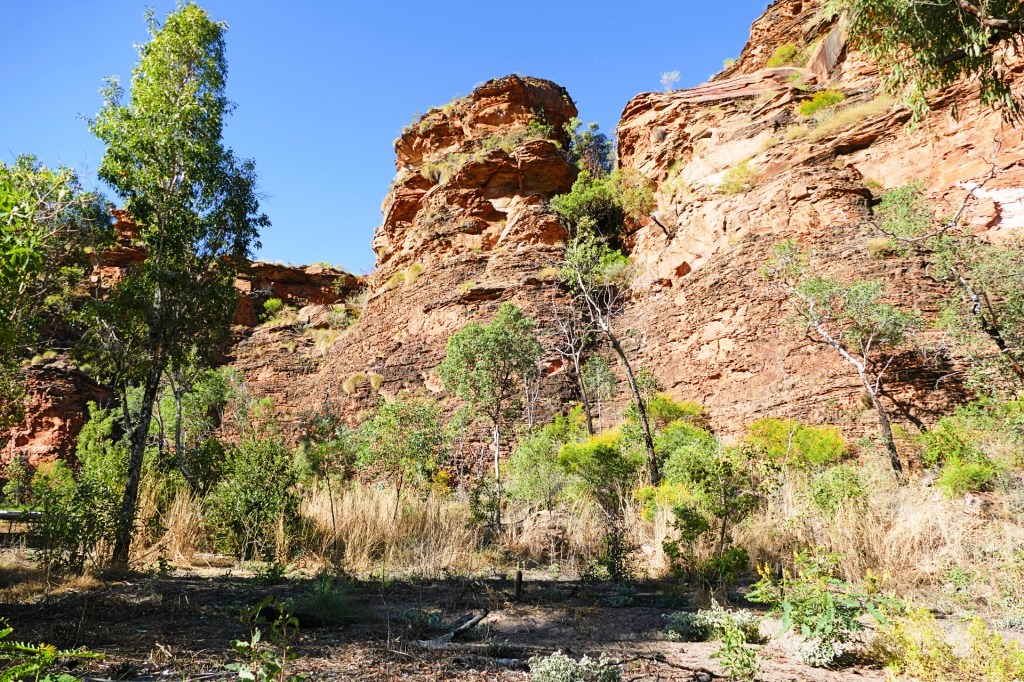
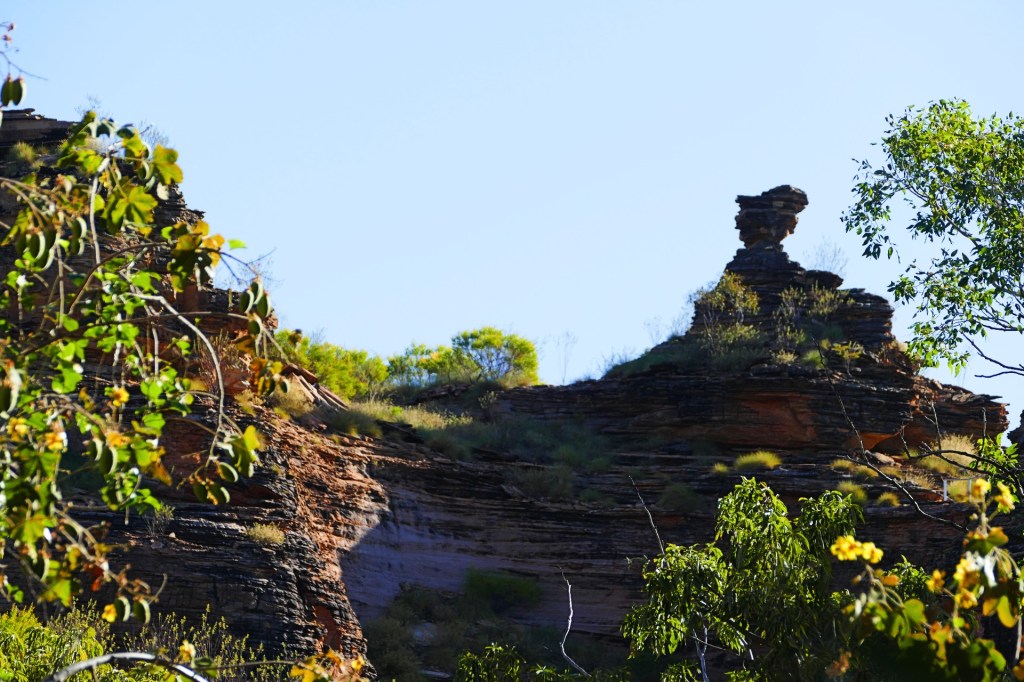

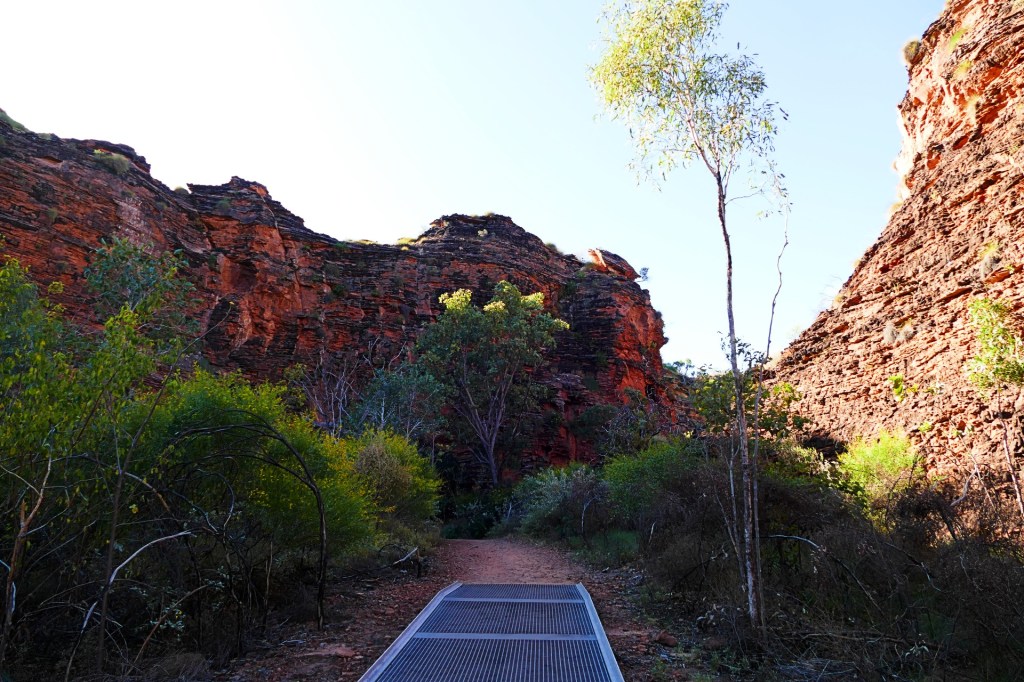
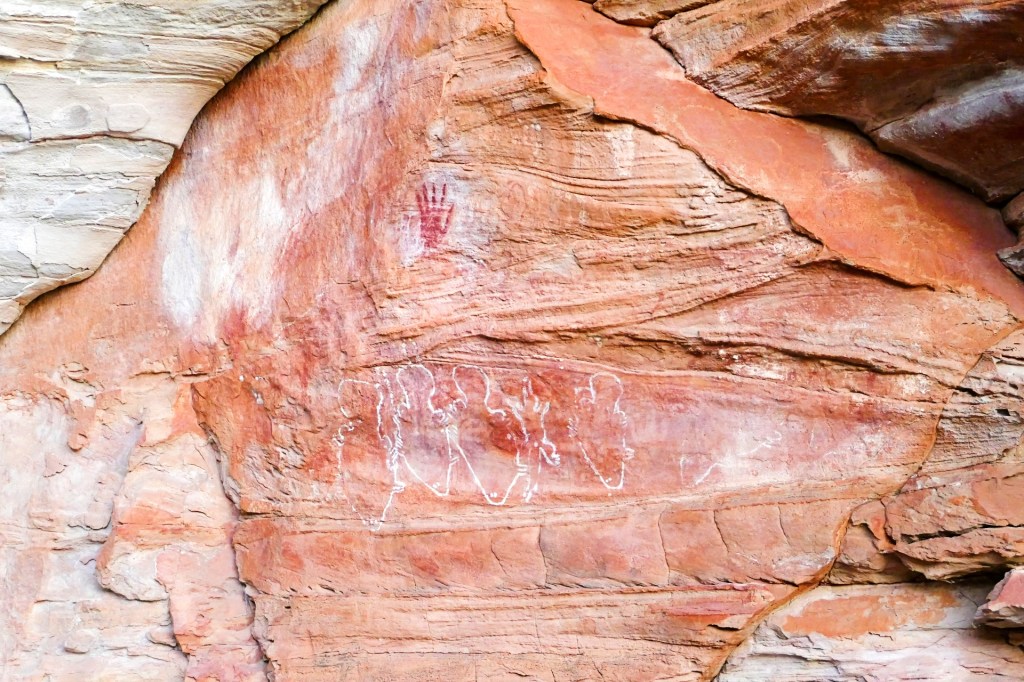
The next walk was the Yoorrming Geranyen Banan walk, Painting on rocks trail, a 3.5 km class 4 loop which would take about 2 and a half hours. The walk was quite spectacular, we saw lots of the beehive type rock formations as well as some first nation rock art. The views were beautiful, and we were lucky to be there in the afternoon to see the colours on the rocks as the sun set.
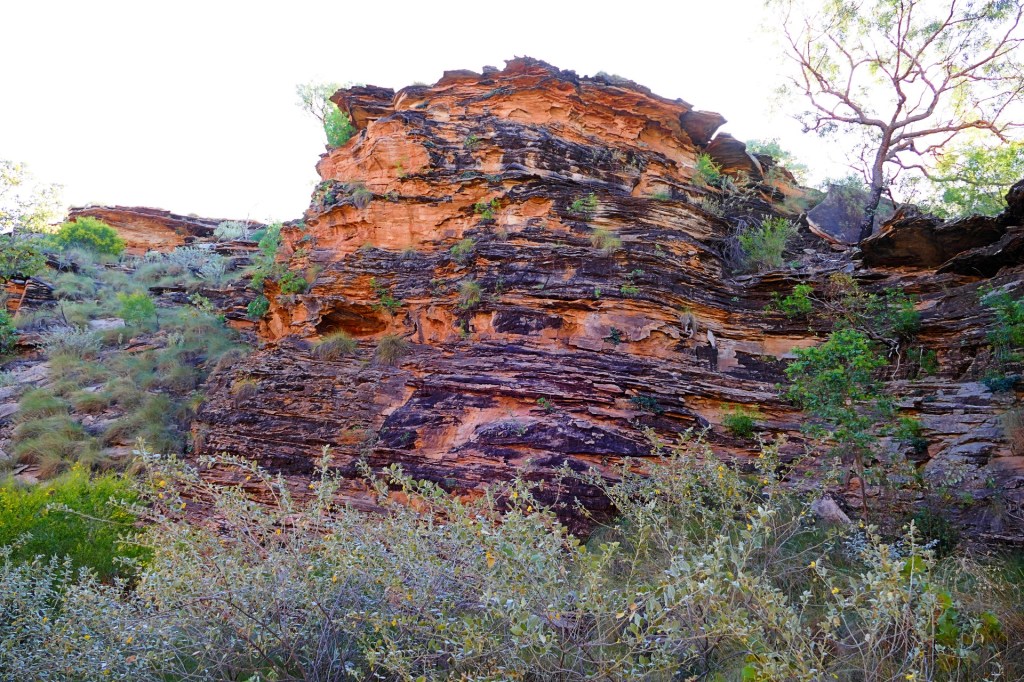
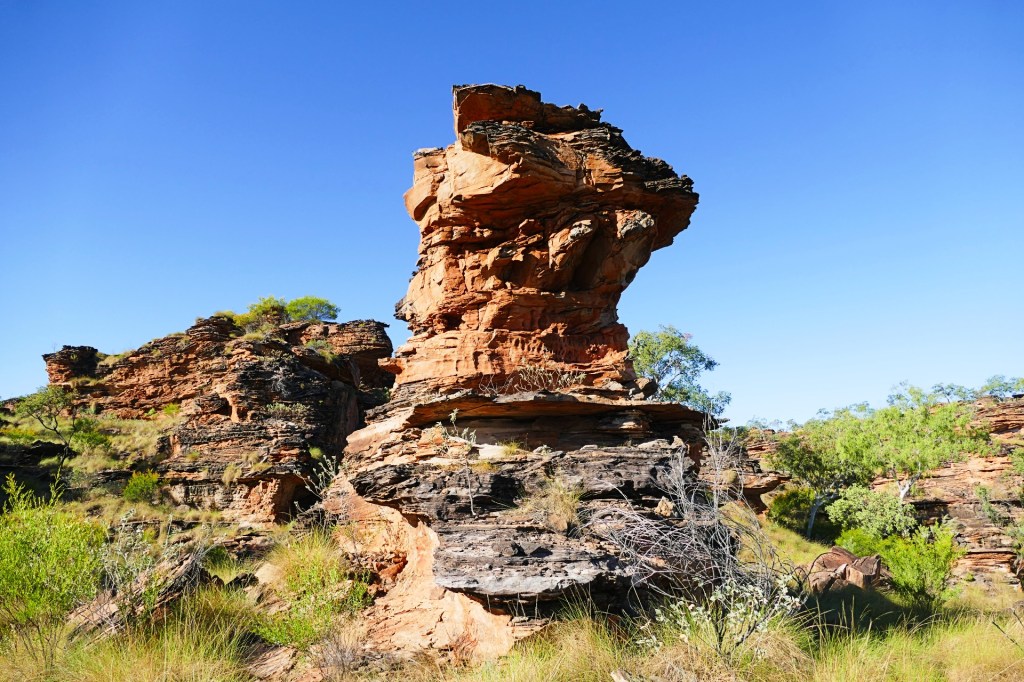
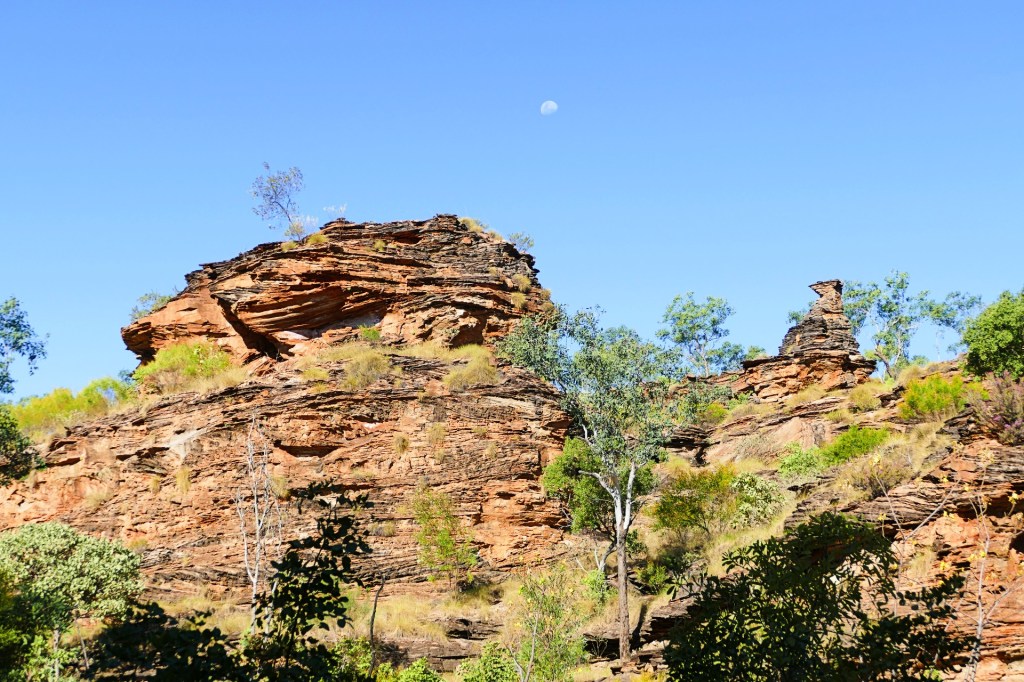
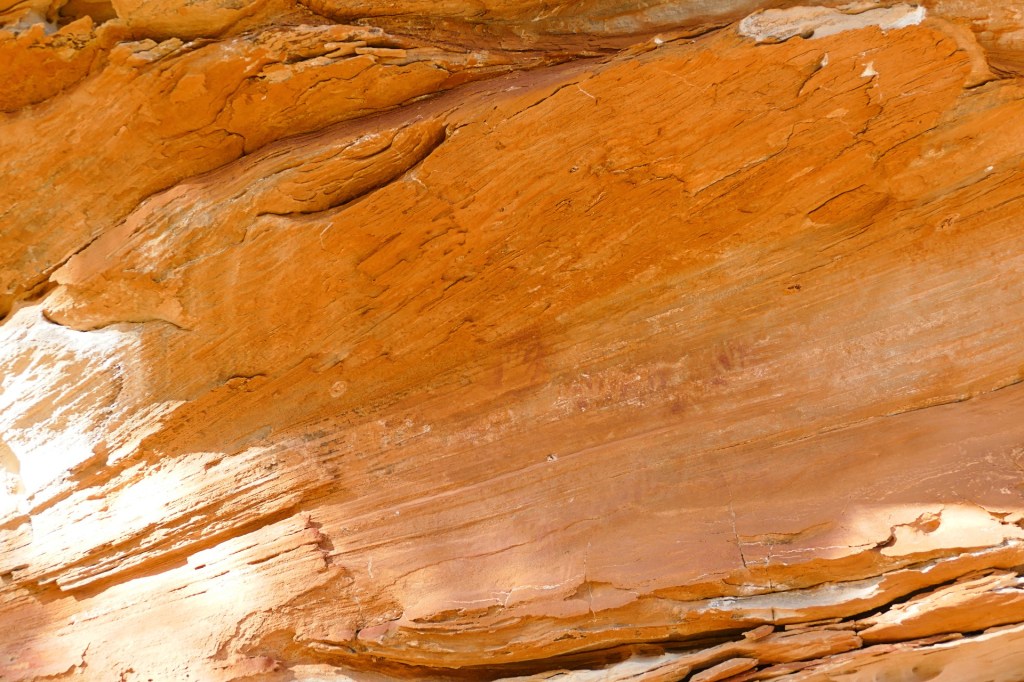
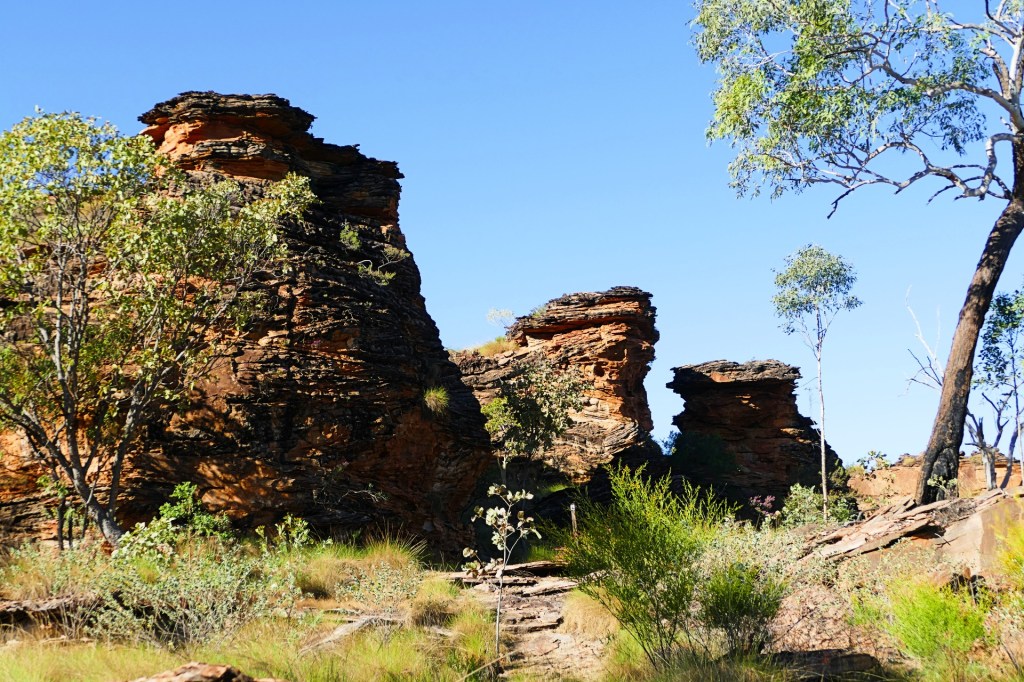
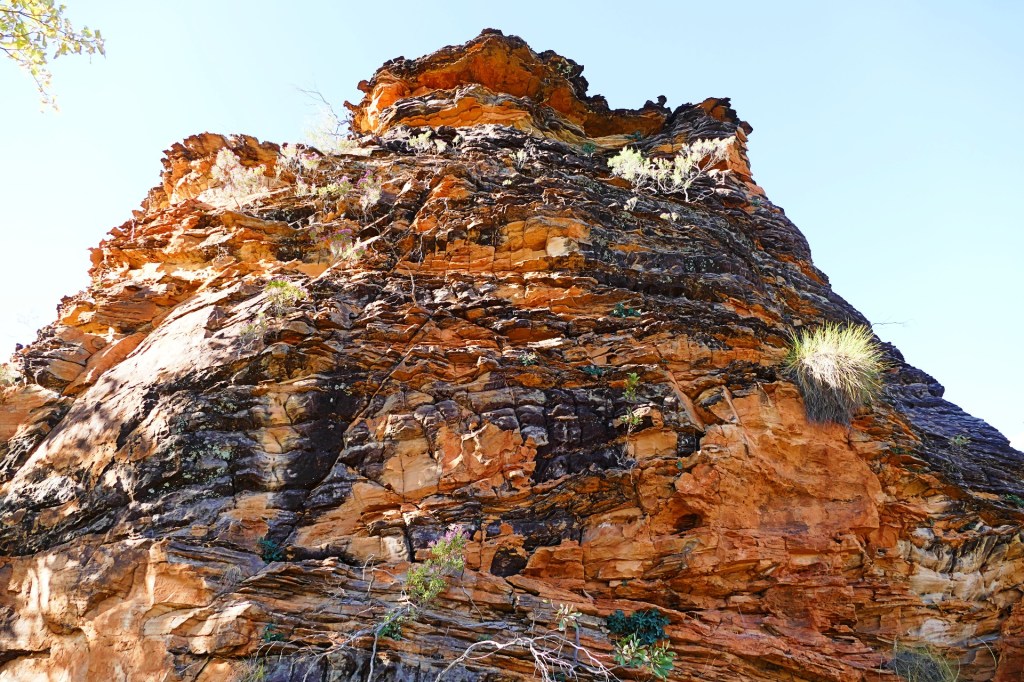
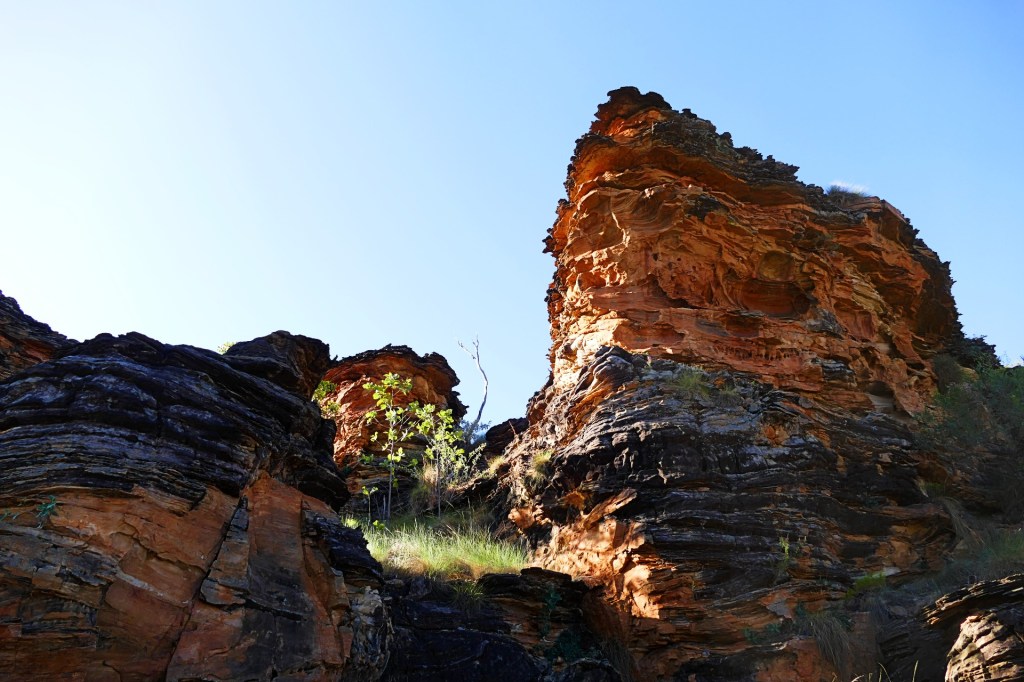
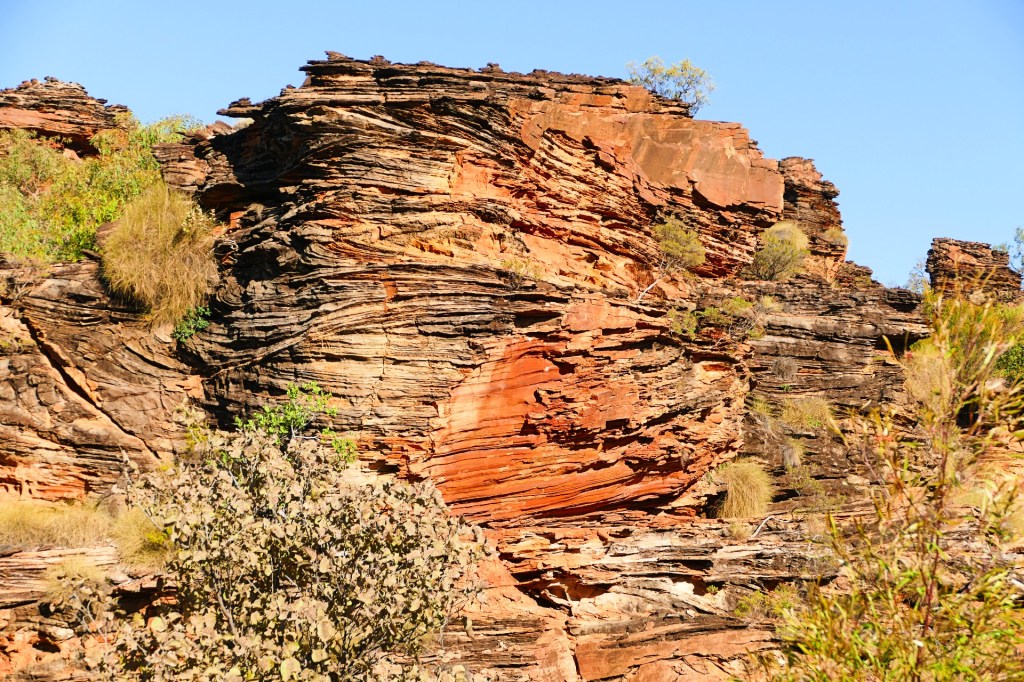
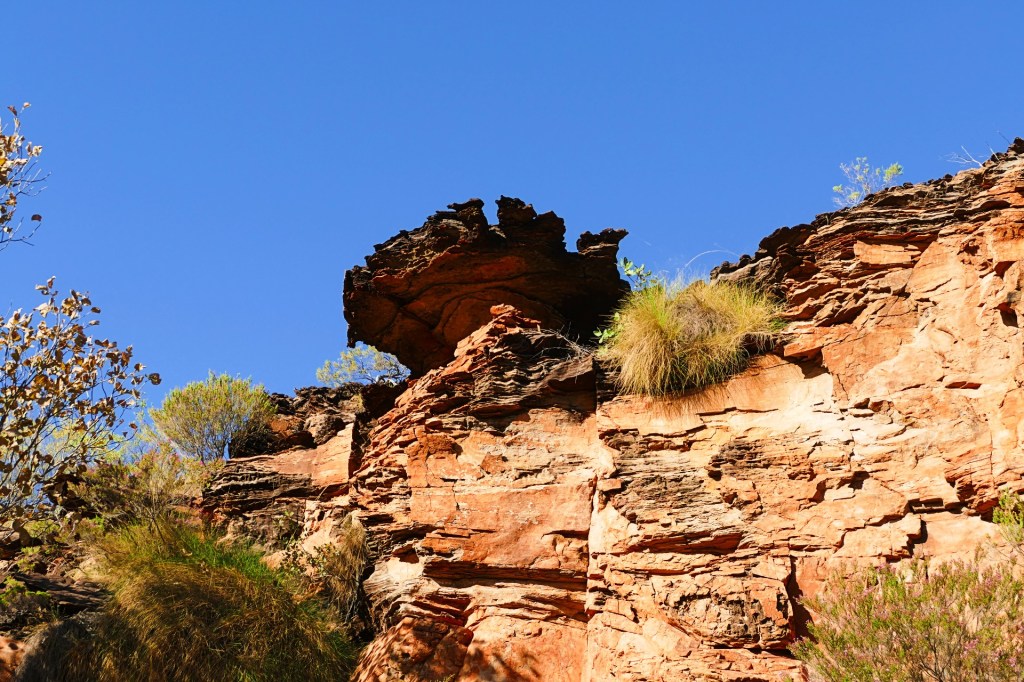
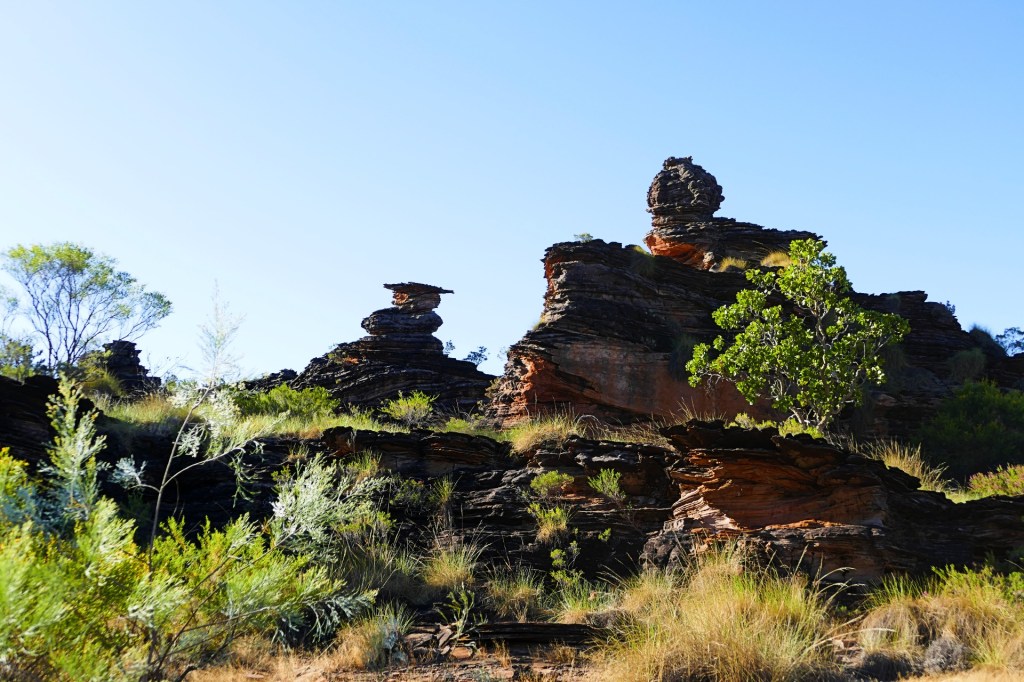


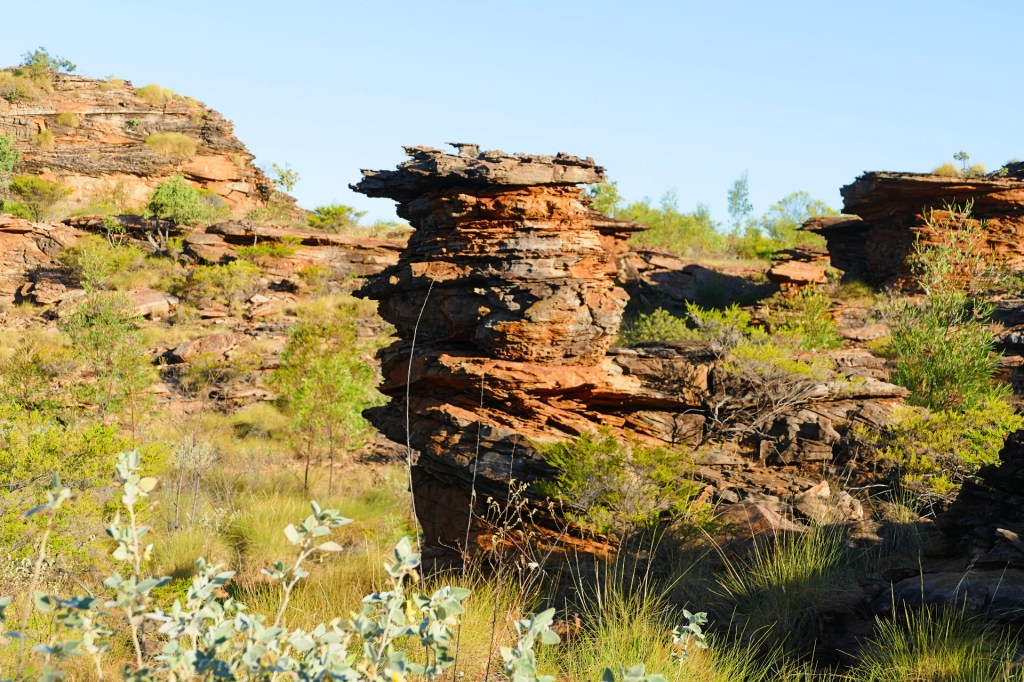
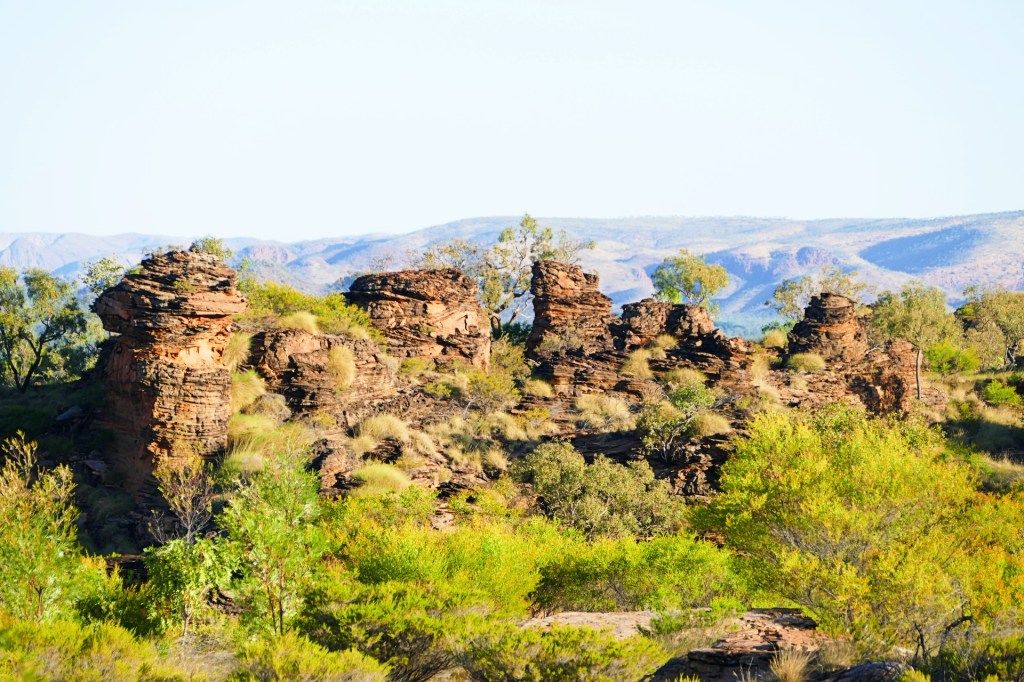
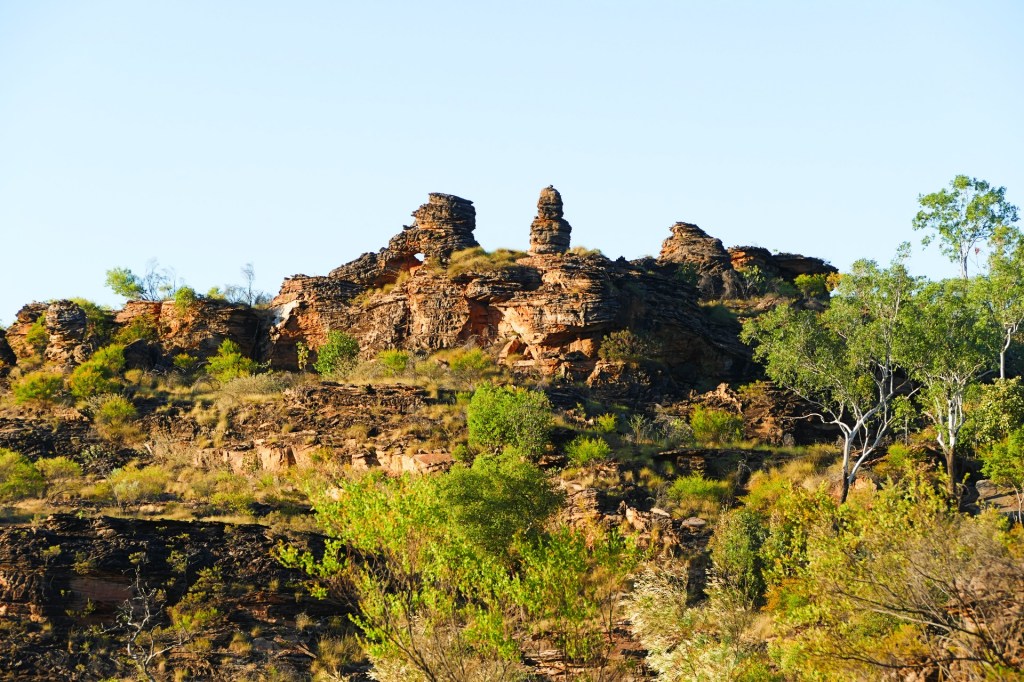
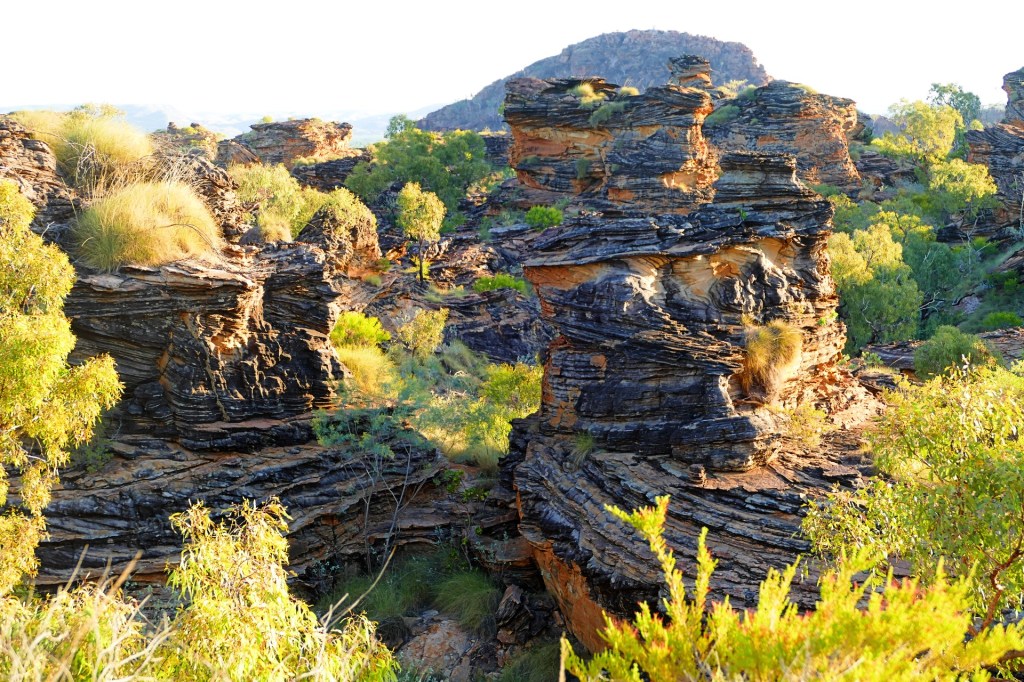
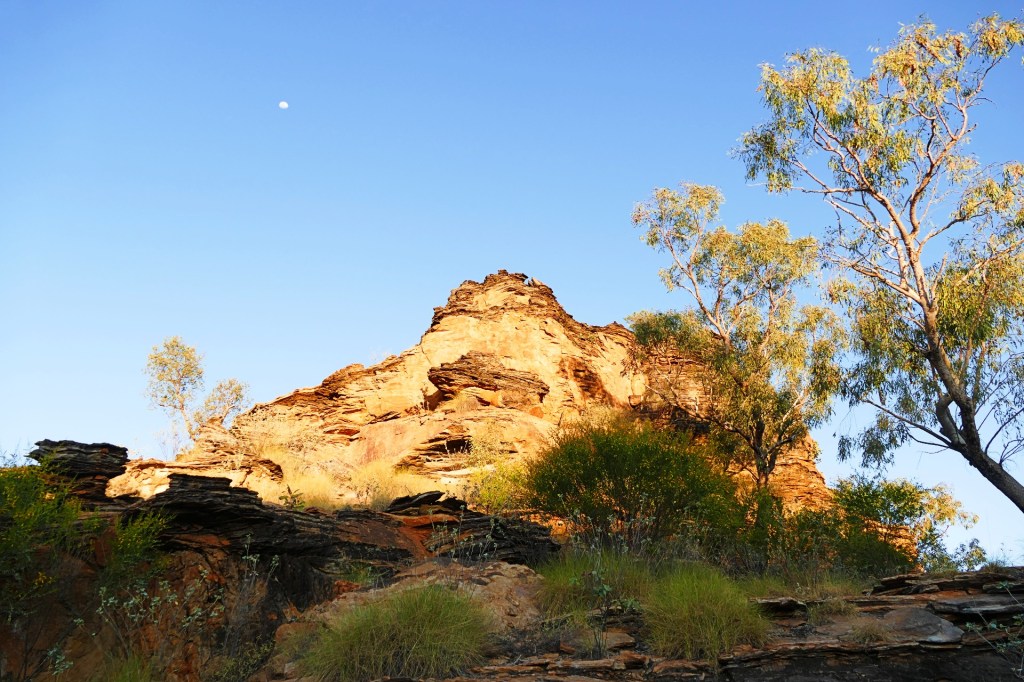
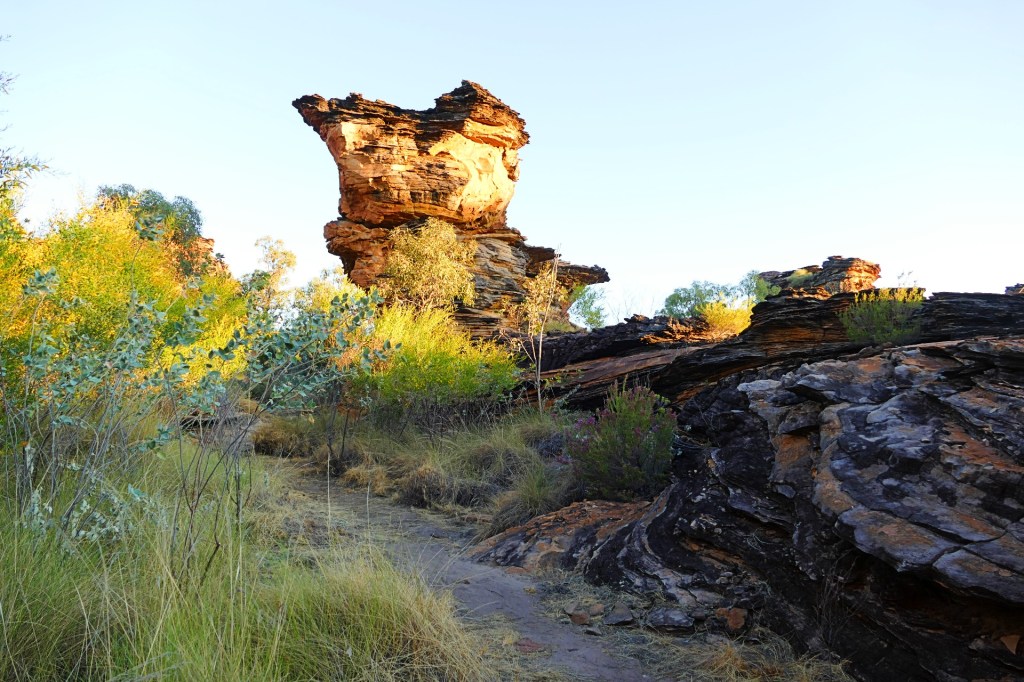
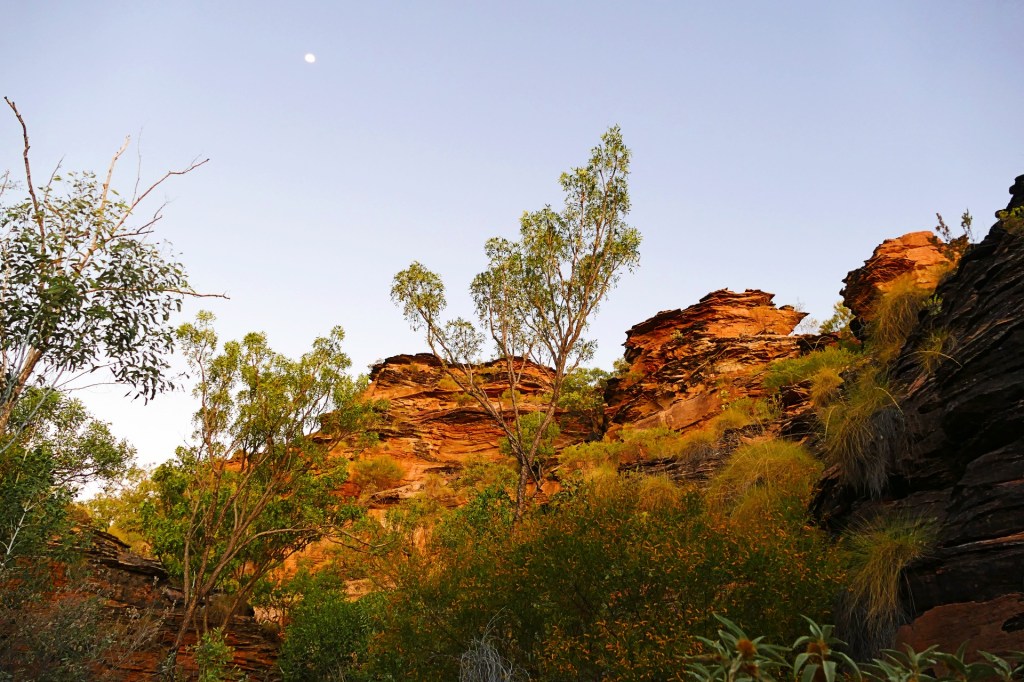
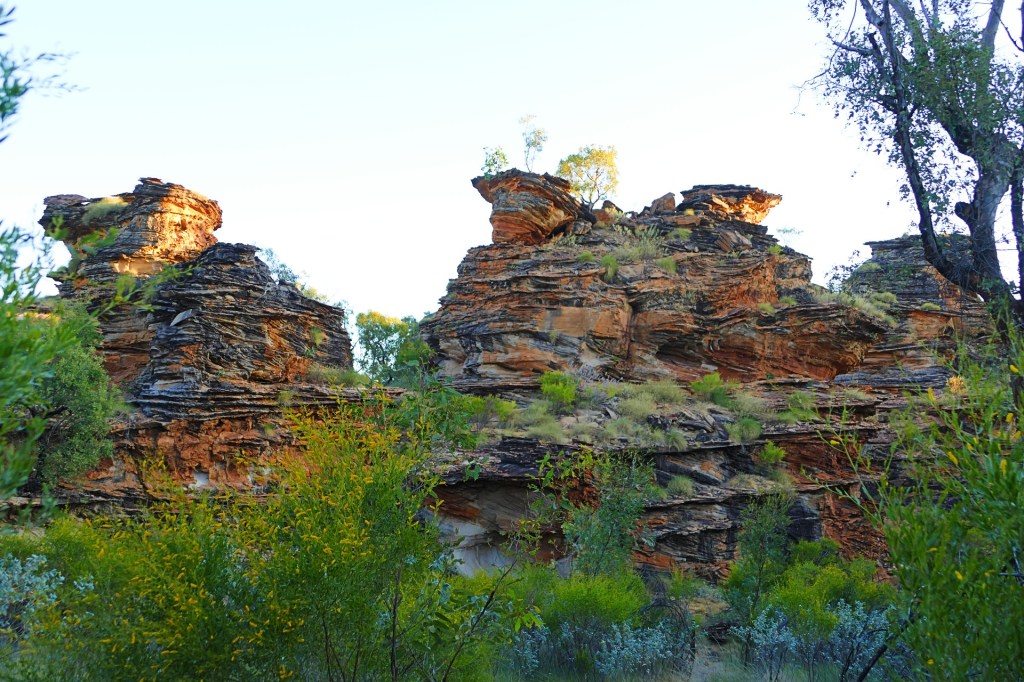
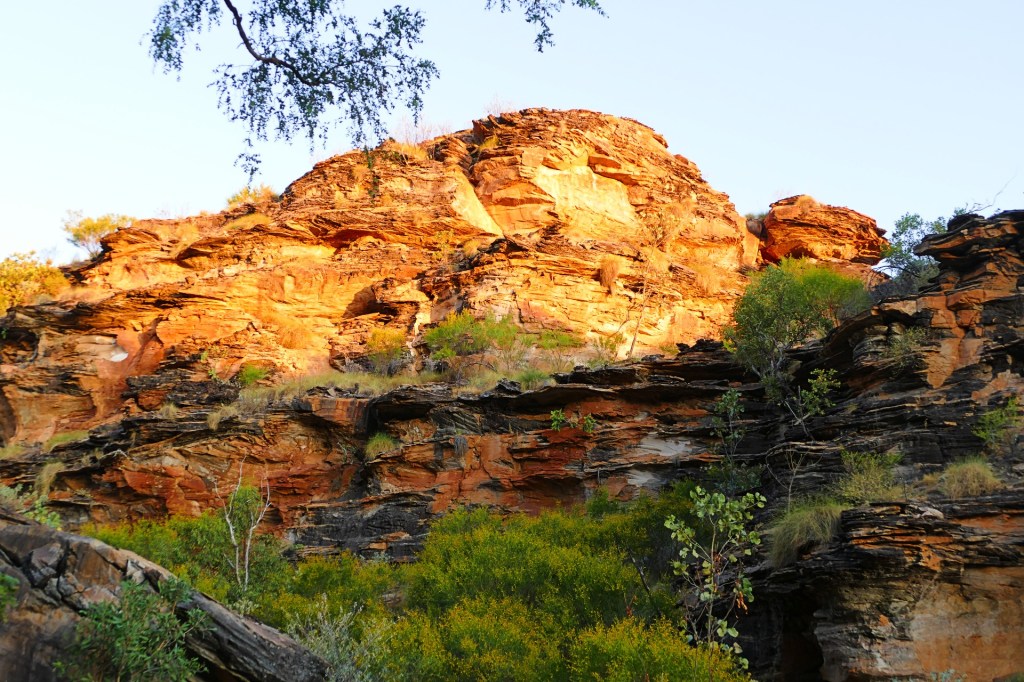
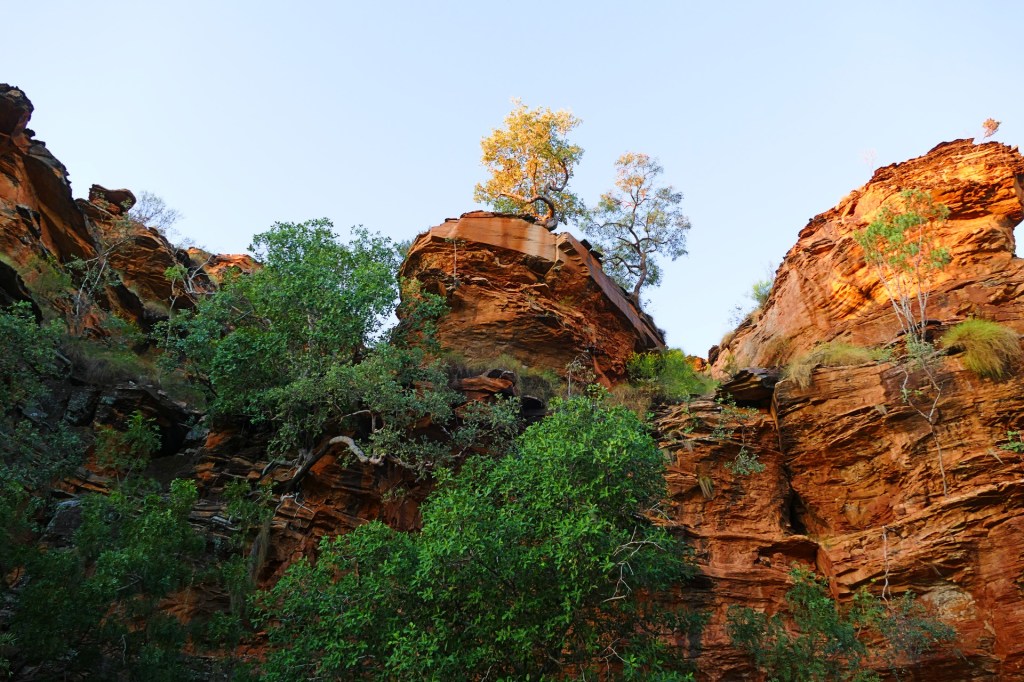
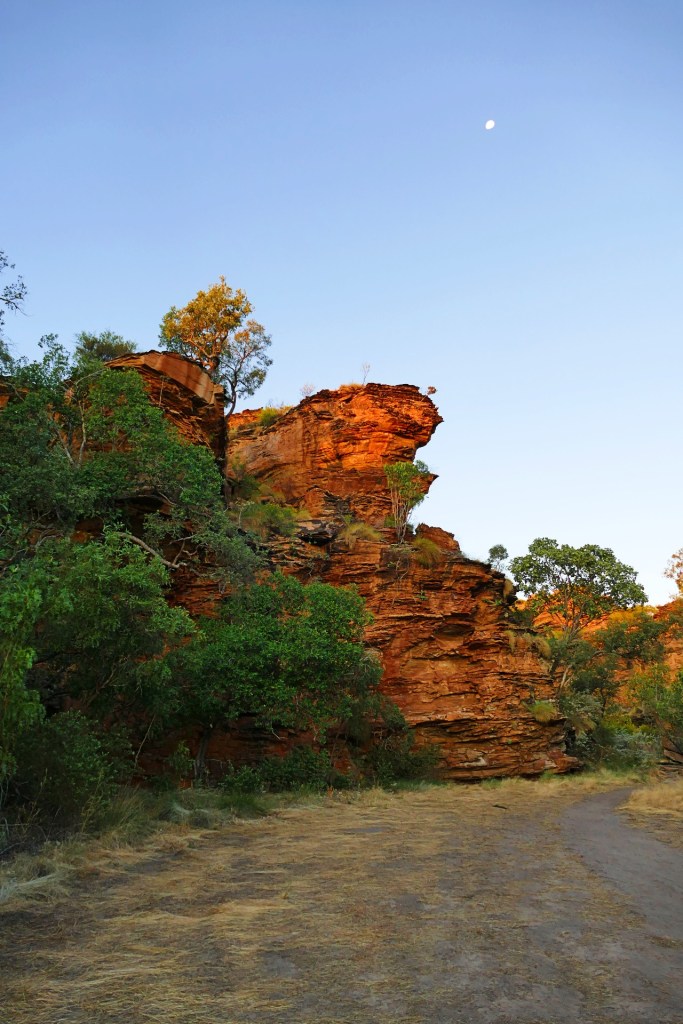
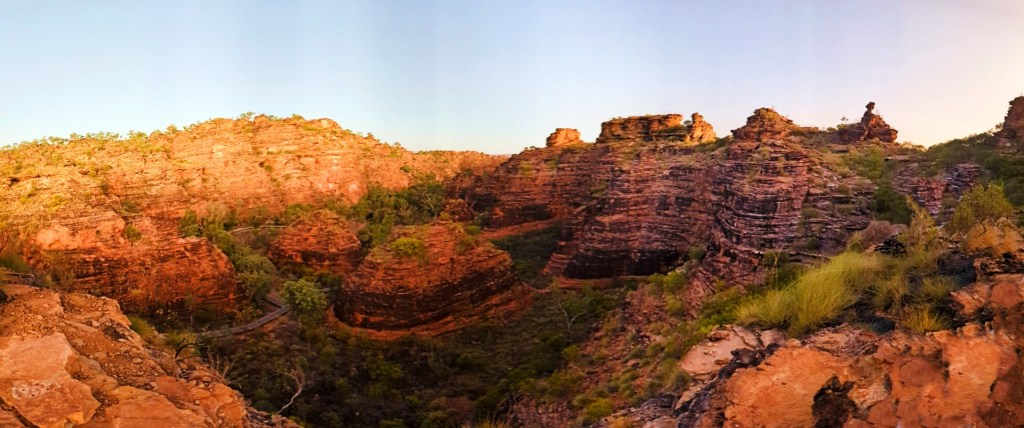
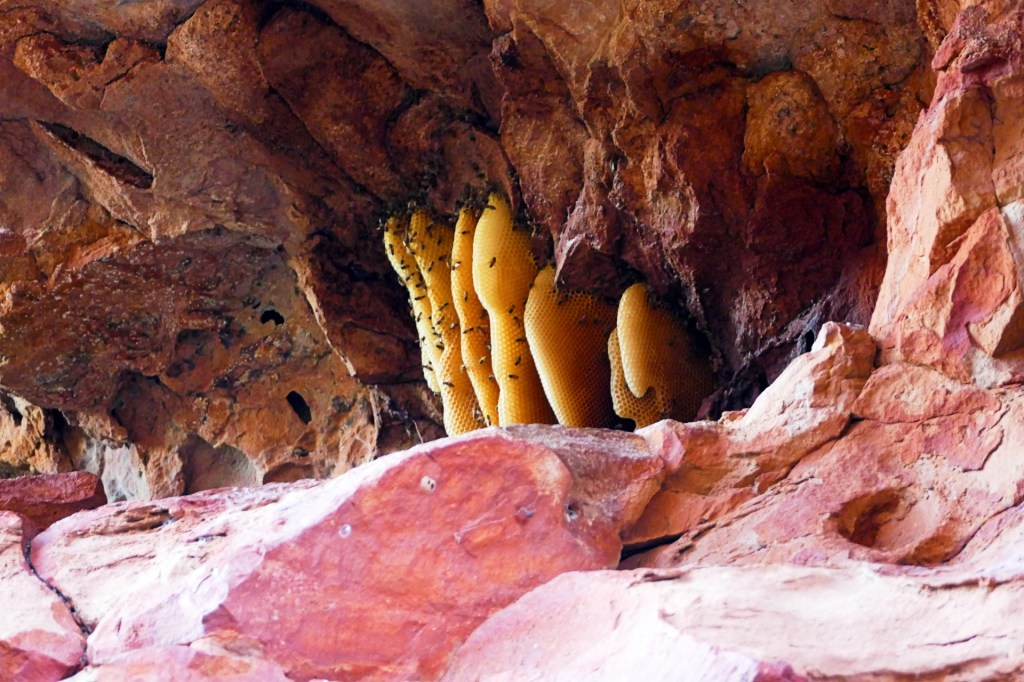
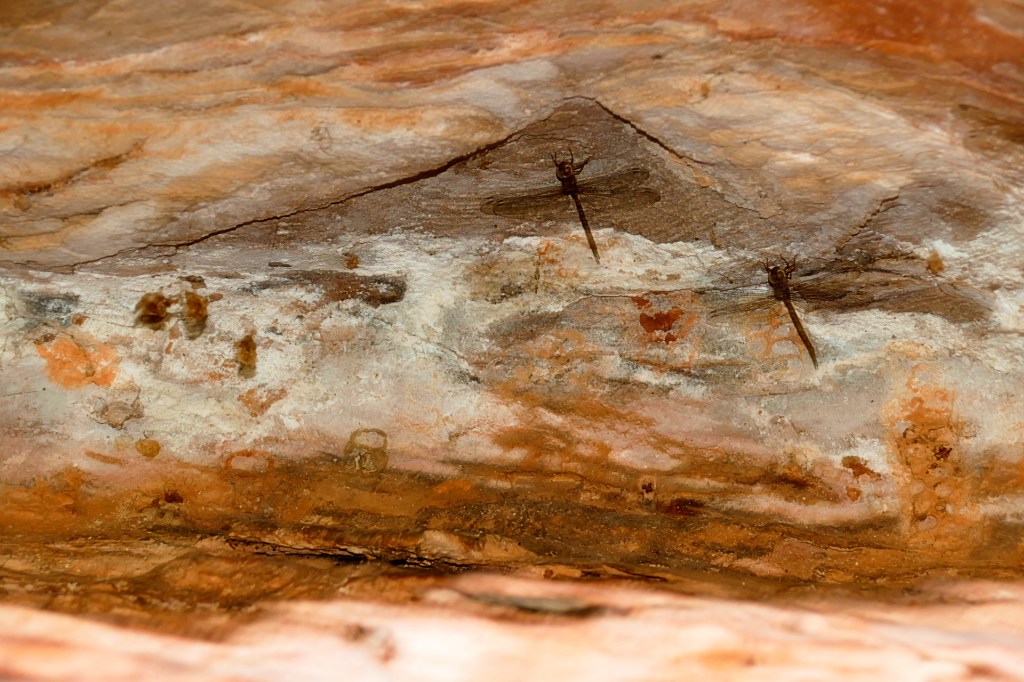
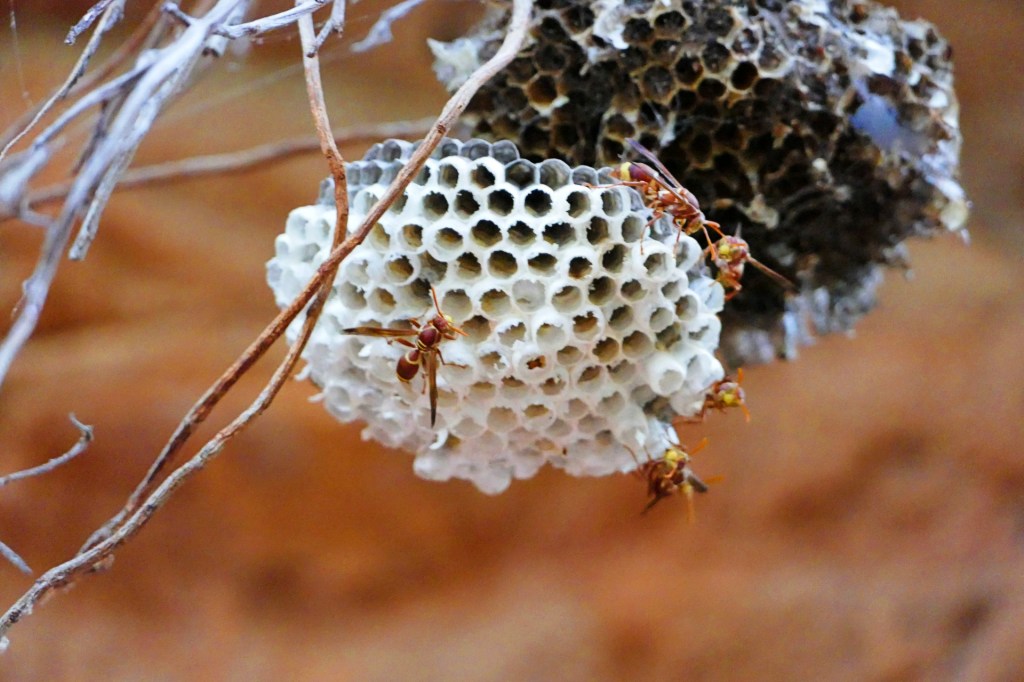
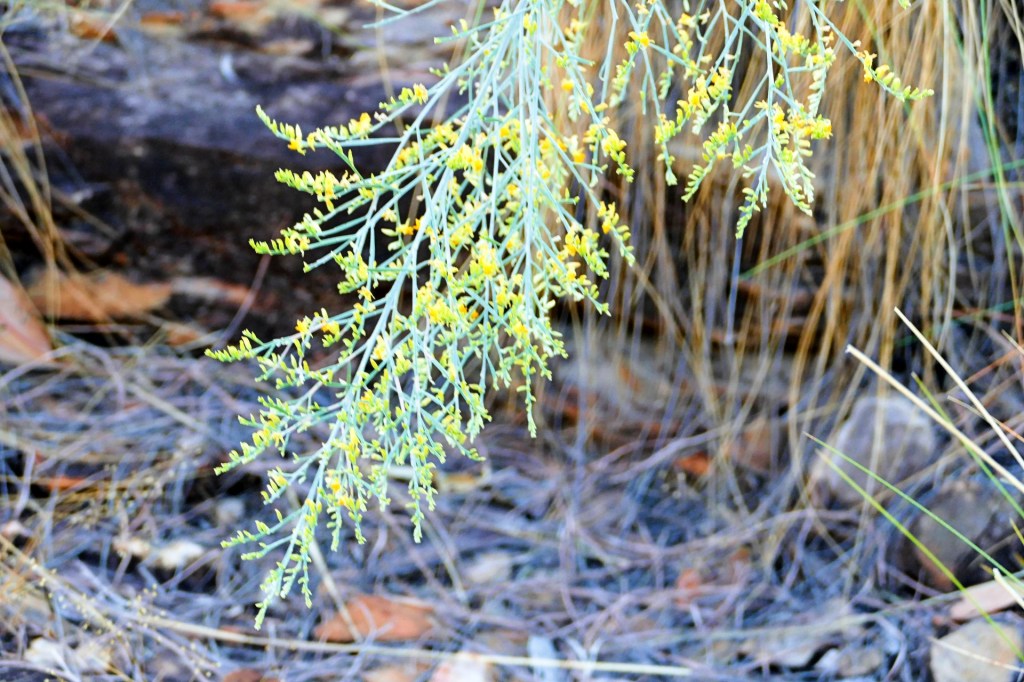
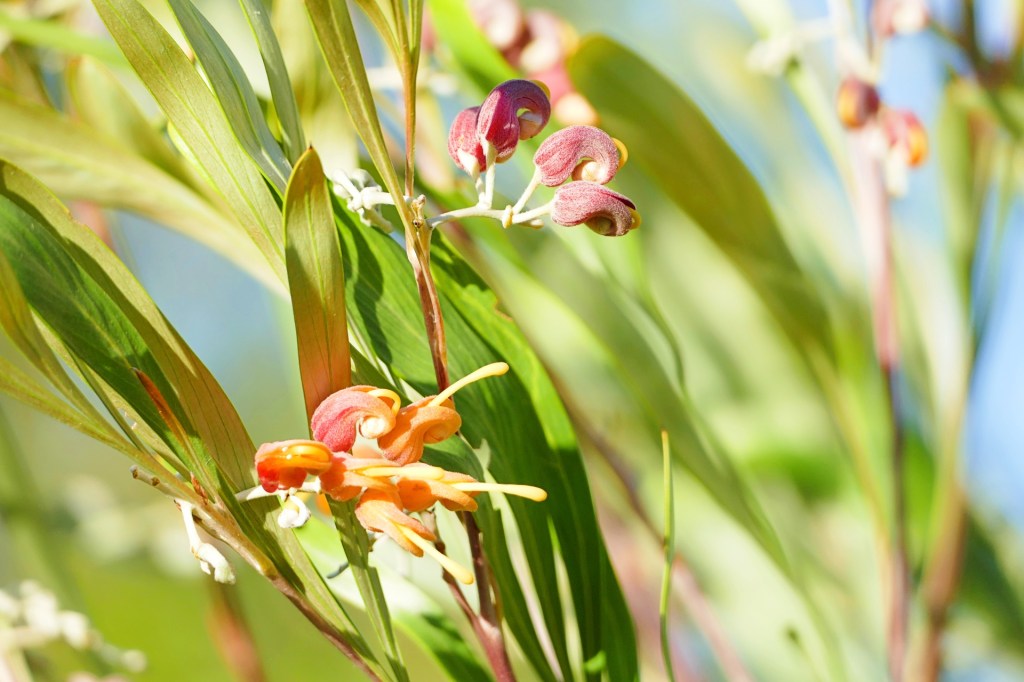
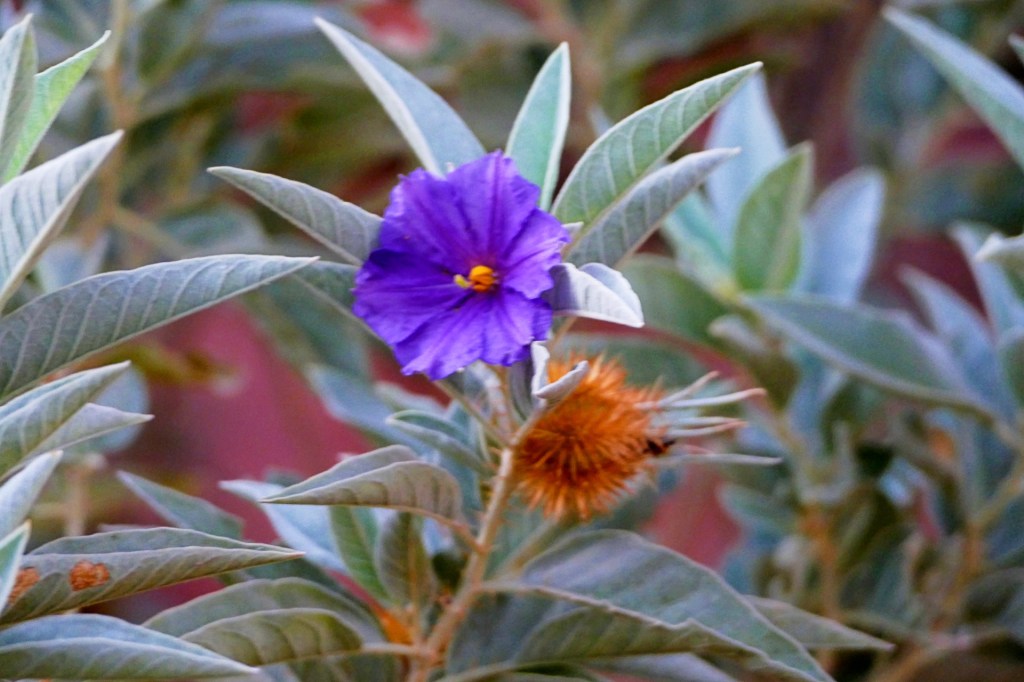
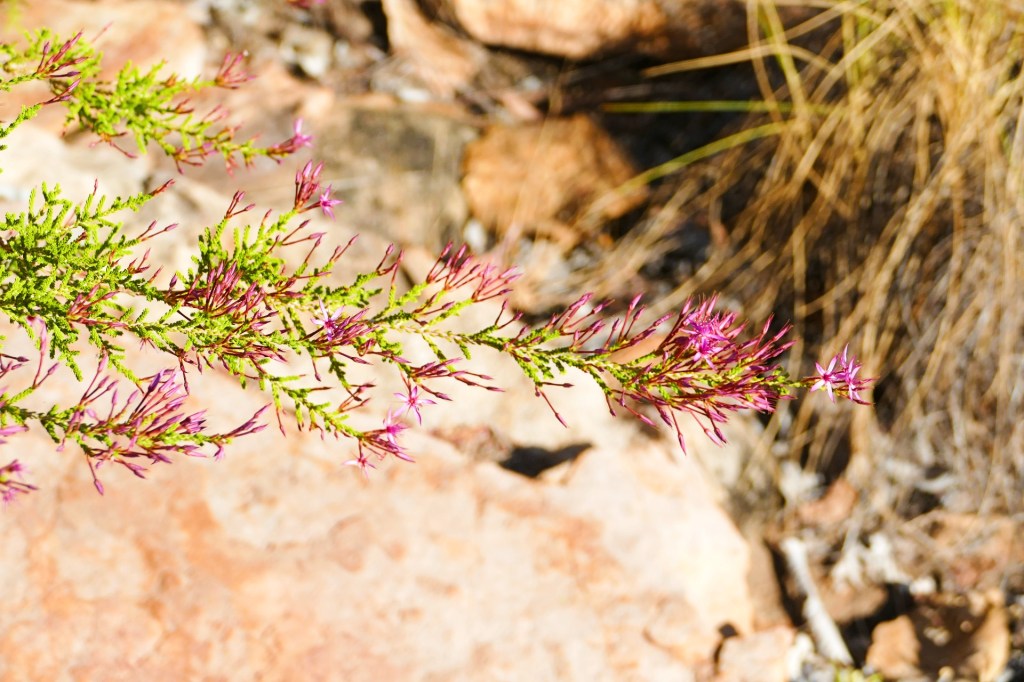
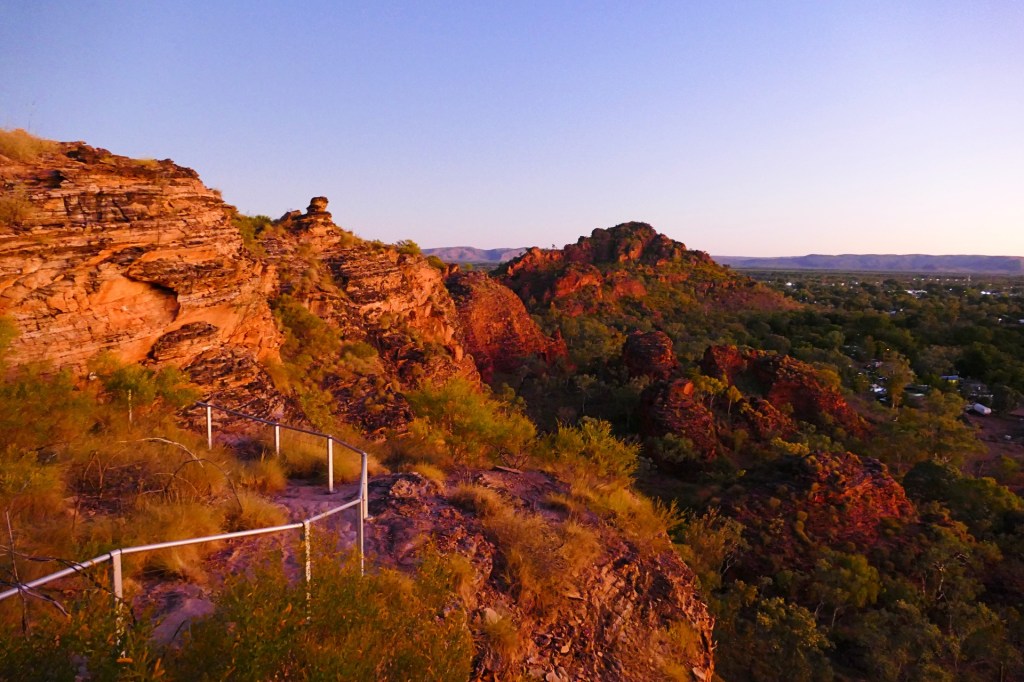
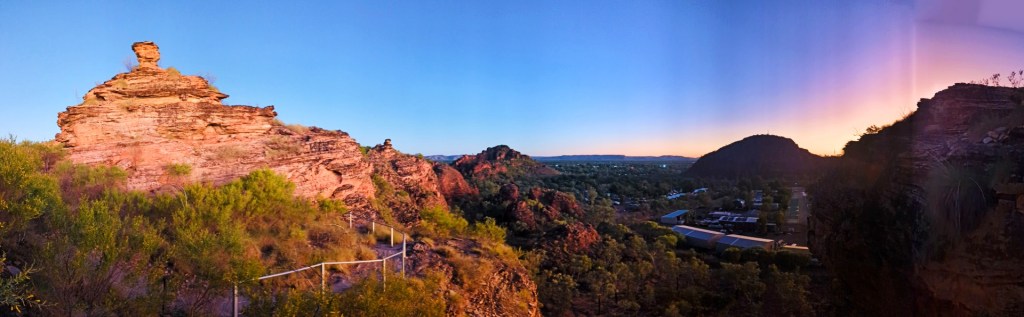
We saved the last walk for sunset, the Derdbe-Gerring Banan Walk, For looking out trail. This walk lead to a lookout over Kununurra and surrounding areas. It was quite spectacular at sunset.
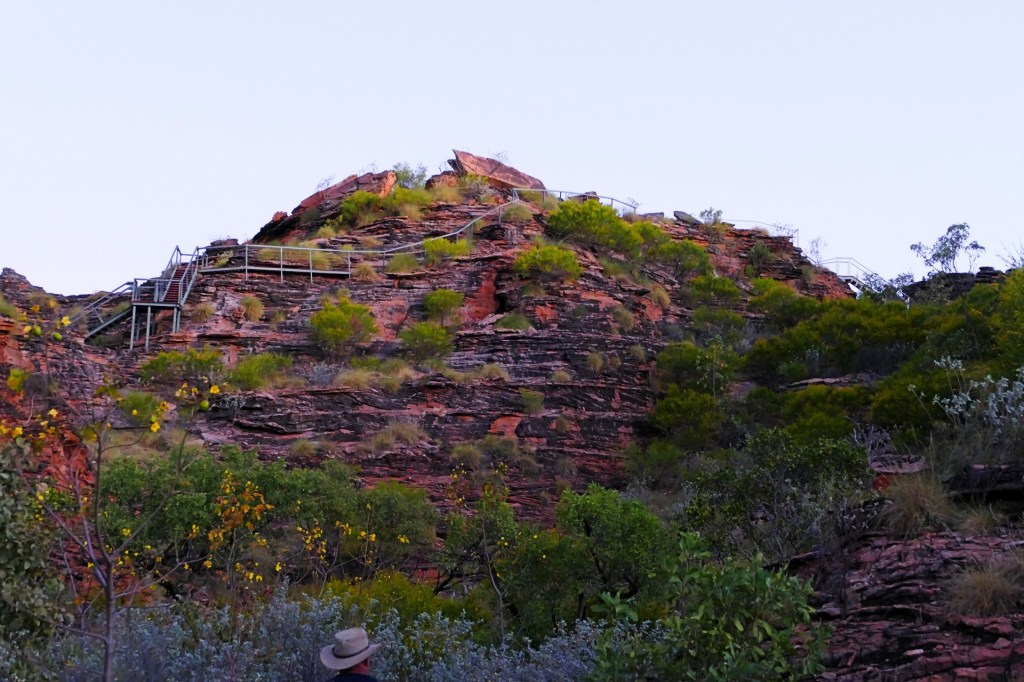
Day 166, Monday the 11th July, 2022
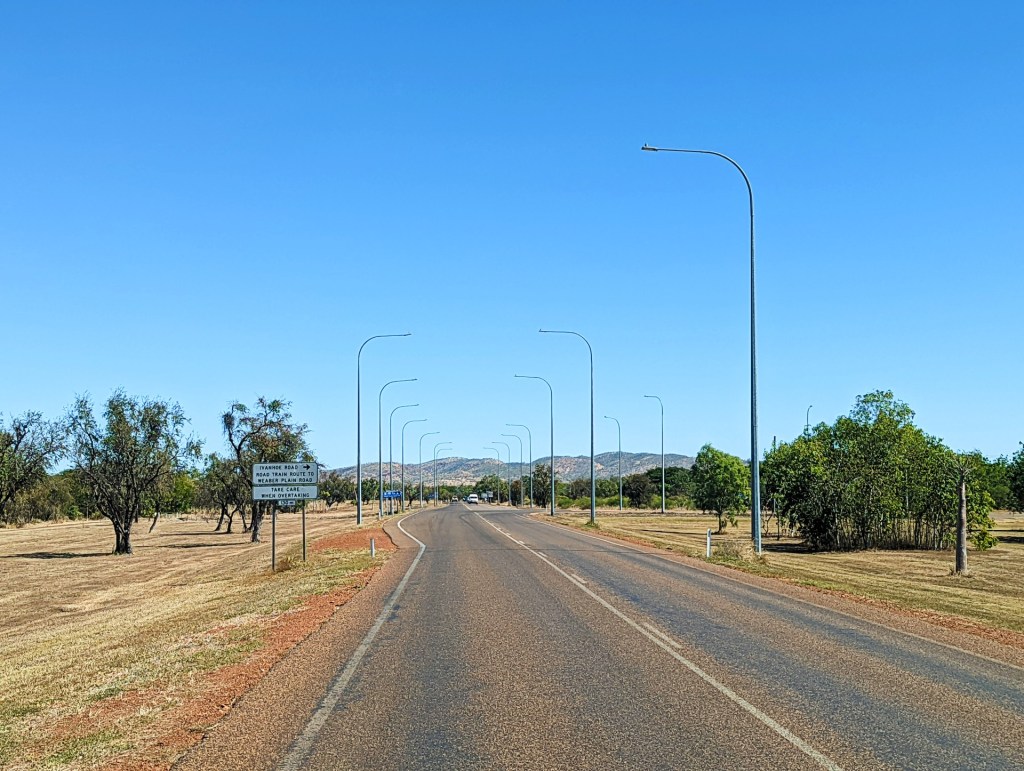
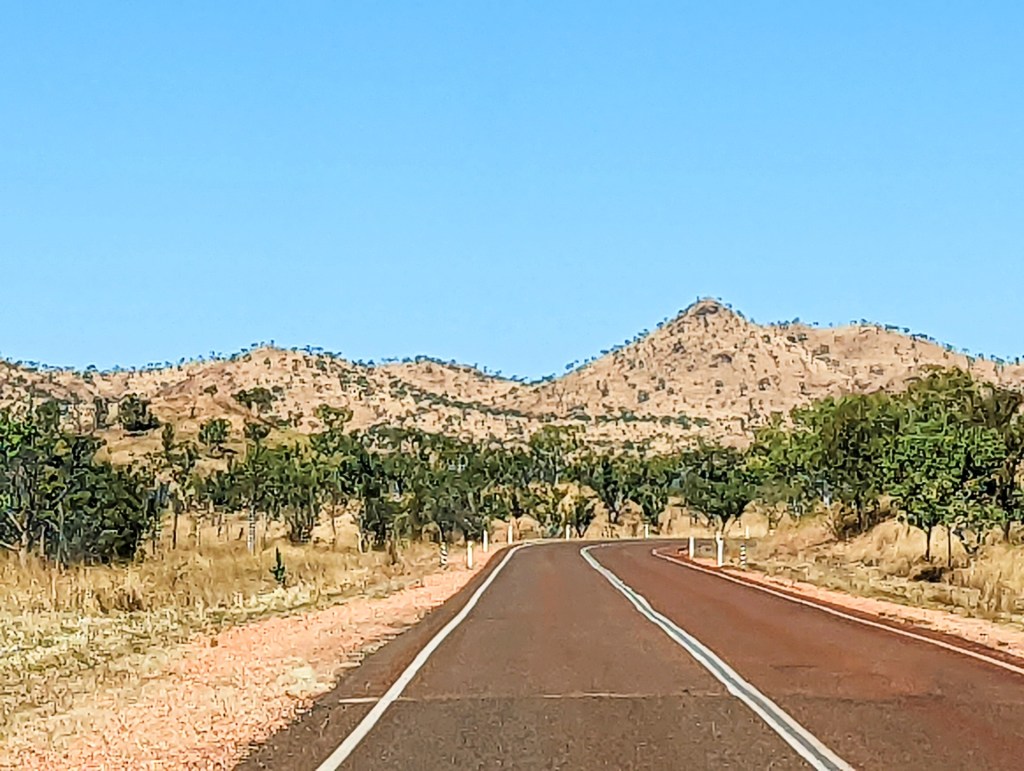
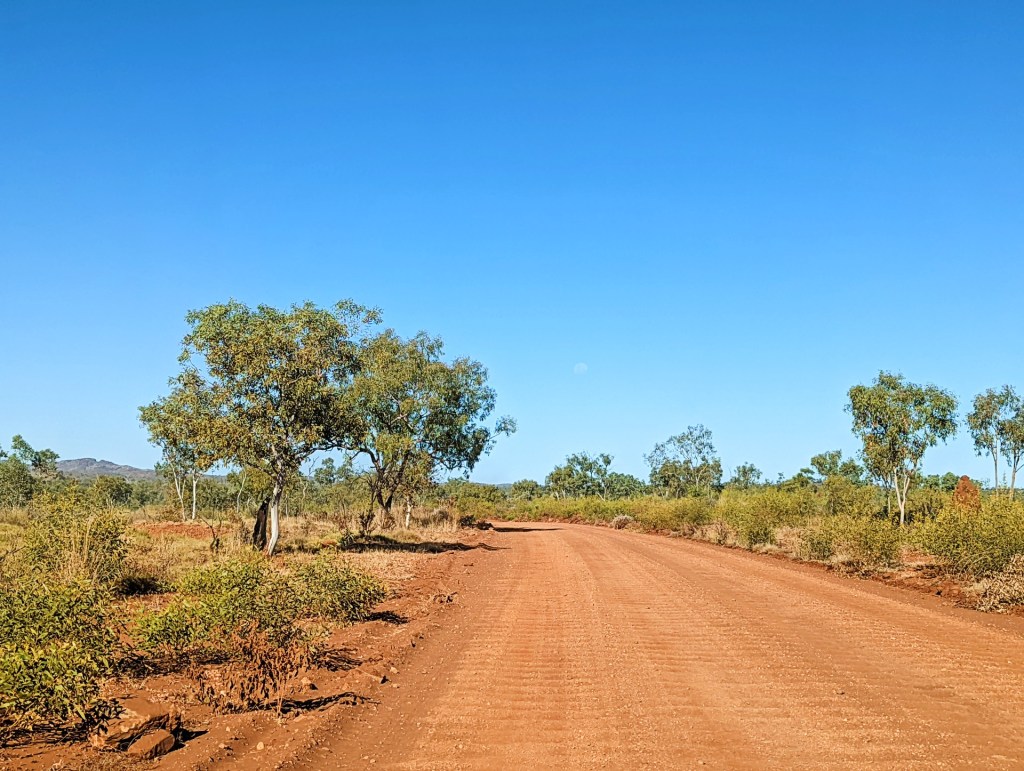
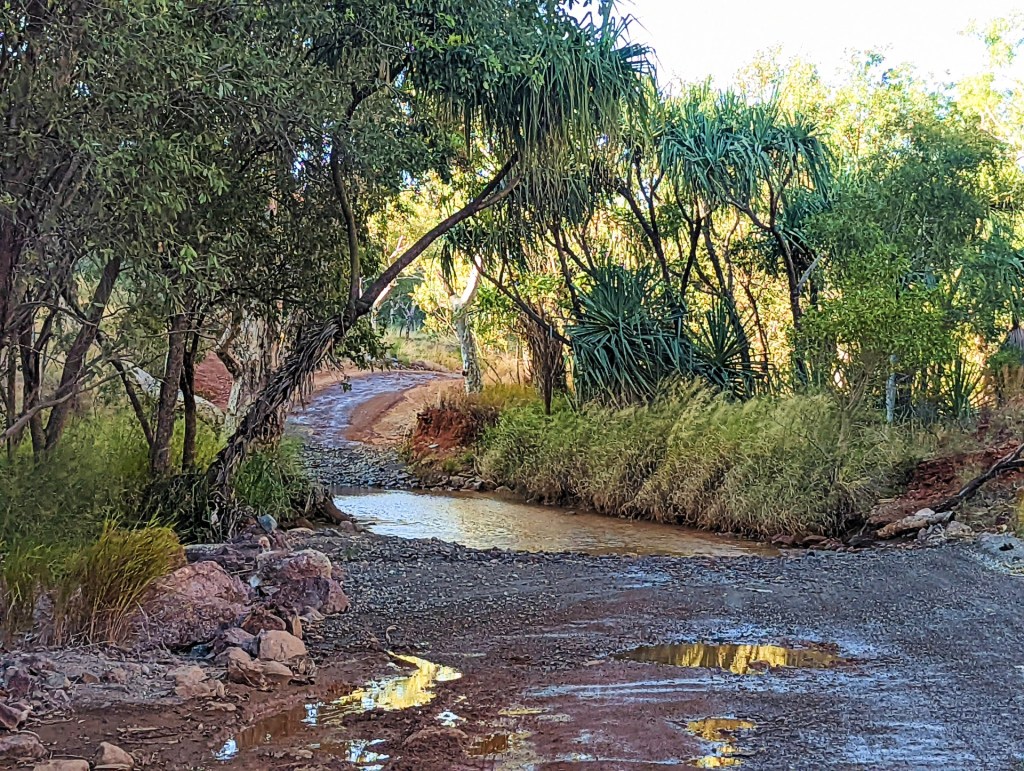
We leave Kununurra today and head for Purnululu National Park, where the Bungle Bungle rock formations are. The road to the park is through Mable Downs Station, the road in had a few corrugations, was a bit rocky and had lots of river crossings, but was not too bad.
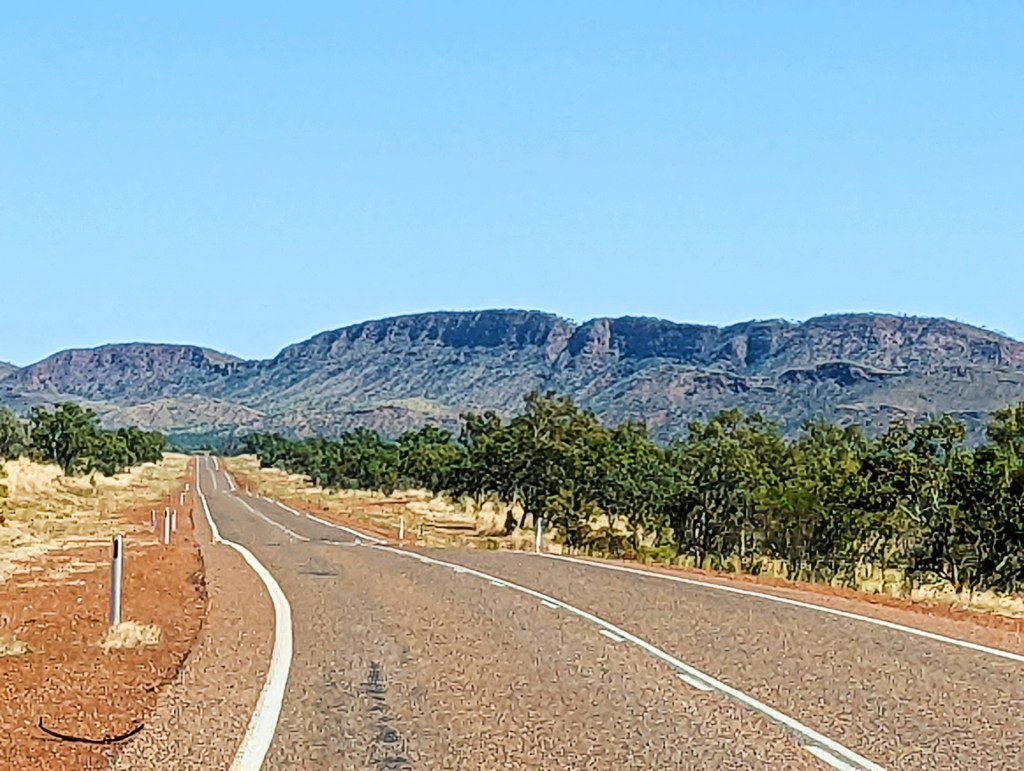

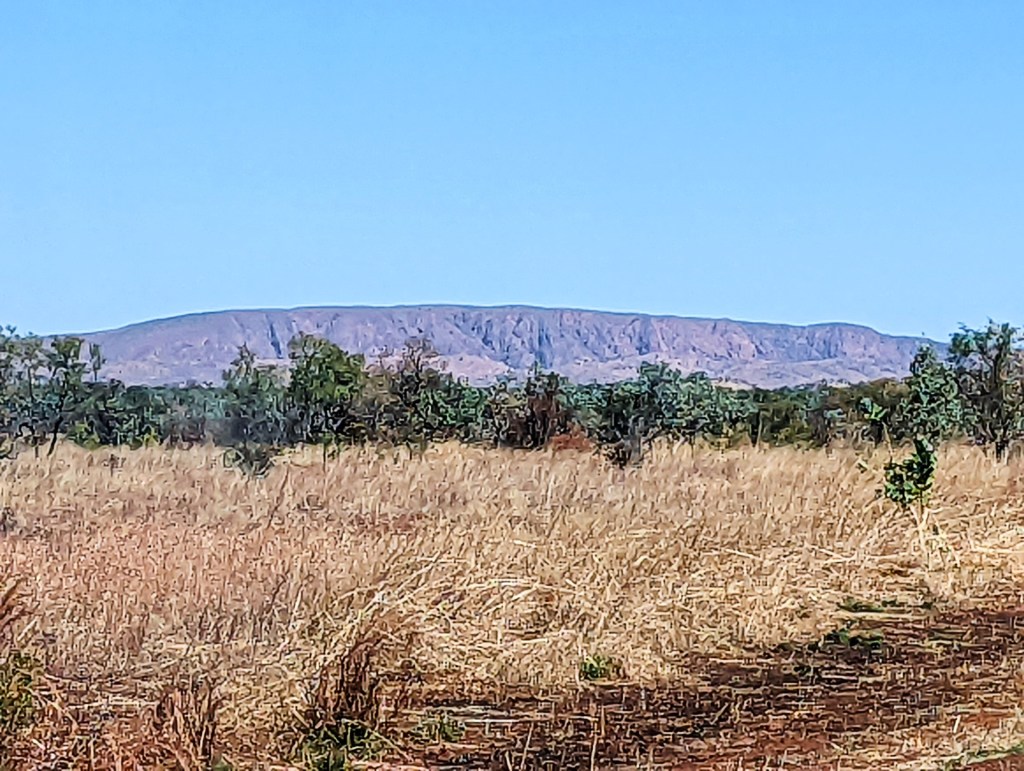
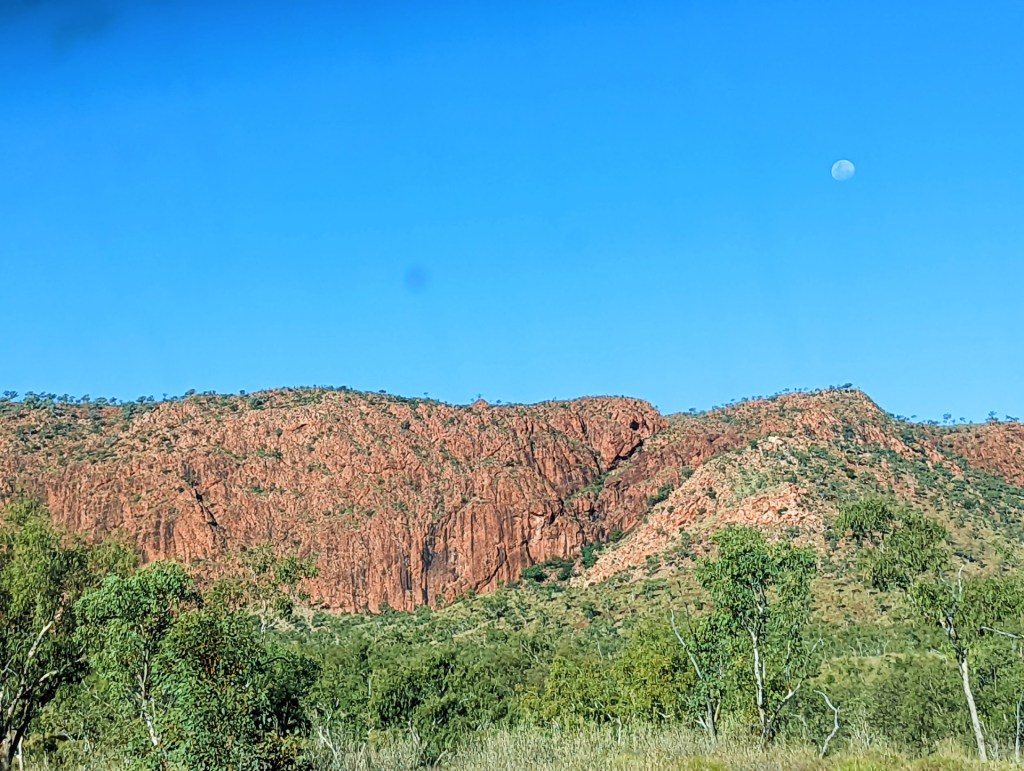
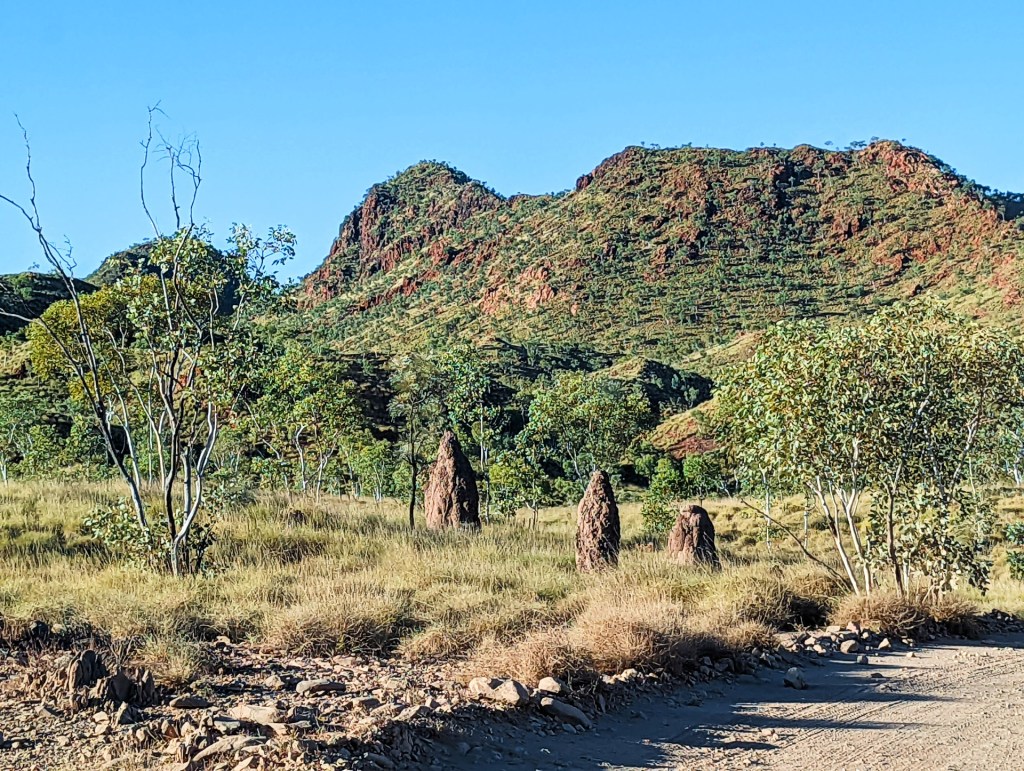
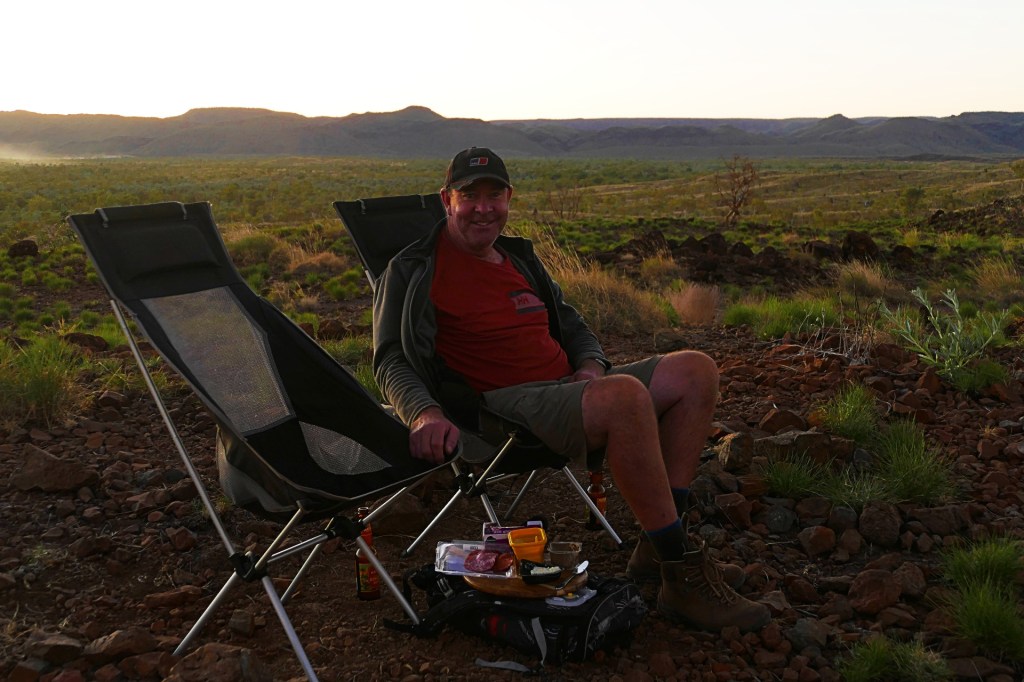
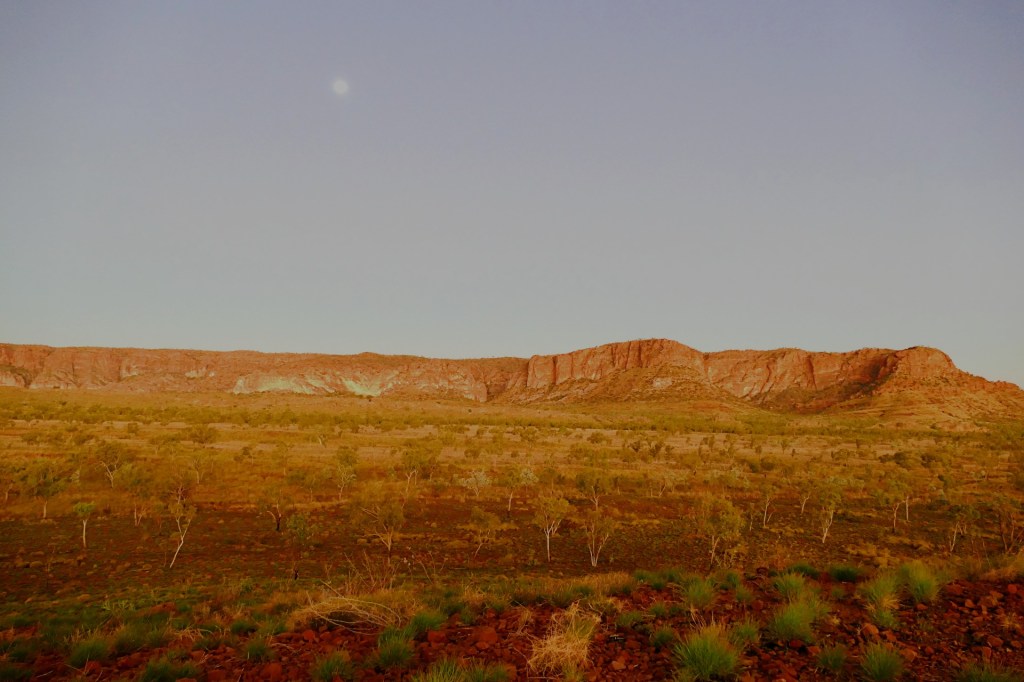
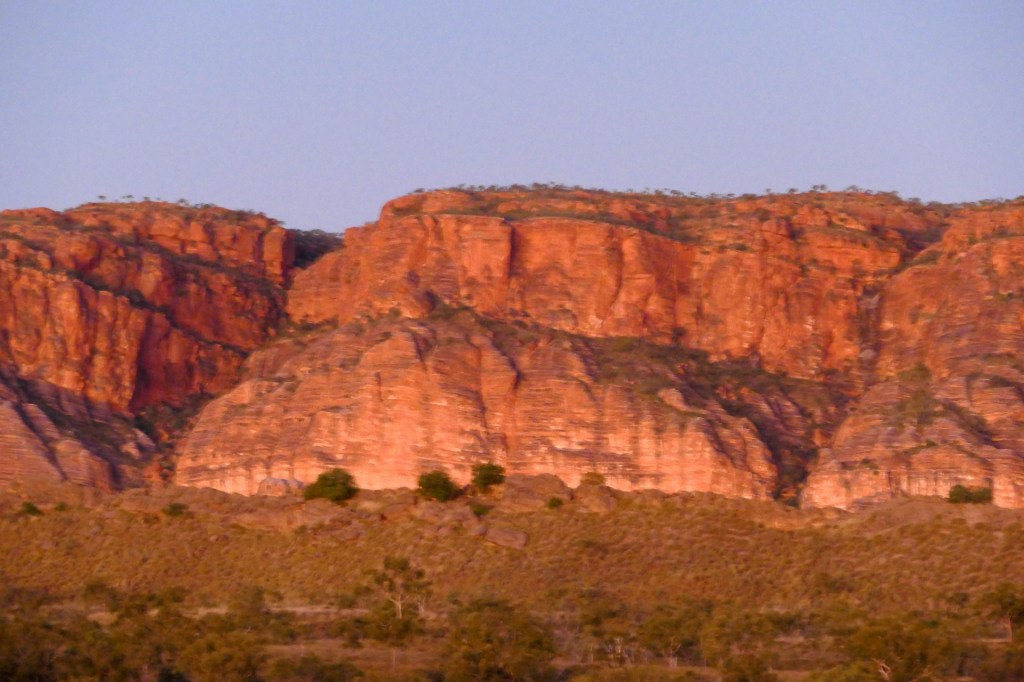
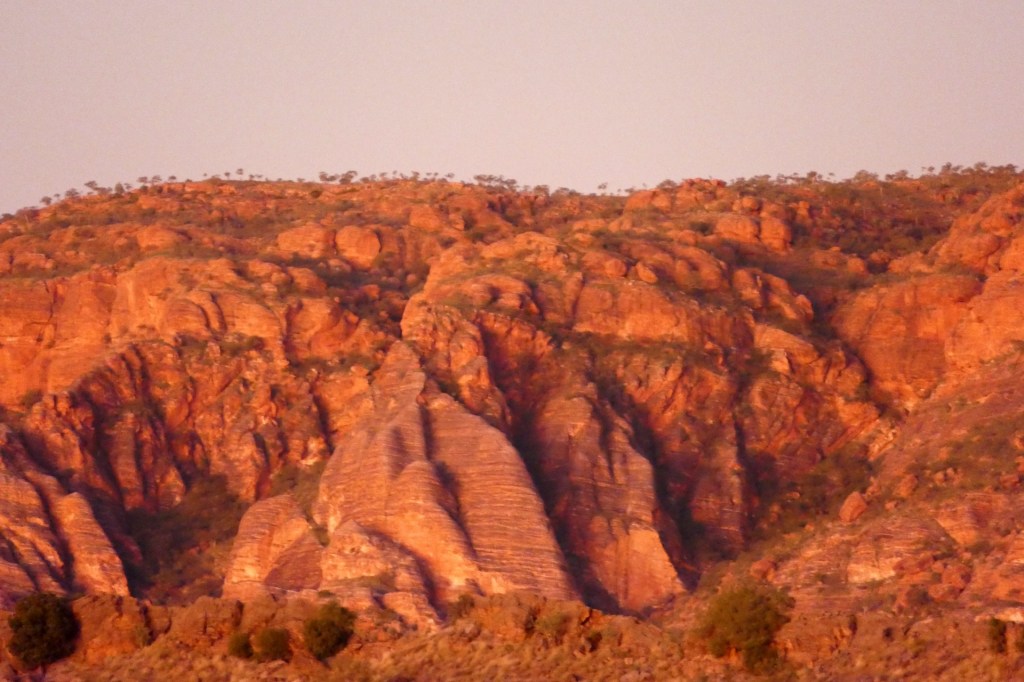
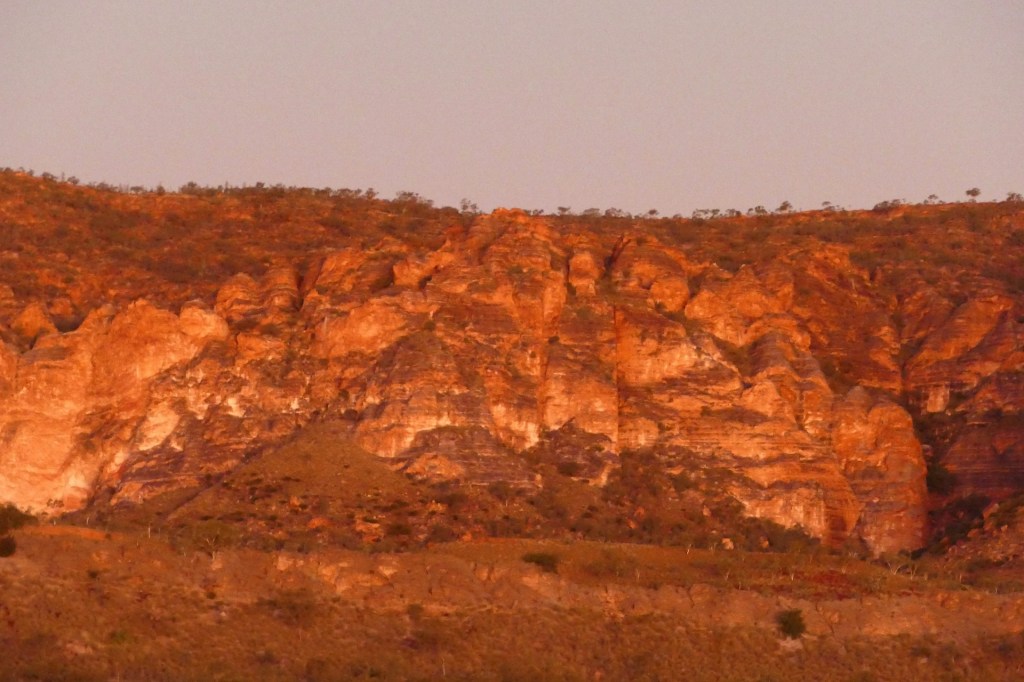
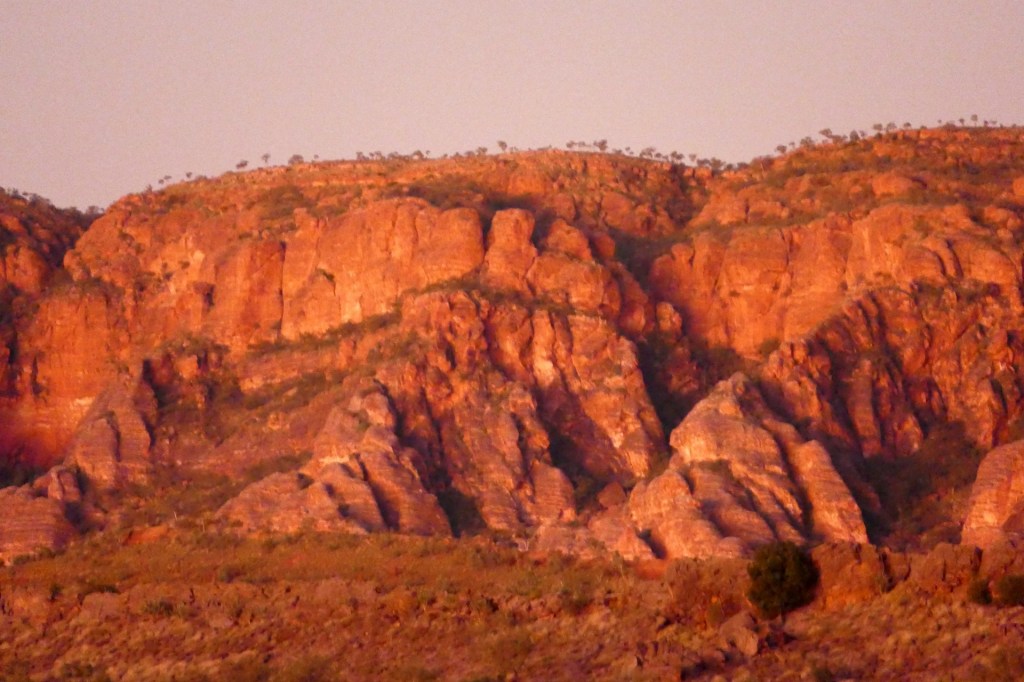
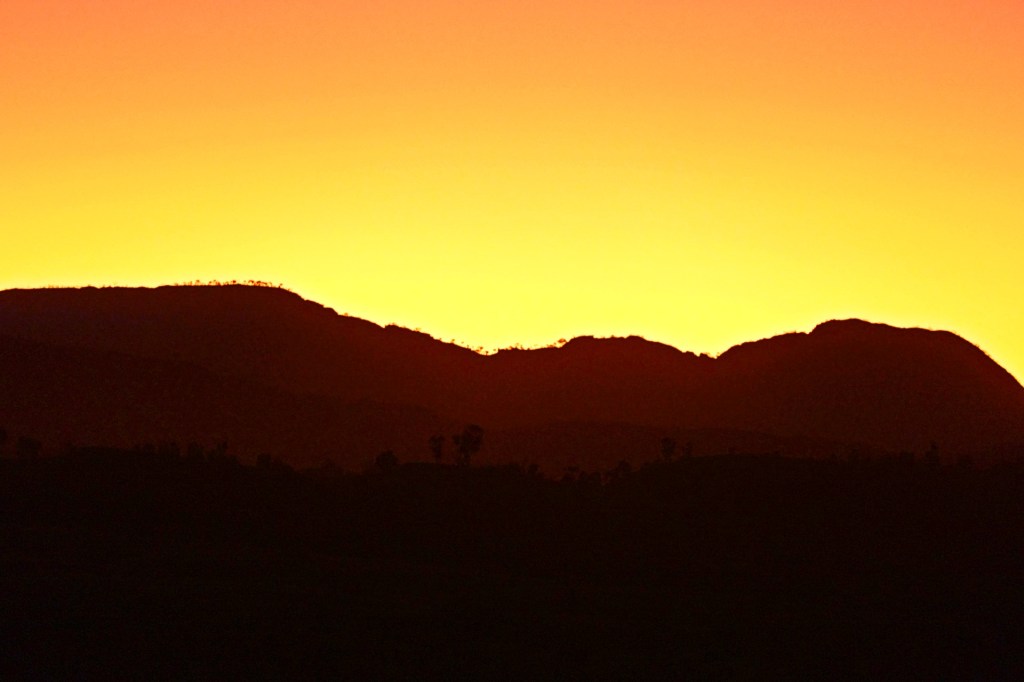
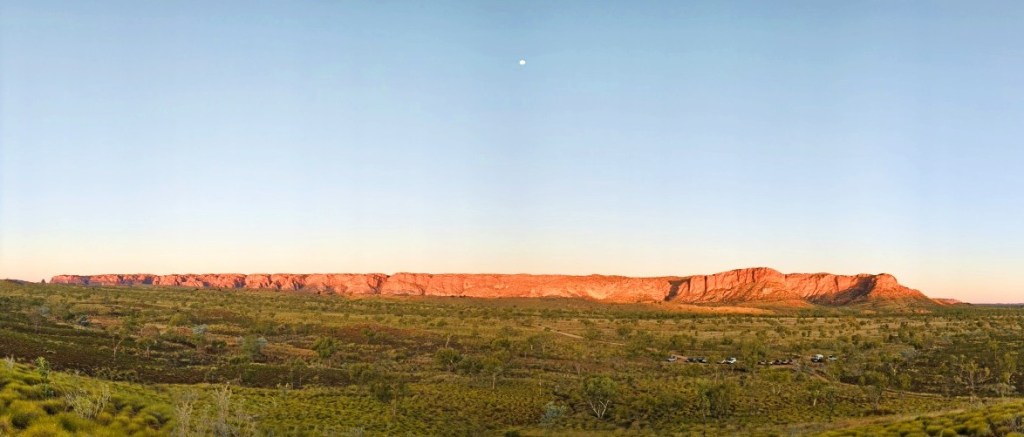
We arrived at Purnululu National Park just before sunset, so we grabbed some cheese, bickies and our chairs and headed straight to the Kungkalanayi Lookout. The sunset over the cliffs was spectacular, the cliff faces turned bright red, they looked like molten rock.

Day 167, Tuesday the 12th July, 2022
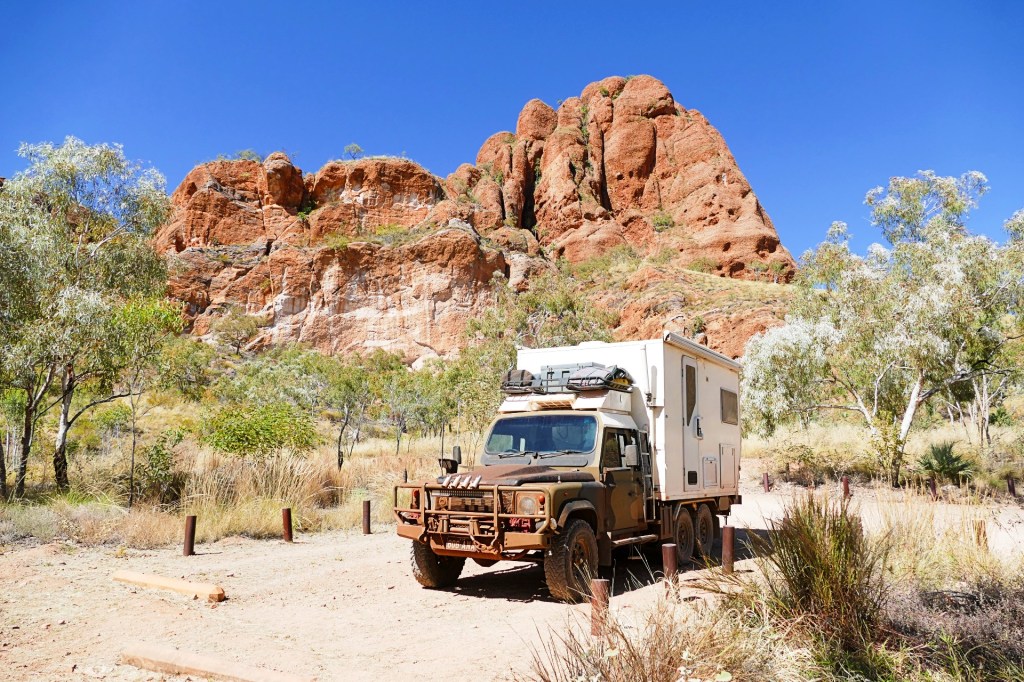
We spent the night at the camp ground in the national park, only 4WD motorhomes and single axle trailers and caravans are allowed on the roads in the park.
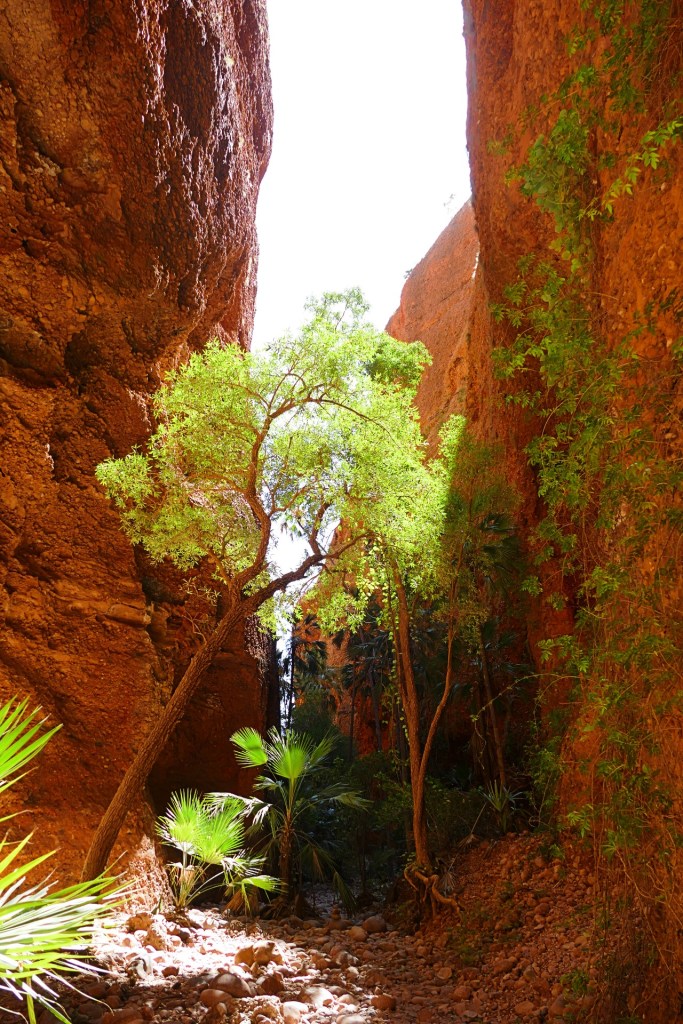
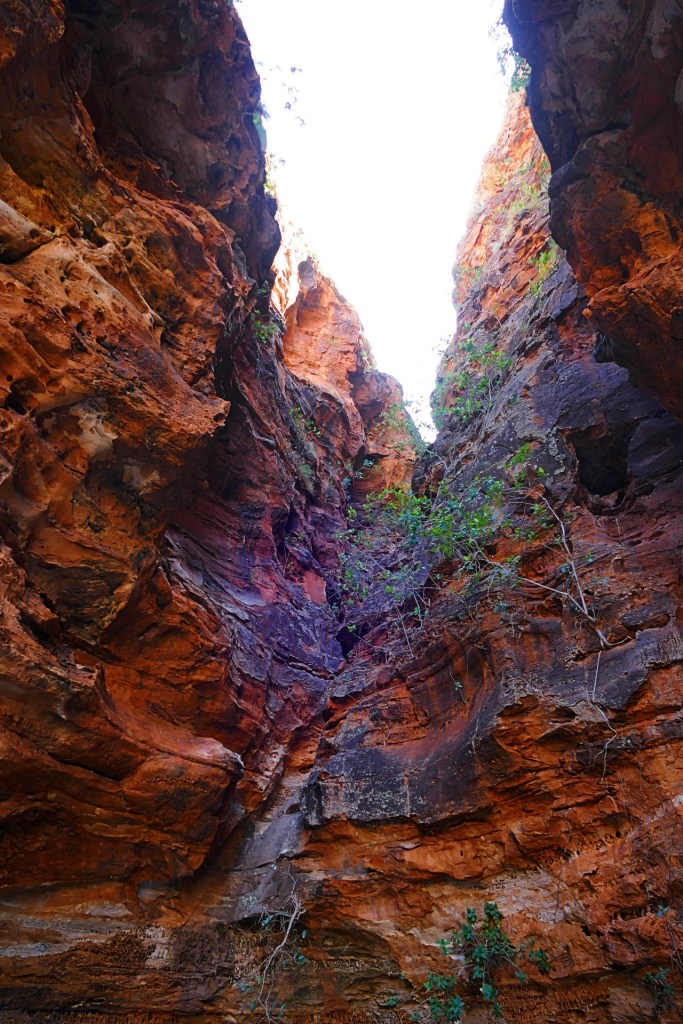
The first walk we did in the morning was the Echidna Chasm Walk. It was quite a nice walk, 1.4km return, a category 2 walk. The chasm is overwhelming with its height and the colour of the walls.
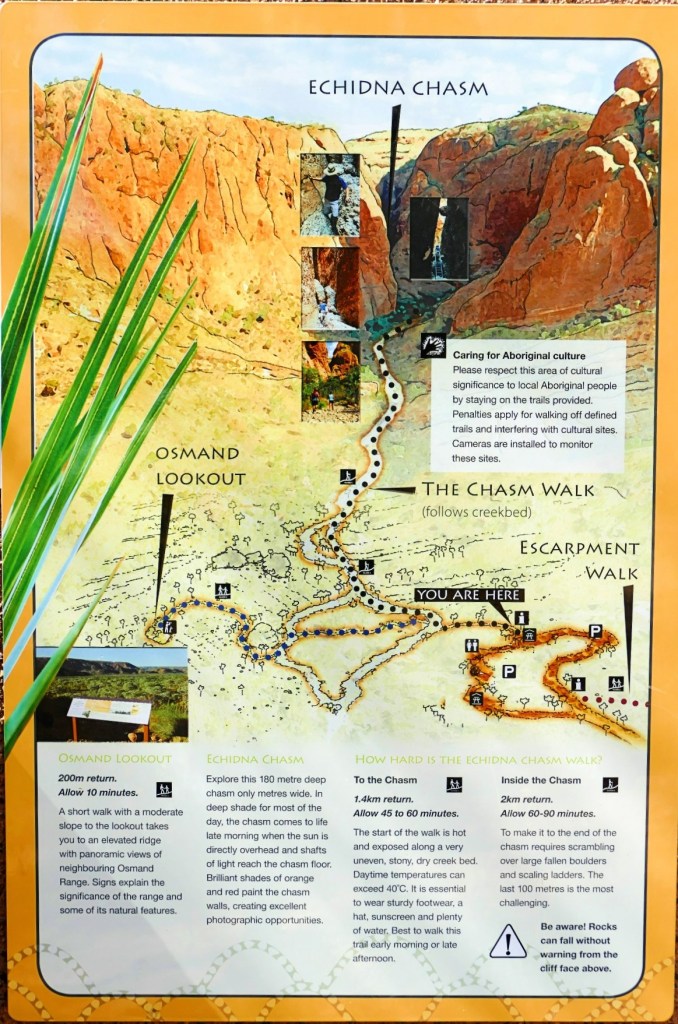
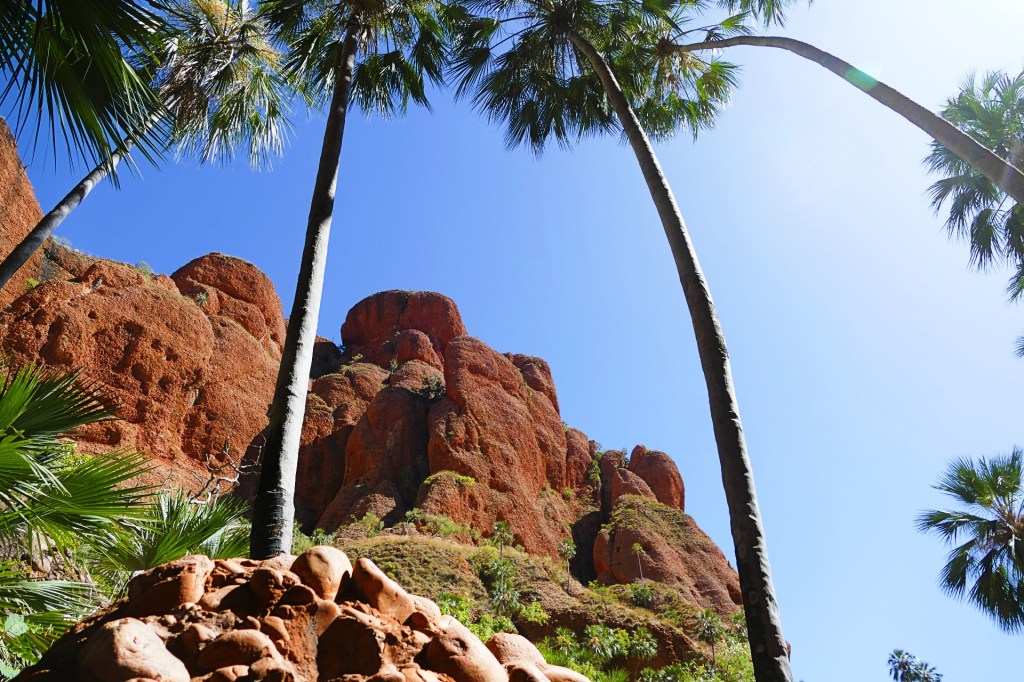

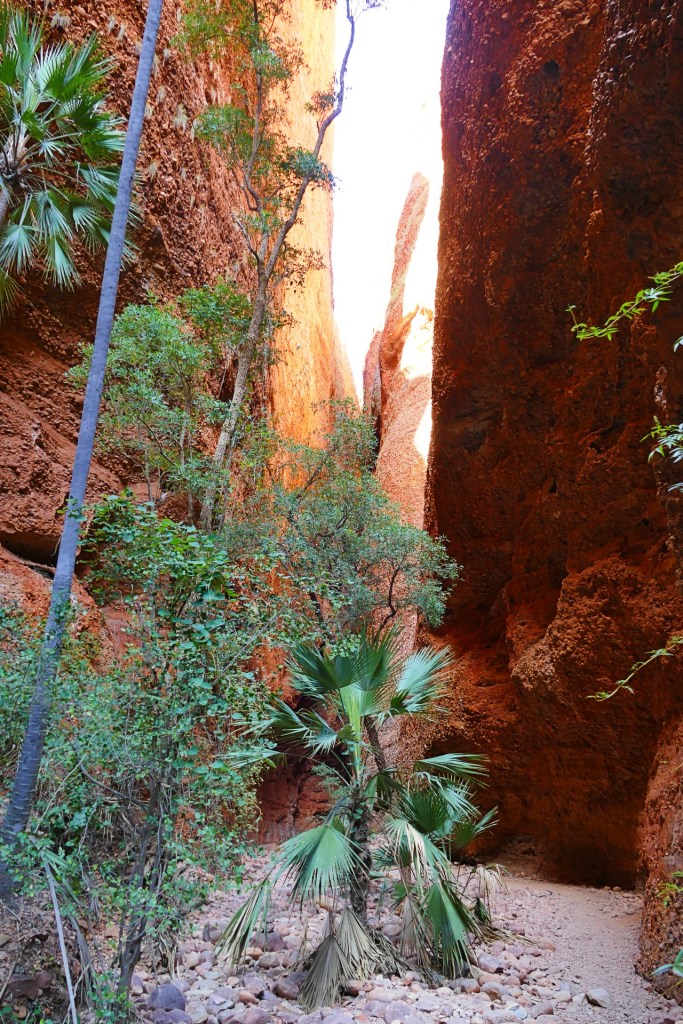
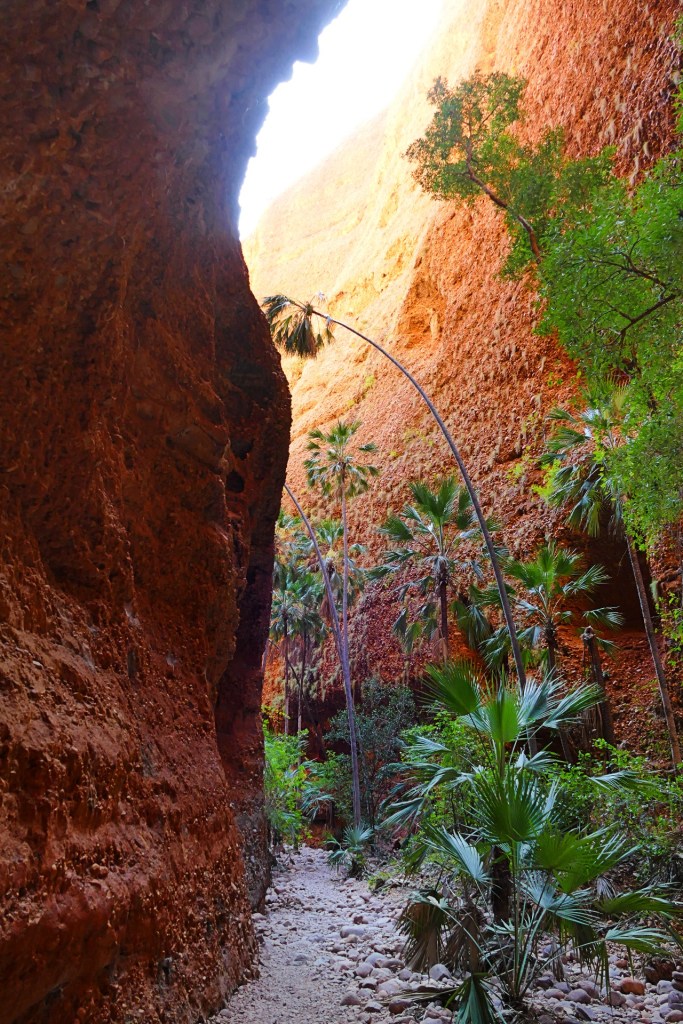
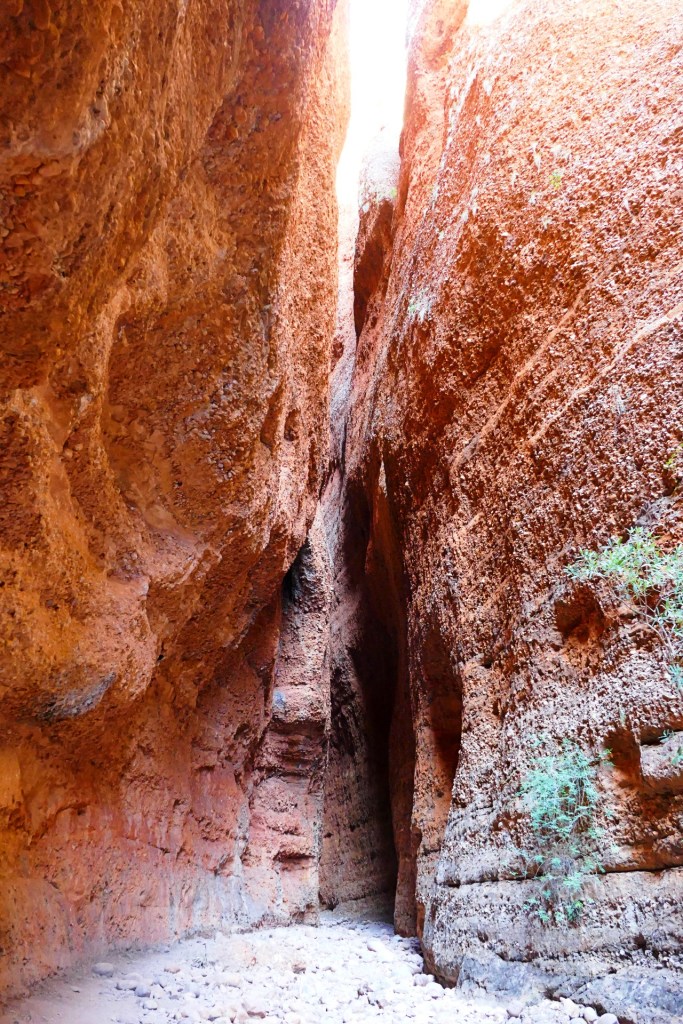
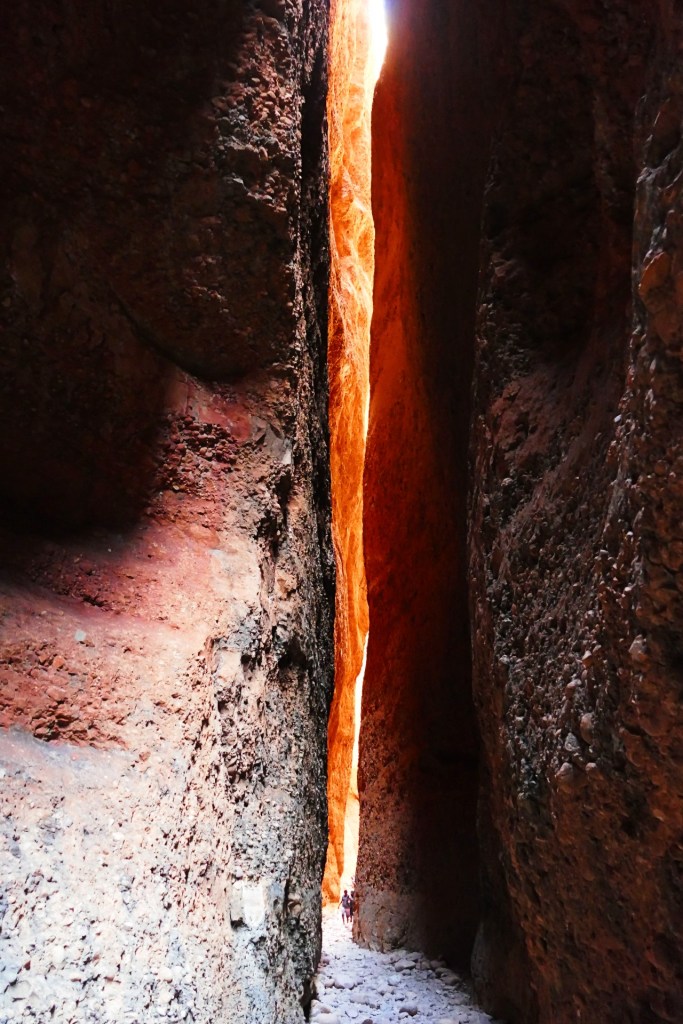
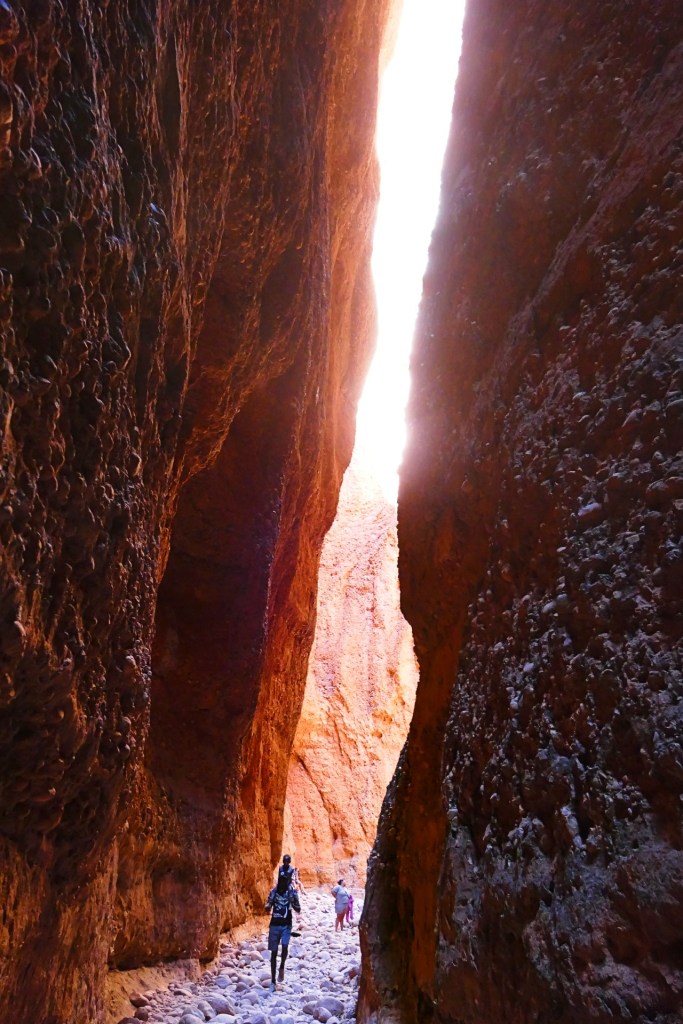
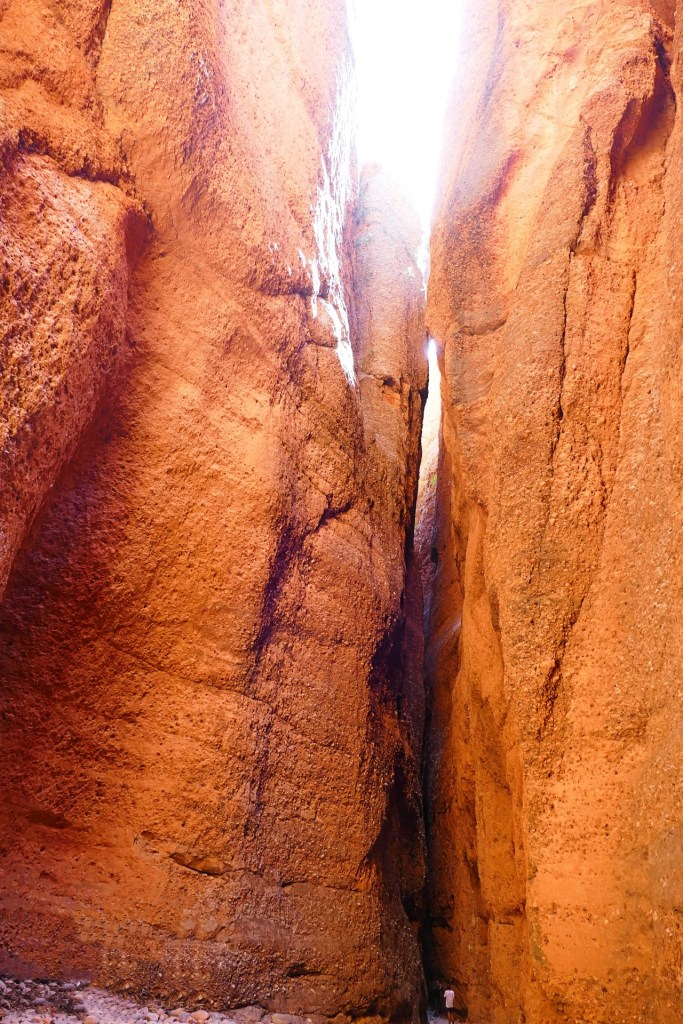
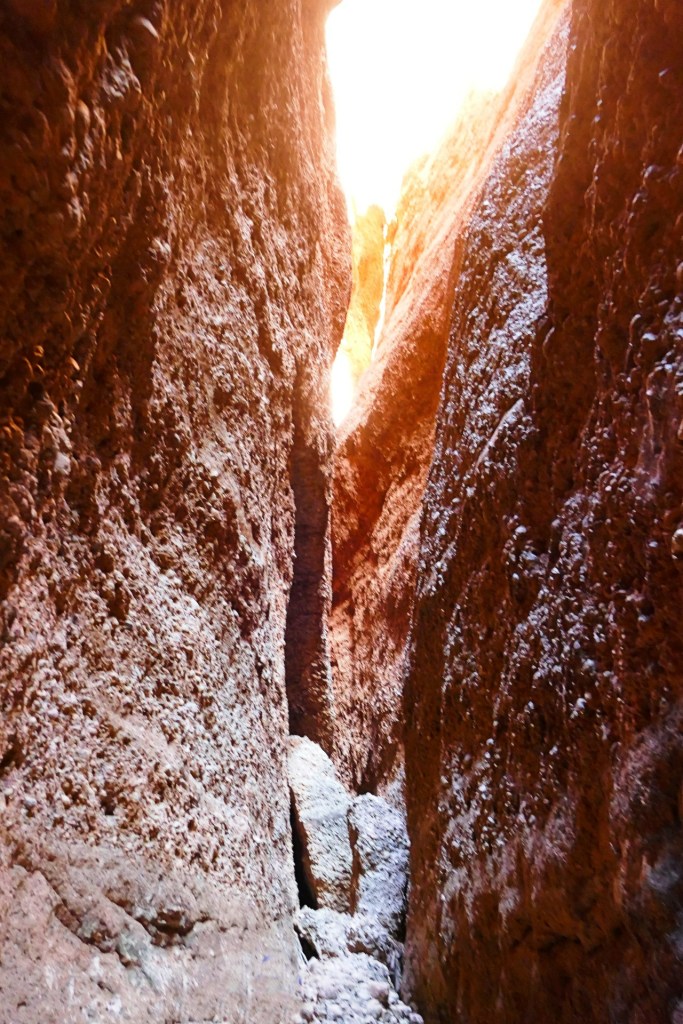
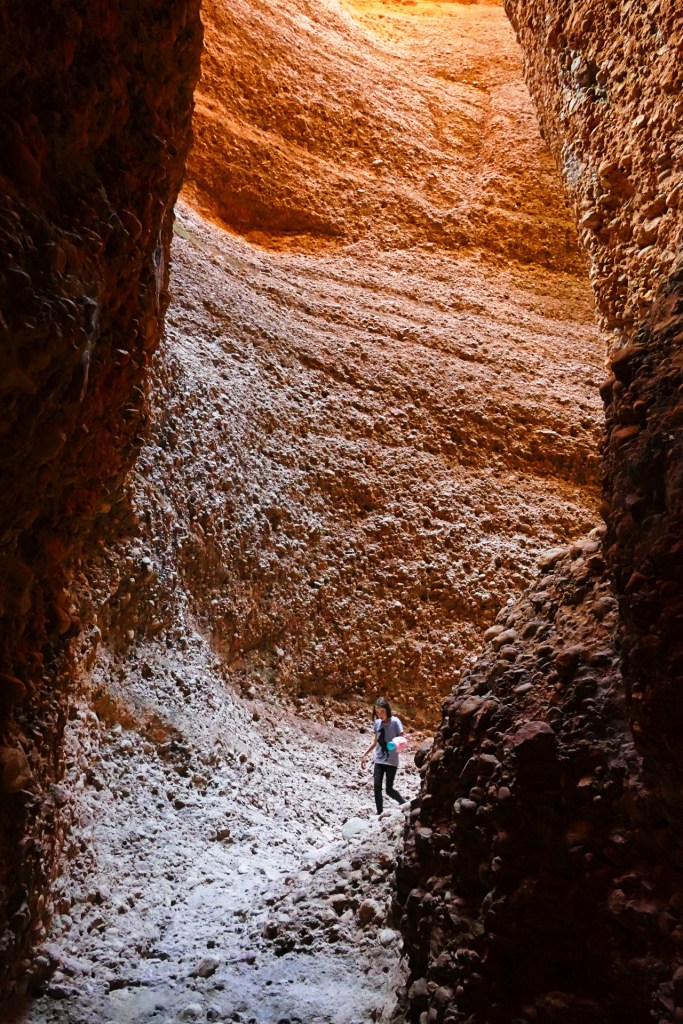

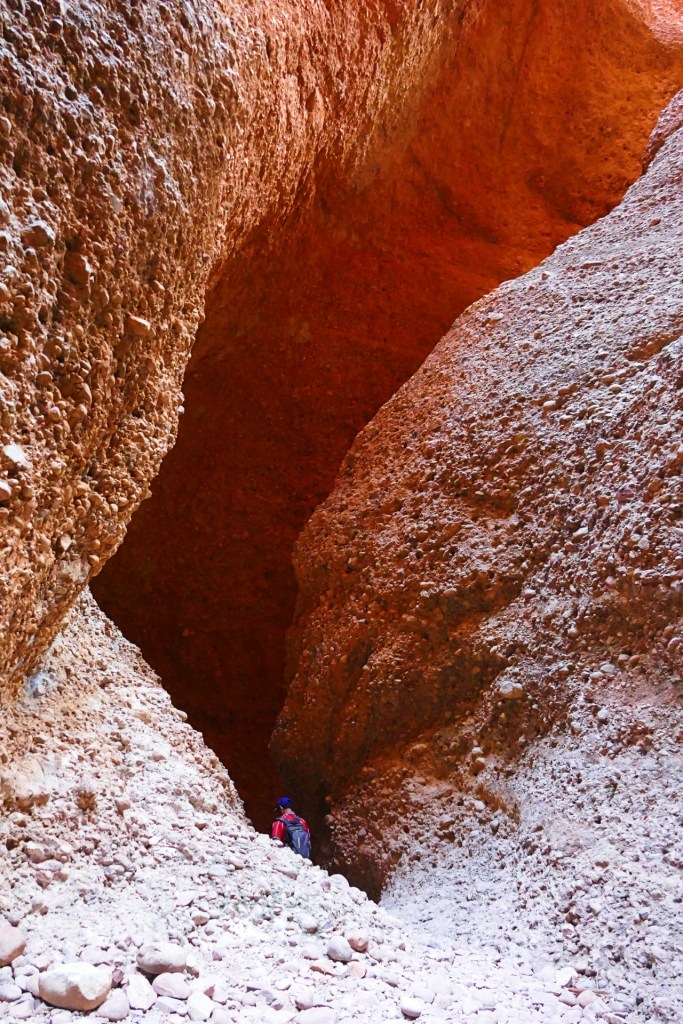

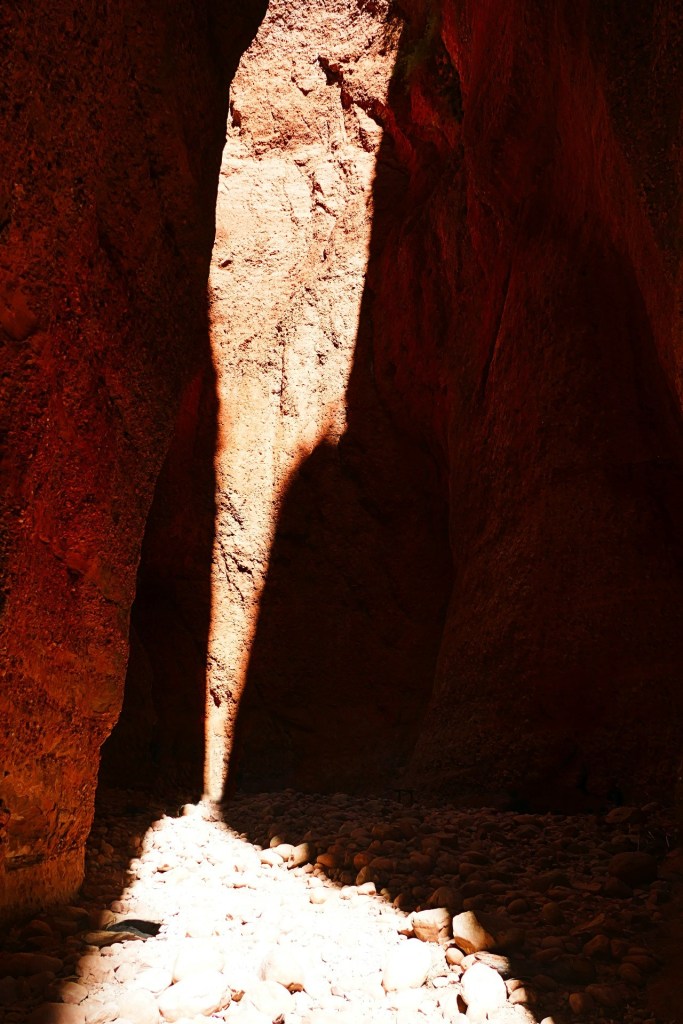
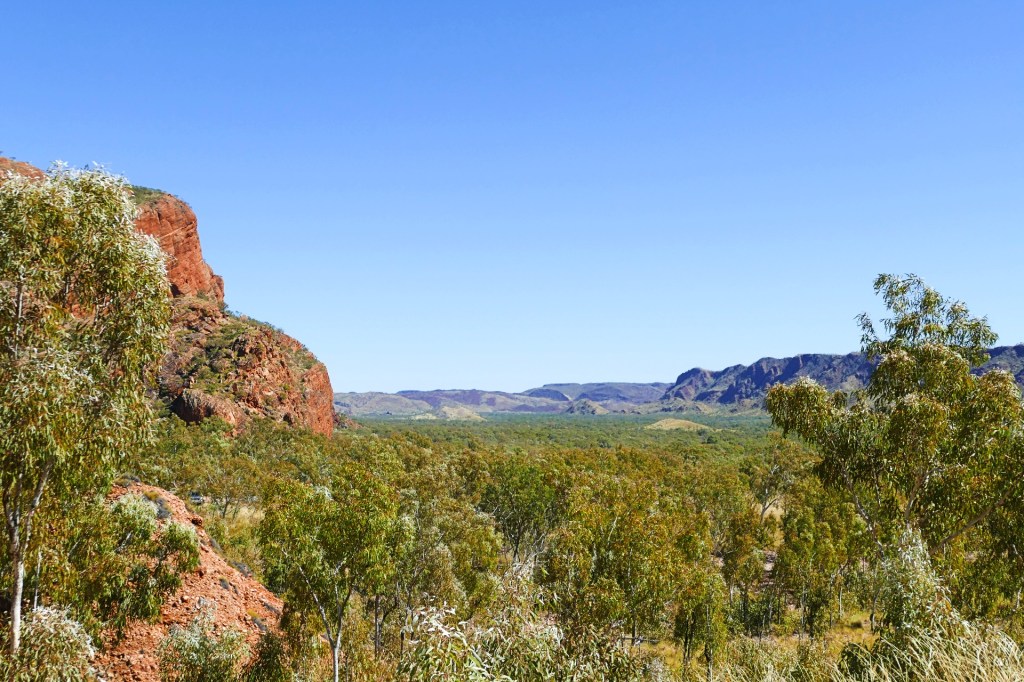
On the way out from Echidna Chasm, we did the Osmand Lookout walk
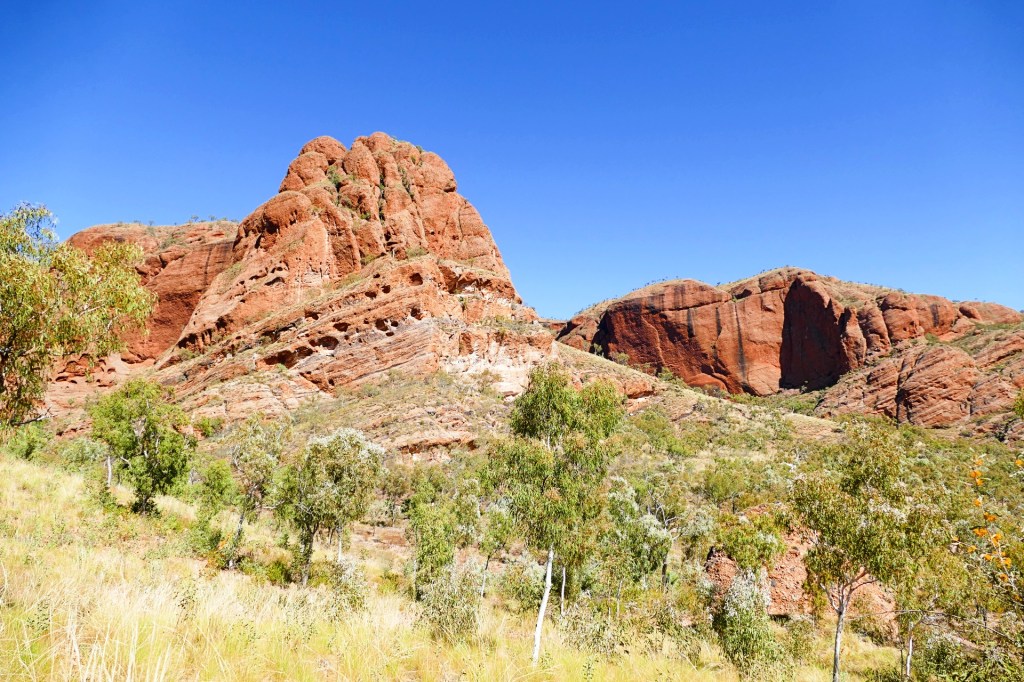
After lunch we did the Mini Palms Walk, this was a 4.2 km class 4 walk. I thought it was quite a challenging walk as we had to climb over quite a few boulders, there was a definite climb and the path was quite unstable with walking over the creek bed.

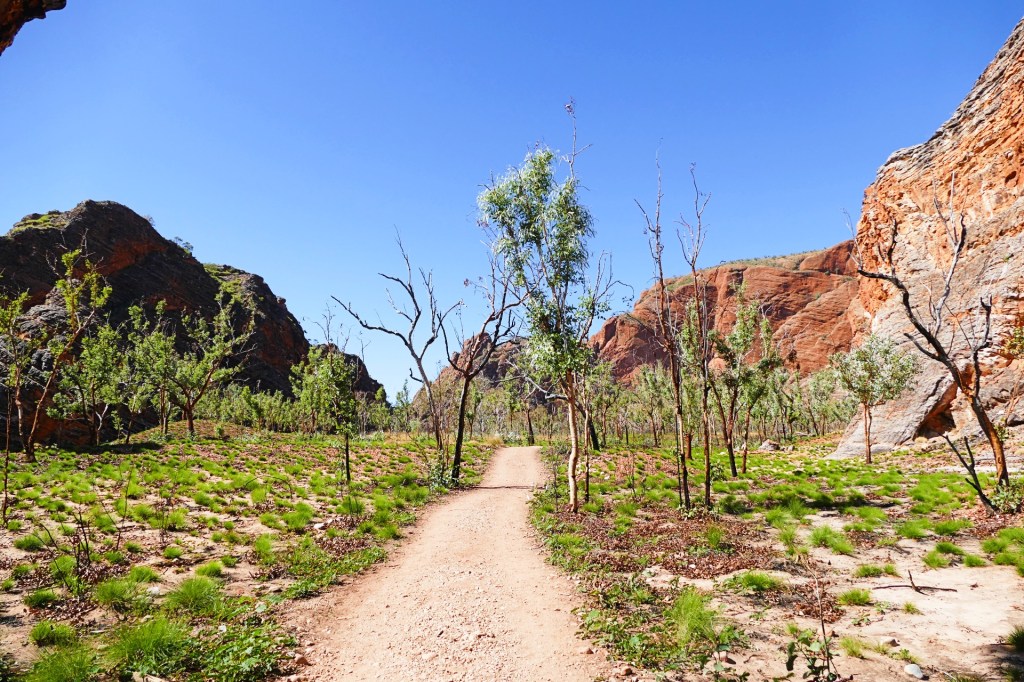
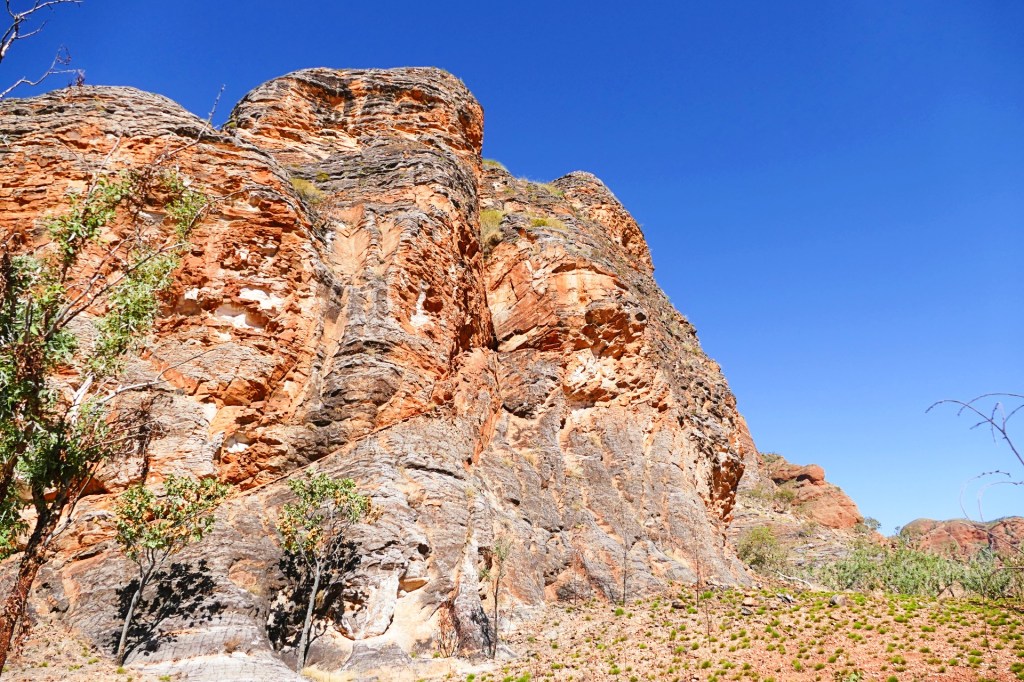
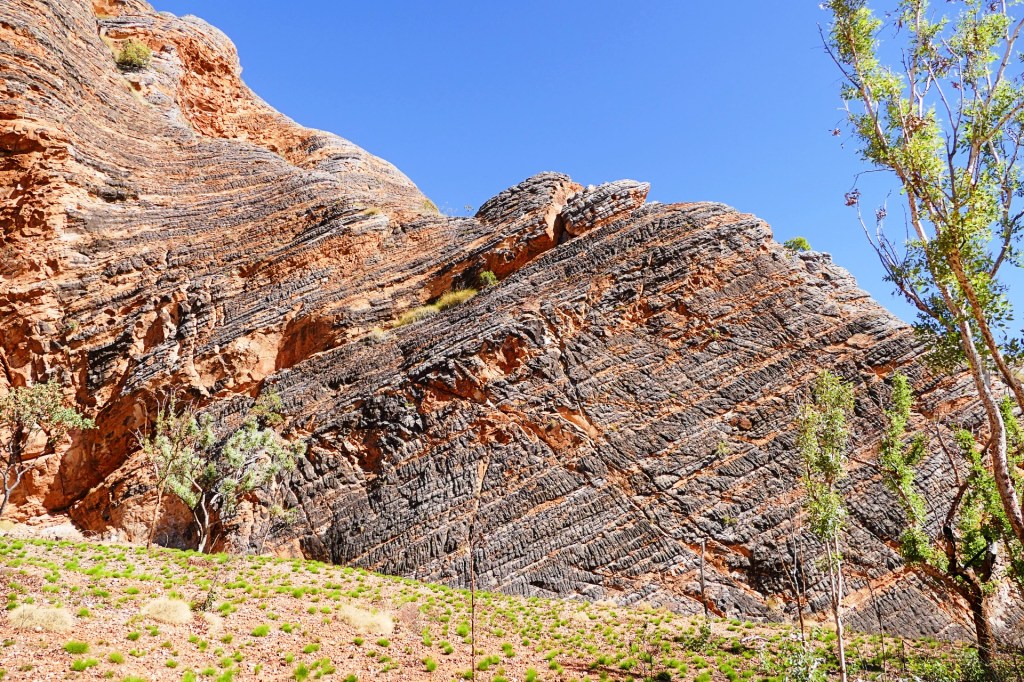
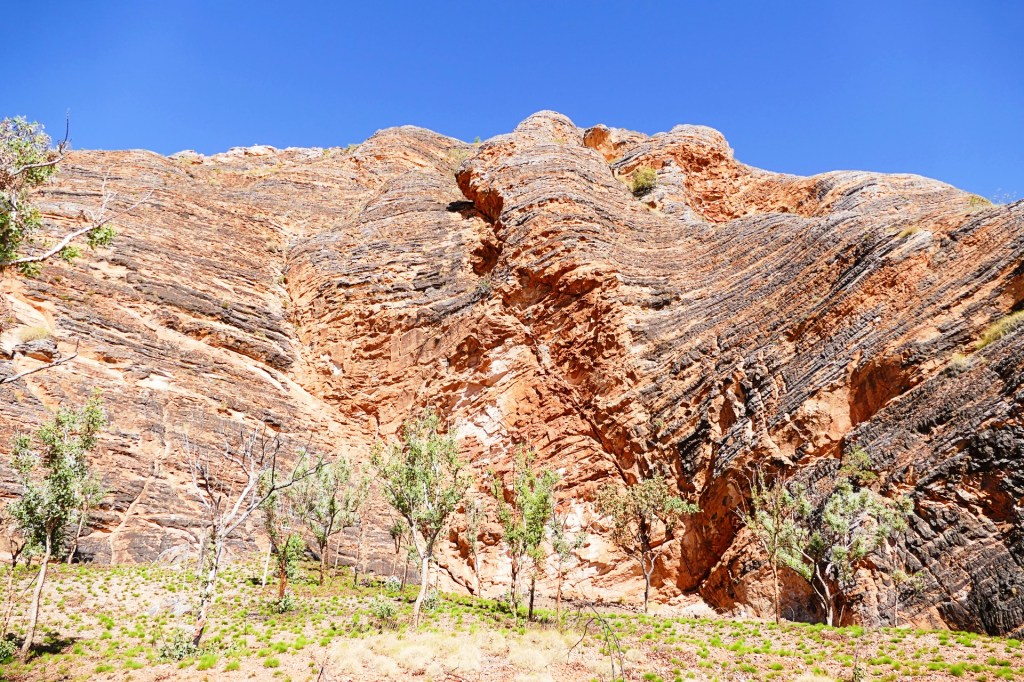

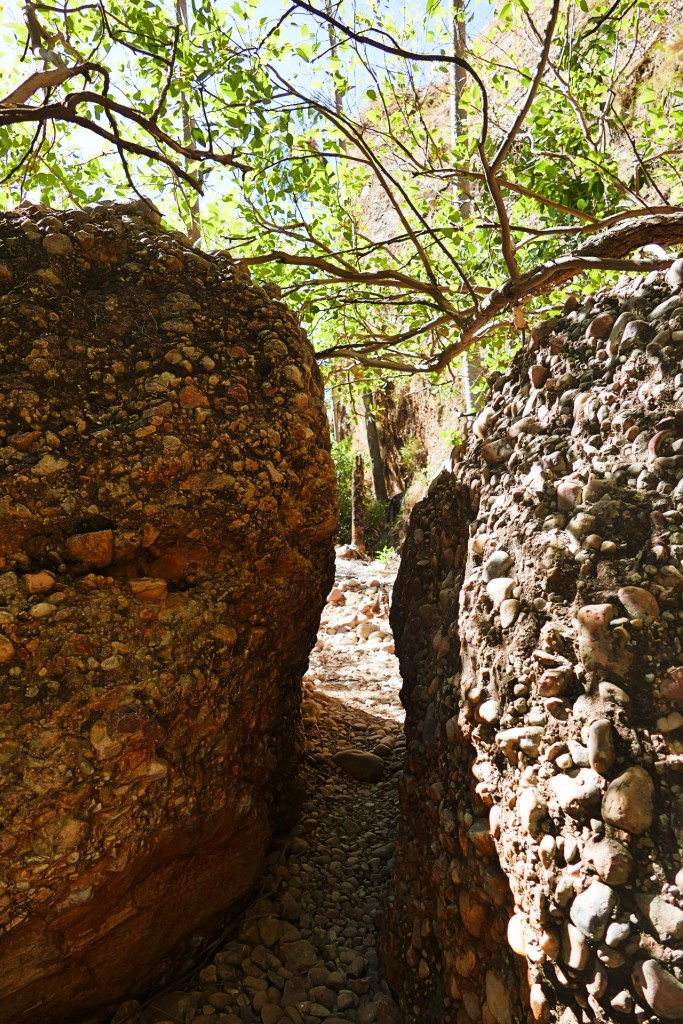
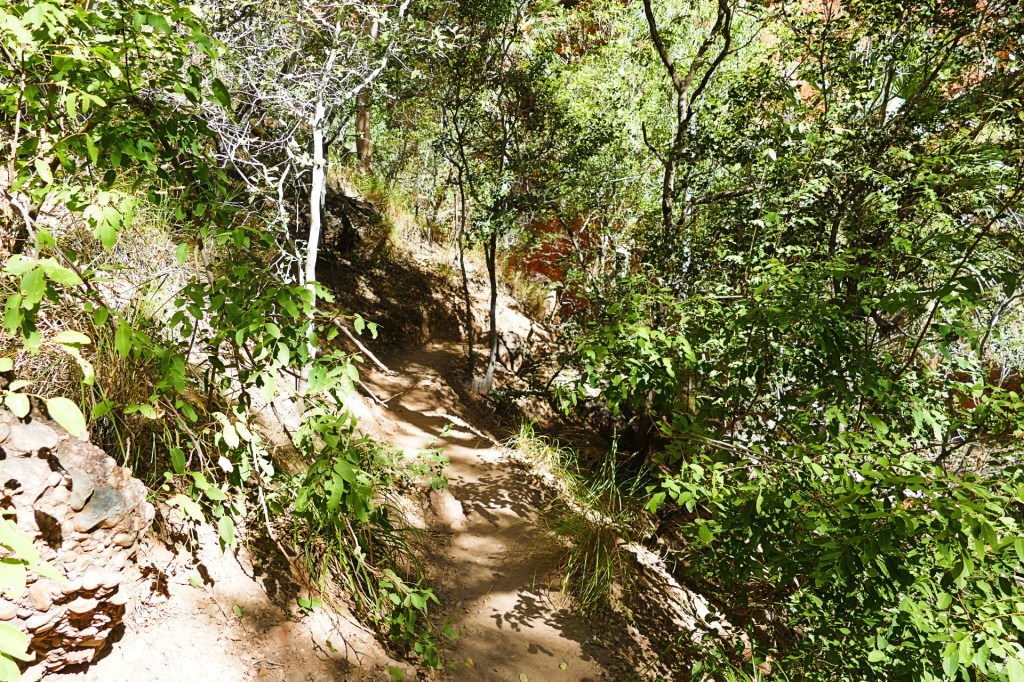
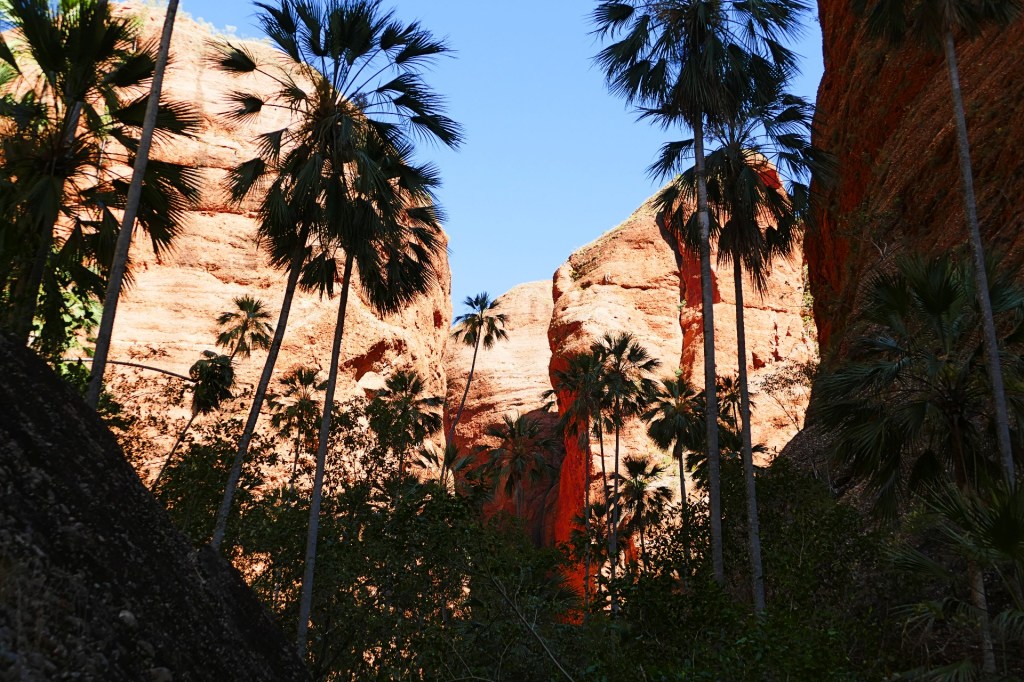
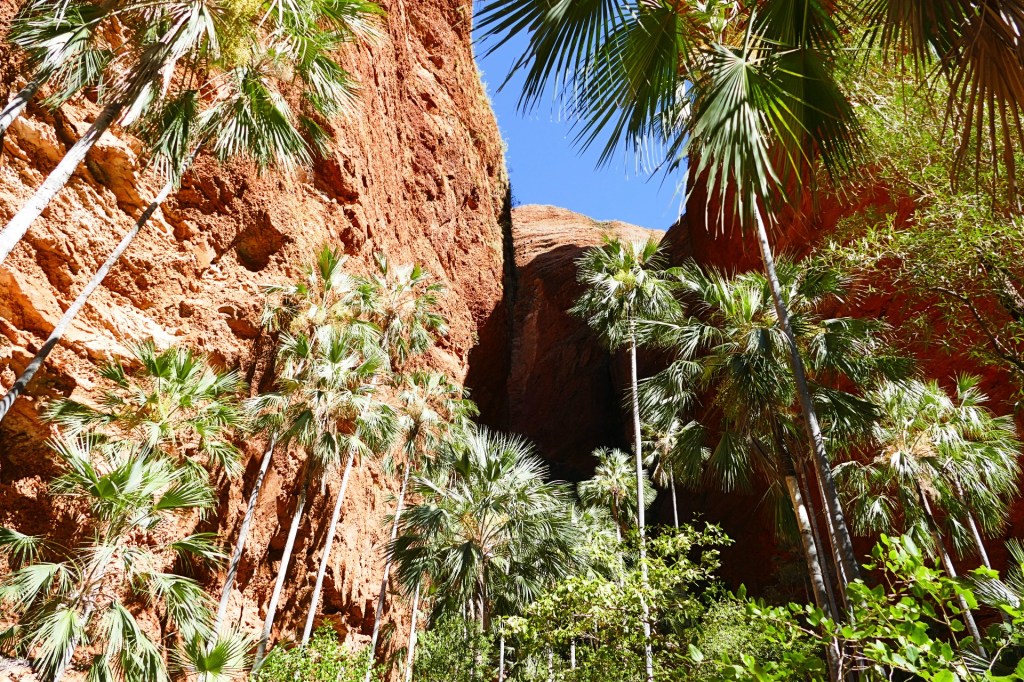

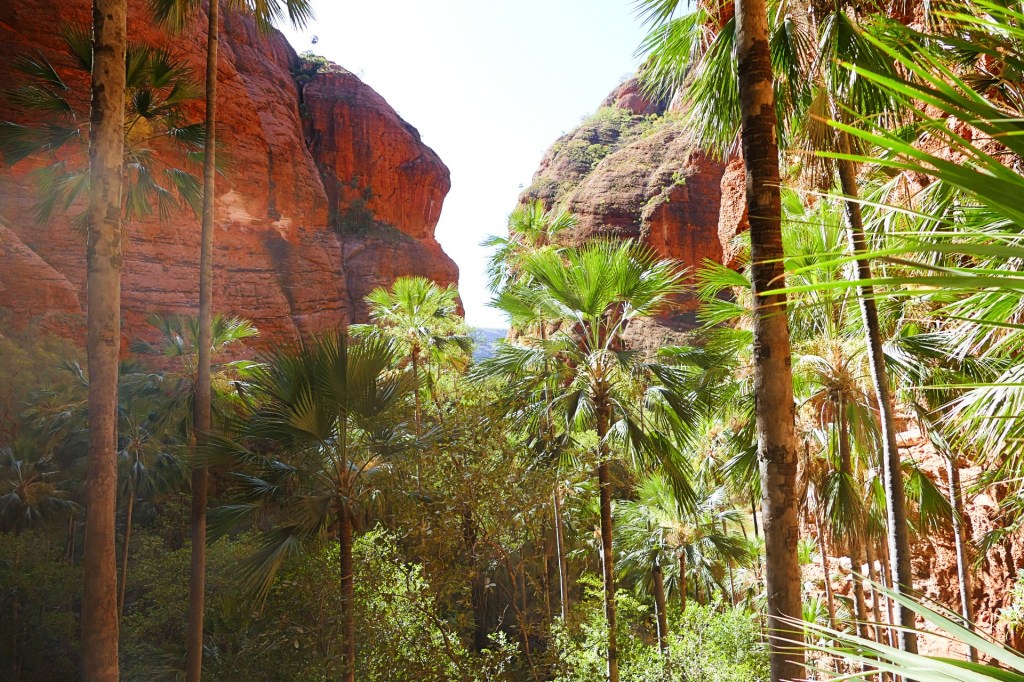
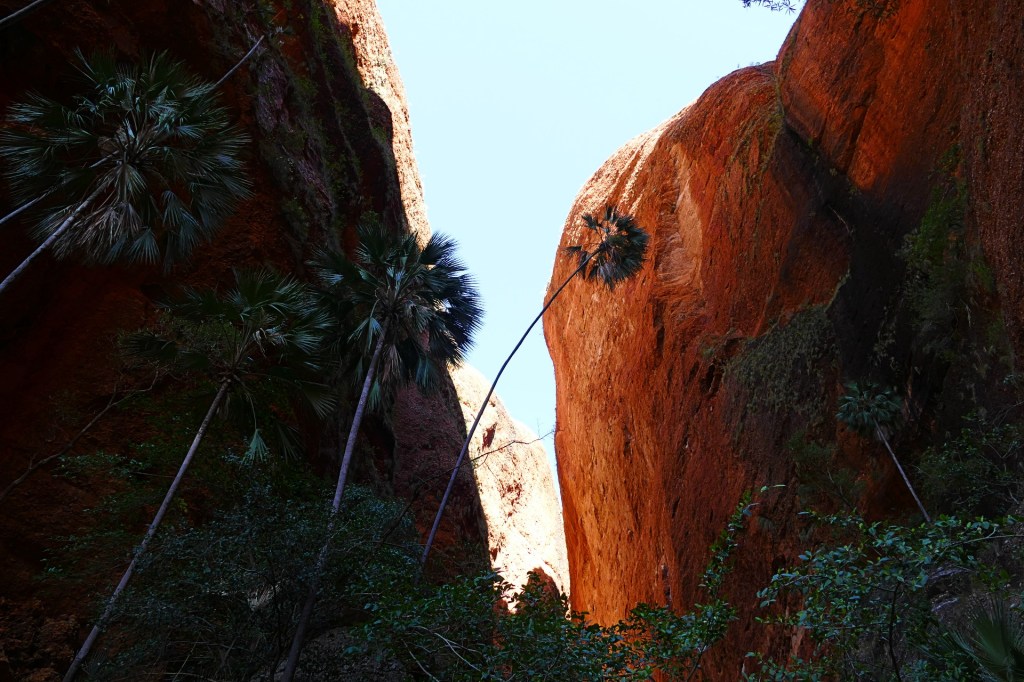
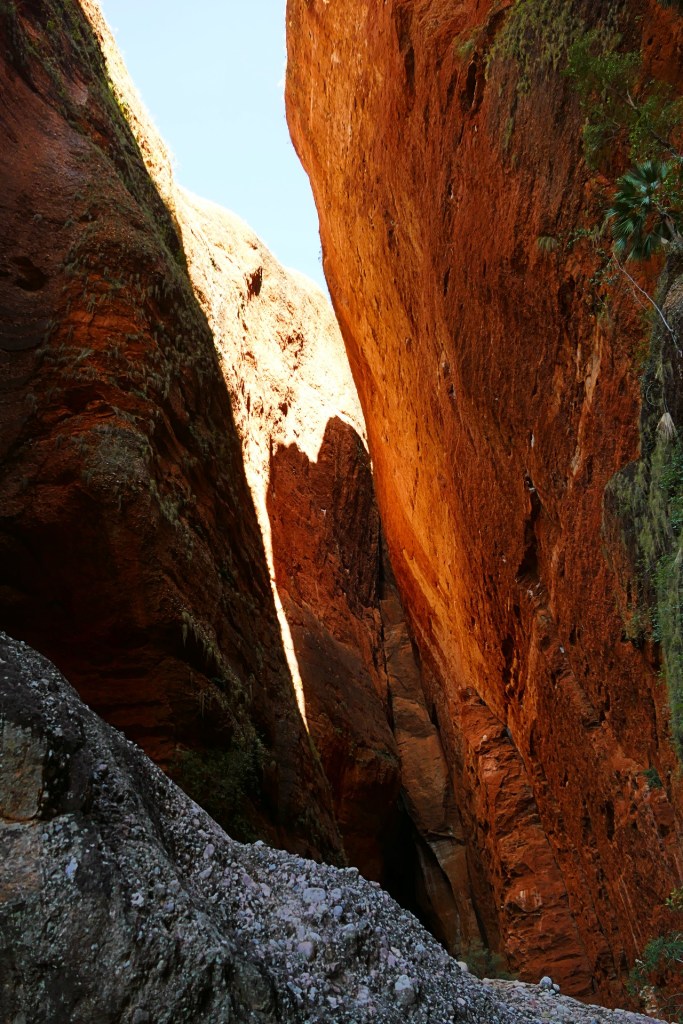
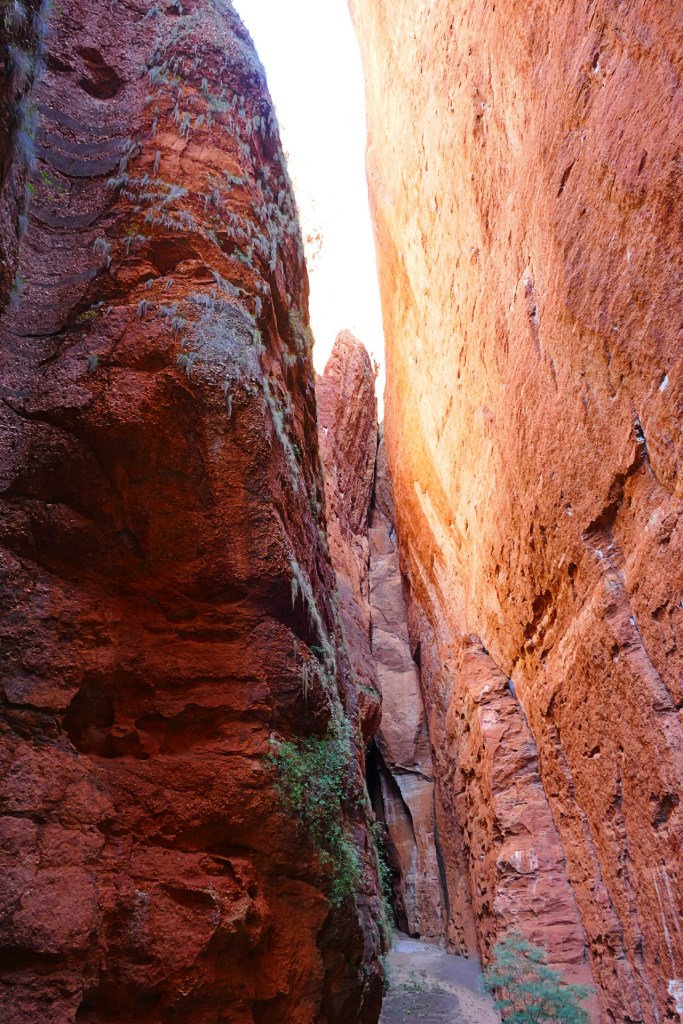
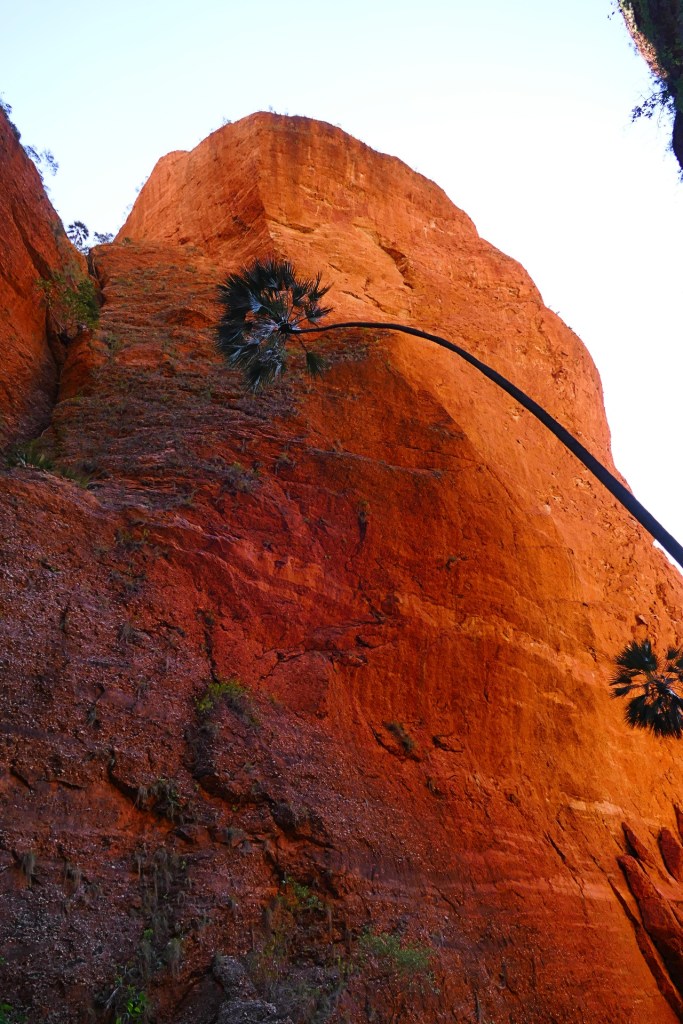
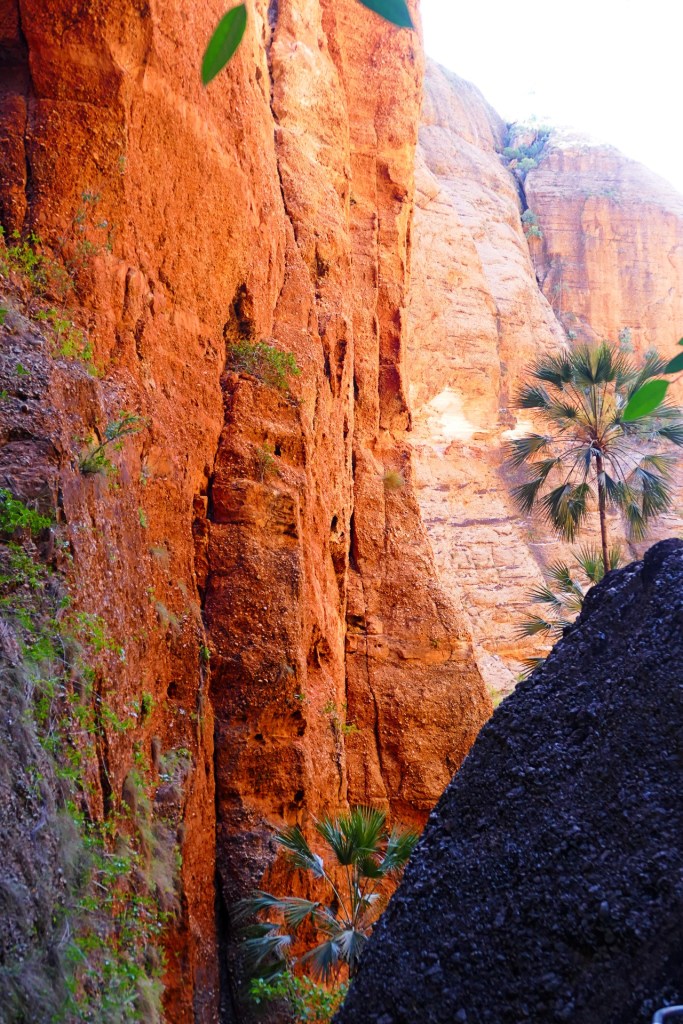
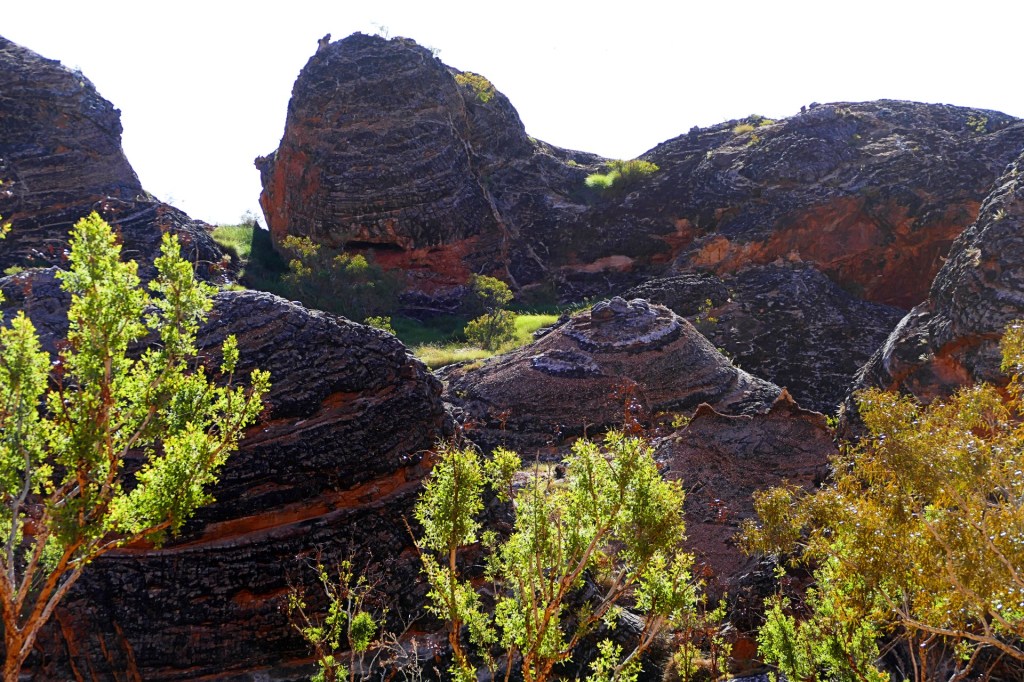
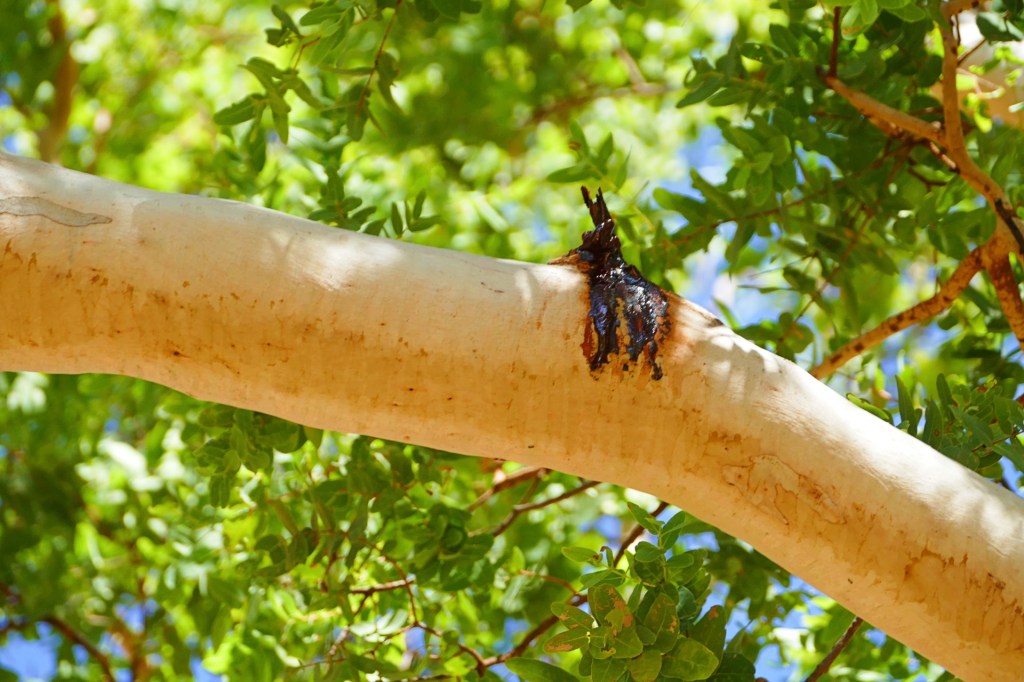
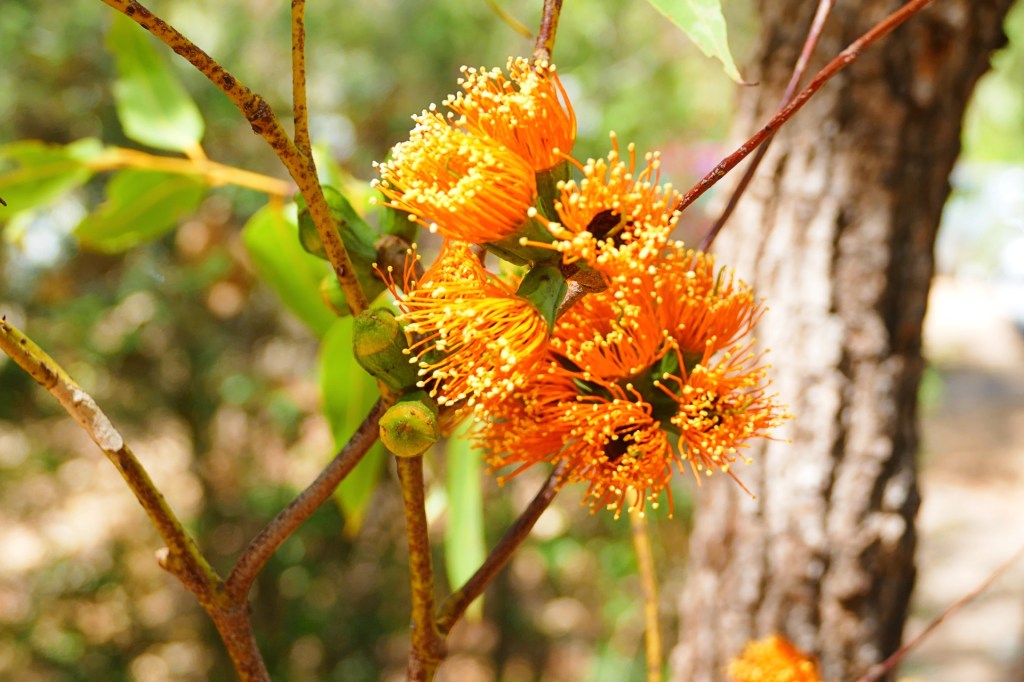
Lots of Bloodwood gums in the park, why are they called bloodwood? because their sap is the colour of blood

Day 168, Wednesday the 13th July, 2022
We spent the night at the national park camp grounds, very nice campgrounds with basic amenities – toilets and picnic tables, but it was all we needed.
We woke to a beautiful warm morning, we decided to do a couple of walks in the national park then start our trip to Darwin.
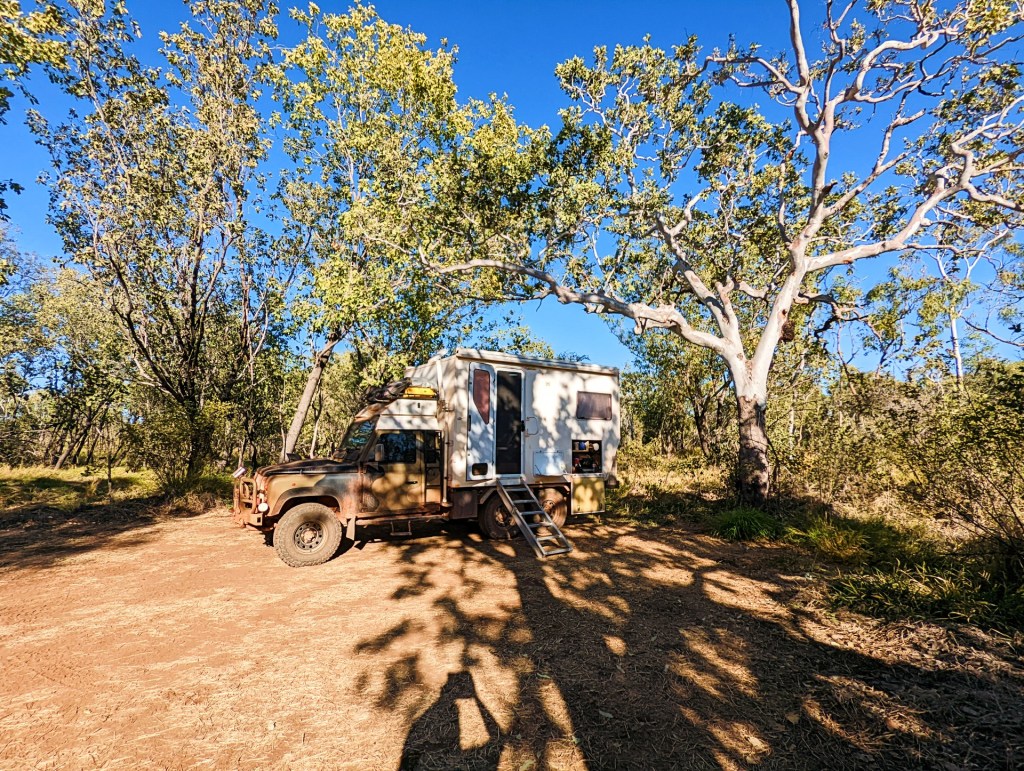
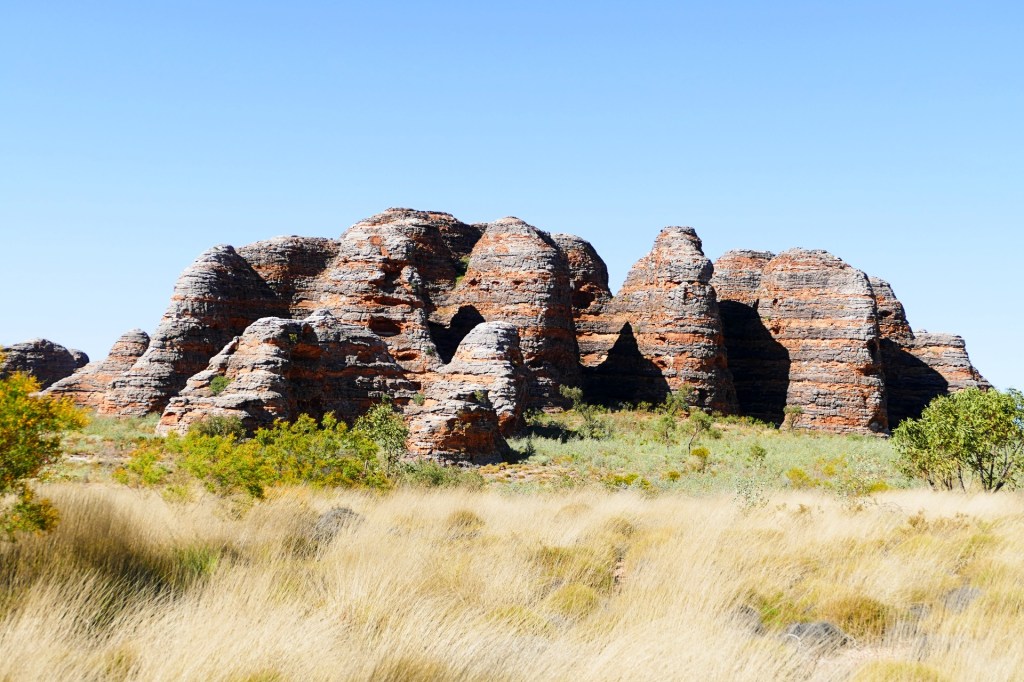
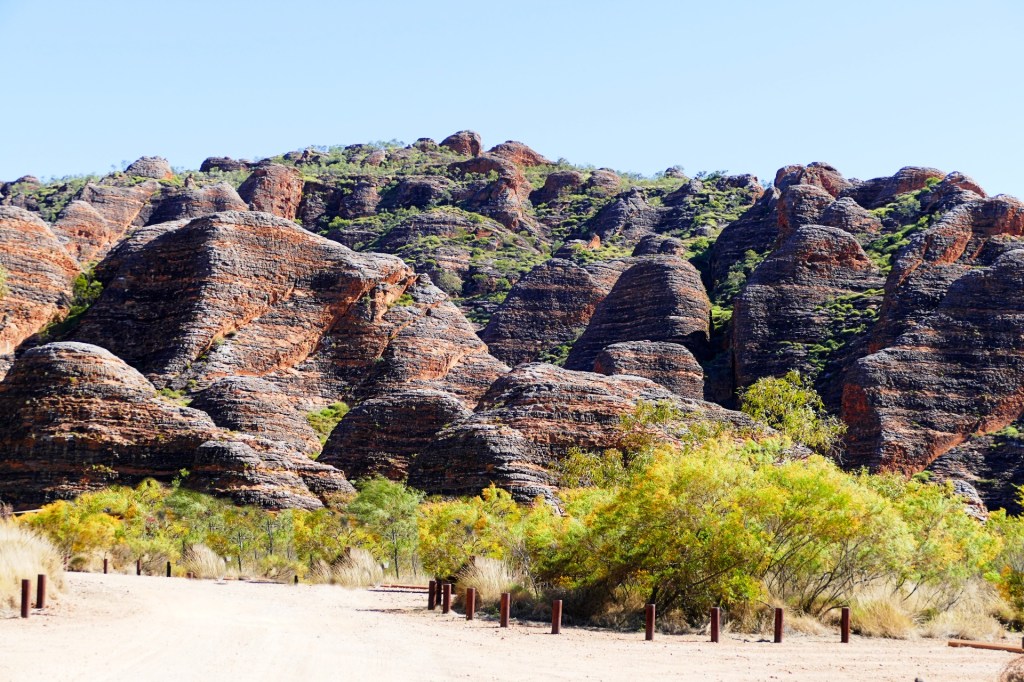
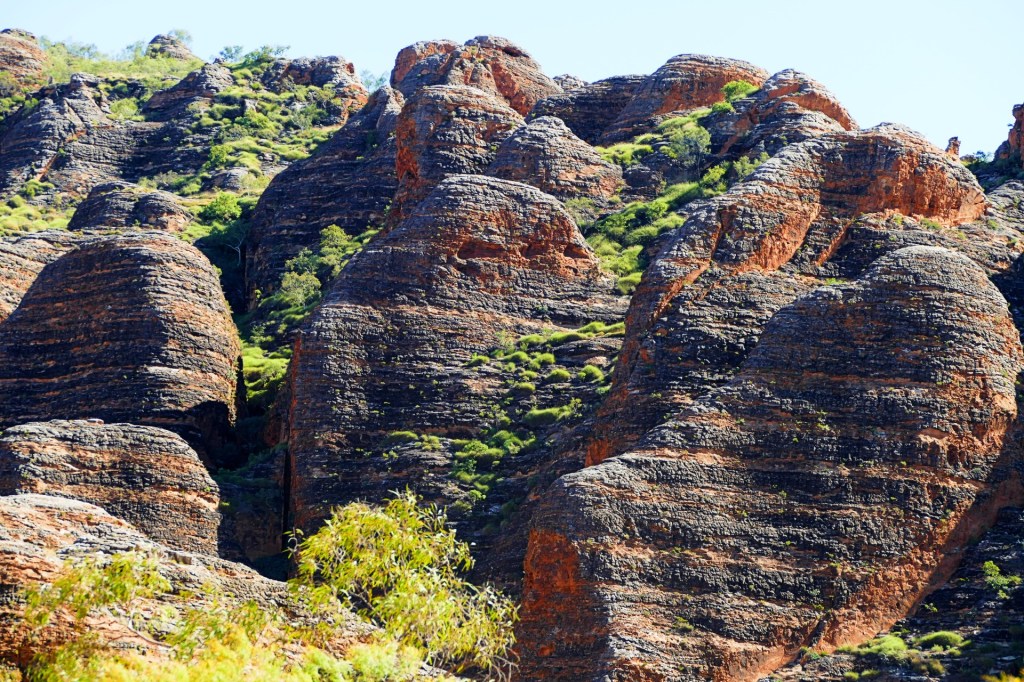
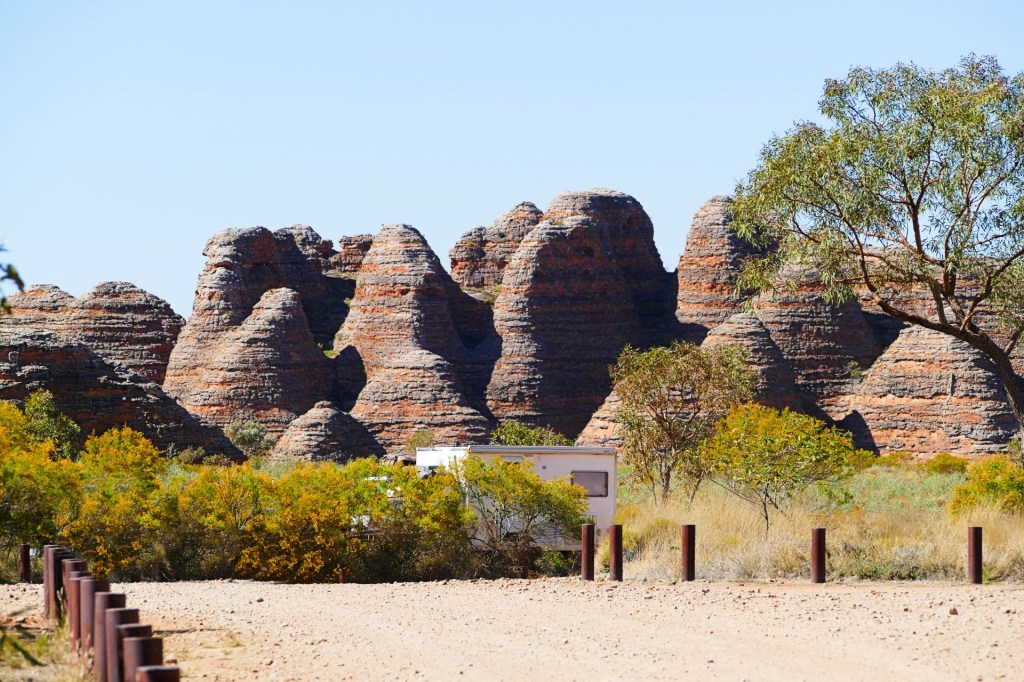
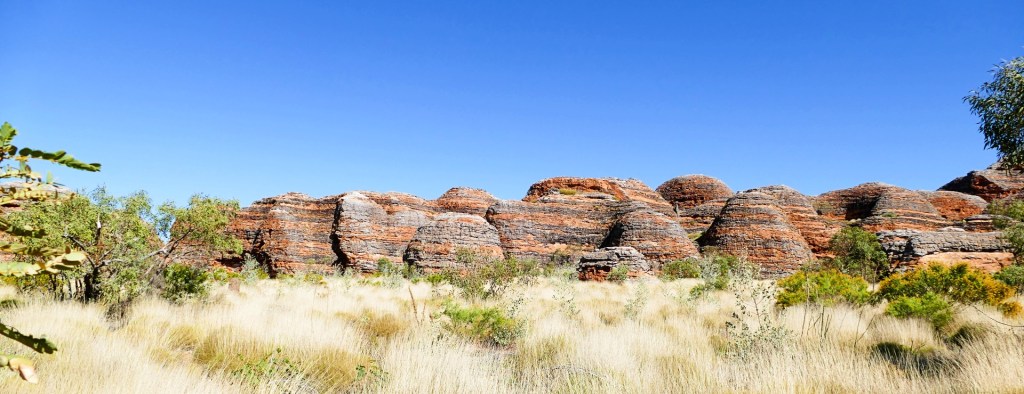
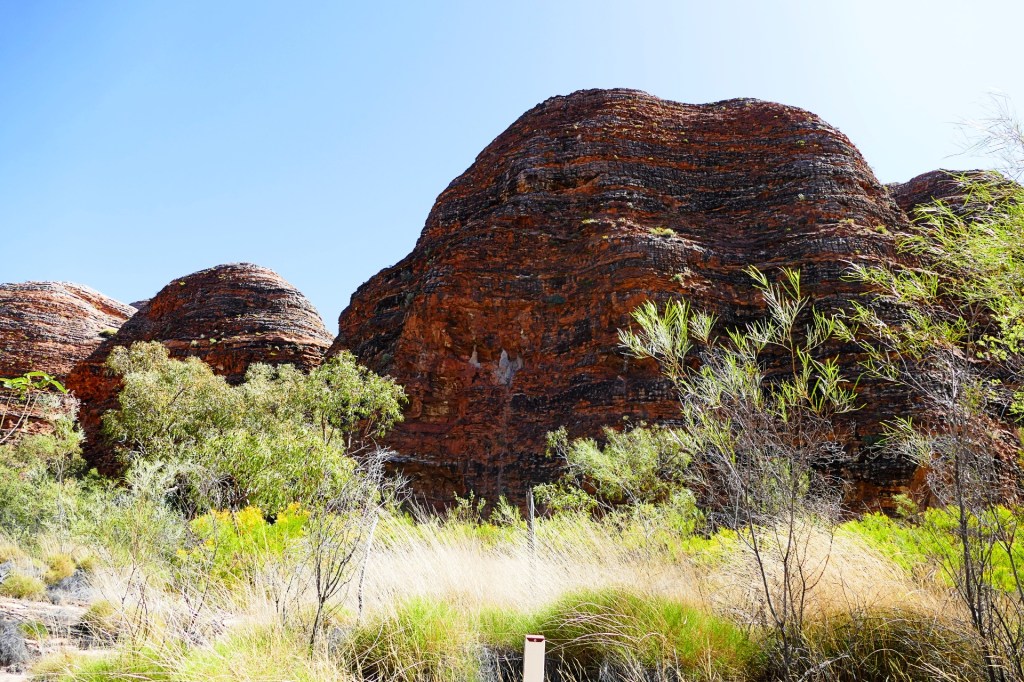
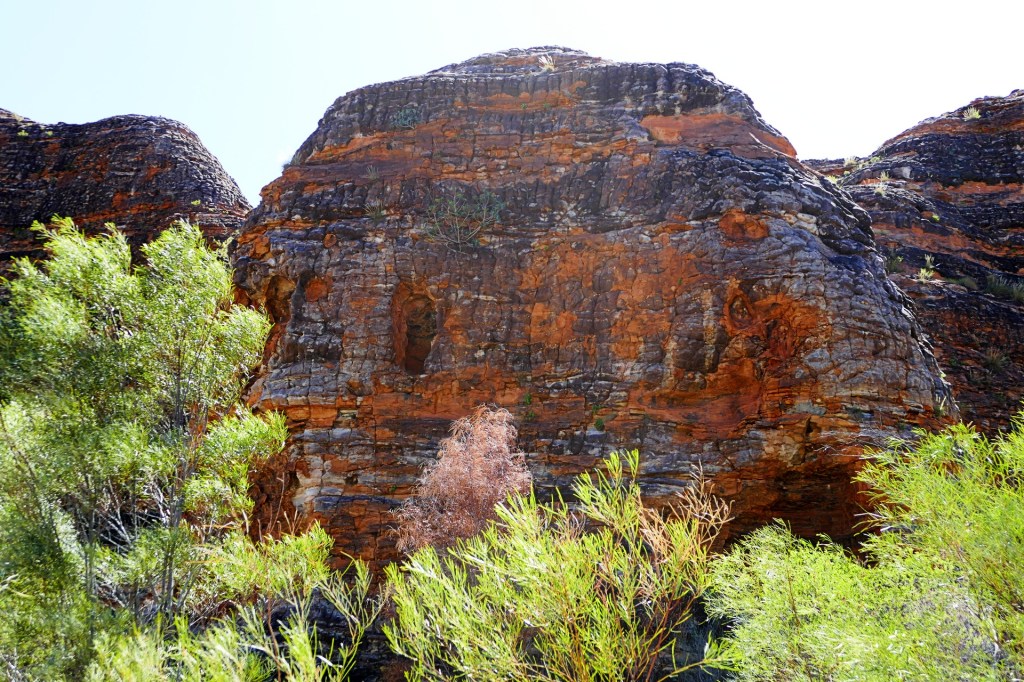
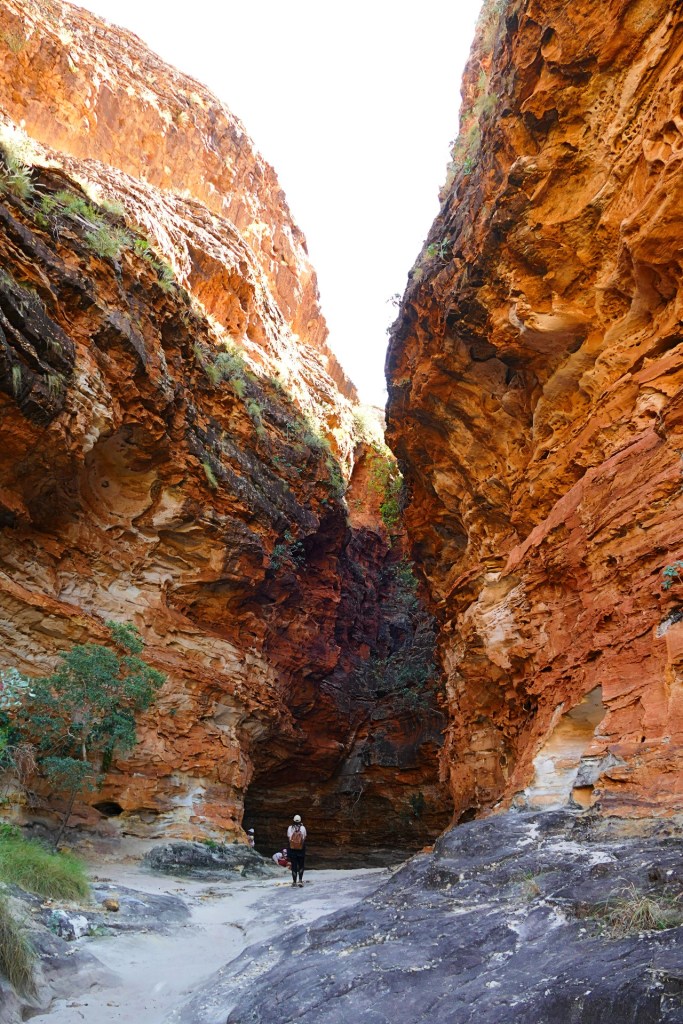
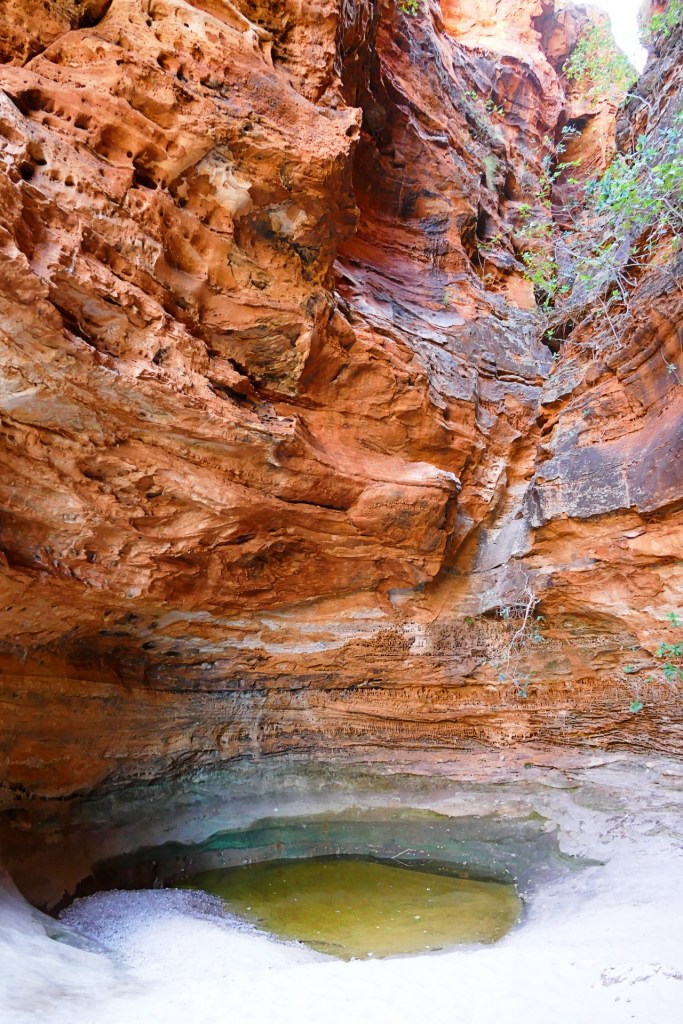
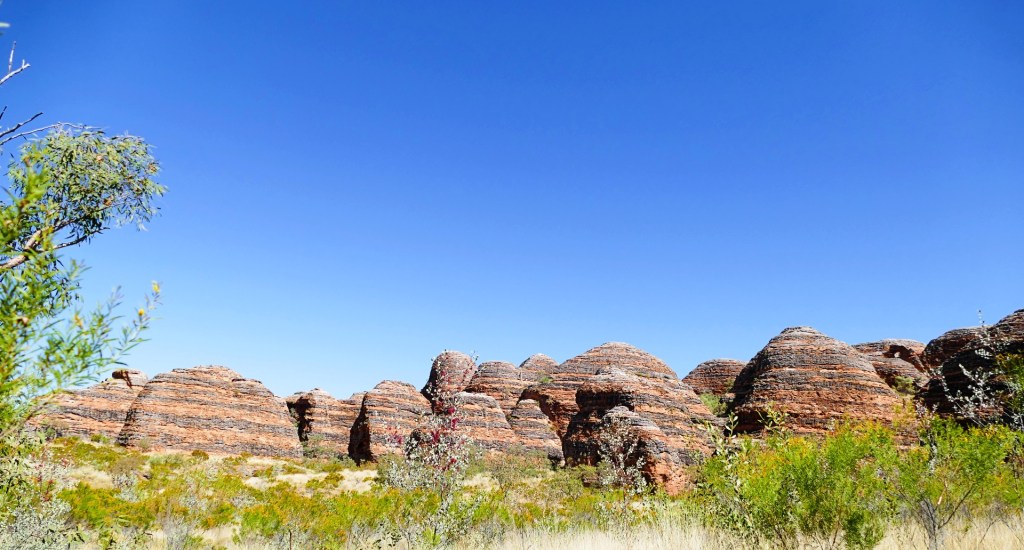
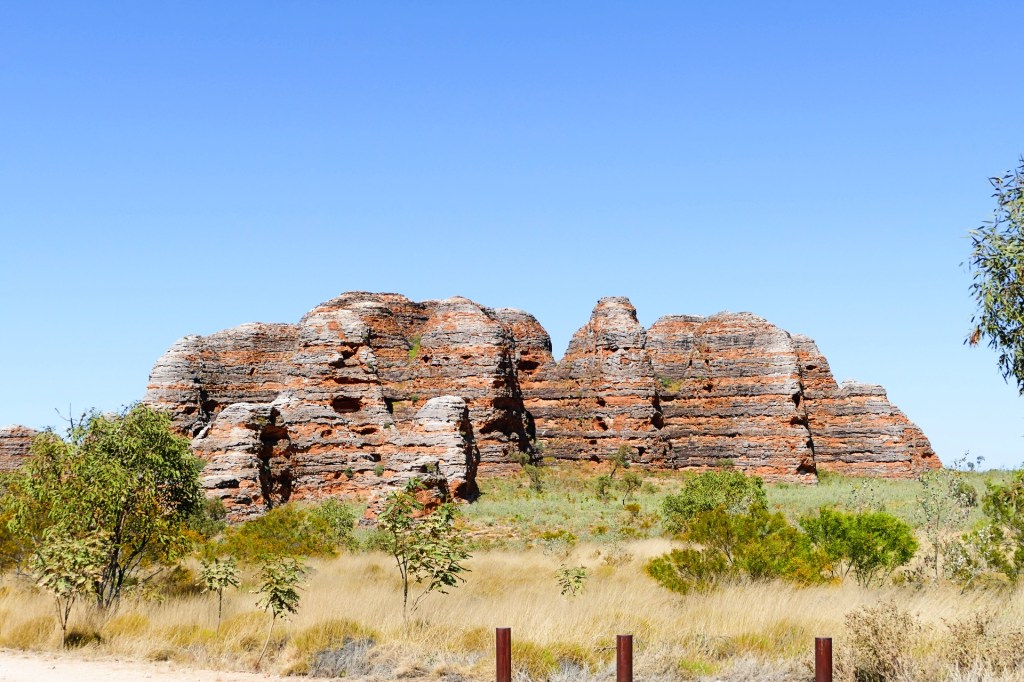
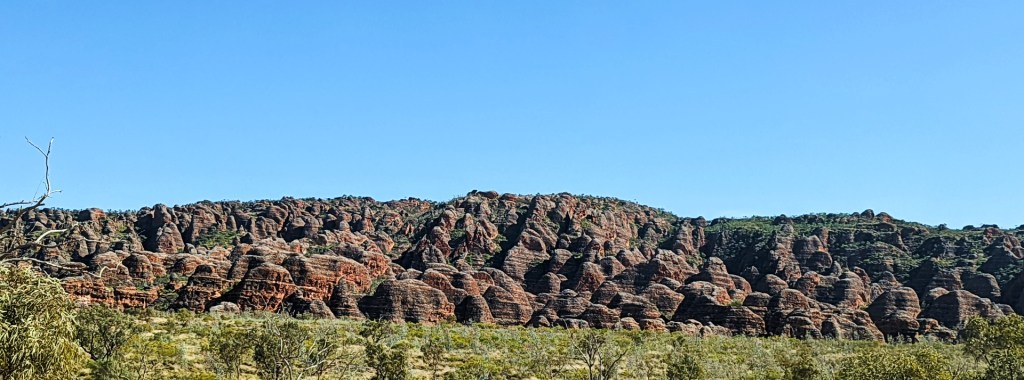
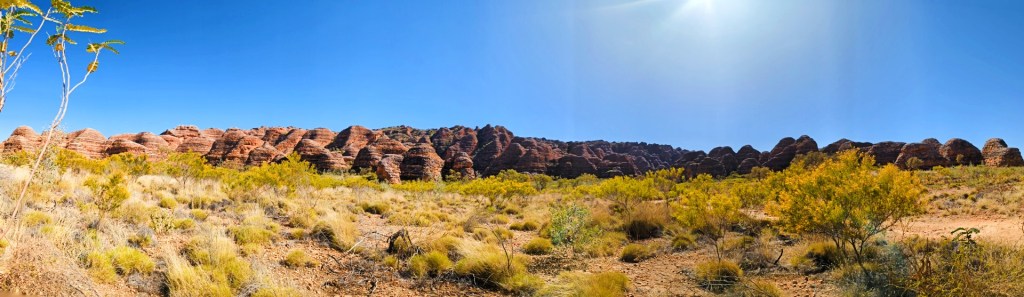
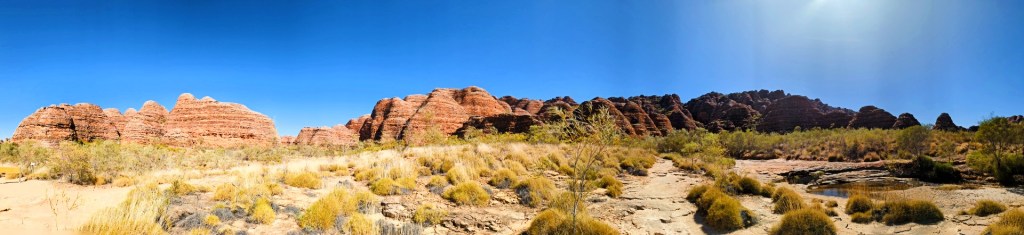
We drove to the Cathedral Gorge walk, and the Domes Walk on the south side of the park, just before we got there, we stopped at a roadside viewing place to take photo’s of what we think of when we think of Bungle Bungle’s.

Cathedral Gorge walk was a great walk, loved it.
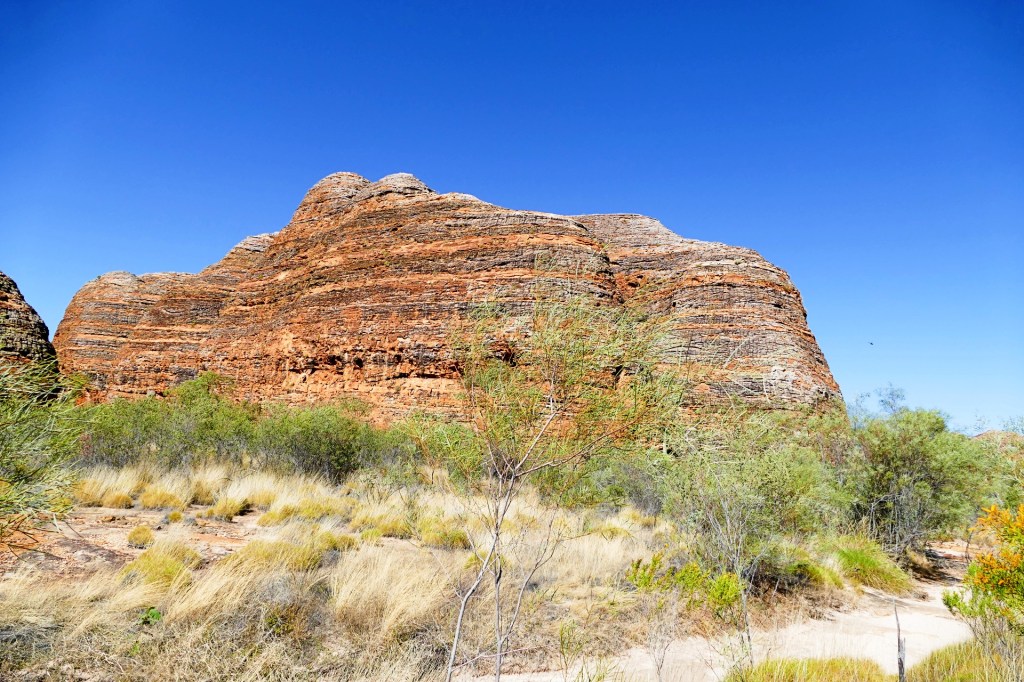
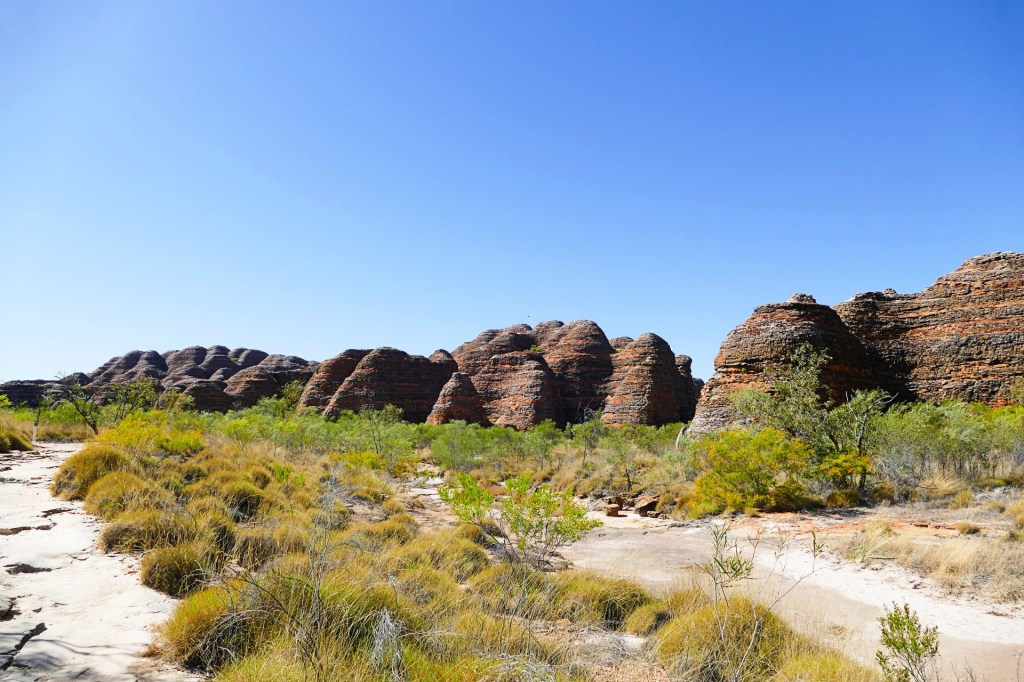
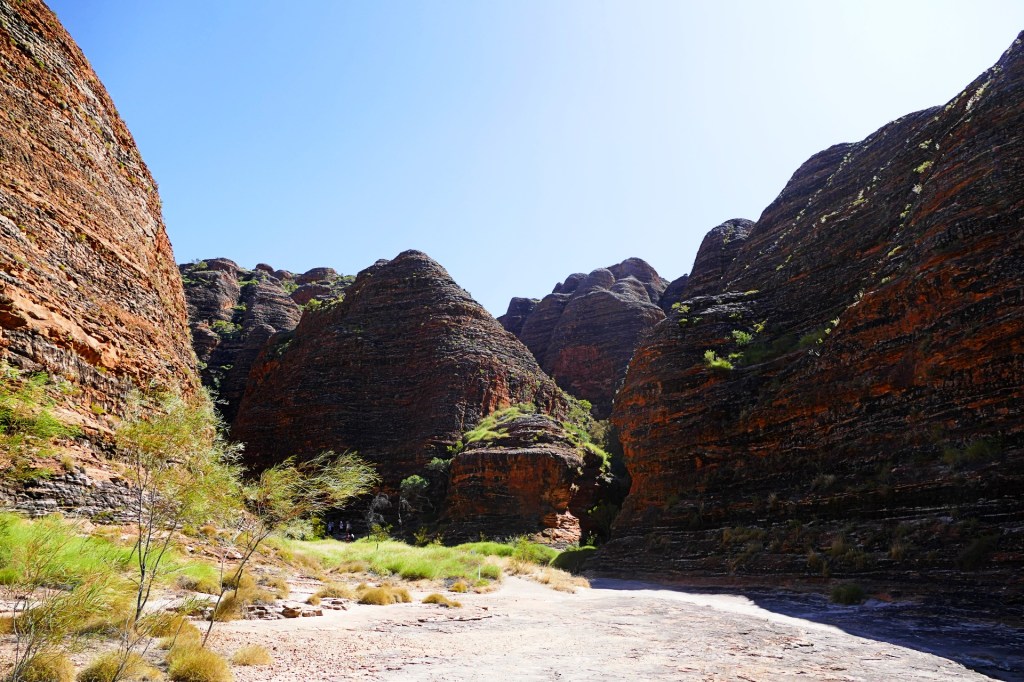
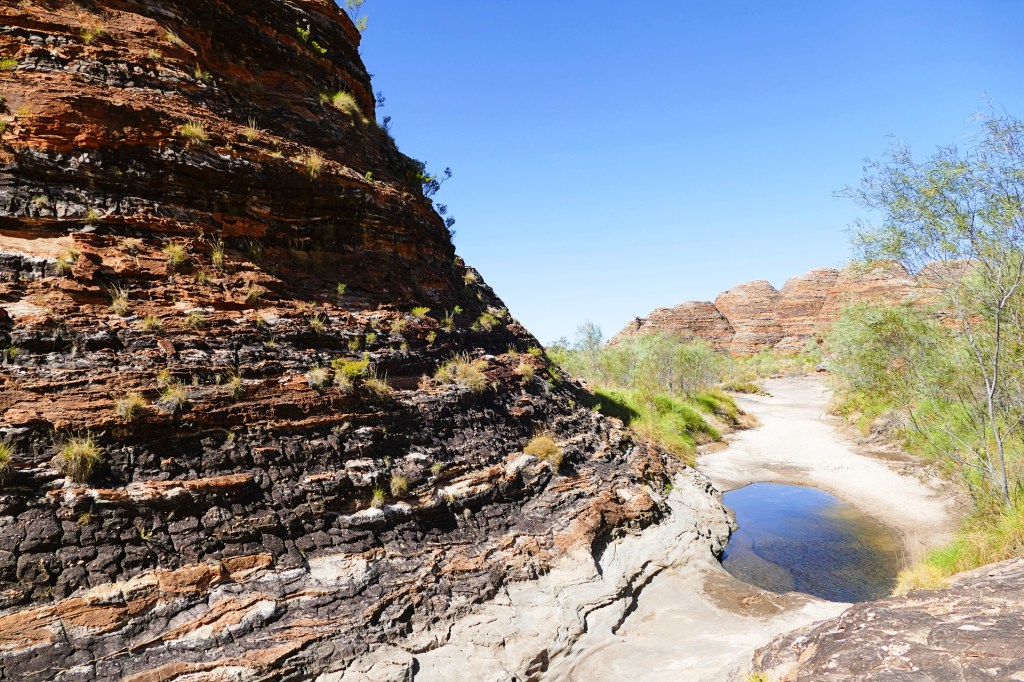
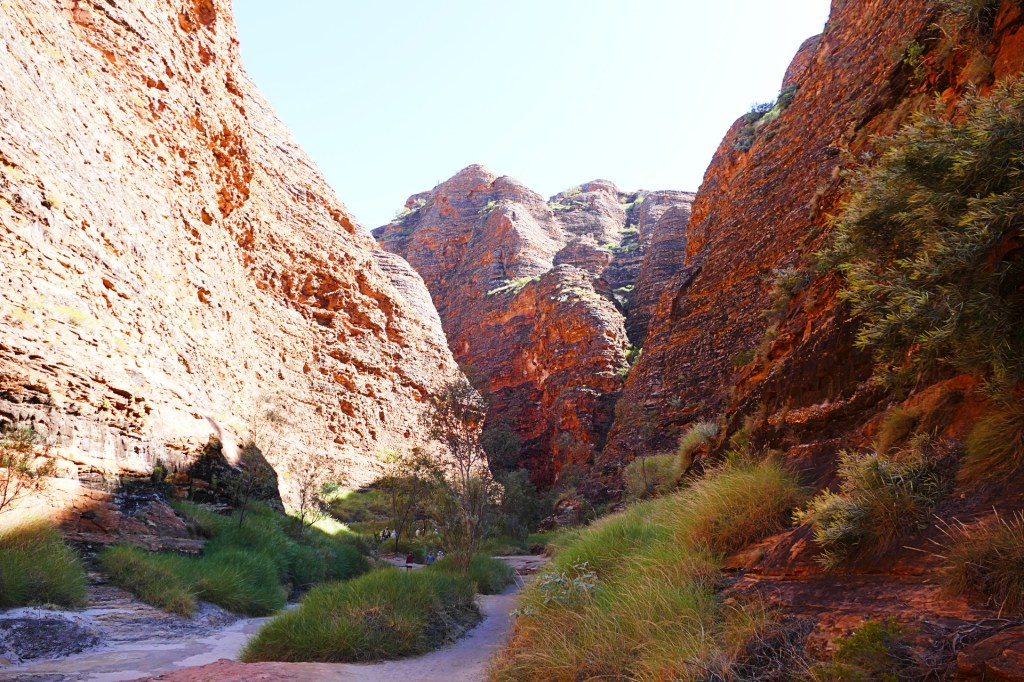
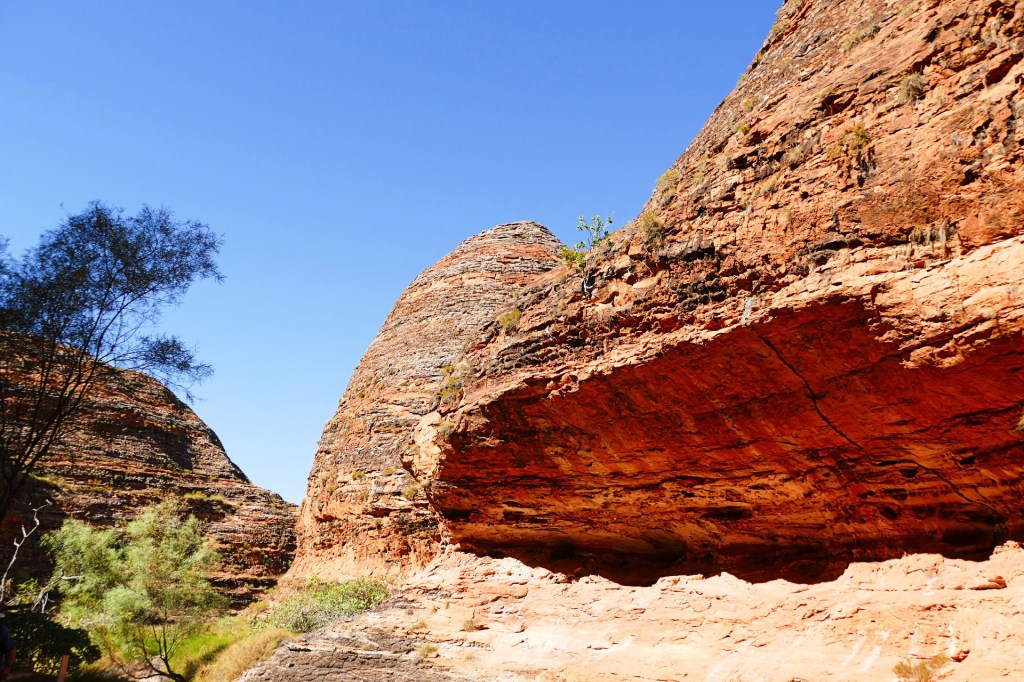
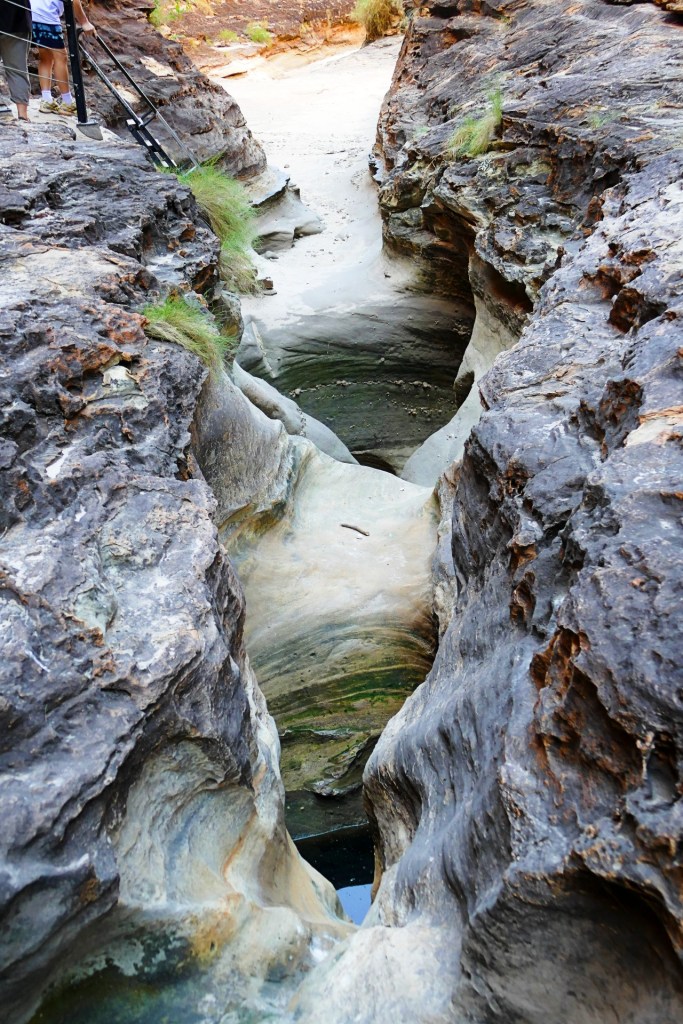
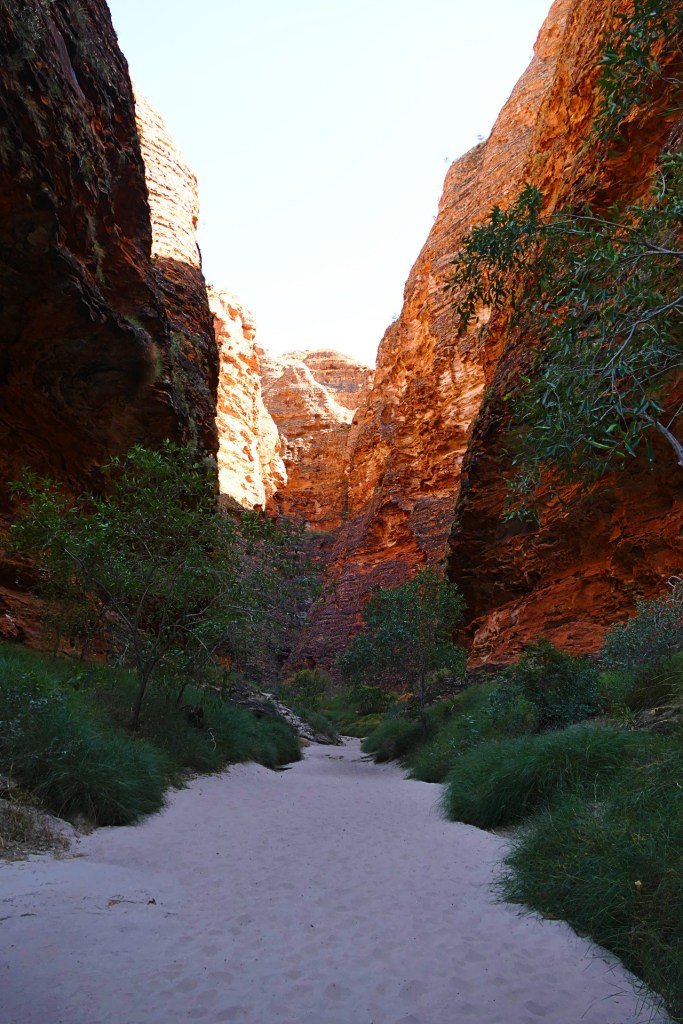
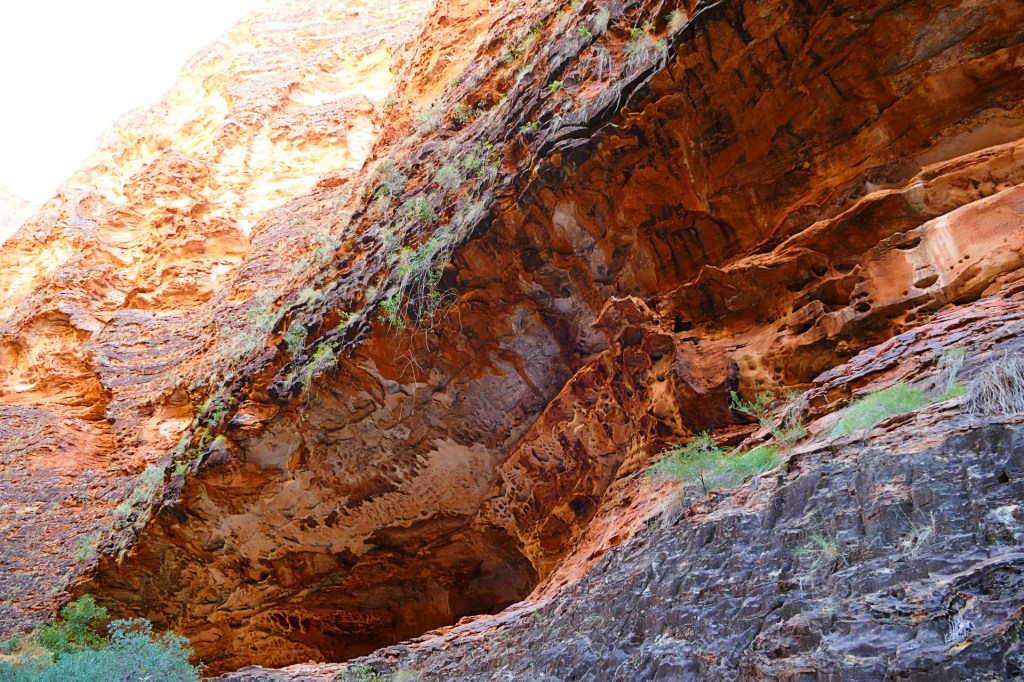
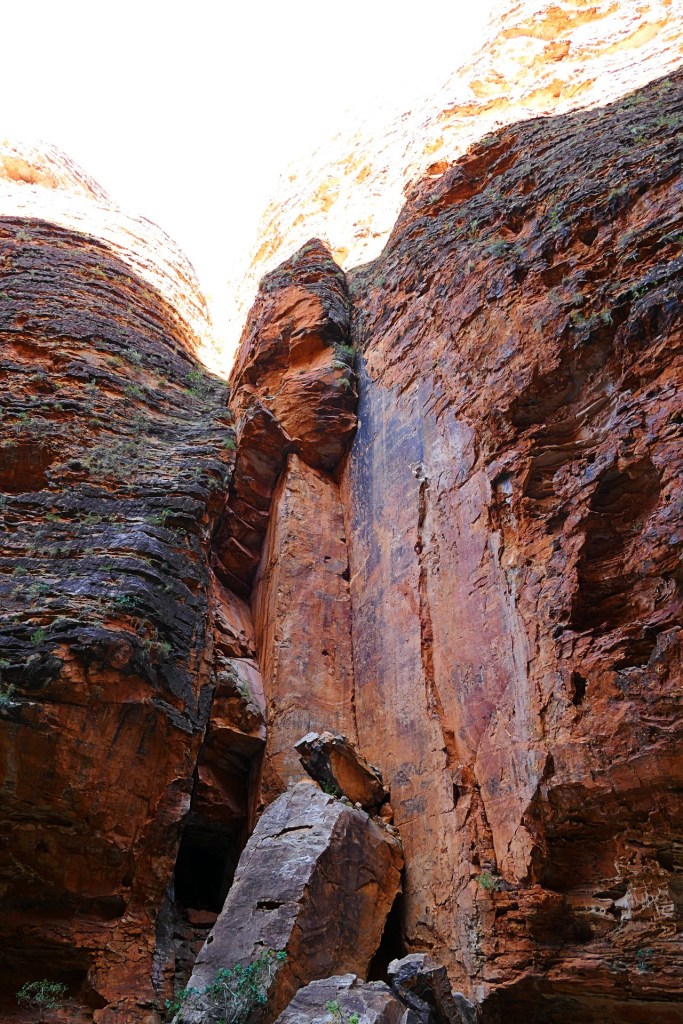
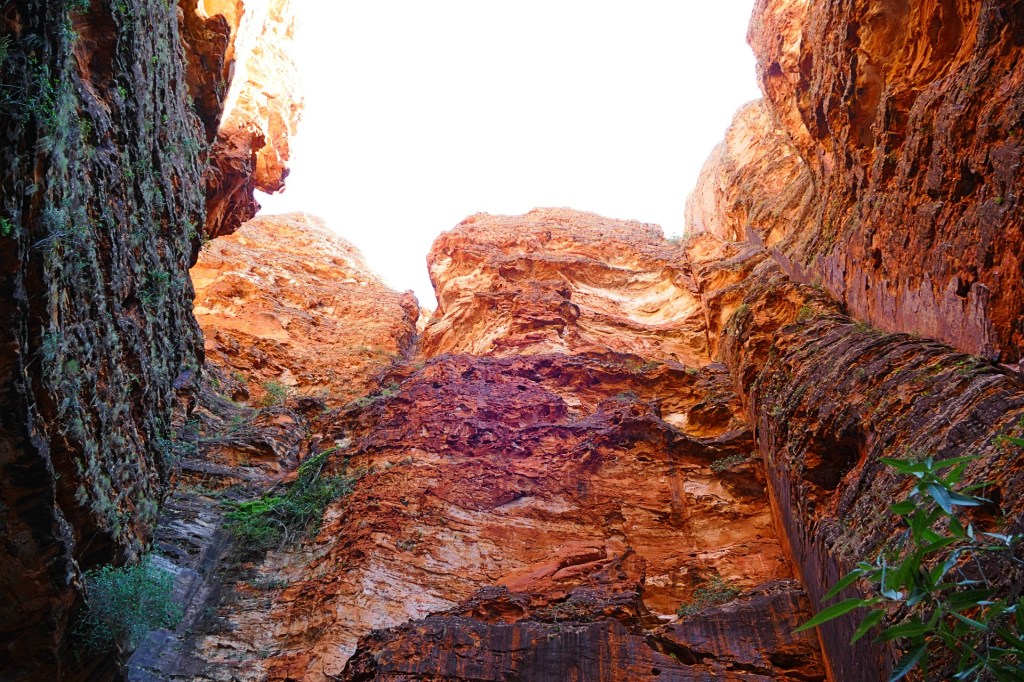
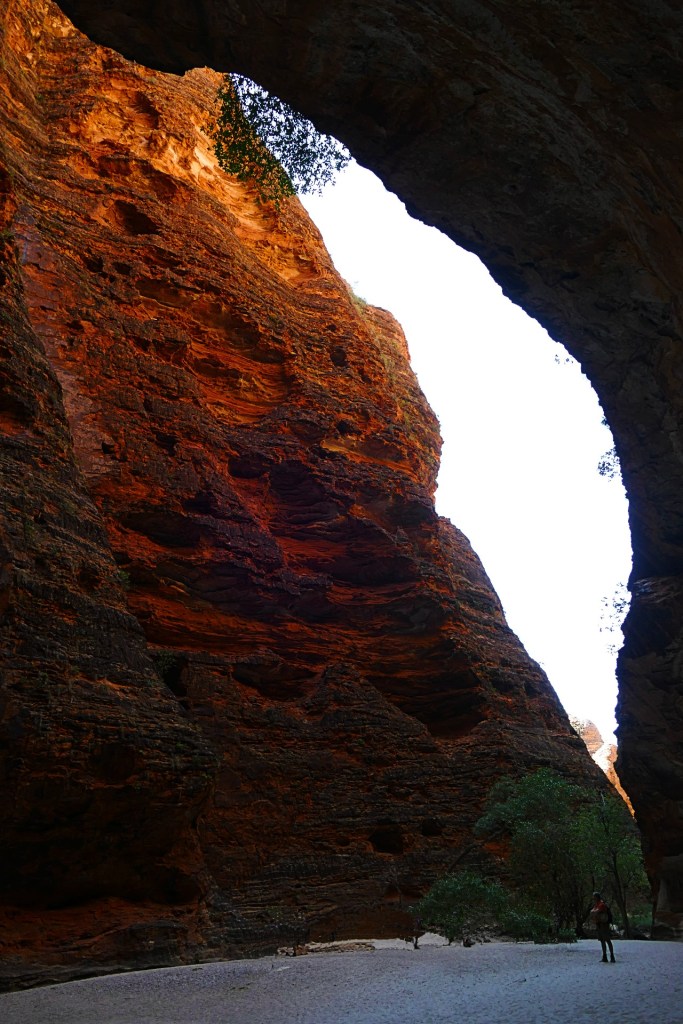
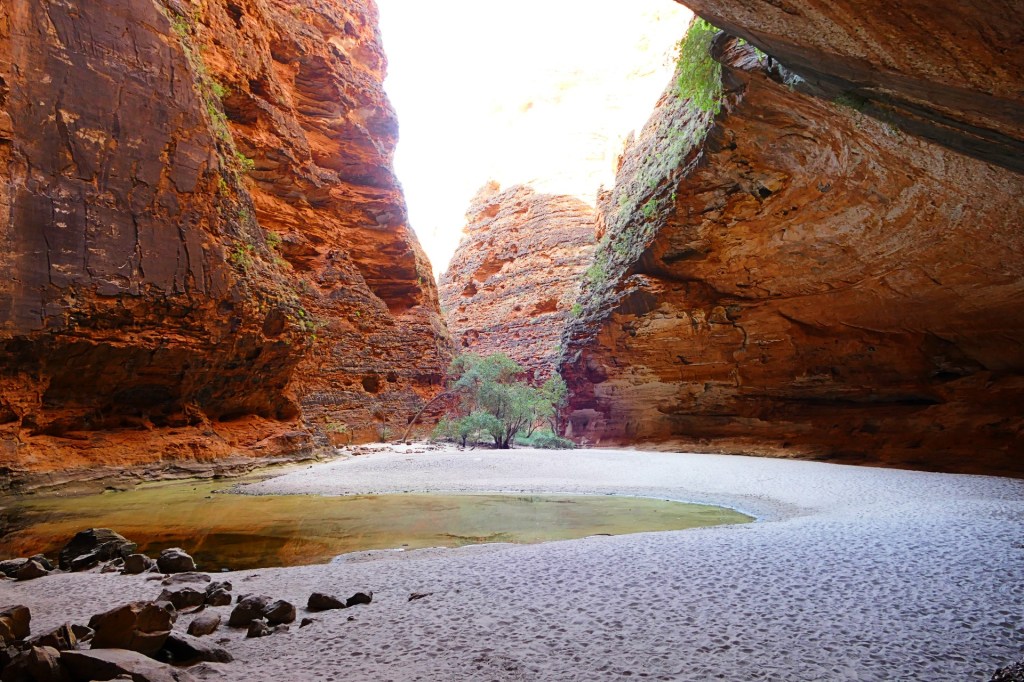
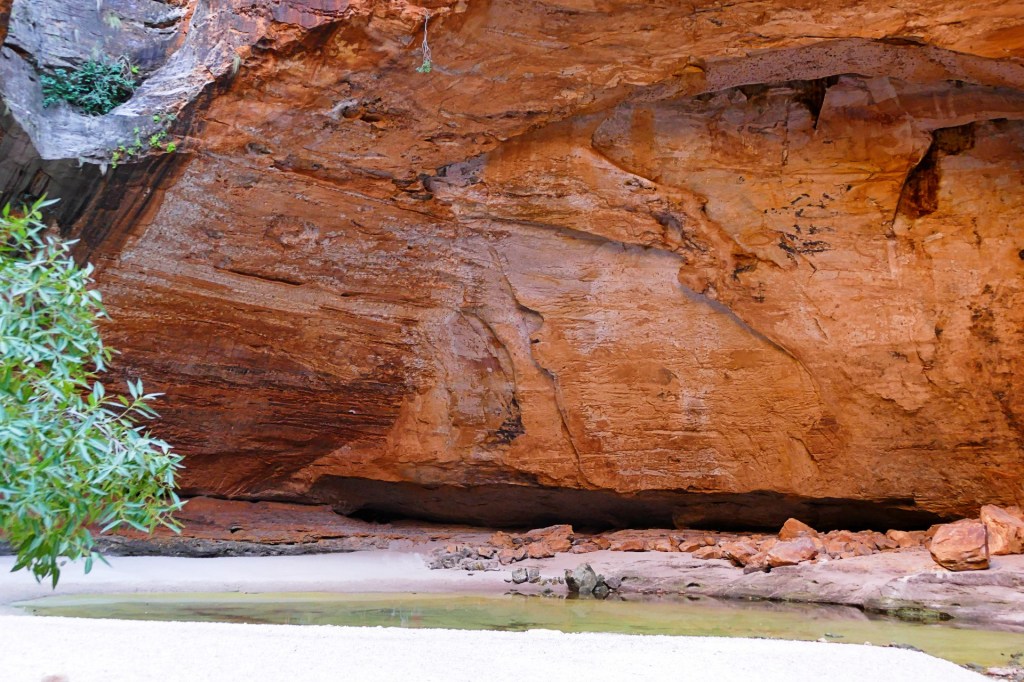
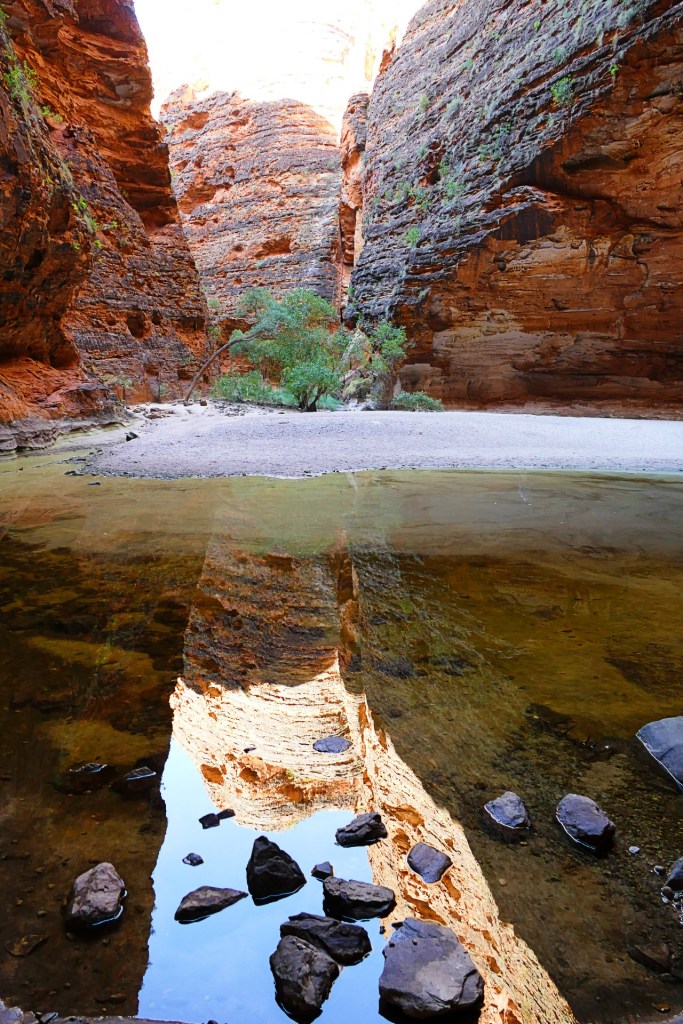
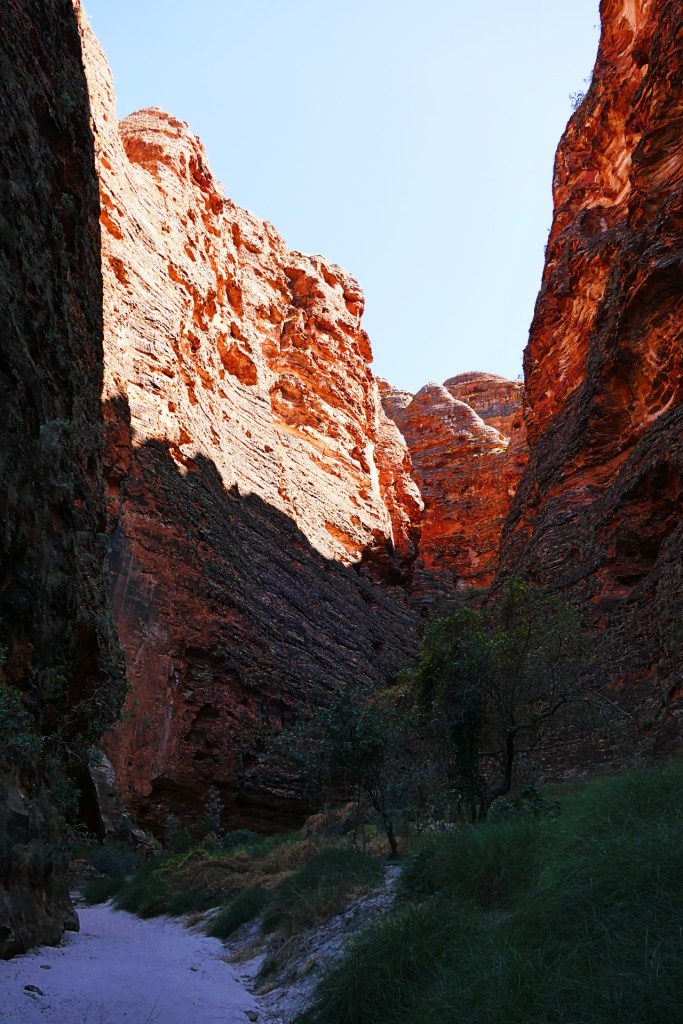
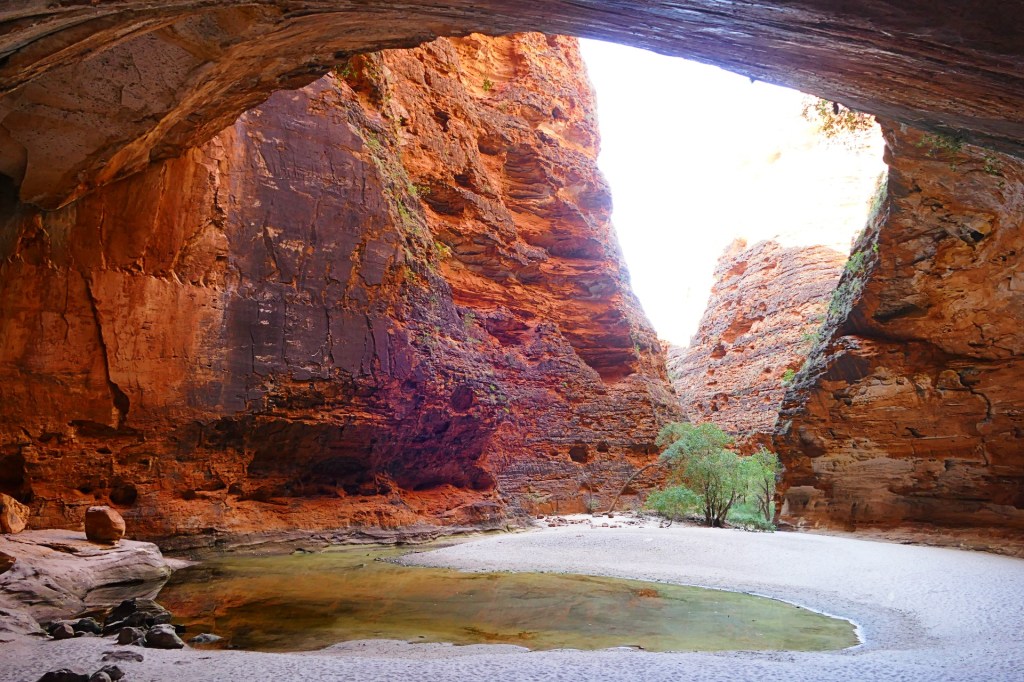
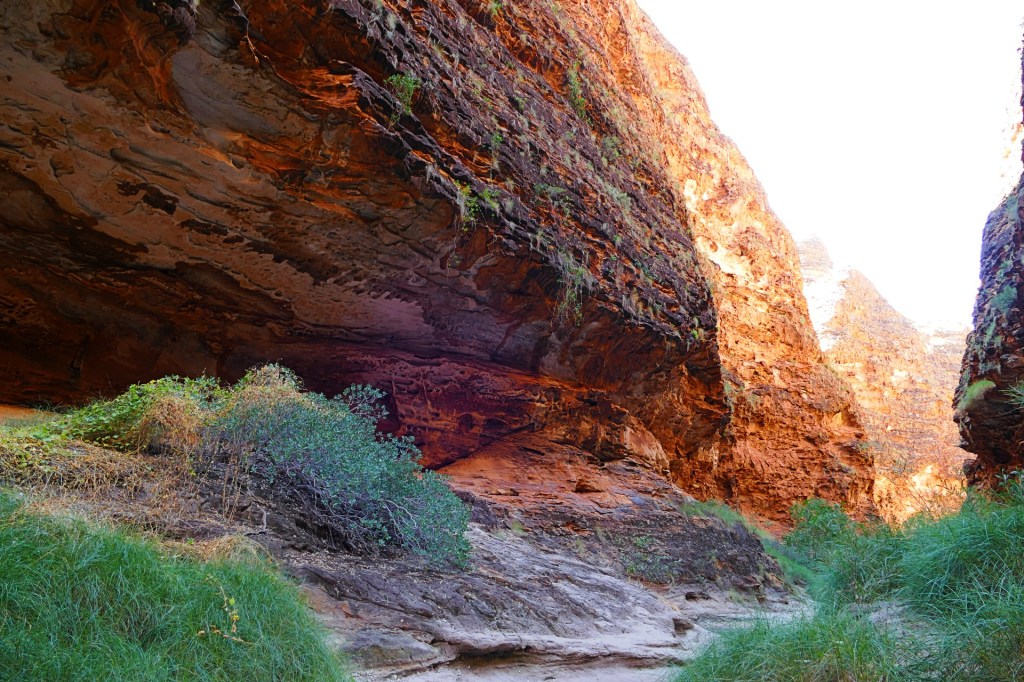
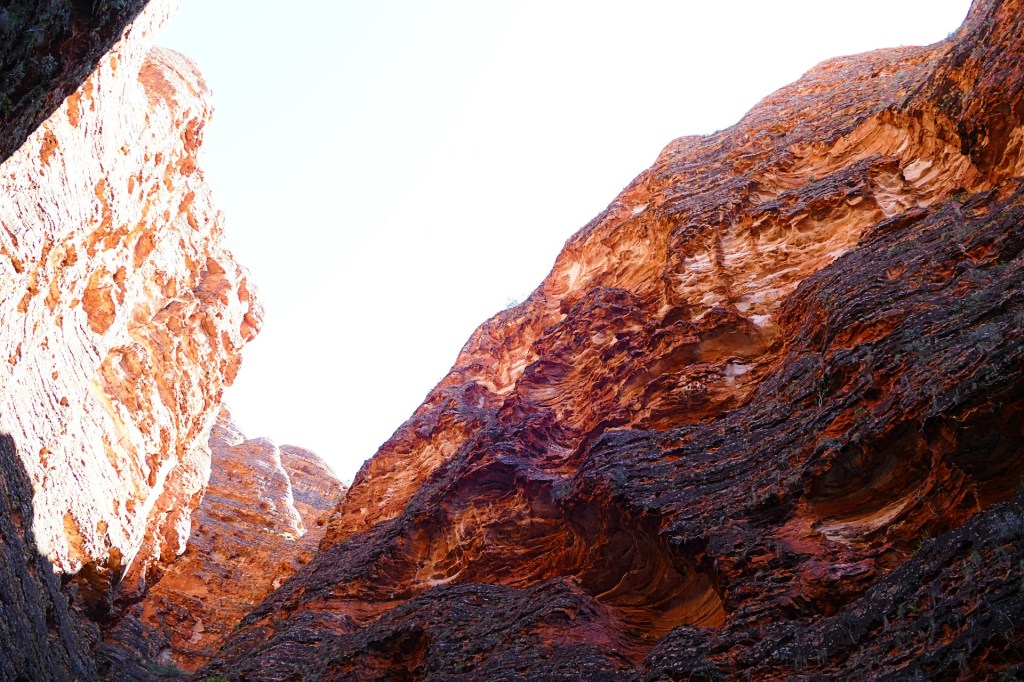
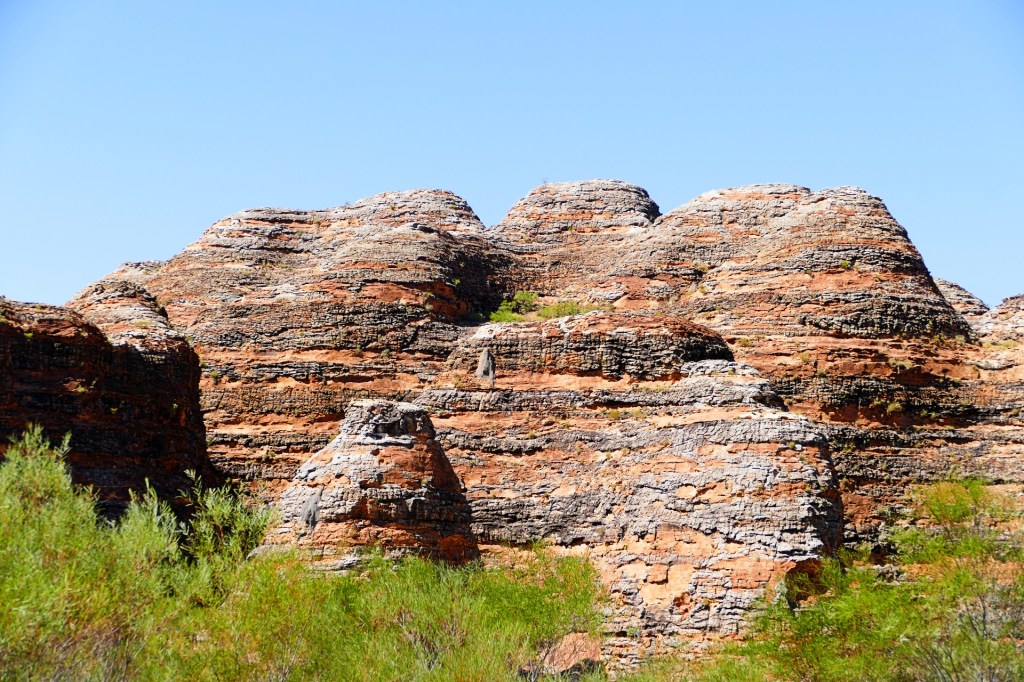
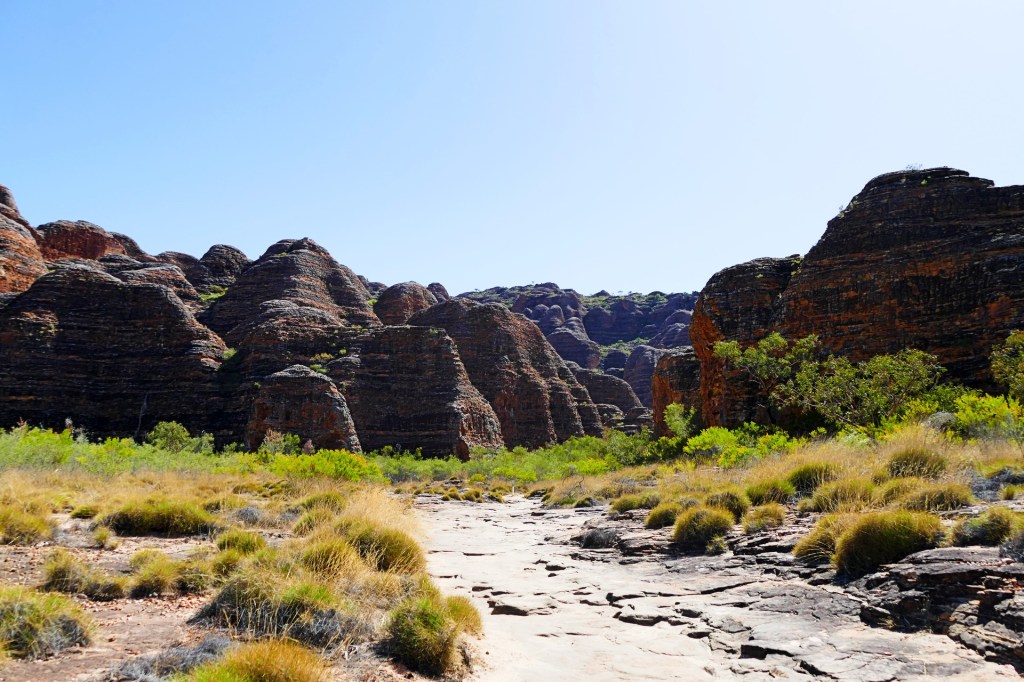
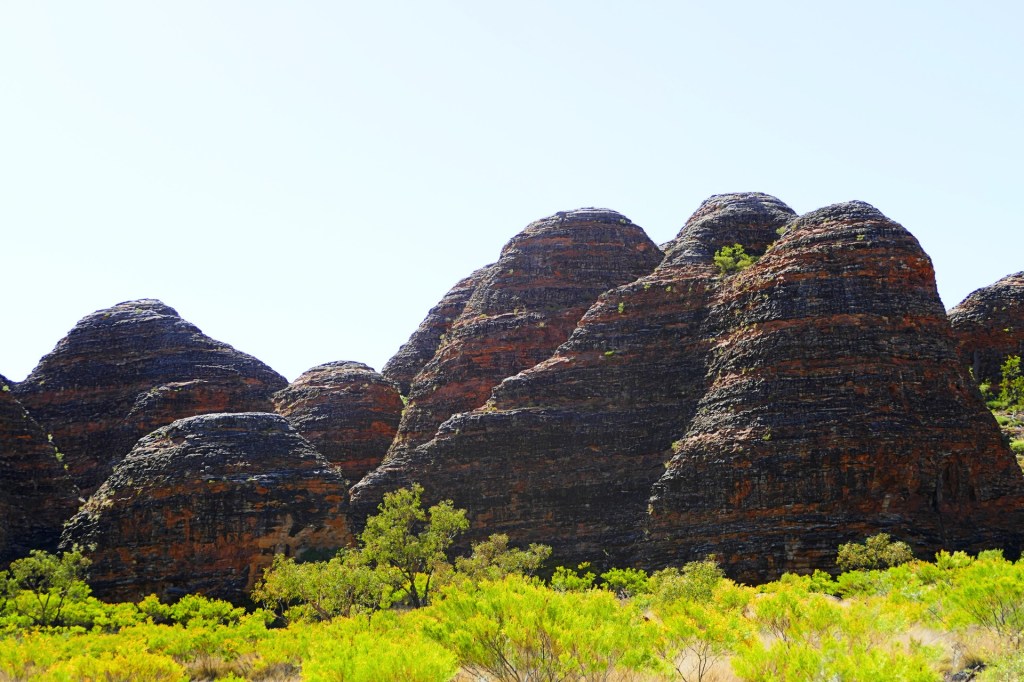
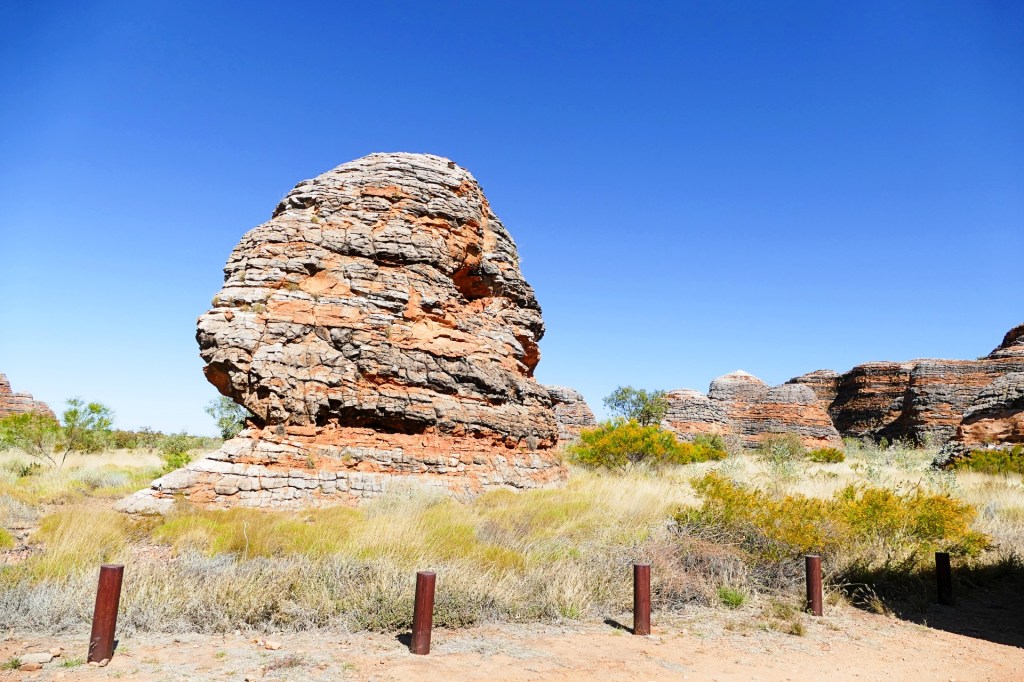
Next we did the Domes walk, this walk epitomised what we all think of when we think of Bungle Bungles. The rock formations were spectacular.


Day 169, Thursday the 14th July, 2022
Today we leave regretfully leave Western Australia and enter into the Northern Territory. We loved WA, Ningaloo Reef, the Pilbara and the Kimberley in particular and its beautiful sunsets. Now it is time to explore the beauty of the NT.
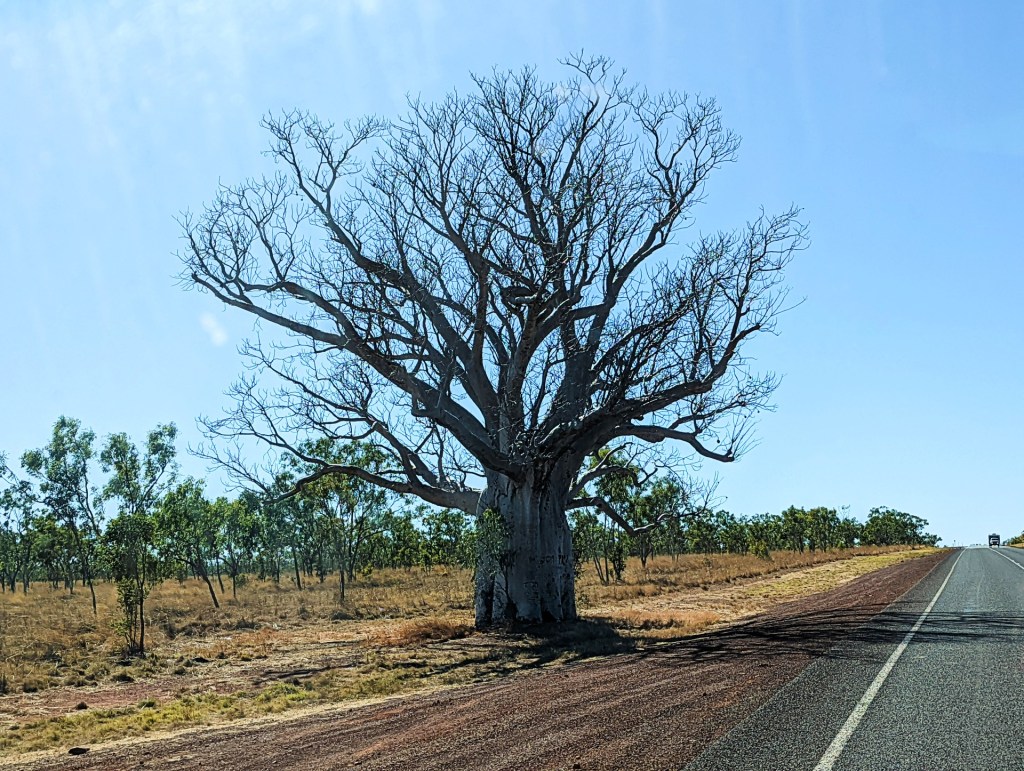
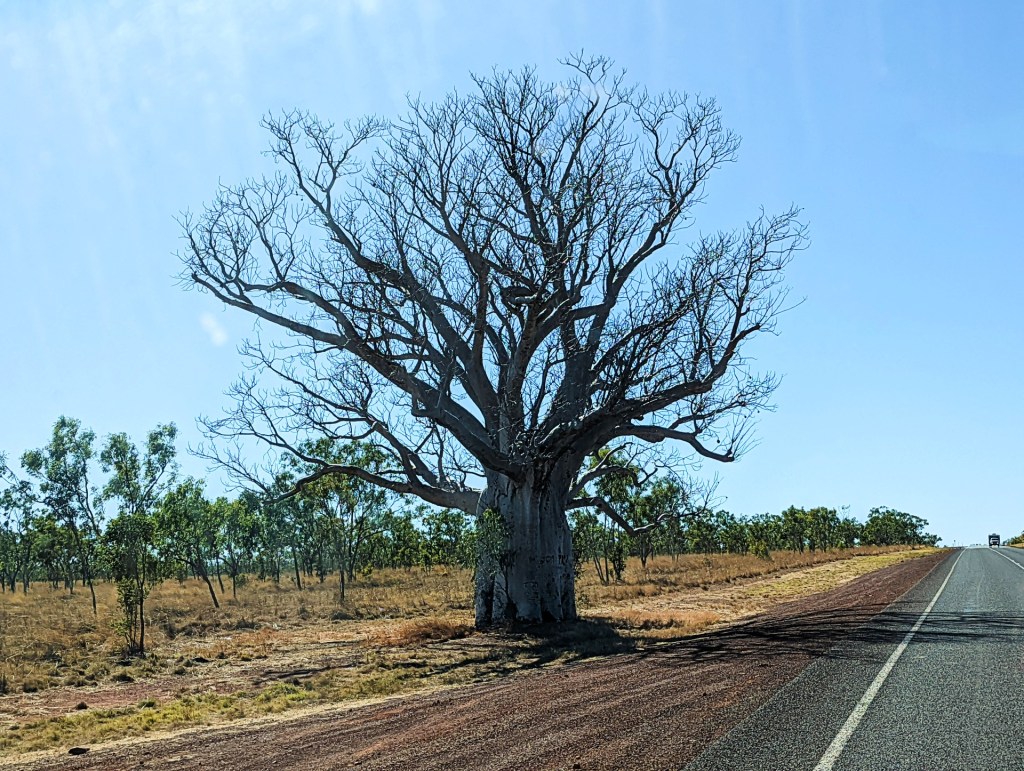
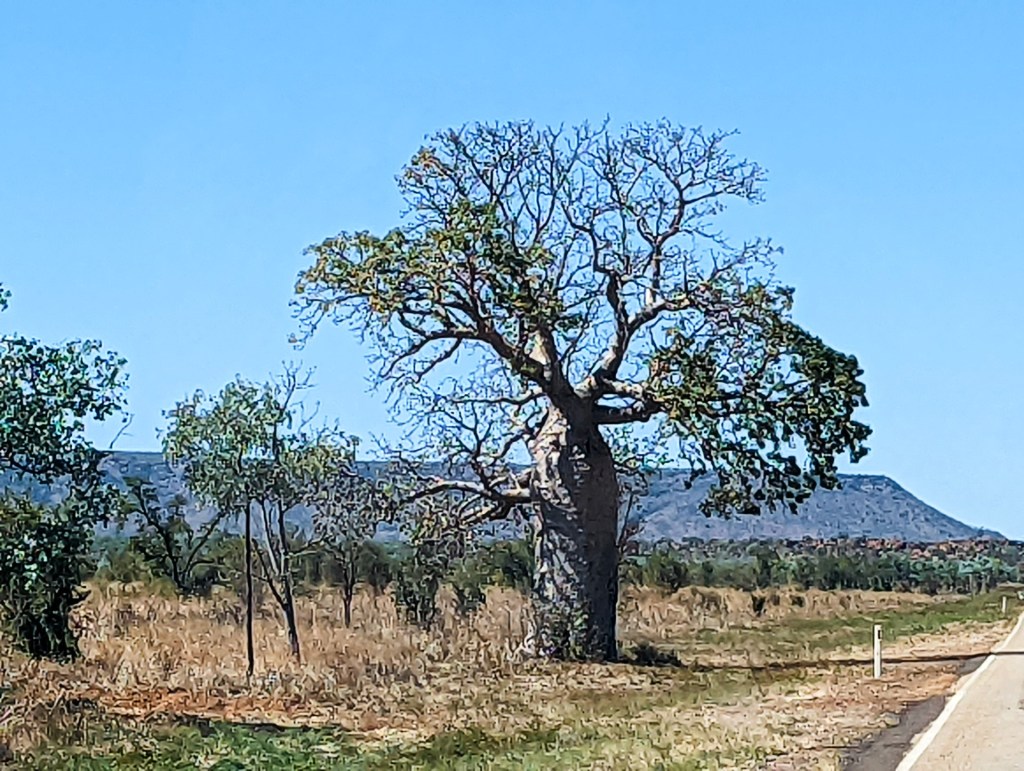
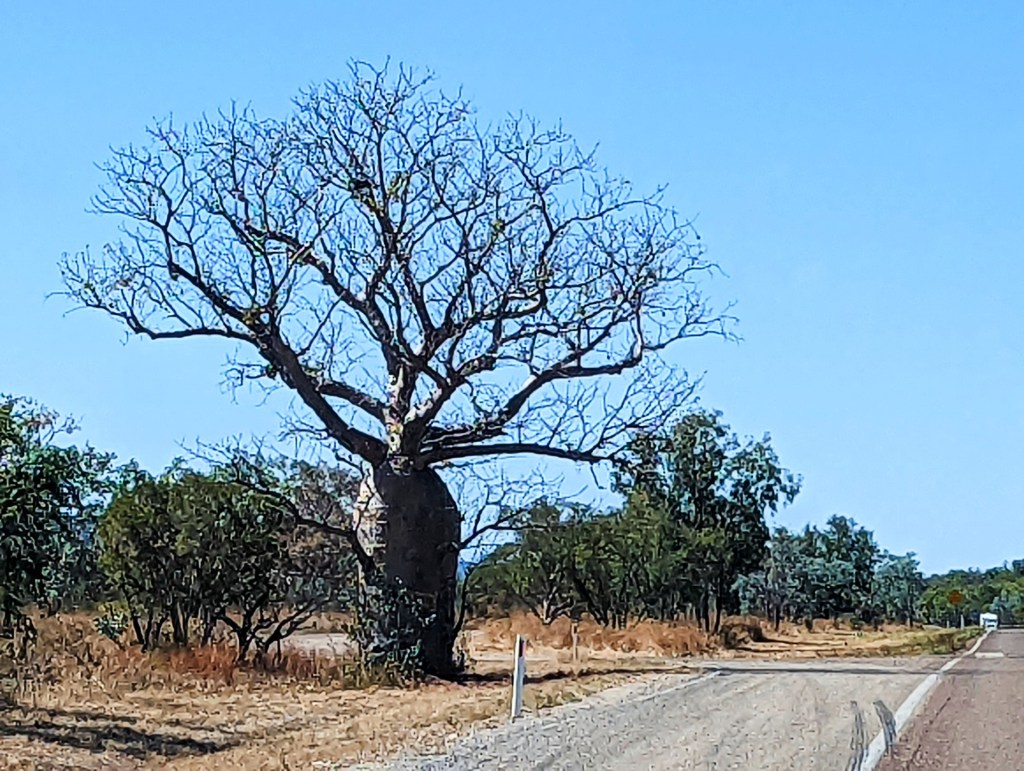
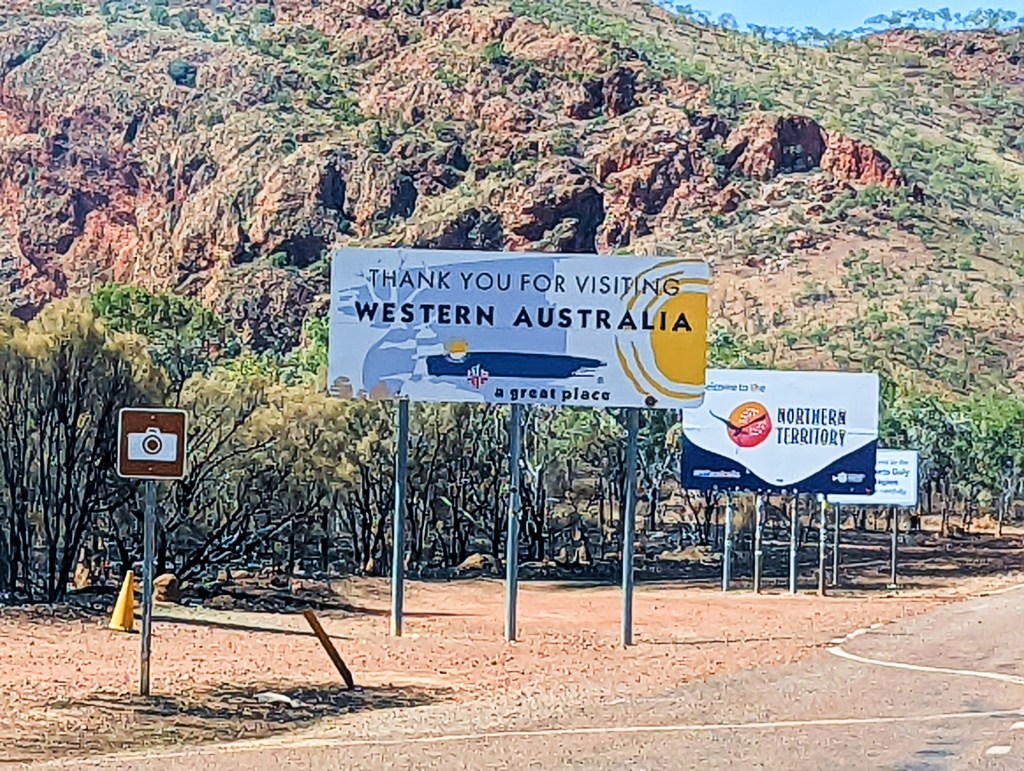
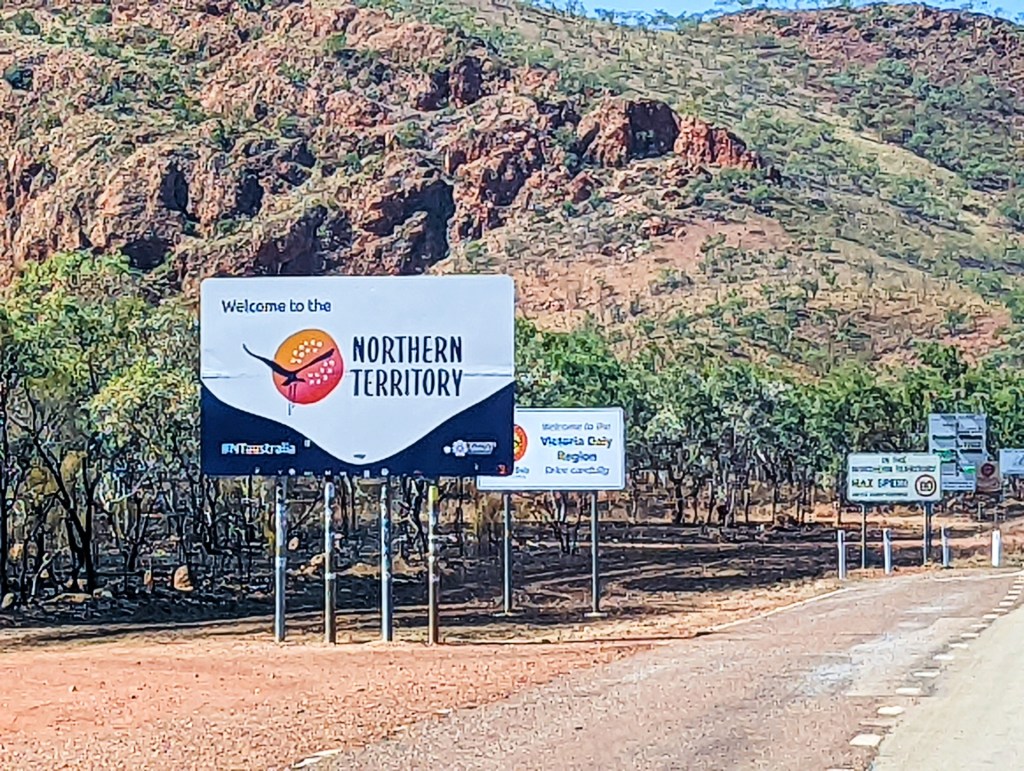
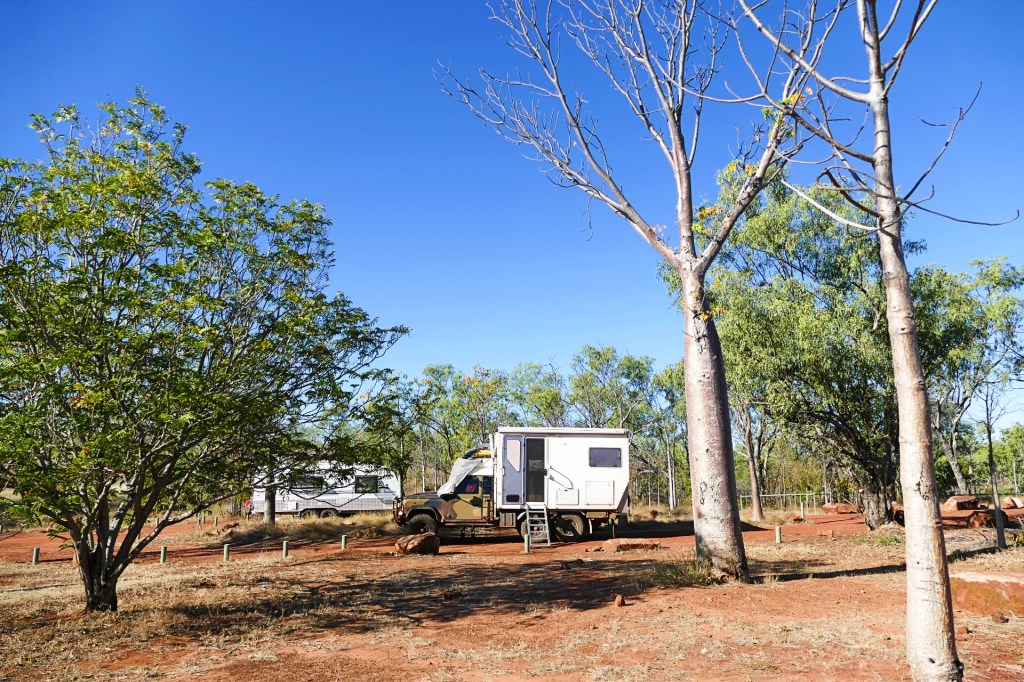
We spent the night at the Big Horse Creek camp ground, It is on the Victoria River which has lots of salt water crocodiles in it. We didn’t see any crocs, but we were careful not to go near the water.
Day 170, Friday 15th July, 2022
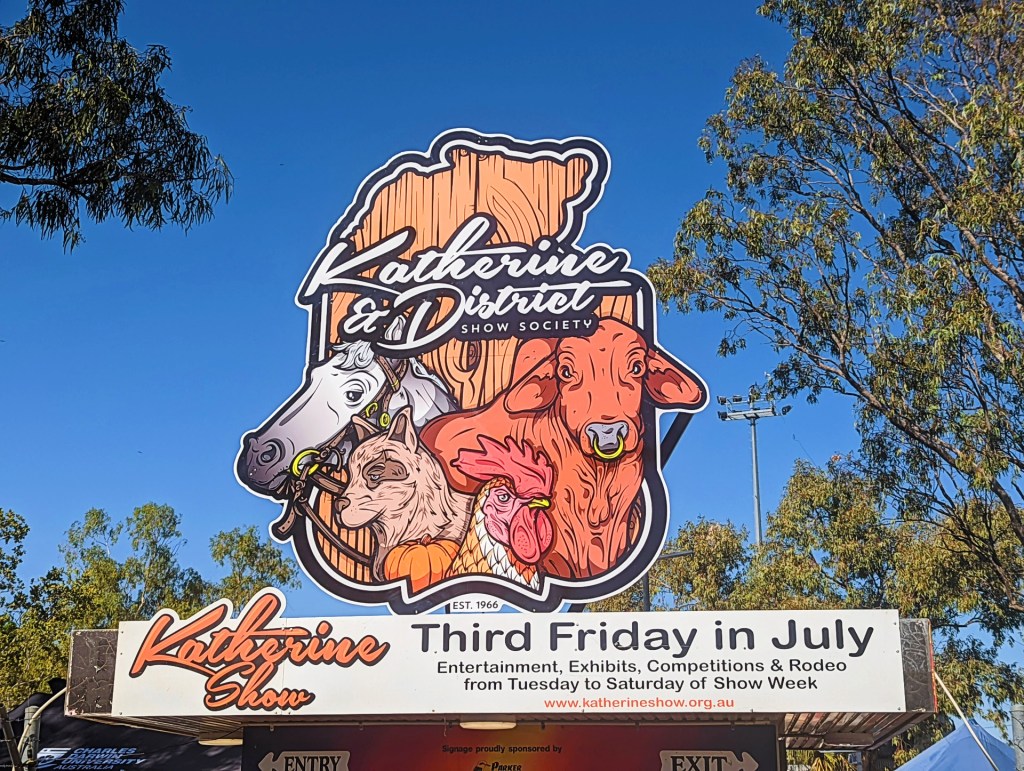
We continued our trip to Darwin, passing through Katherine along the way. As we drove through Katherine, we noticed that the Katherine show was on, so we stopped for the show.
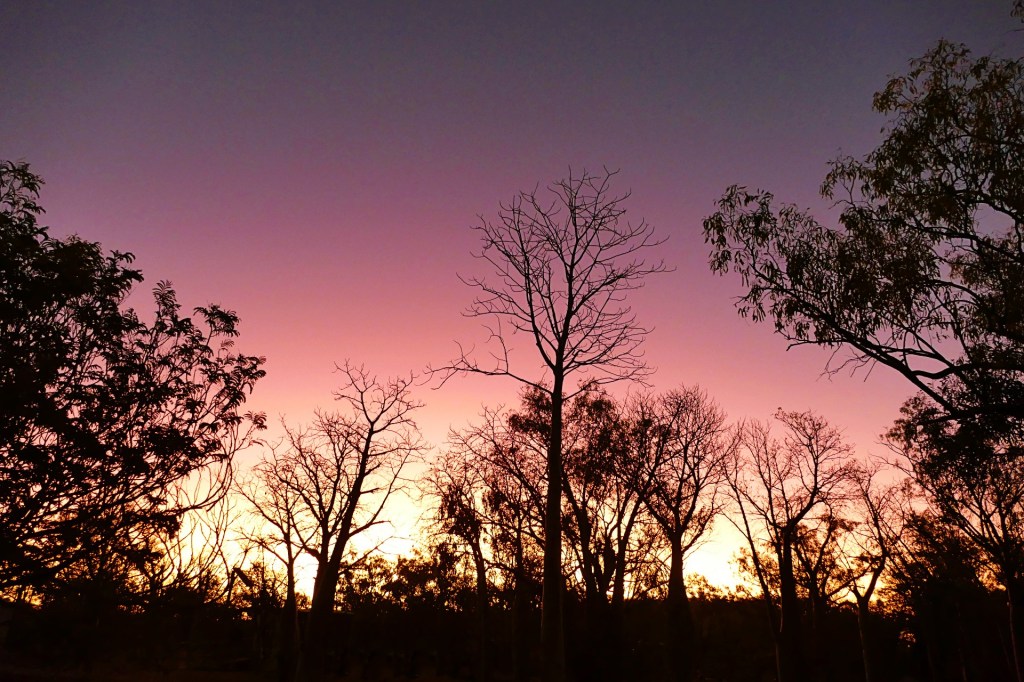
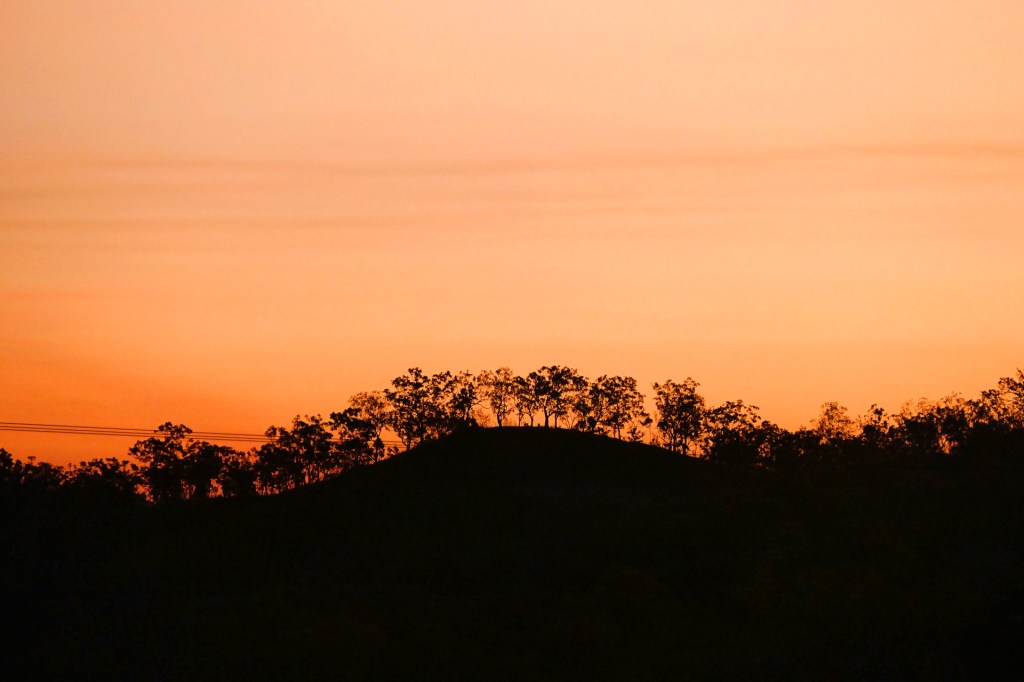
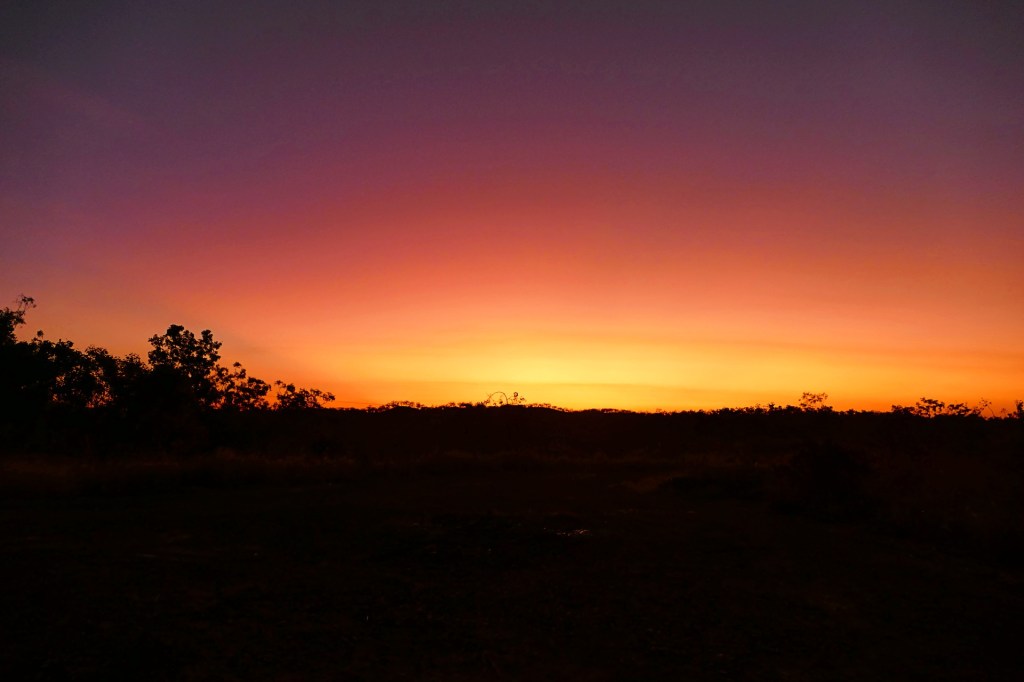
After the show we continued our journey and ended the day by stopping at a free camp spot on the side of the road behind a cut line, which gave us some privacy. The sunset was lovely.
Day 171, Saturday the 16th July, 2022
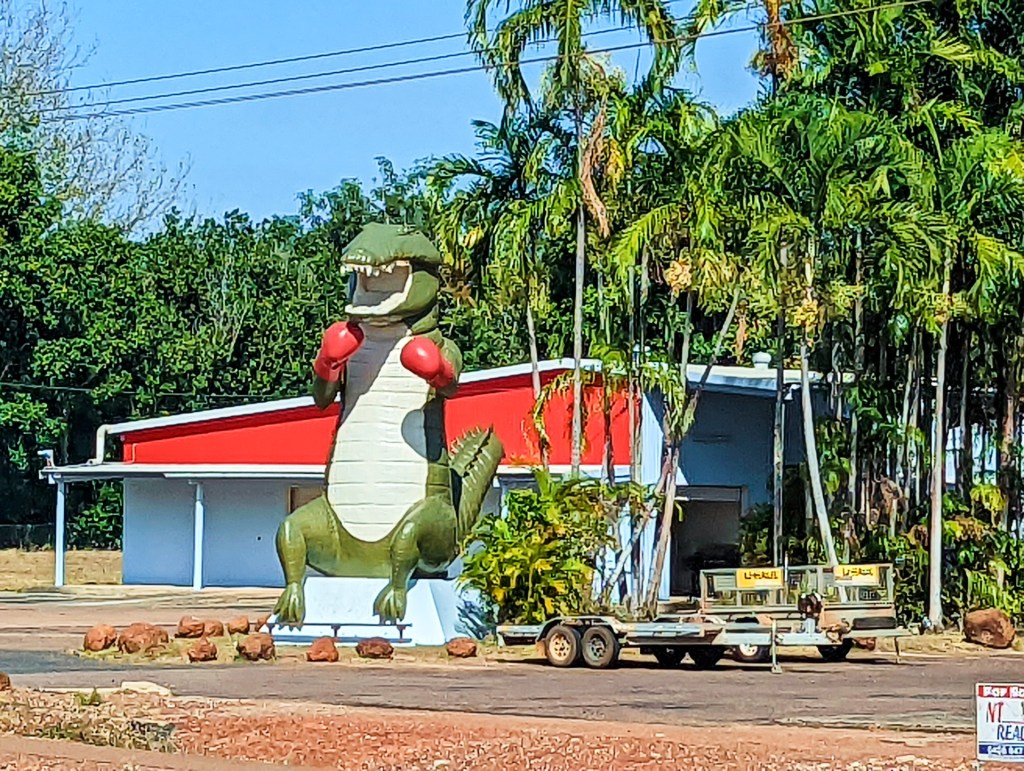
We arrived in Darwin today, we were booked into the CMCA caravan and motorhome park just behind “The World Famous Humpty Doo Hotel”. It was very cheap especially to members of the CMCA, which we are, $3 per night per person, it was more for non members. It did not offer any facilities, but it did have access to the hotel pool and laundry, and it was only 30 minutes from Darwin CBD.
Day 172, Sunday the 17th July, 2022
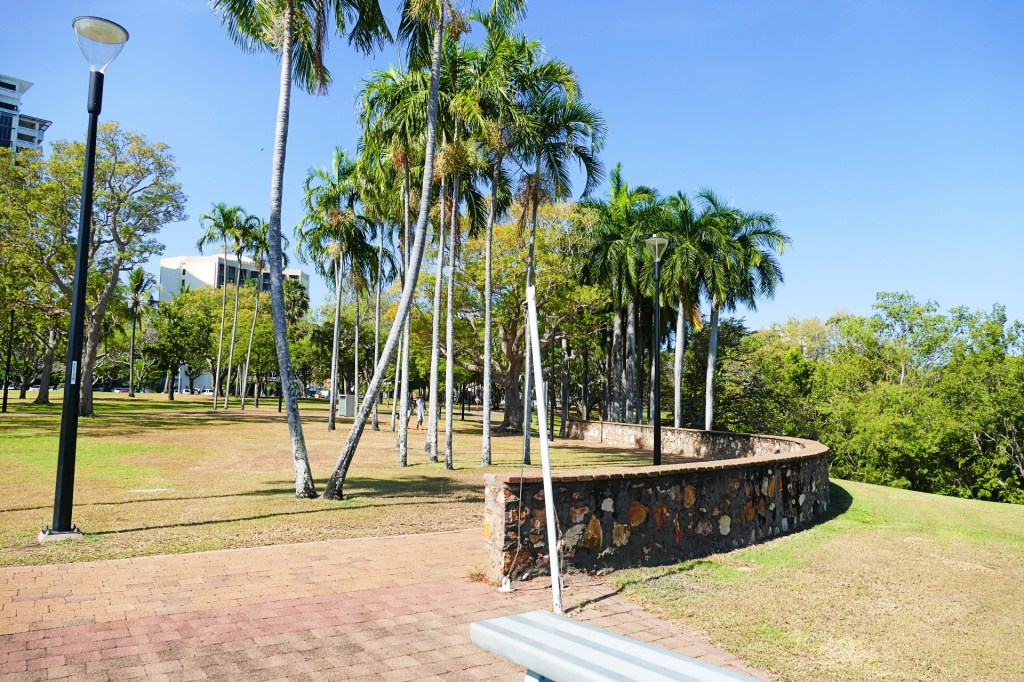
We drove into Darwin and had a bit of a look around, it is a nice city, quite small compared to Sydney or Perth, but it has everything that is needed.
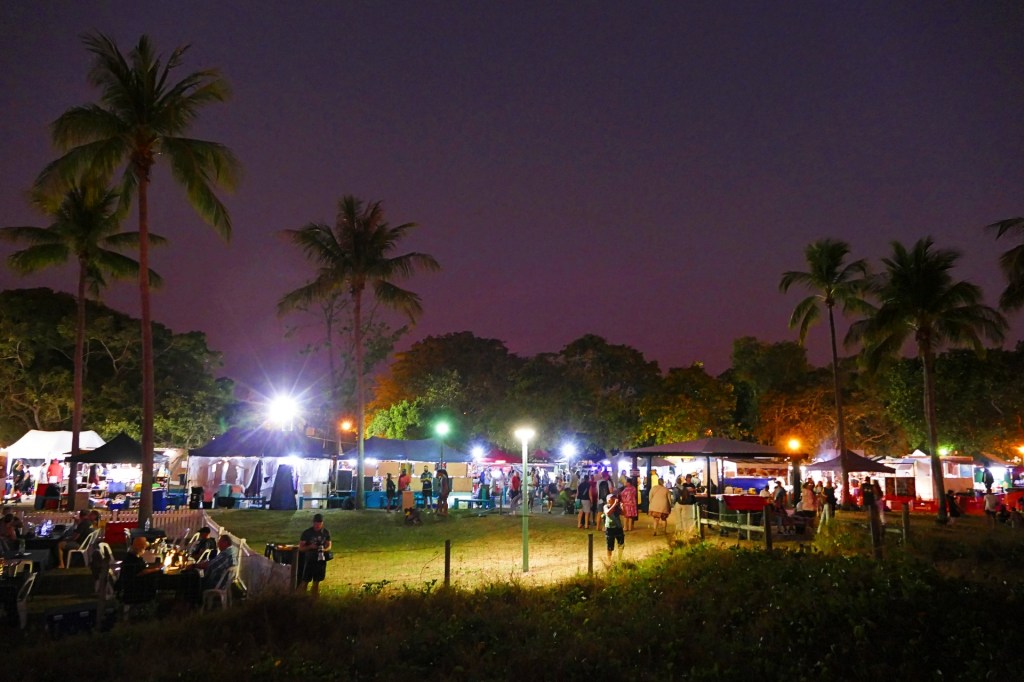
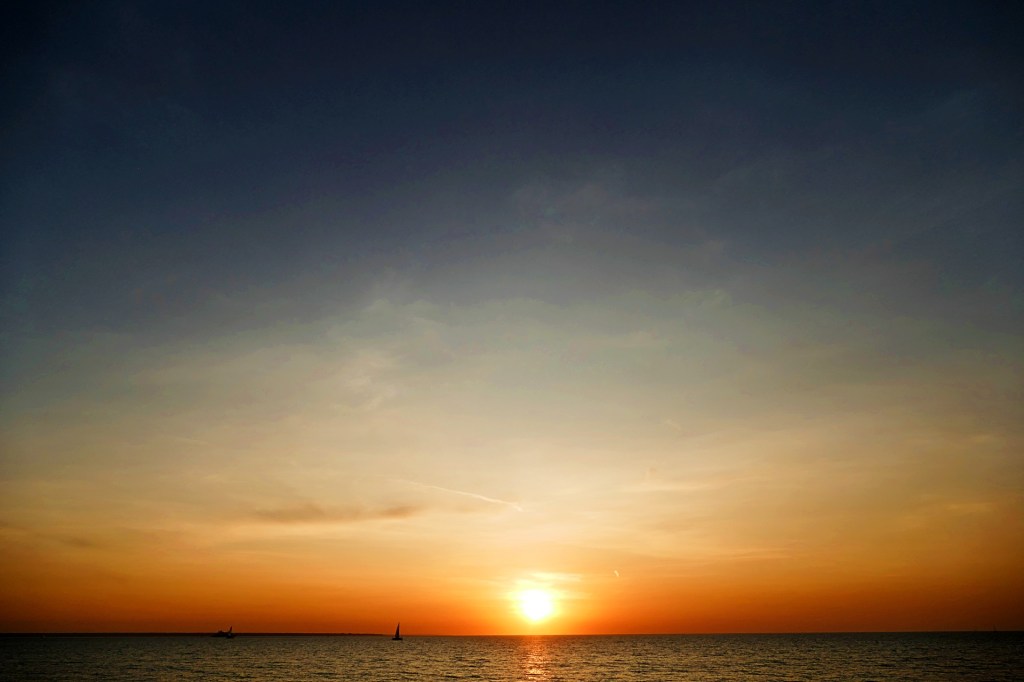
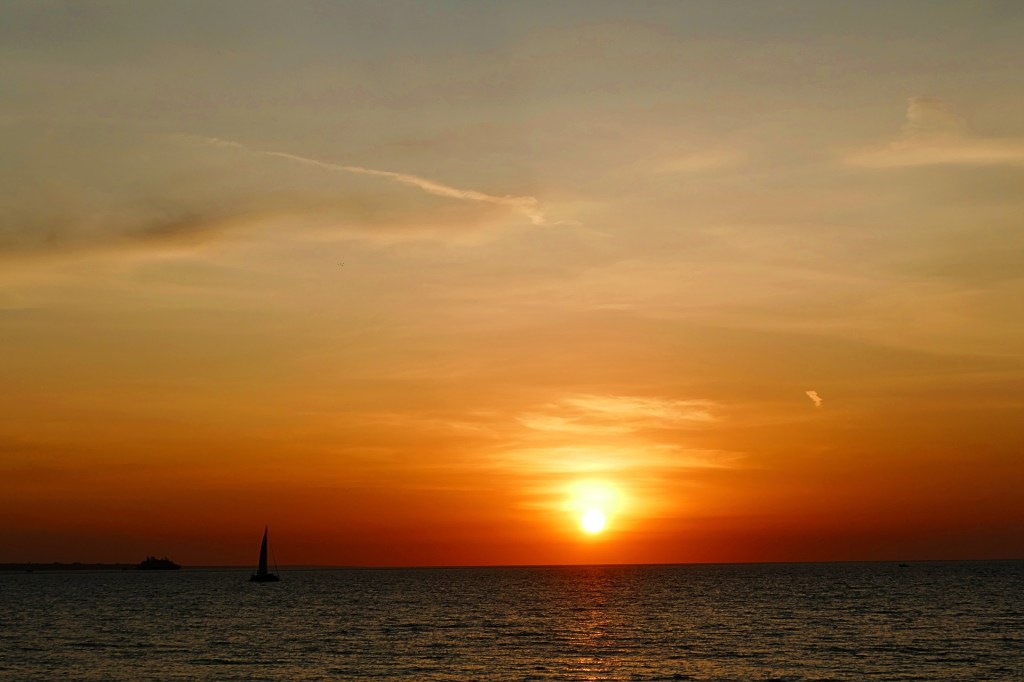
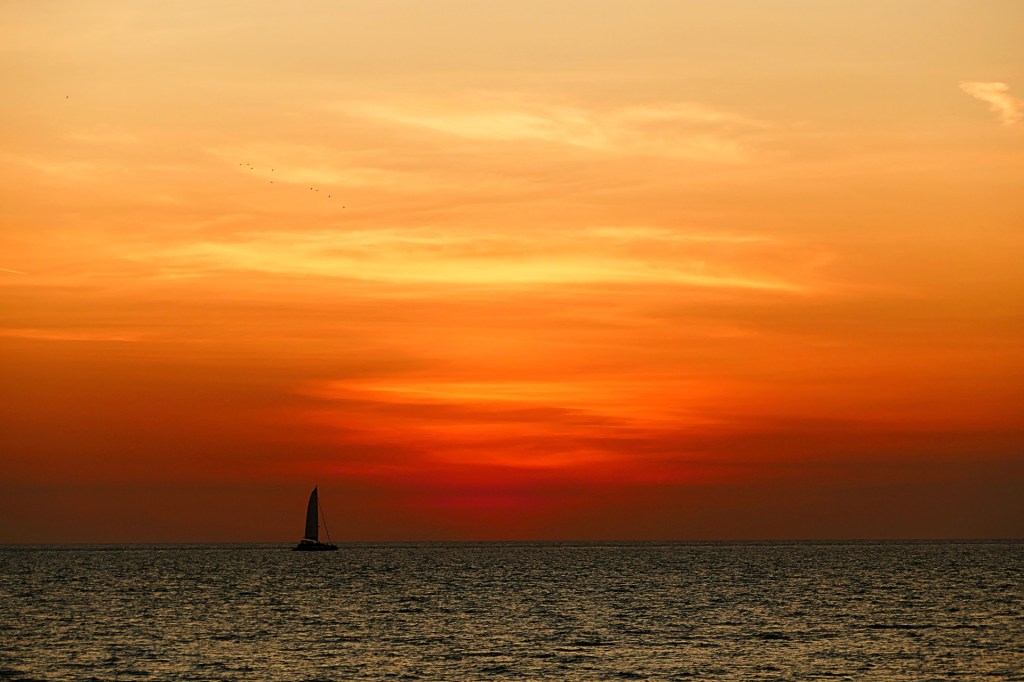
It is also very pretty, there are night markets held from 4:30pm at Mindil Beach each Sunday and Thursday during the dry season. The markets were great, there were over 60 food trucks offering everything you could think of, free entertainment and over 200 stalls. You also got to sit on the beach and see the sunset.
Day 175, Wednesday the 20th July, 2022
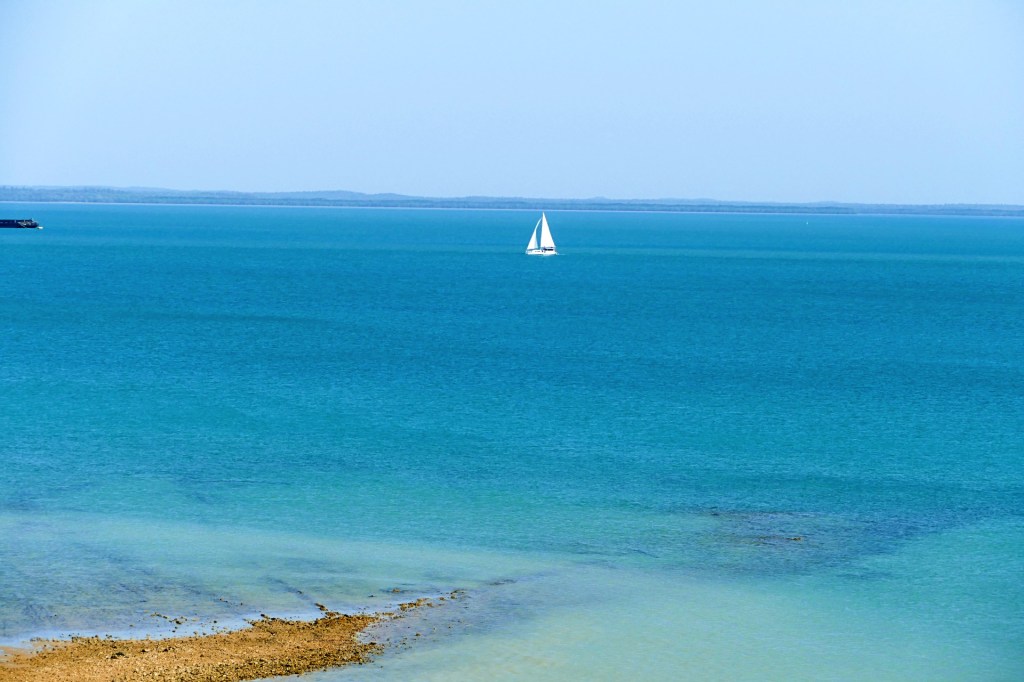
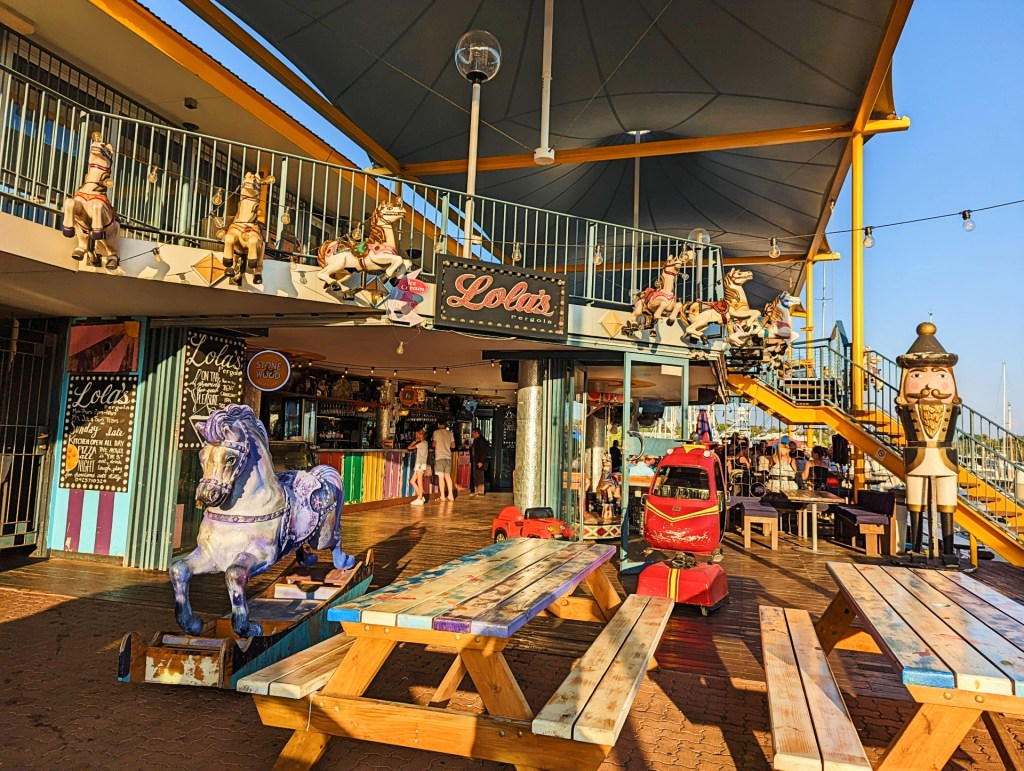
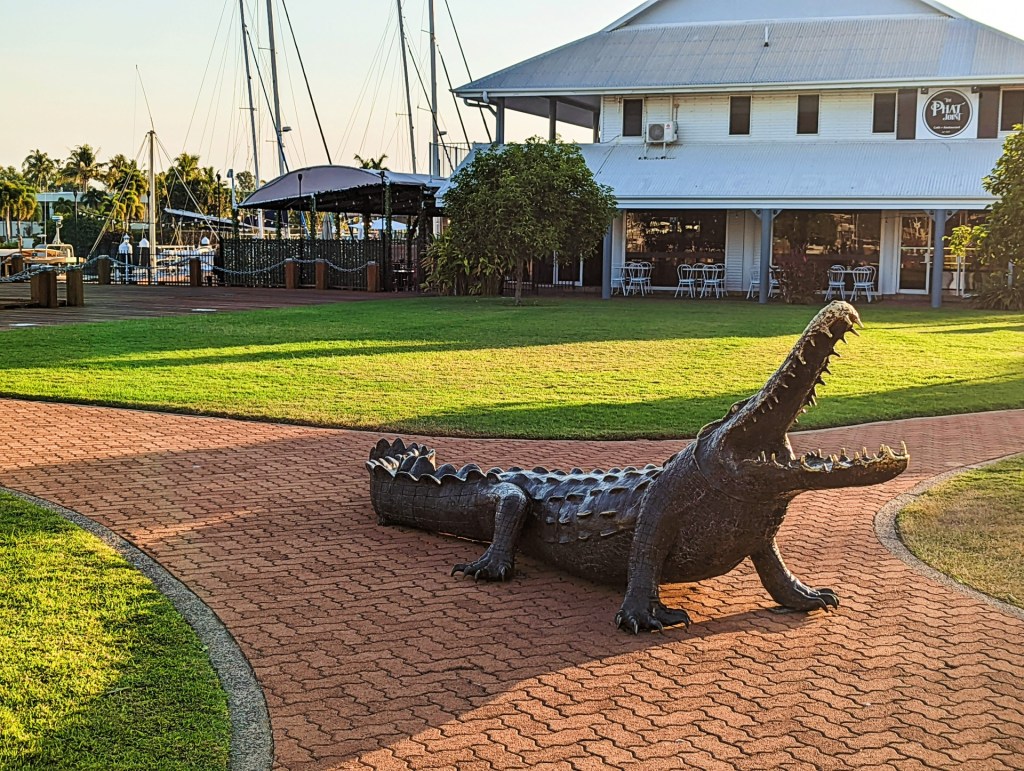
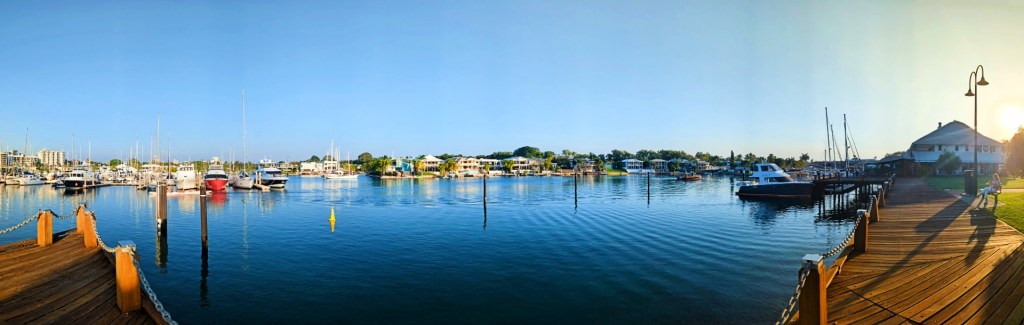
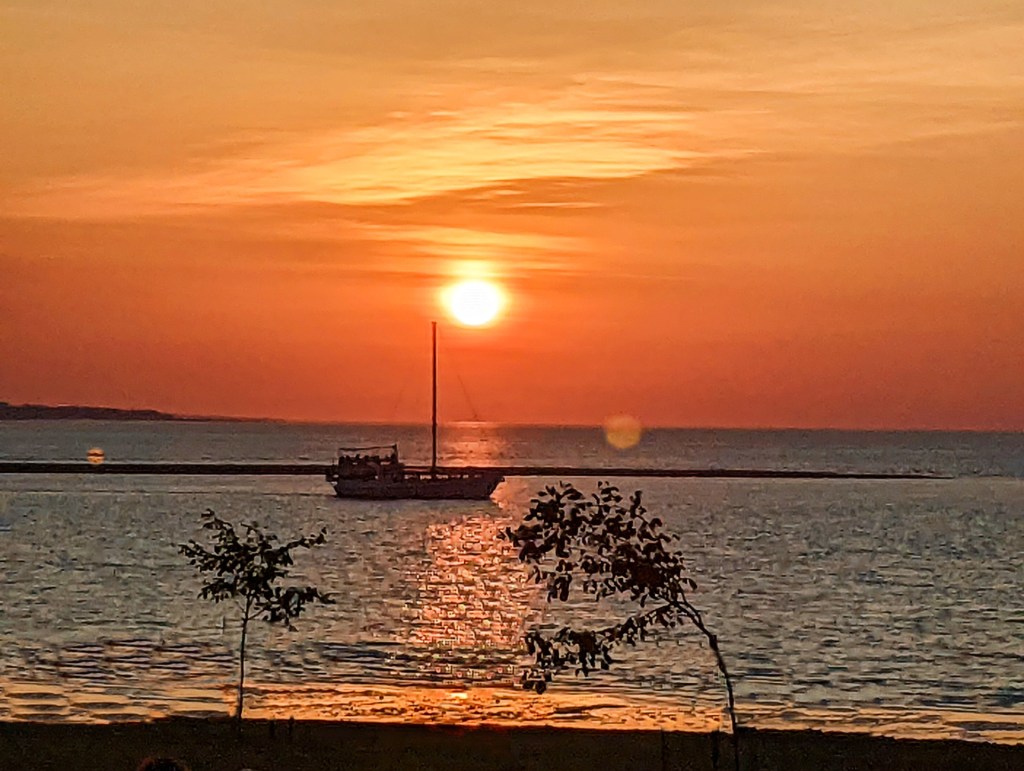
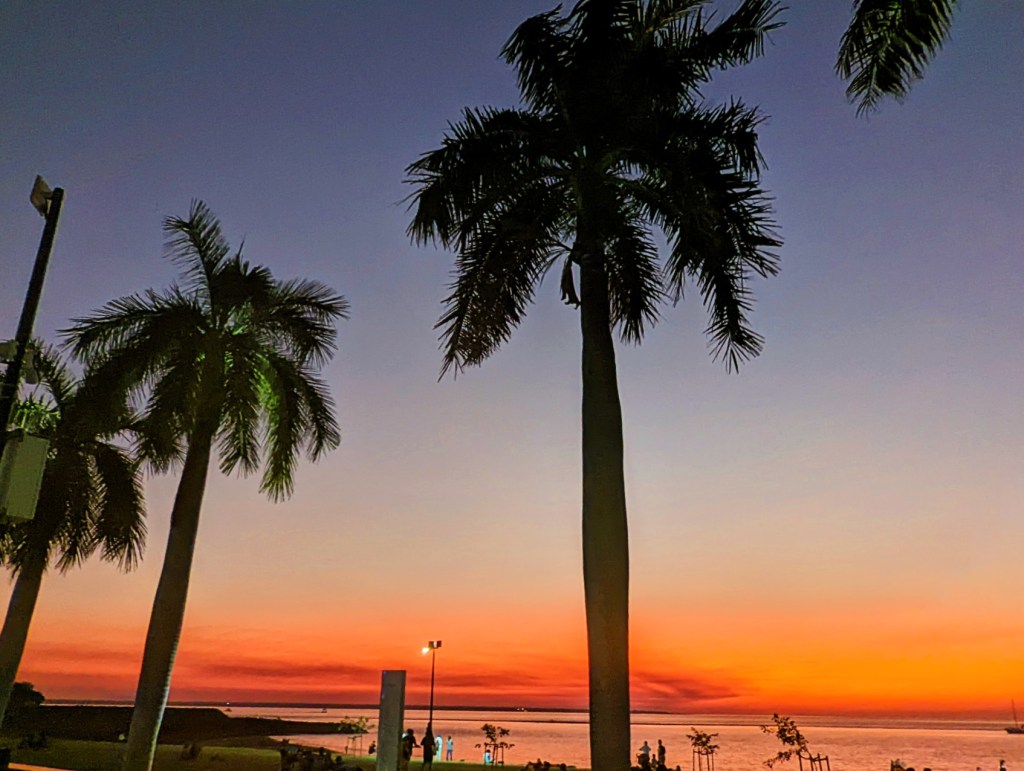
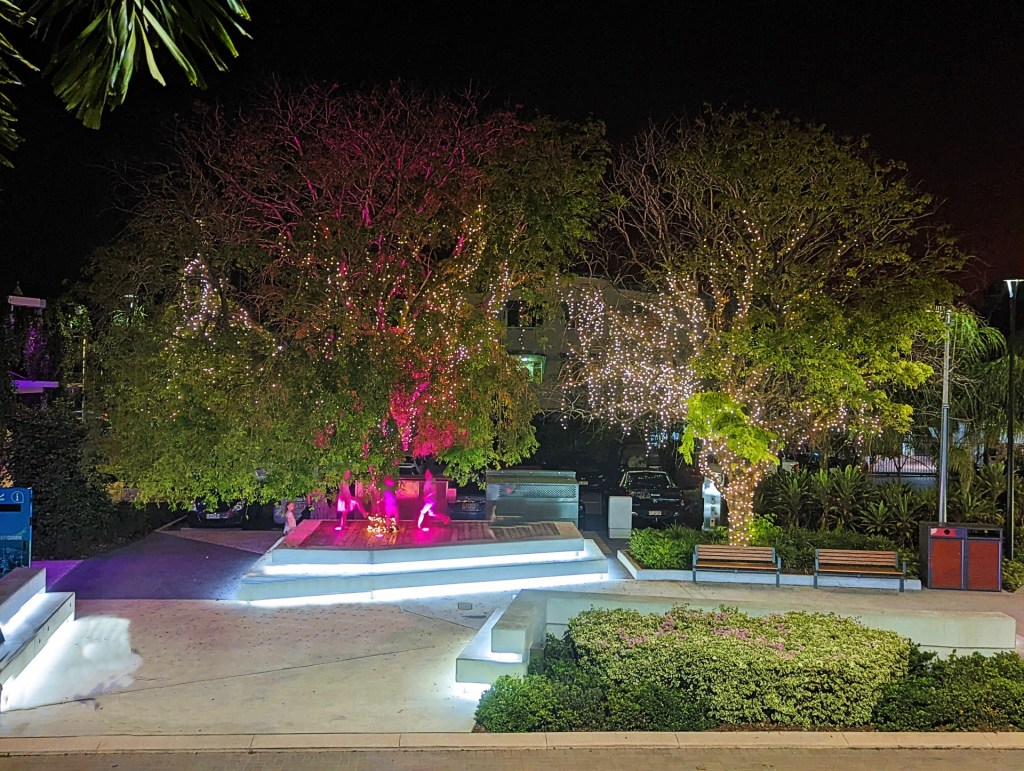
We travelled to Darwin again today to have dinner in the Marina. We got there early and walked around, it was beautiful, our restaurant had the best sunset view.
Day 178, Saturday the 23rd July, 2022
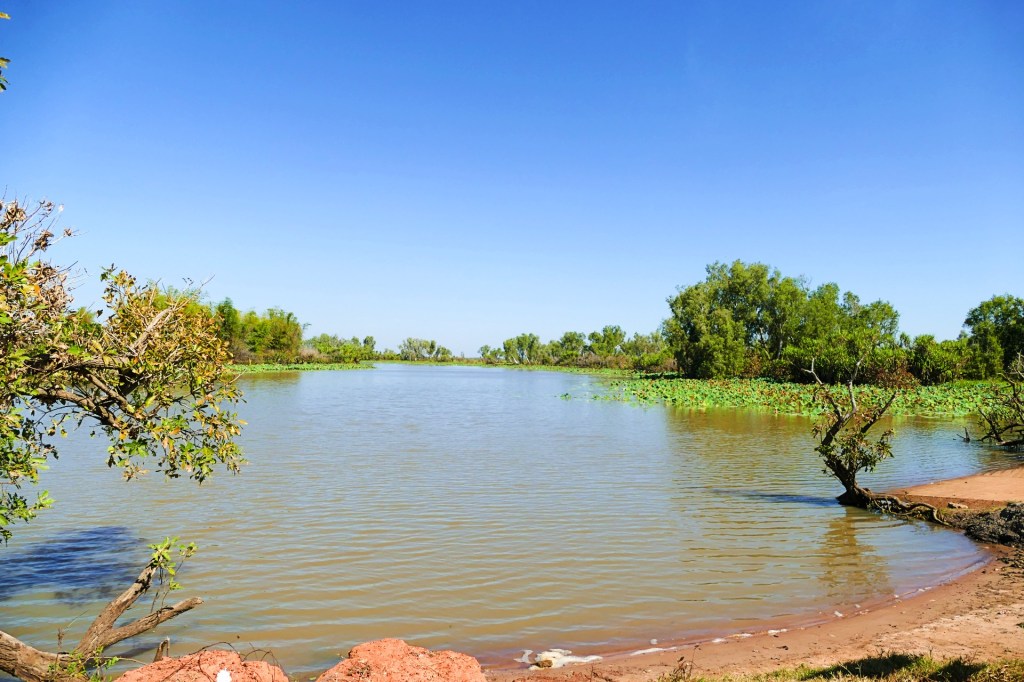
Today we leave Darwin and head for Kakadu, we are not rushing so we stop at Corroboree Billabong for lunch and to have a look around.
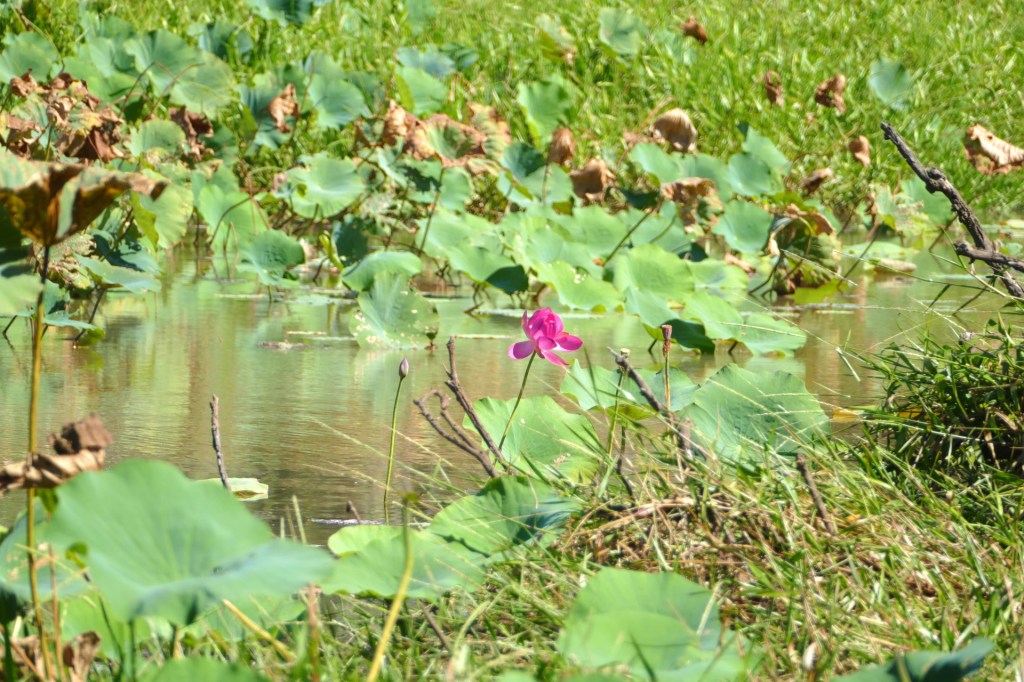
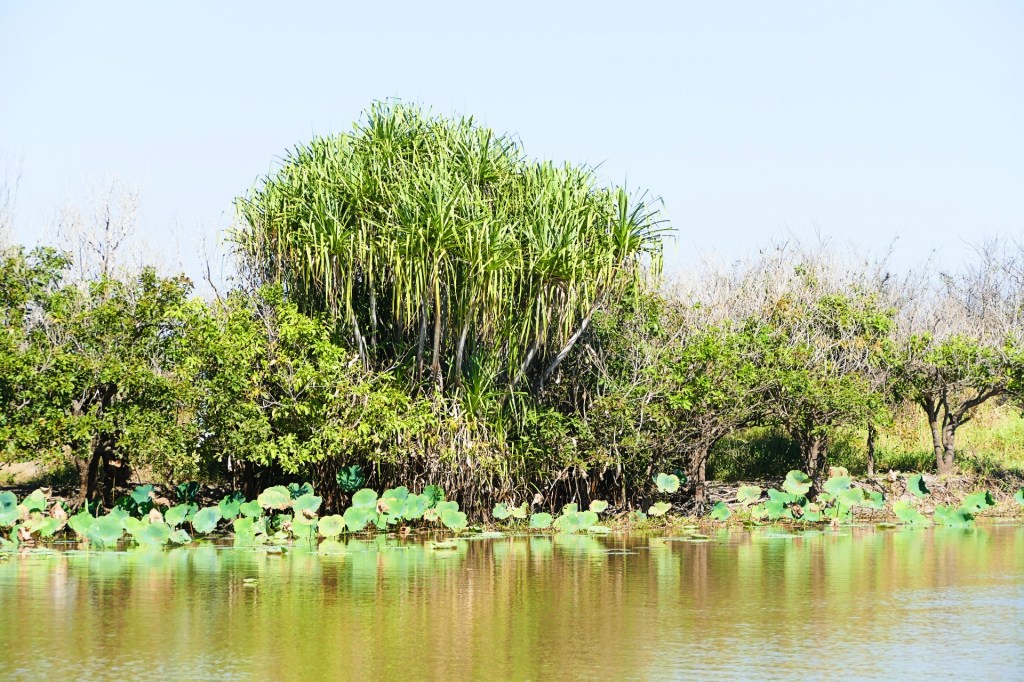
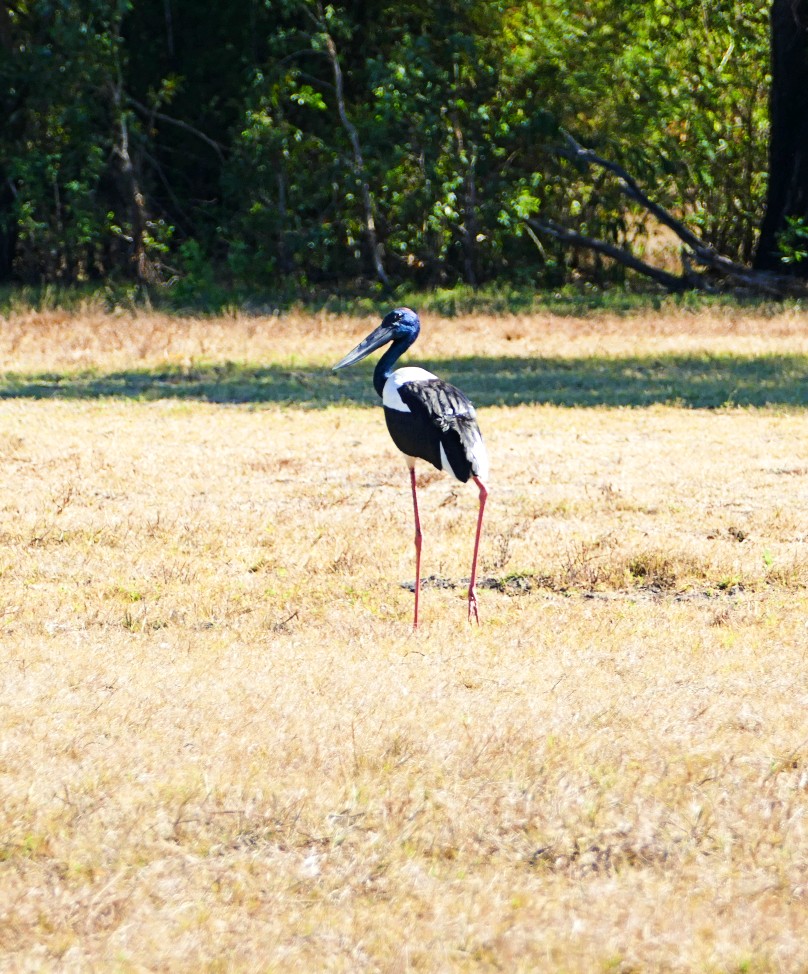
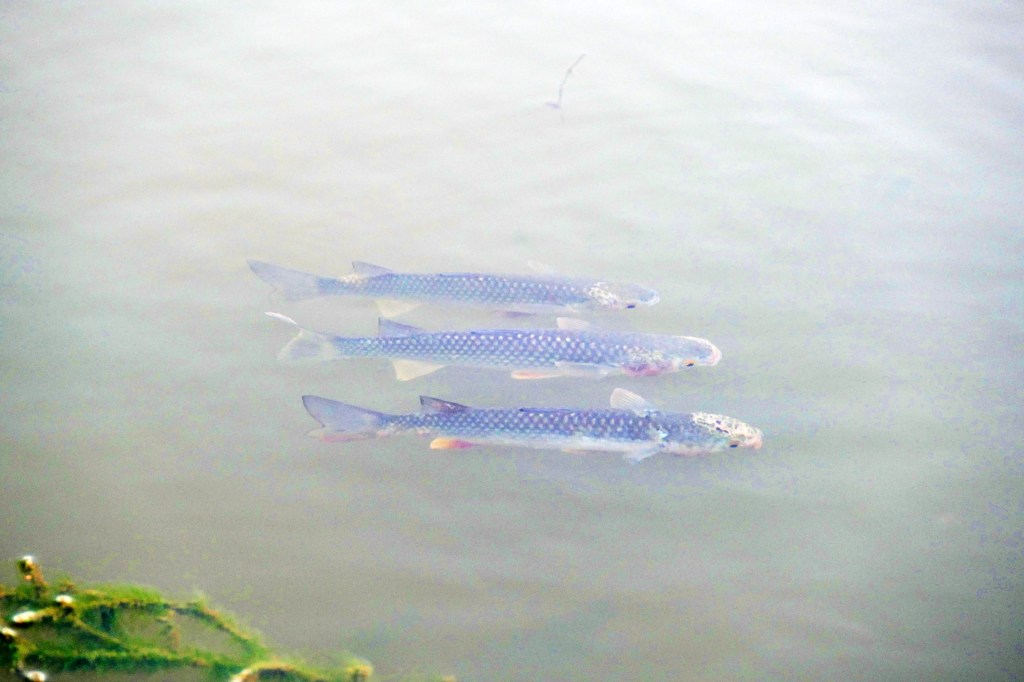
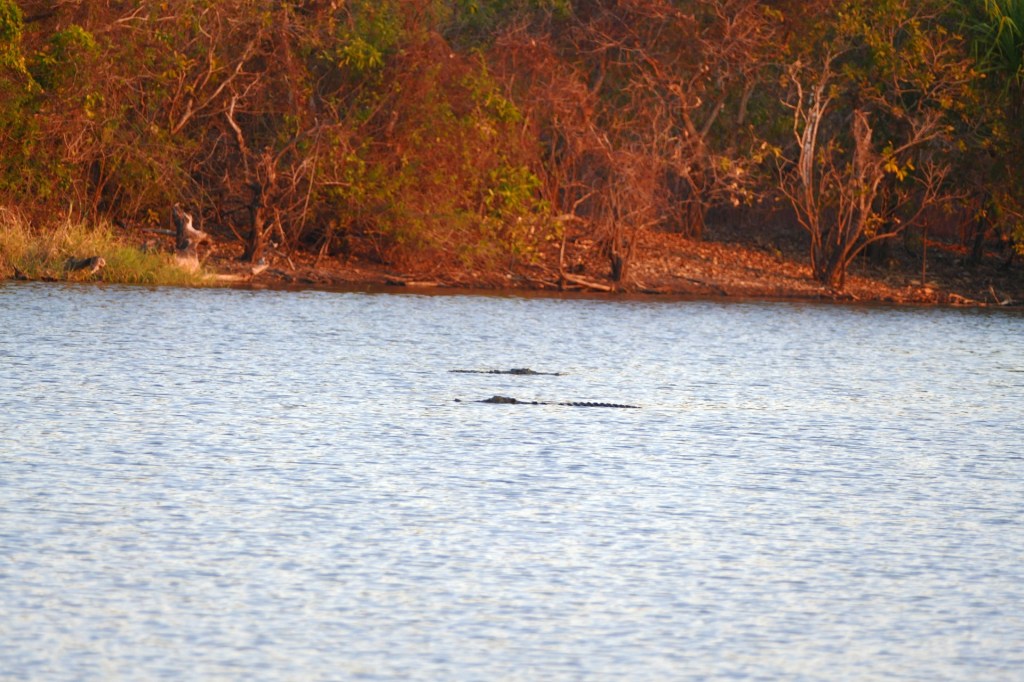
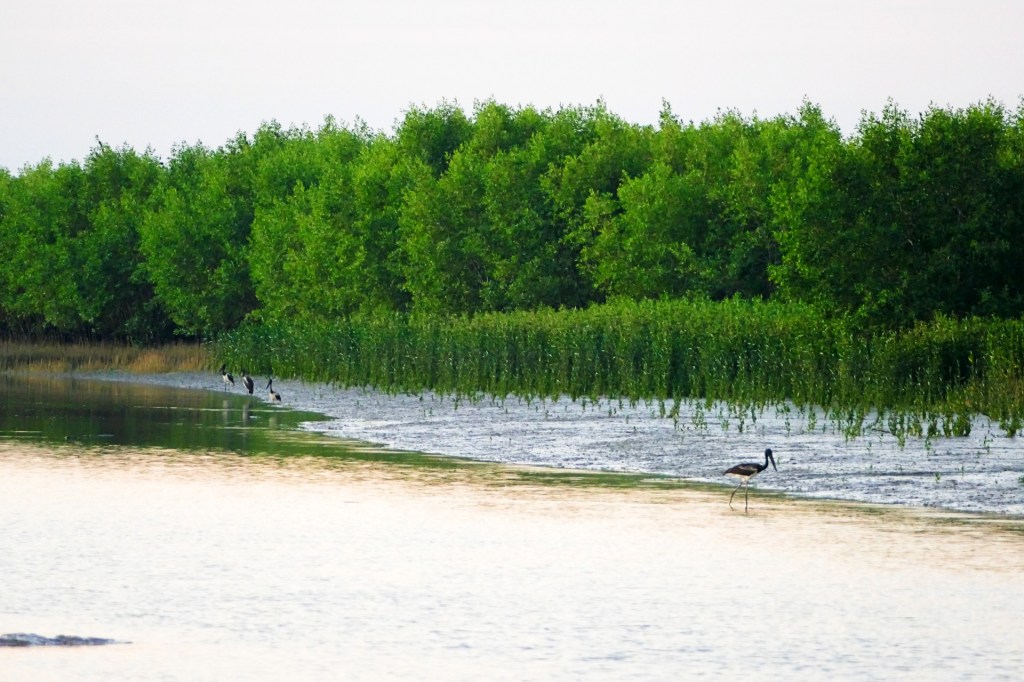
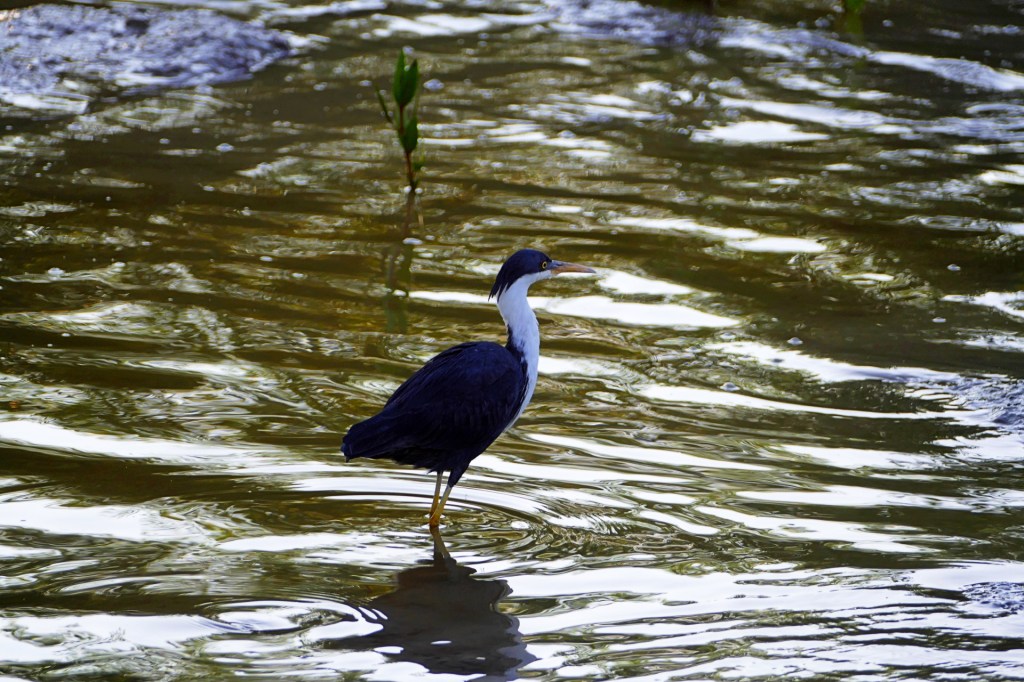
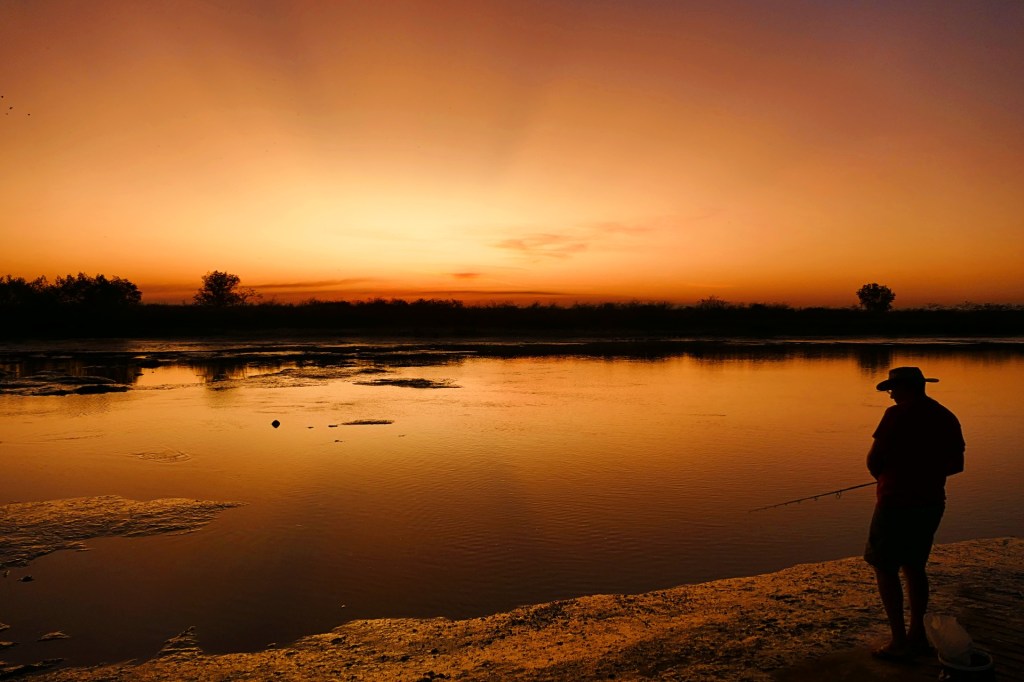
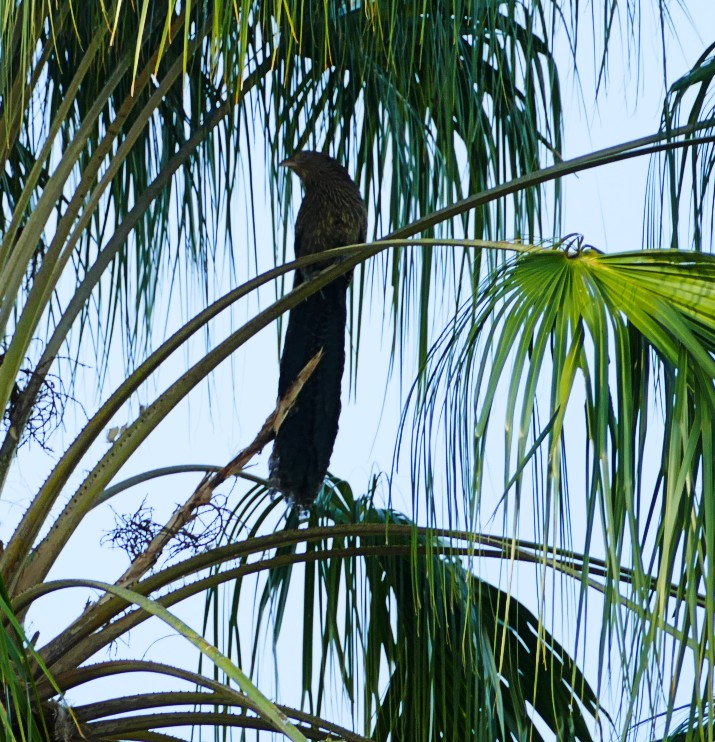
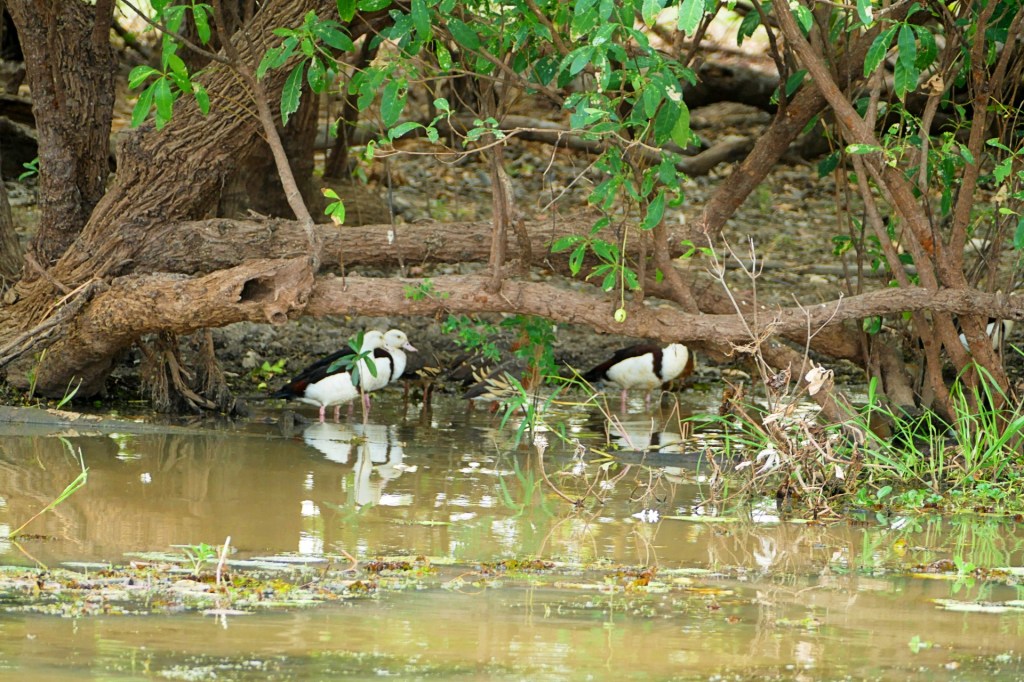
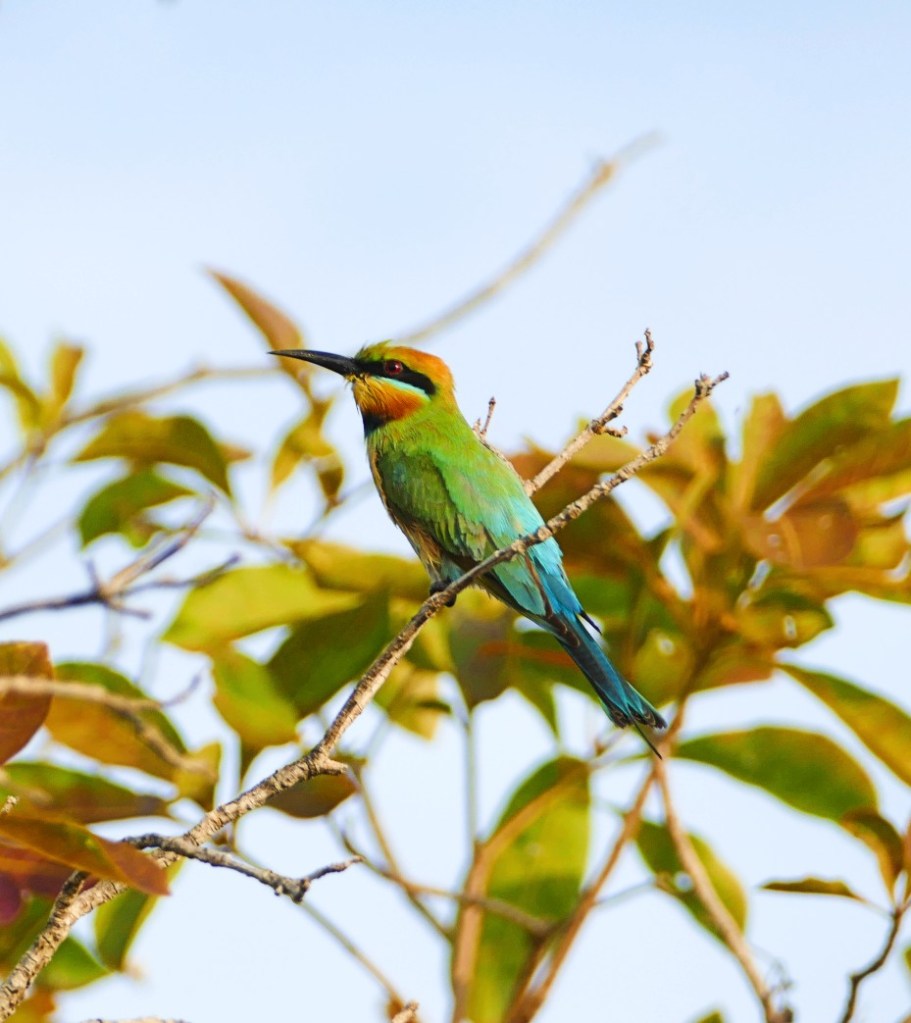
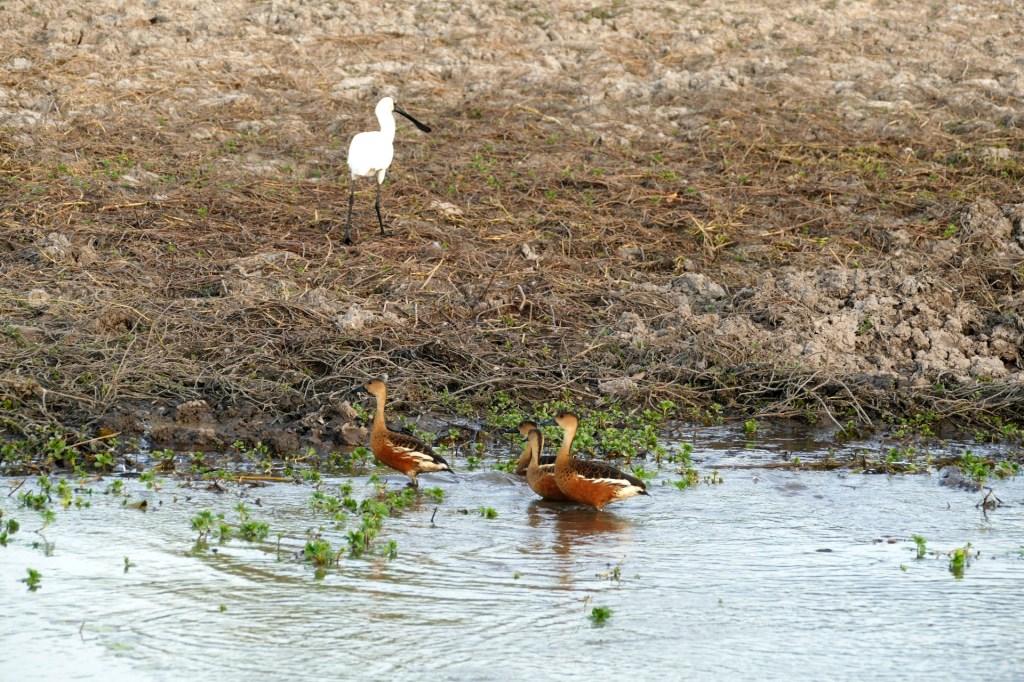
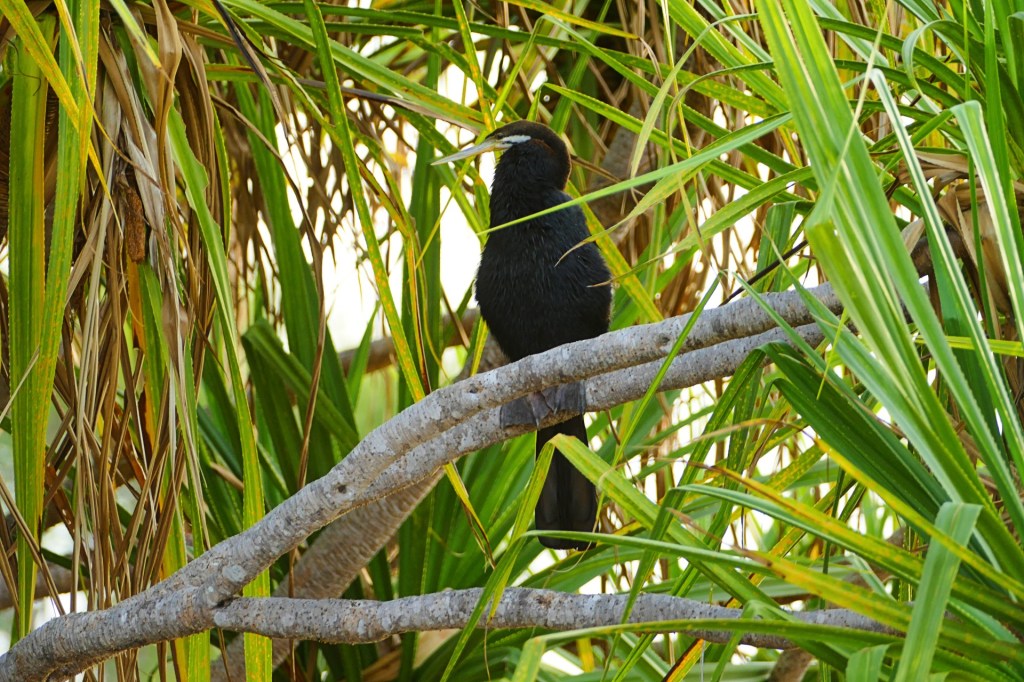
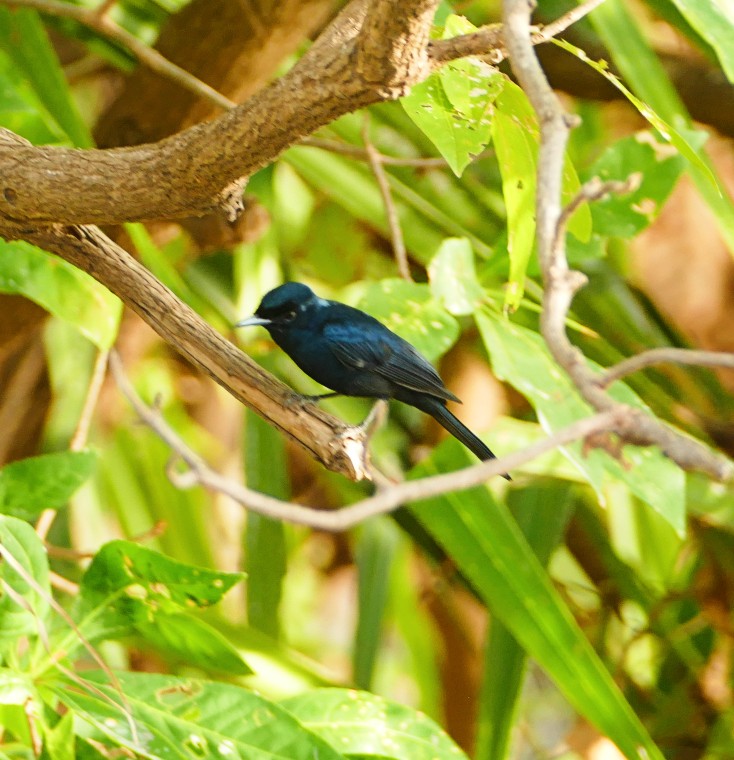
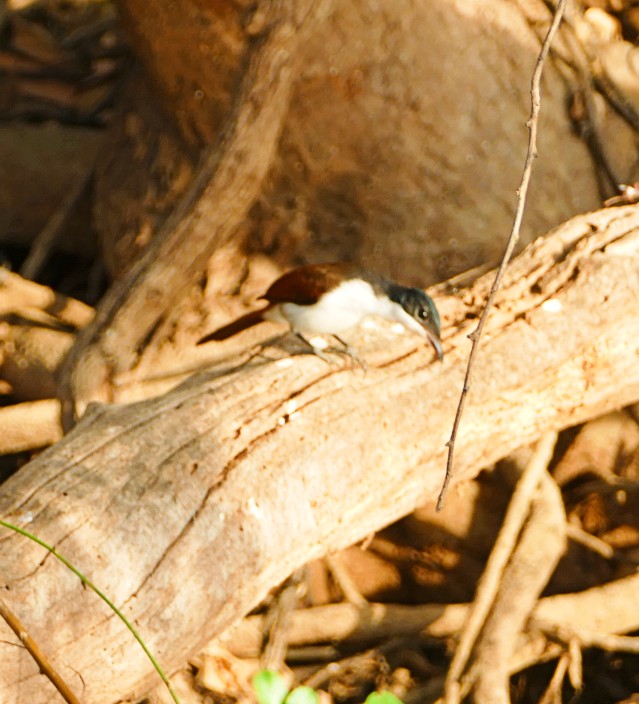
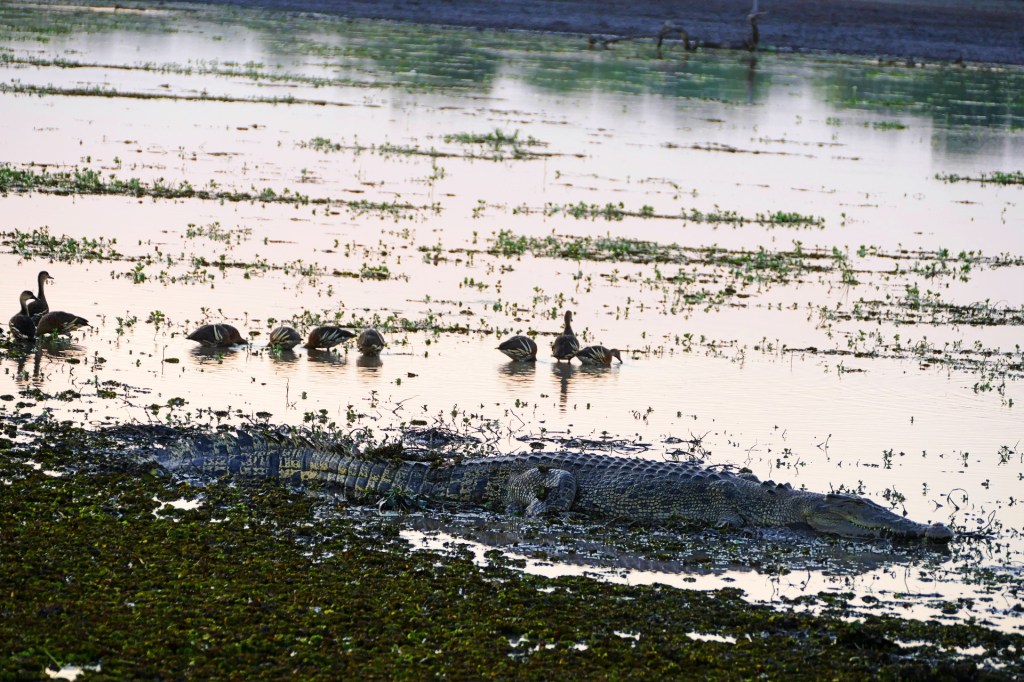
We drove to a camp ground called “Shady Camp” for the night, it is known for it’s large number of crocodiles and Barramundi fishing. Bob did a little fishing off the barrage, it is fresh water above the barrage and salt water below the barrage. We could see the salt water crocs swimming around, keeping their distance – we were very watchful. There were also lots of beautiful birds around.
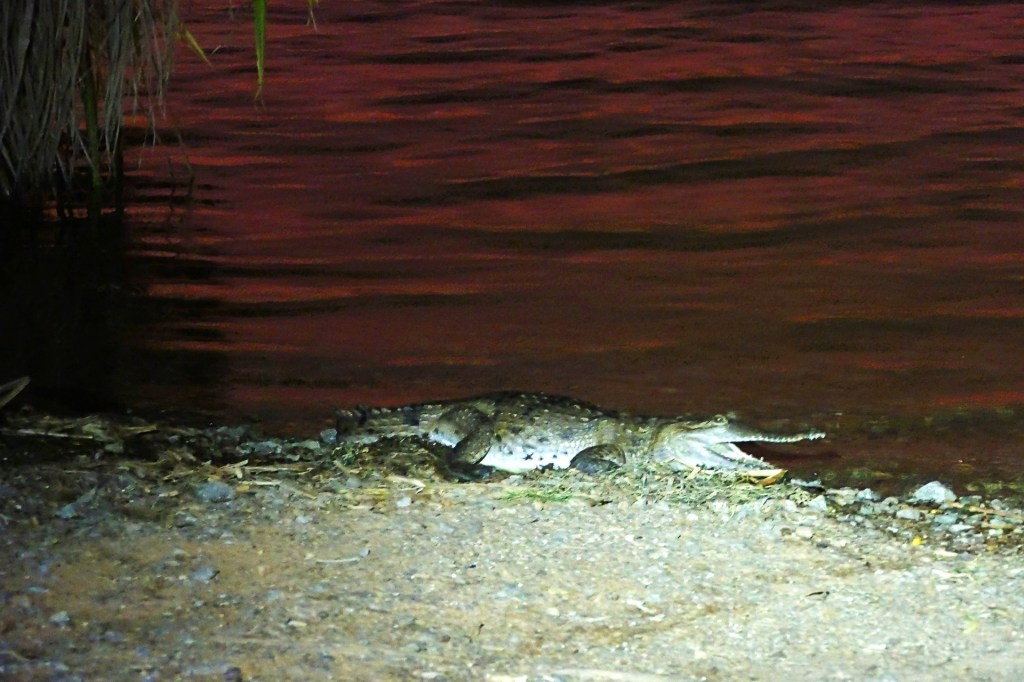
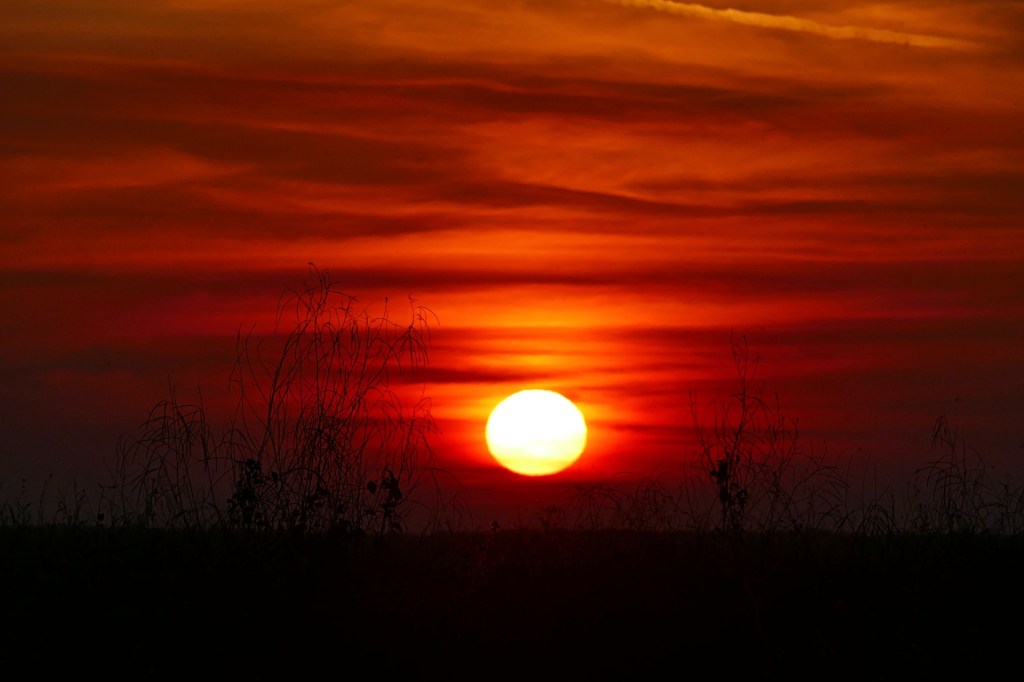
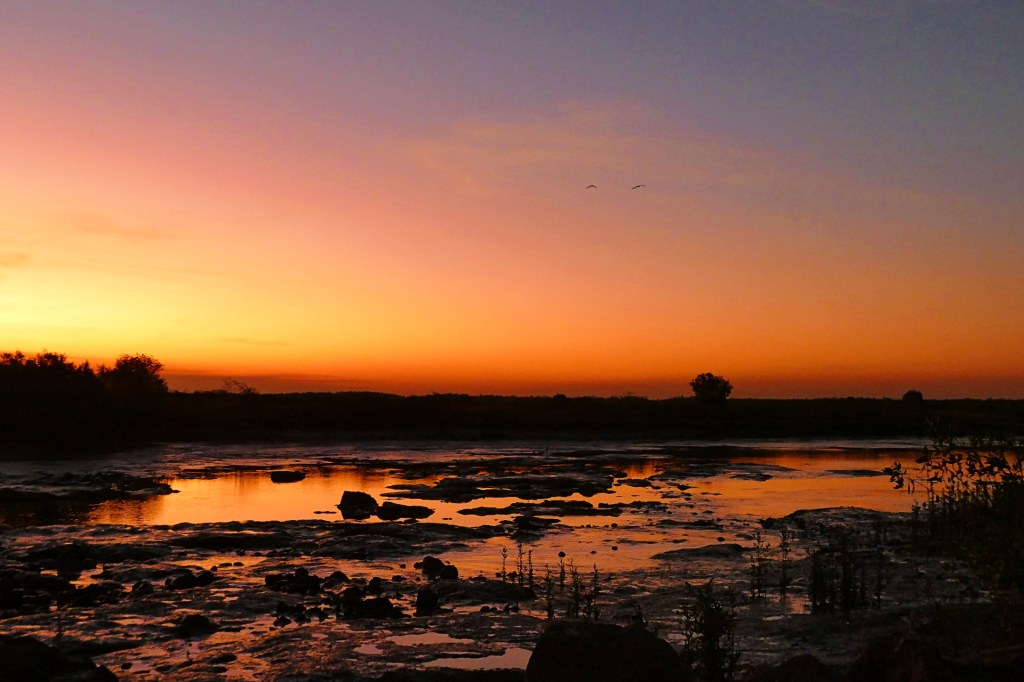
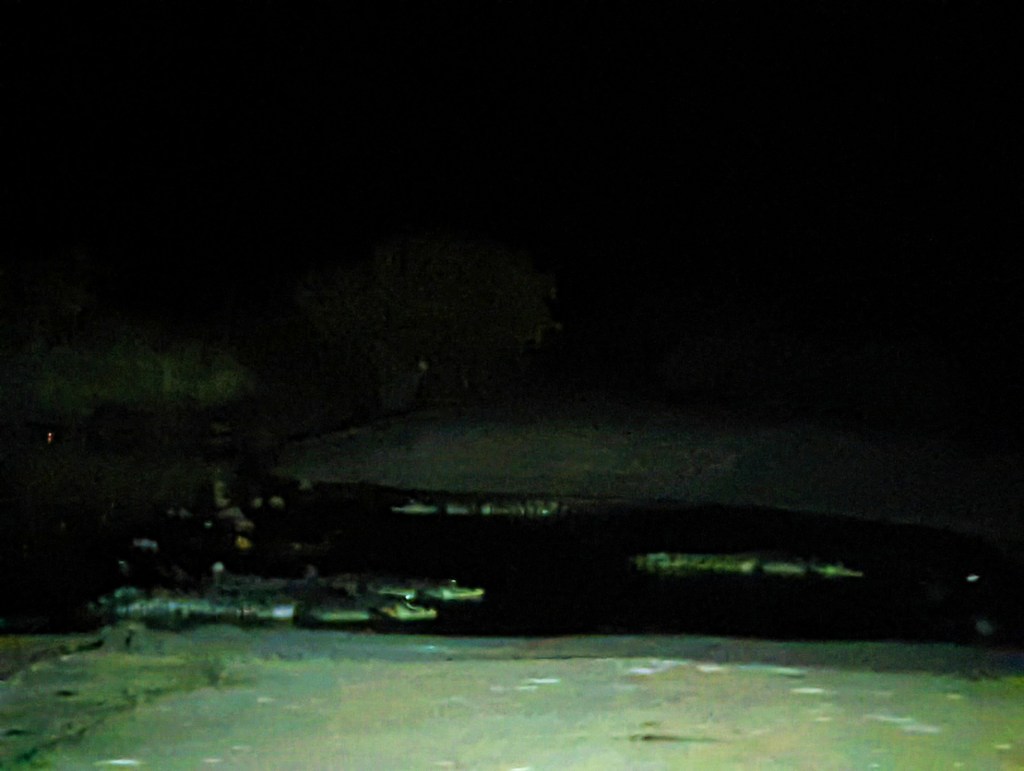
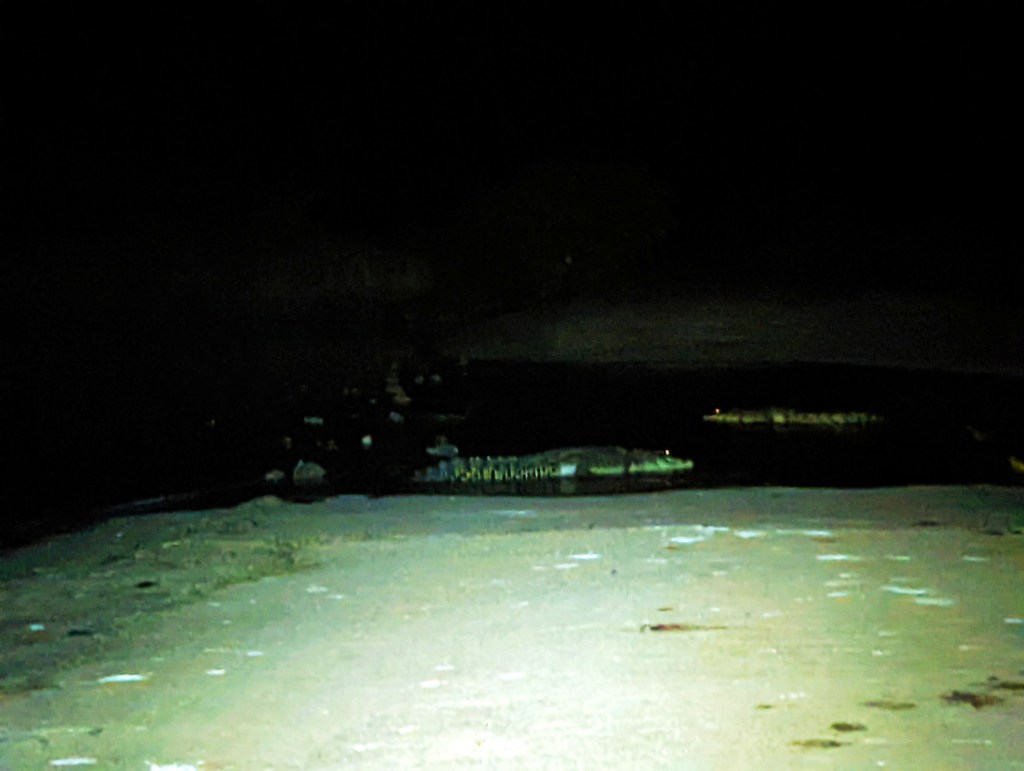
The sunset was beautiful and after dinner we took the torch and walked back to the barrage where Bob had been fishing, it was covered in very large salt water croc’s, apparently they like to lie on the barrage at night as it is warm from the day’s sunshine. We shone the torch into the river and would have seen at least 50 pairs of eyes shining back. We walked back very quickly.
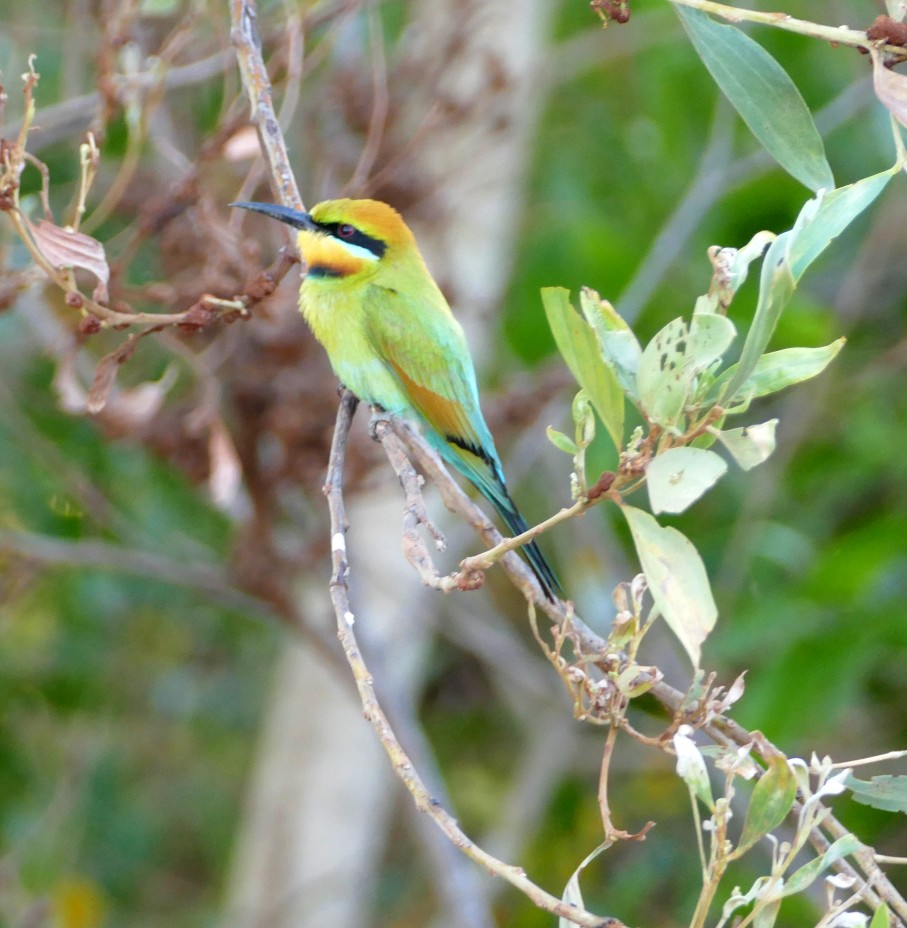
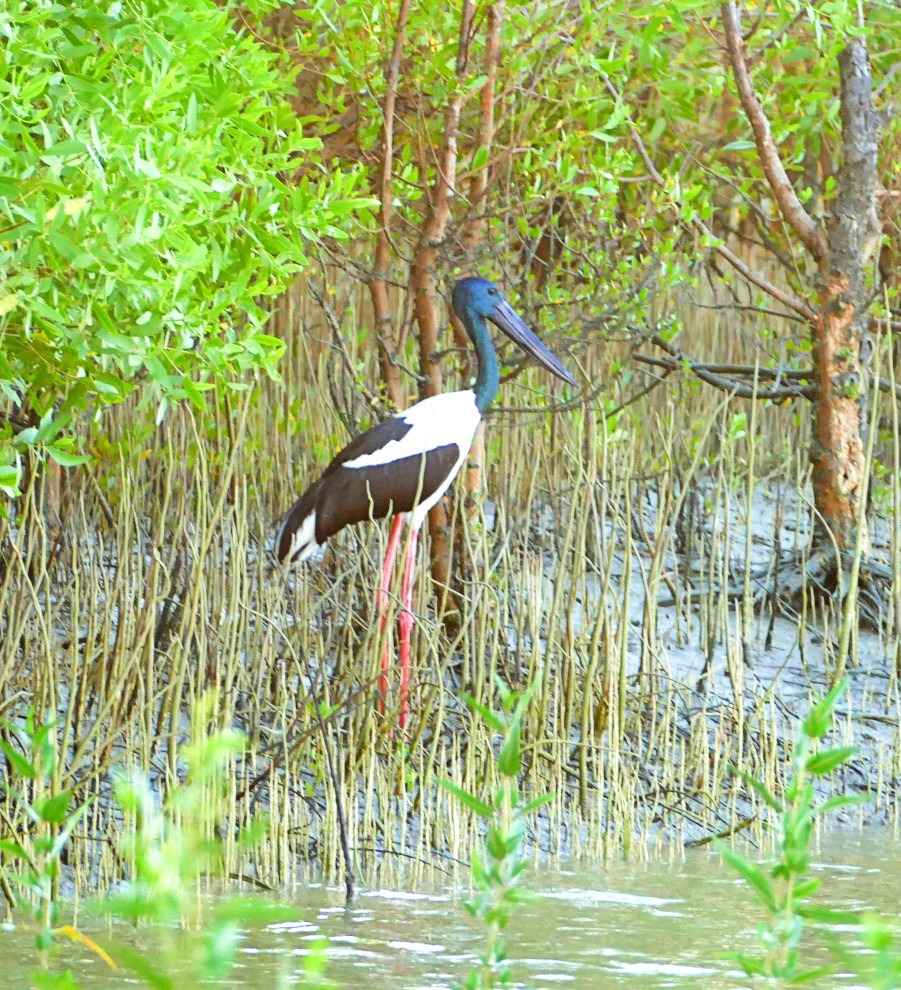

Day 179, Sunday the 24th July, to Day 183, Thursday the 28th July, 2022
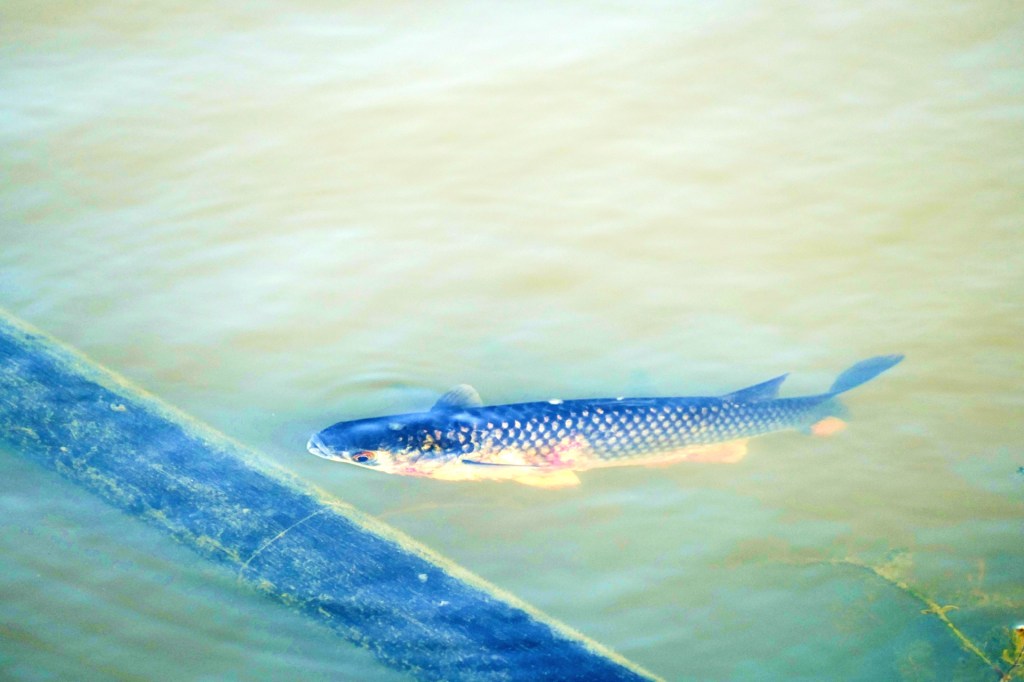
We had a look around Shady Camp the next morning, we walked to the barrage and could only see one croc, then we walked to the croc viewing platform and saw all the others, there were lots.
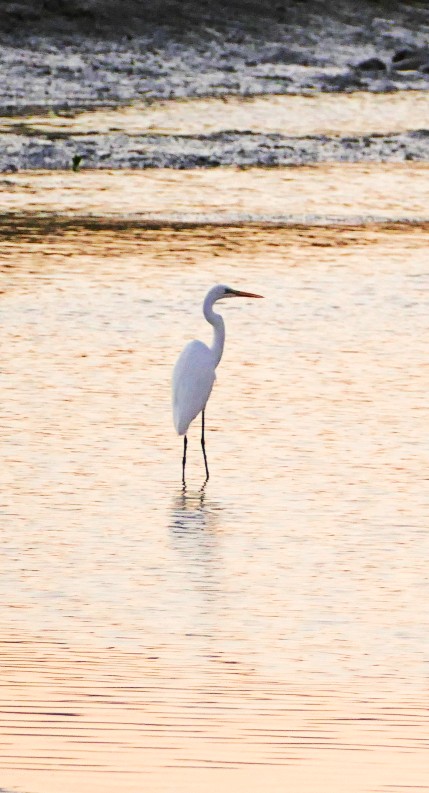
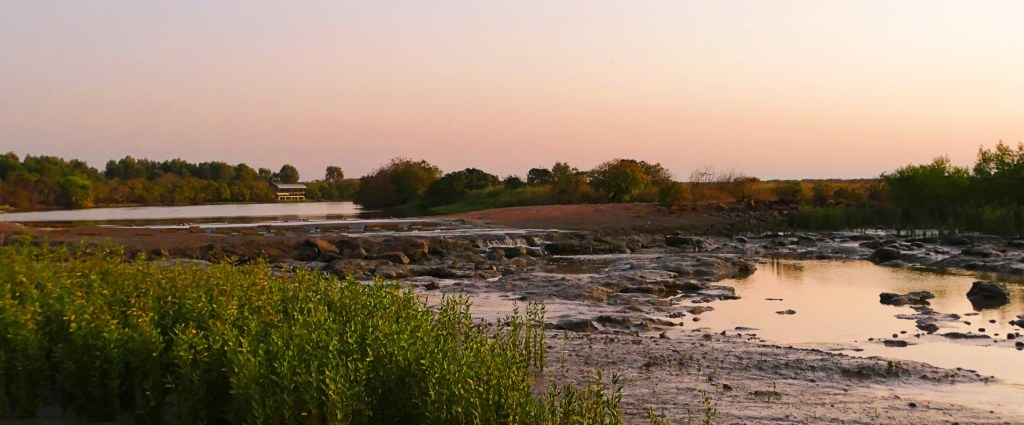
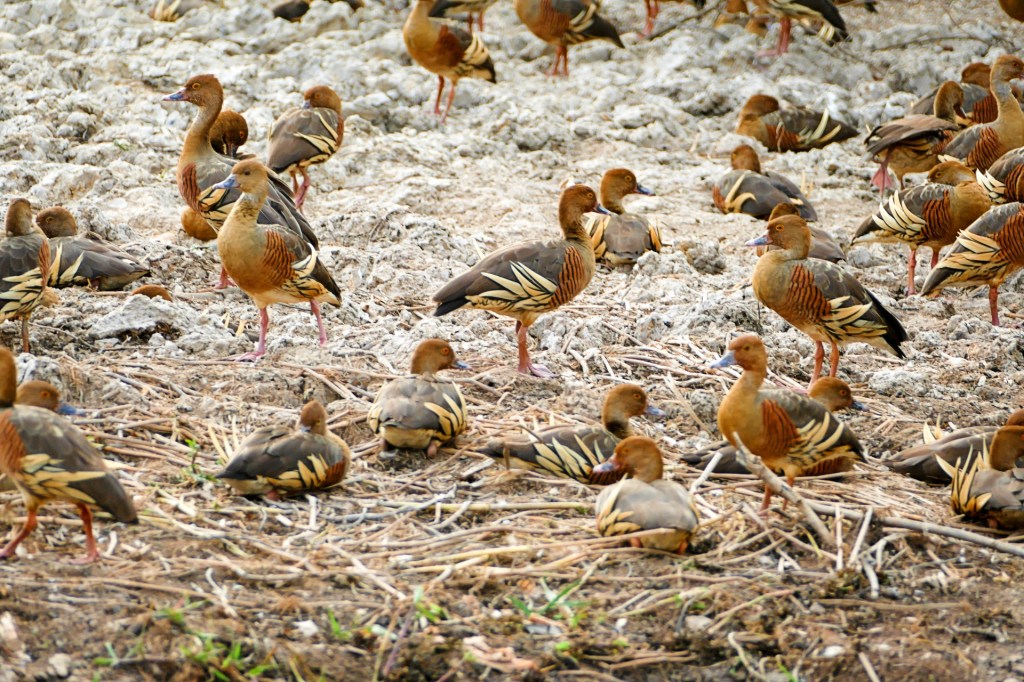
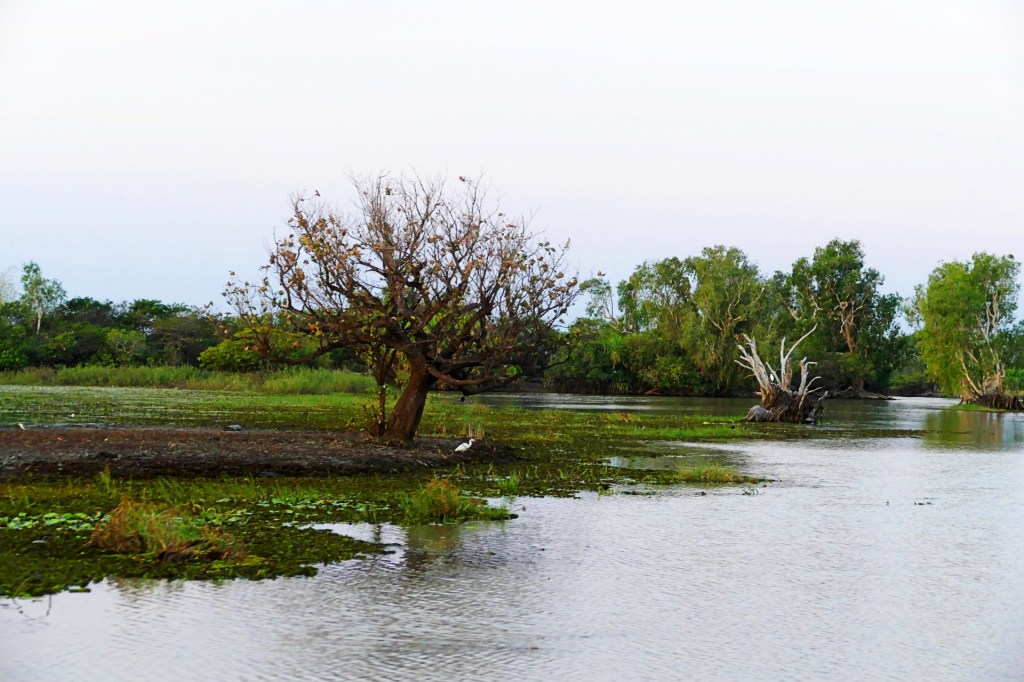
The tide had was down this morning and the salt water side of the river looked very dry, but there were still a lot of water birds.. The visit to Shady Camp had been well worth it, and we contemplated staying another night, but Cahill’s Crossing in Kakadu had been touted as being even better.
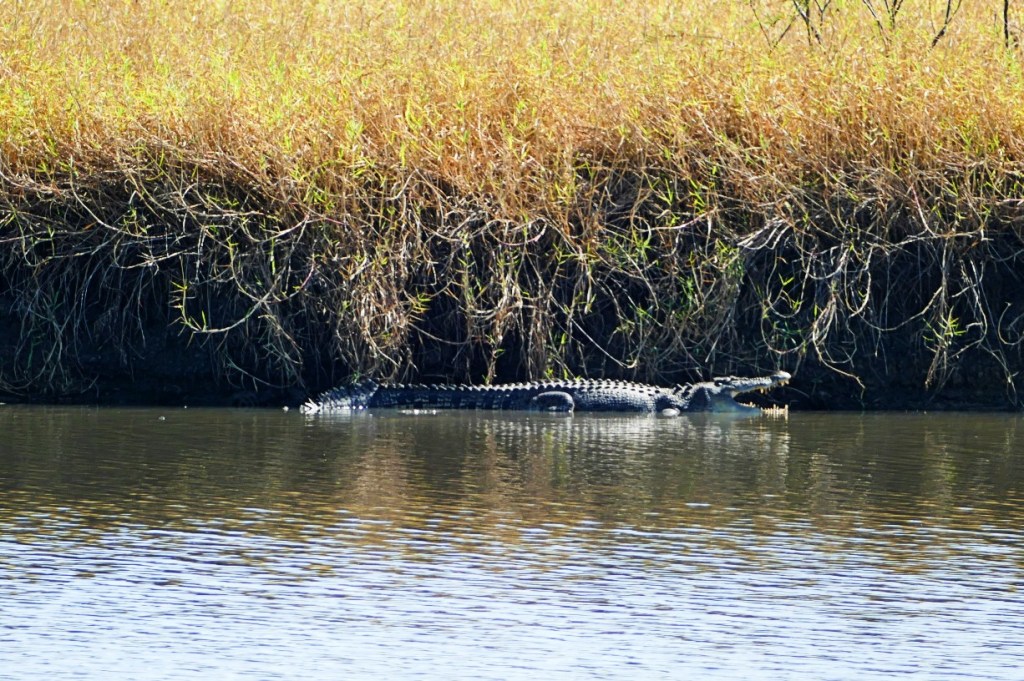
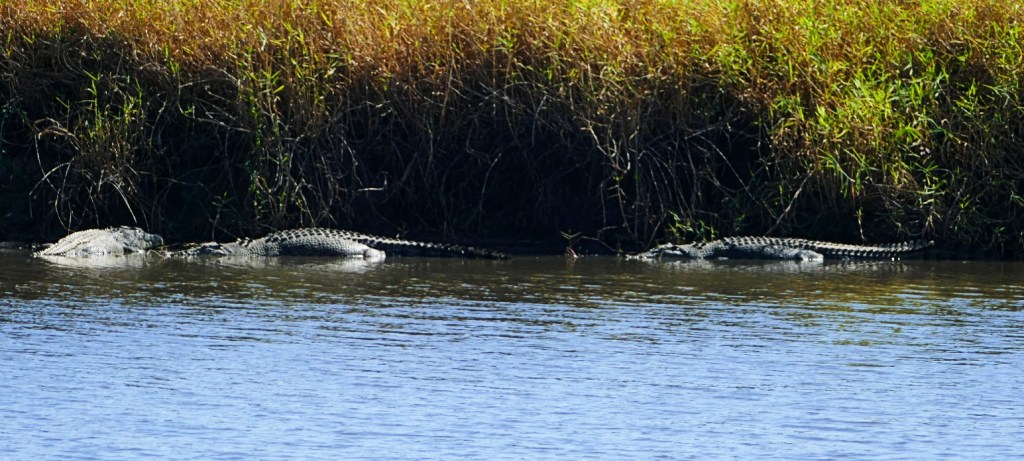

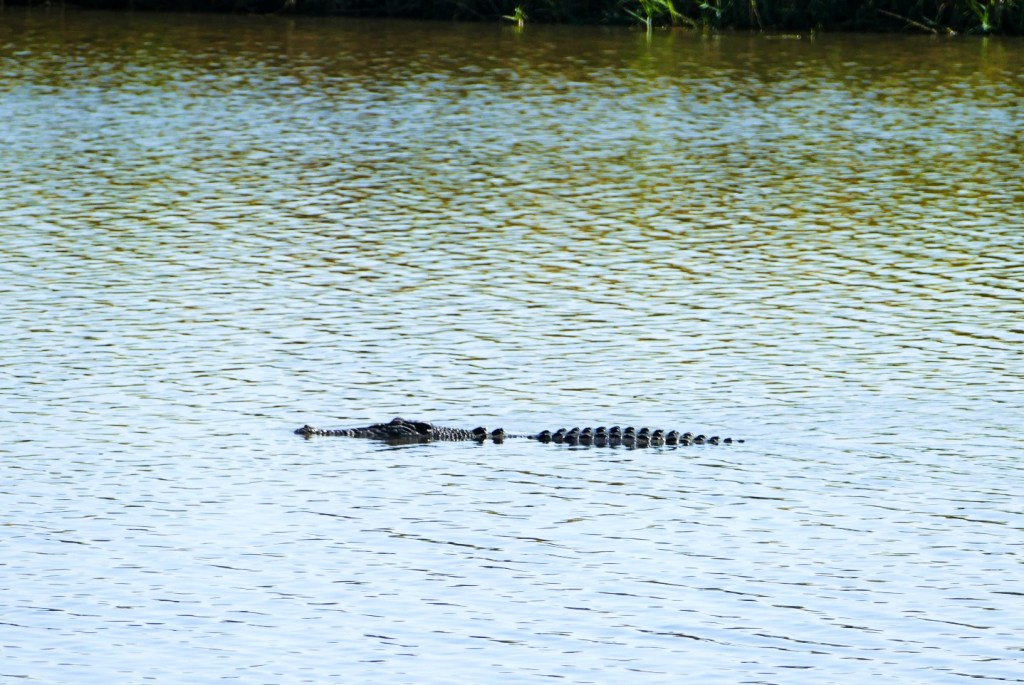
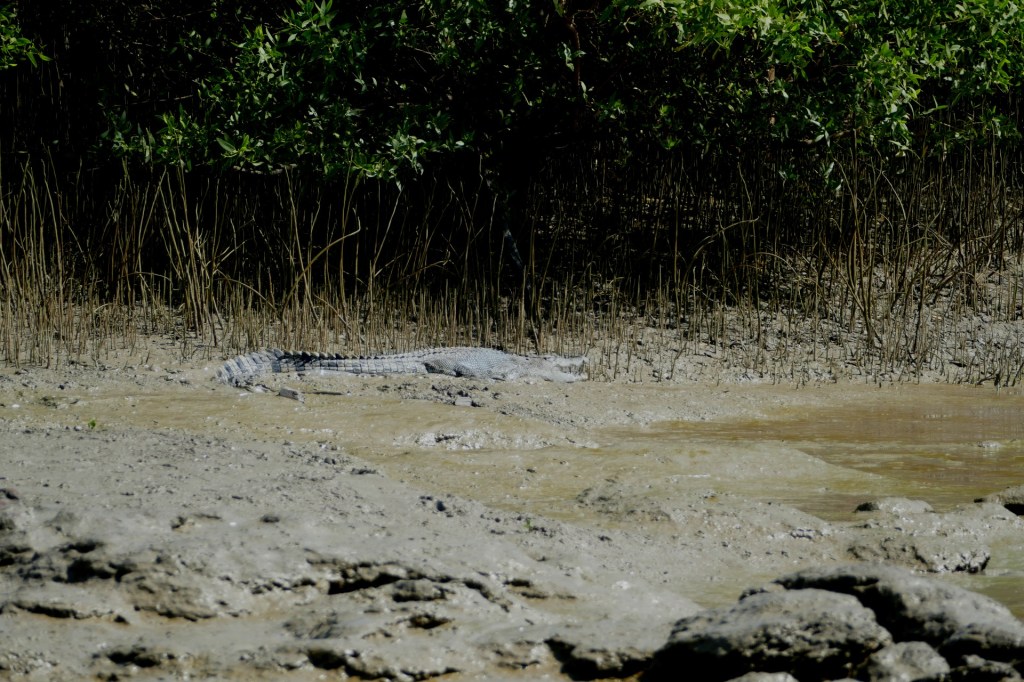
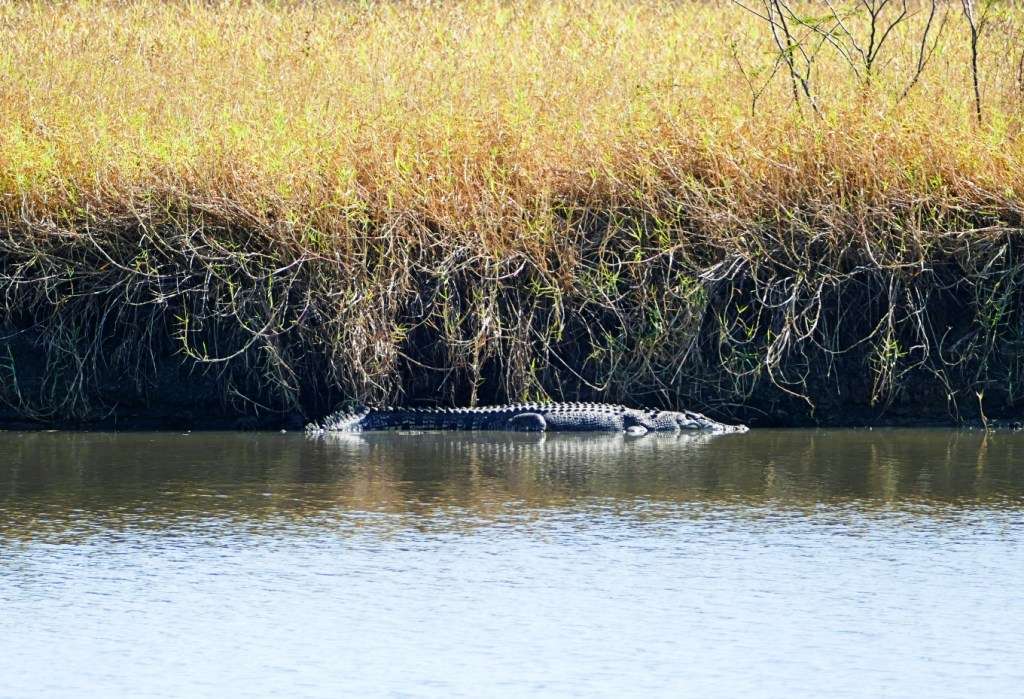
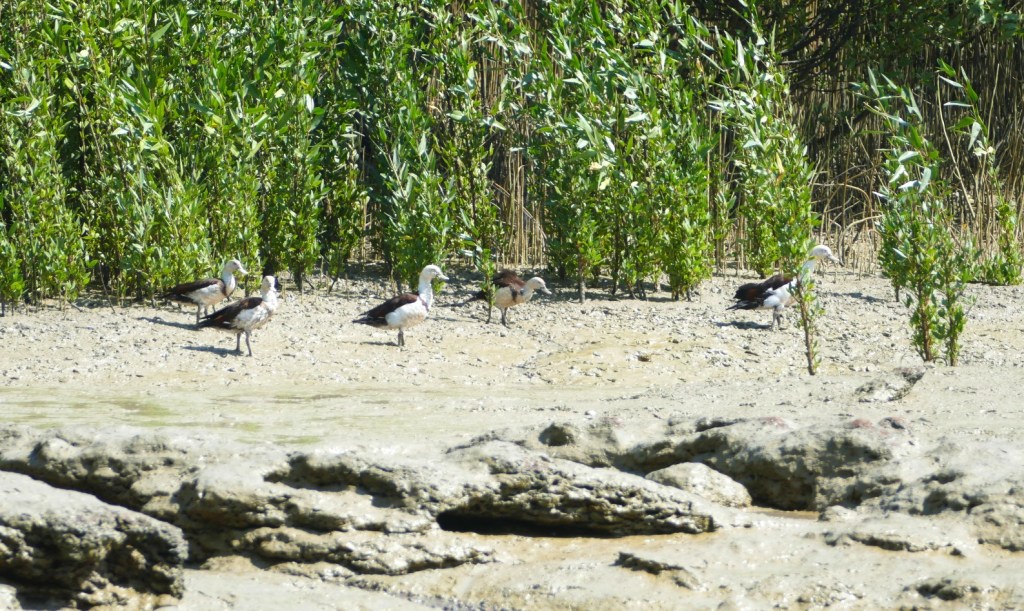
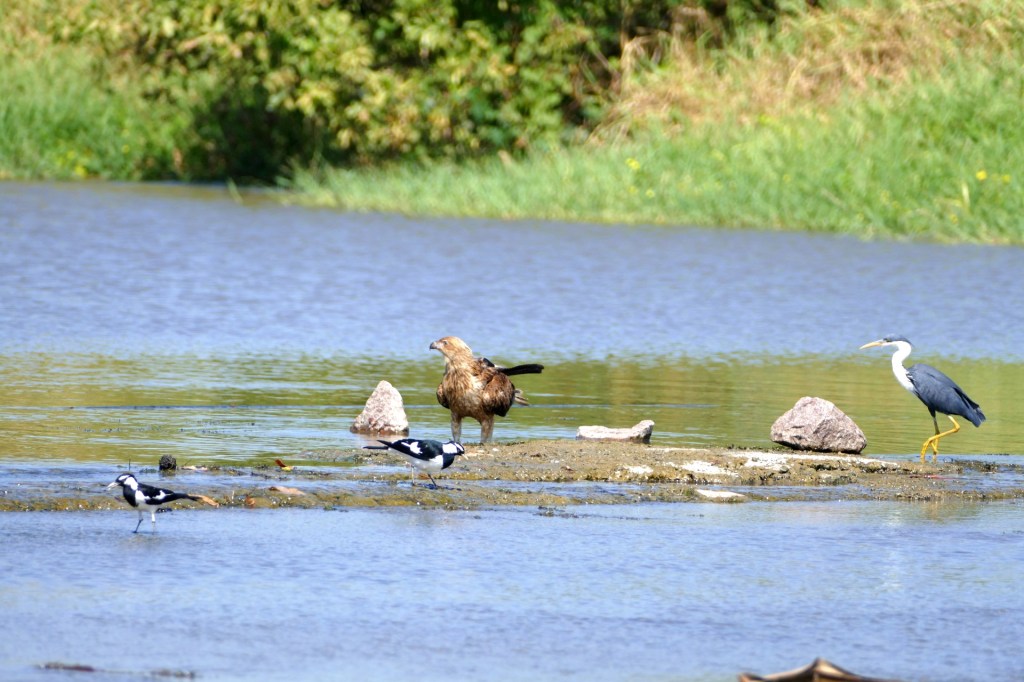

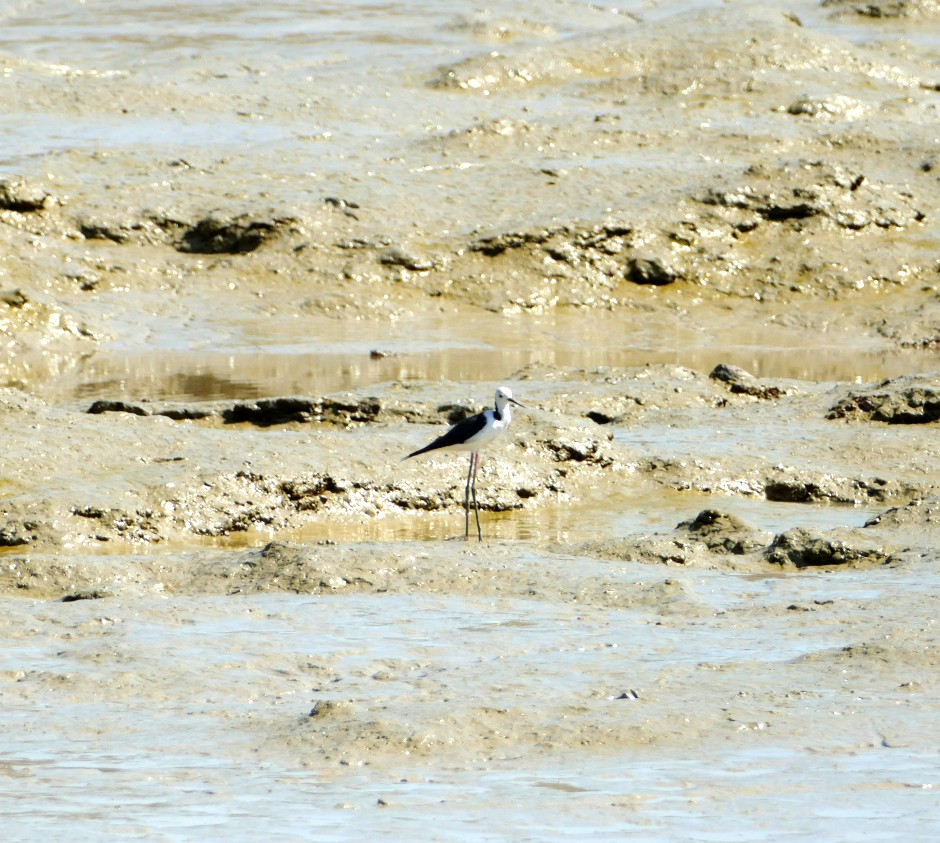
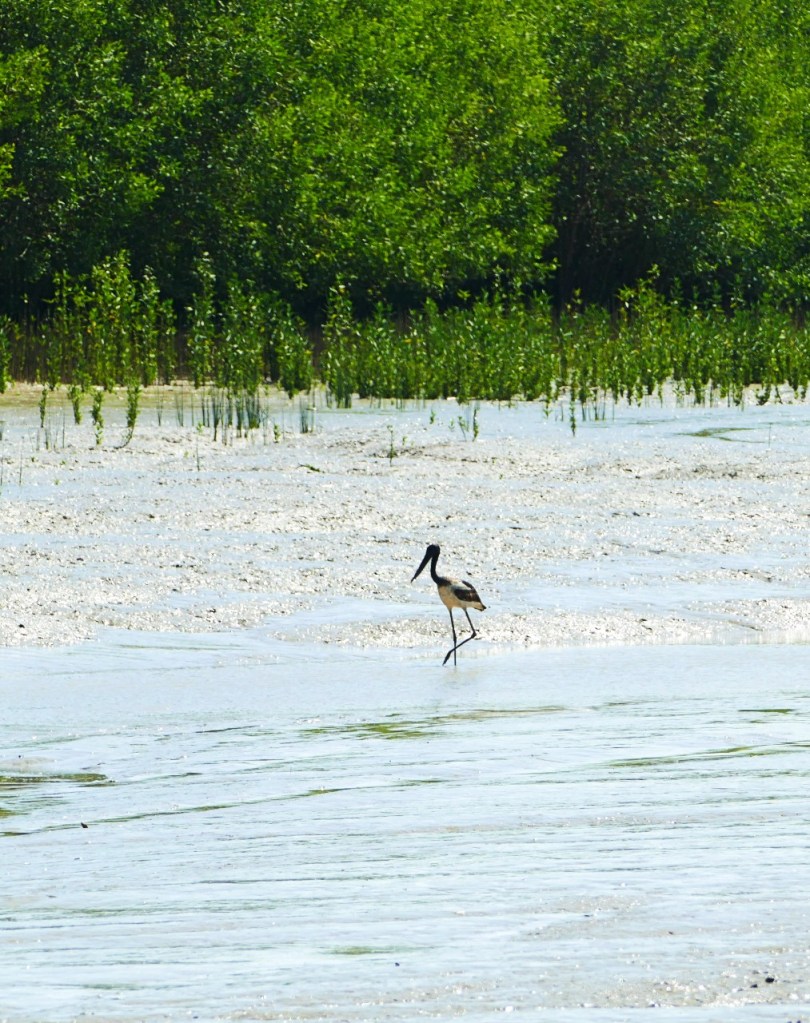
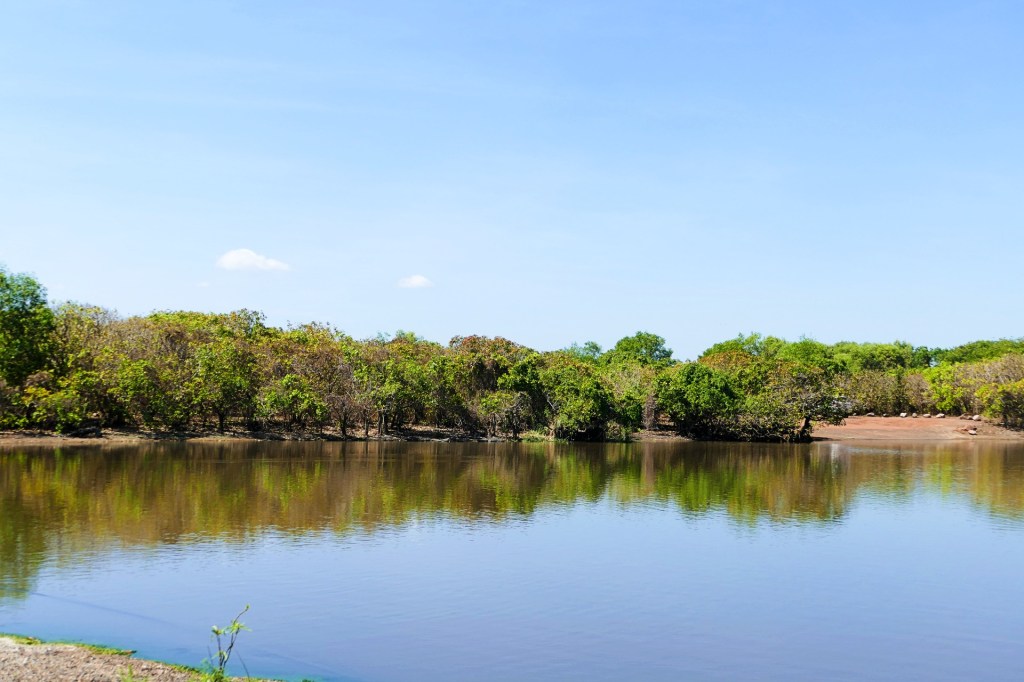
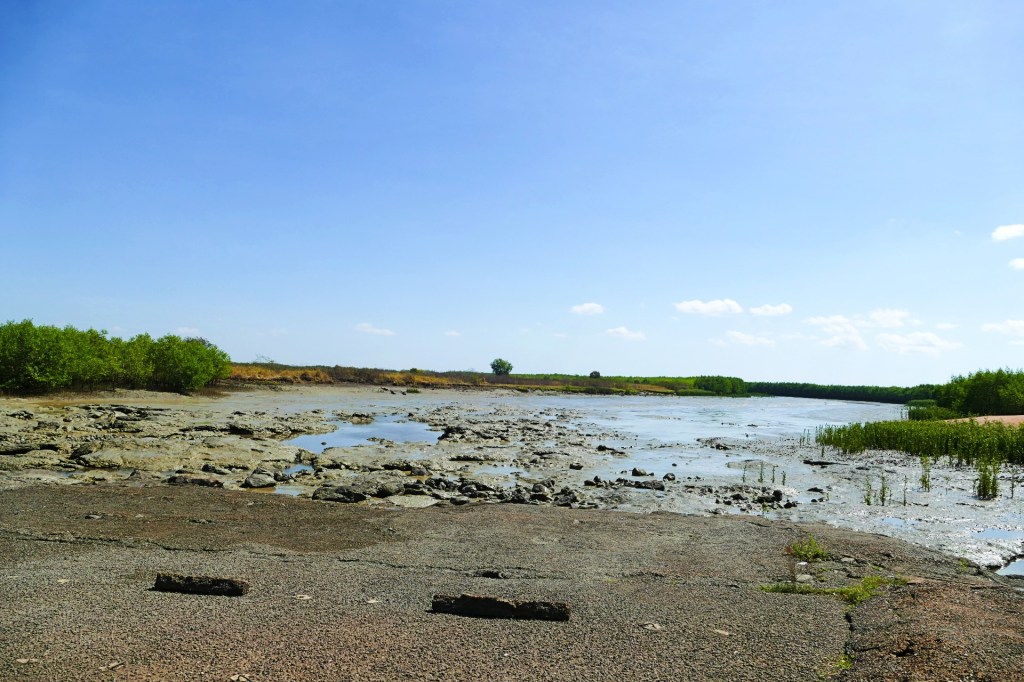
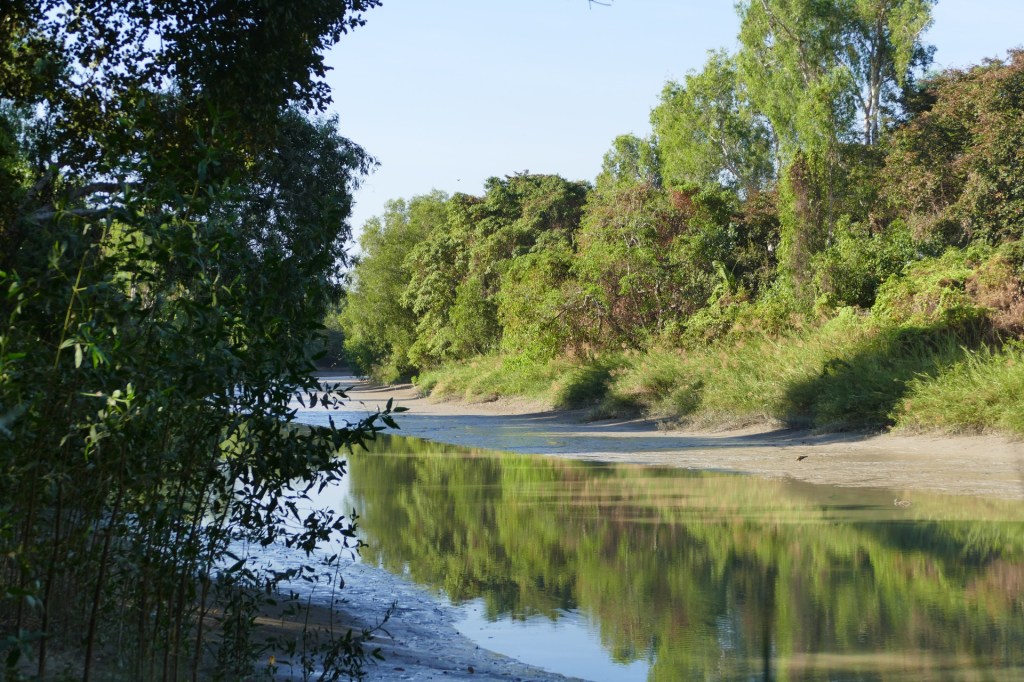
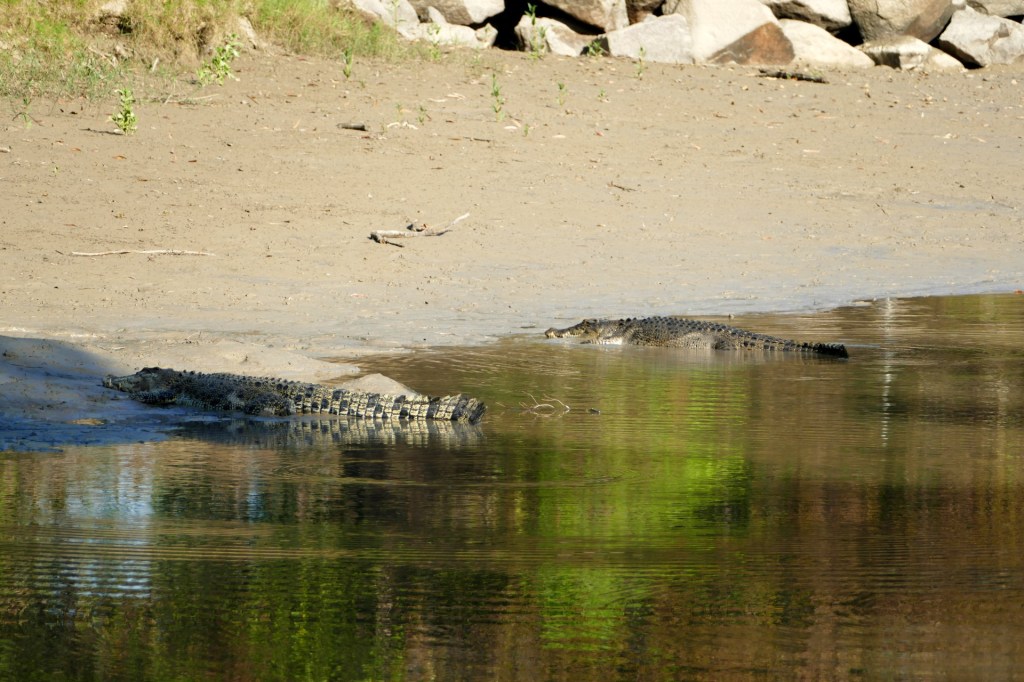
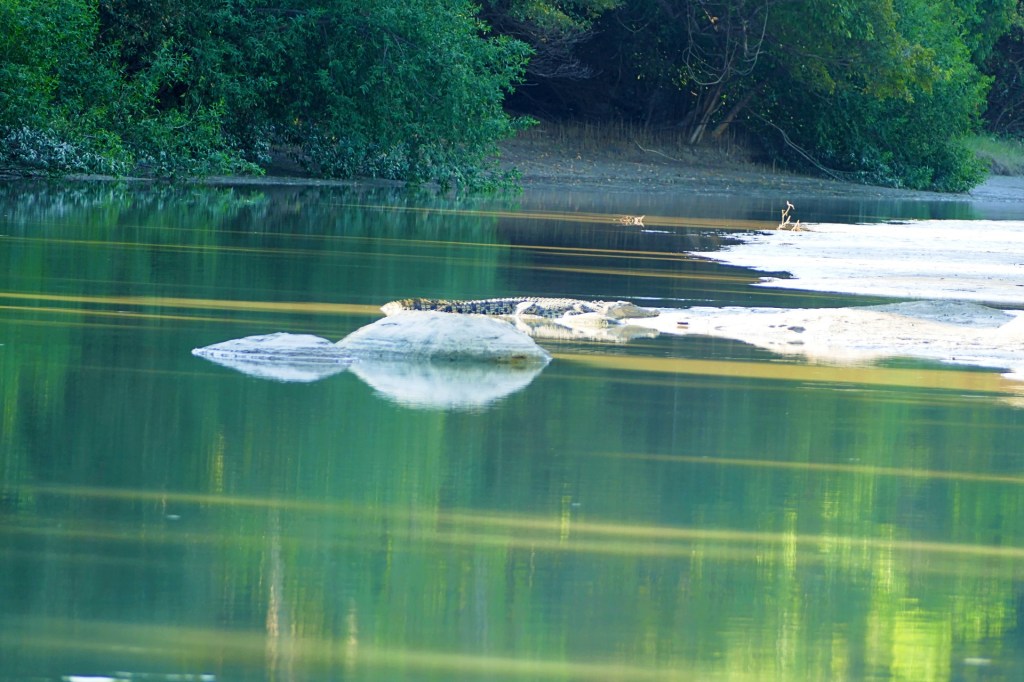
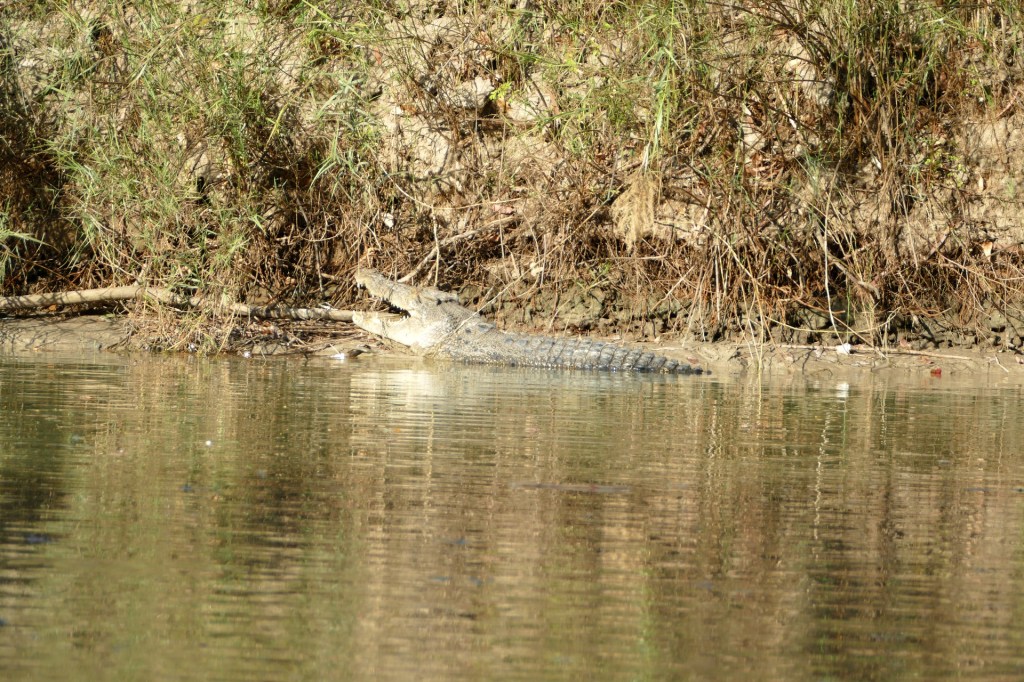
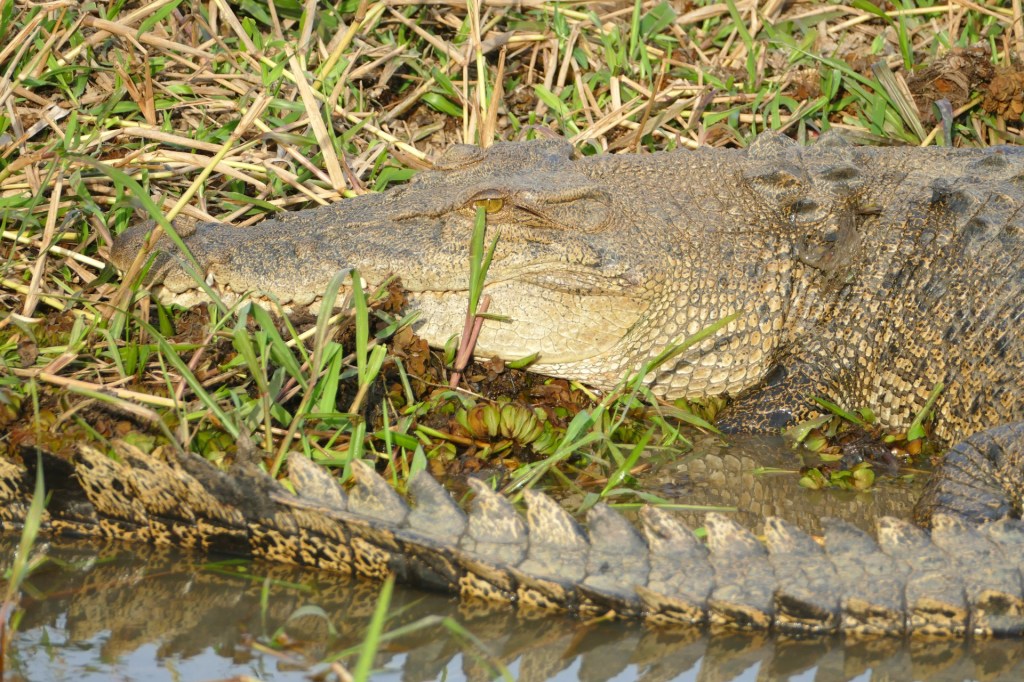
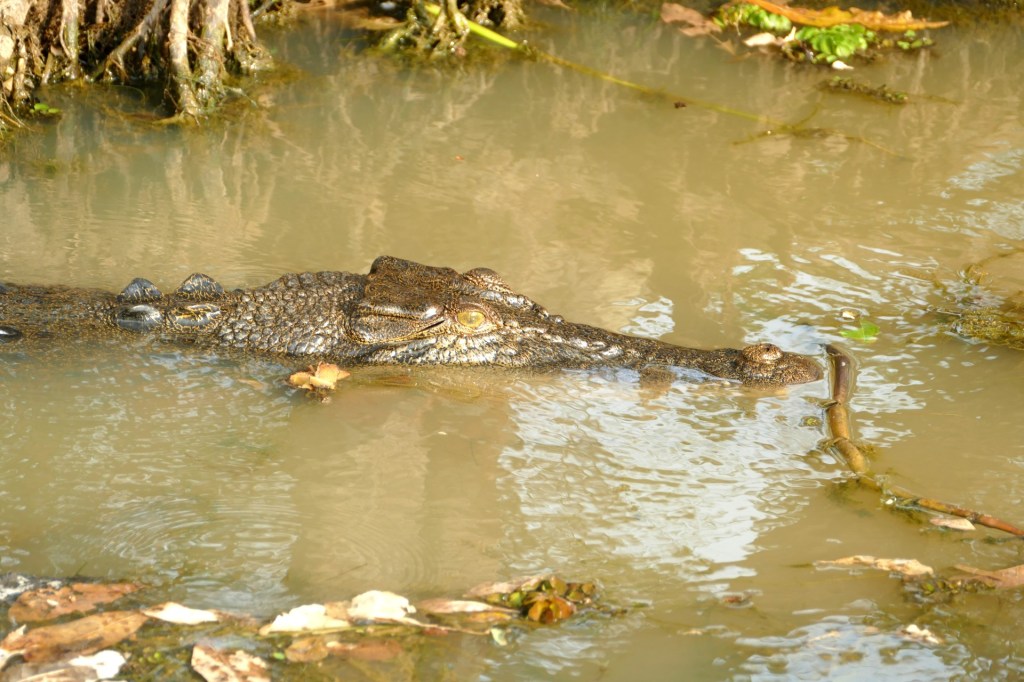
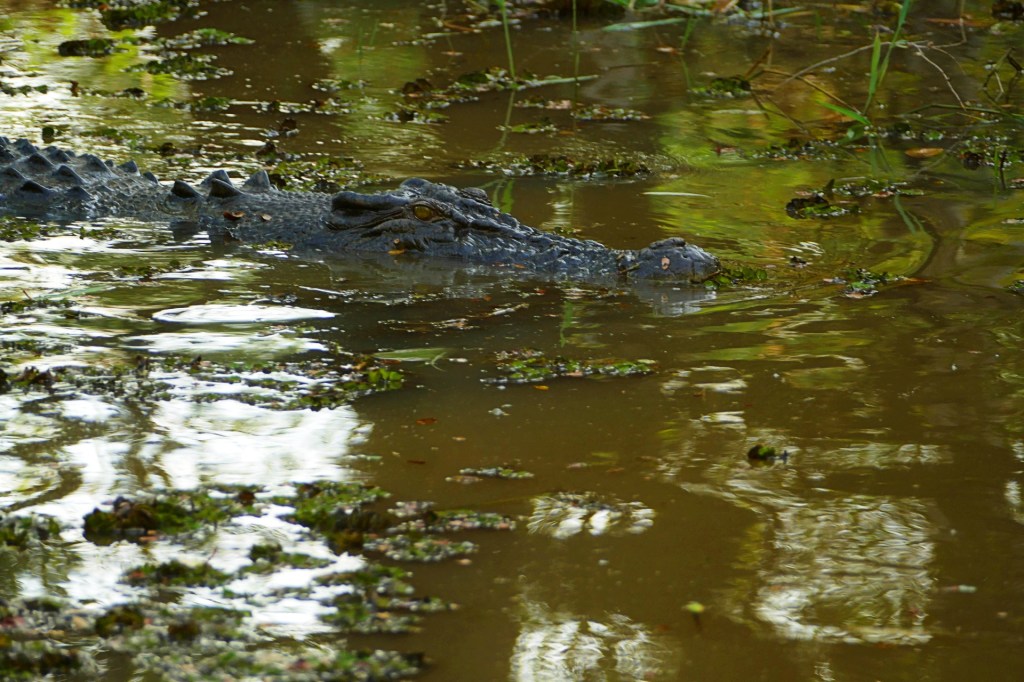
Cahill’s Crossing was pretty, but there was construction happening there and it was hard to see anything. We saw a few croc’s, the most interesting thing here was that they existed in the salt water side, where at Shady Camp, they were mainly in the fresh water side. Croc’s that have lived or live in salt water are more yellow than the ones that live in fresh water, which are dark in colour. The salt water bleaches their skin yellow.
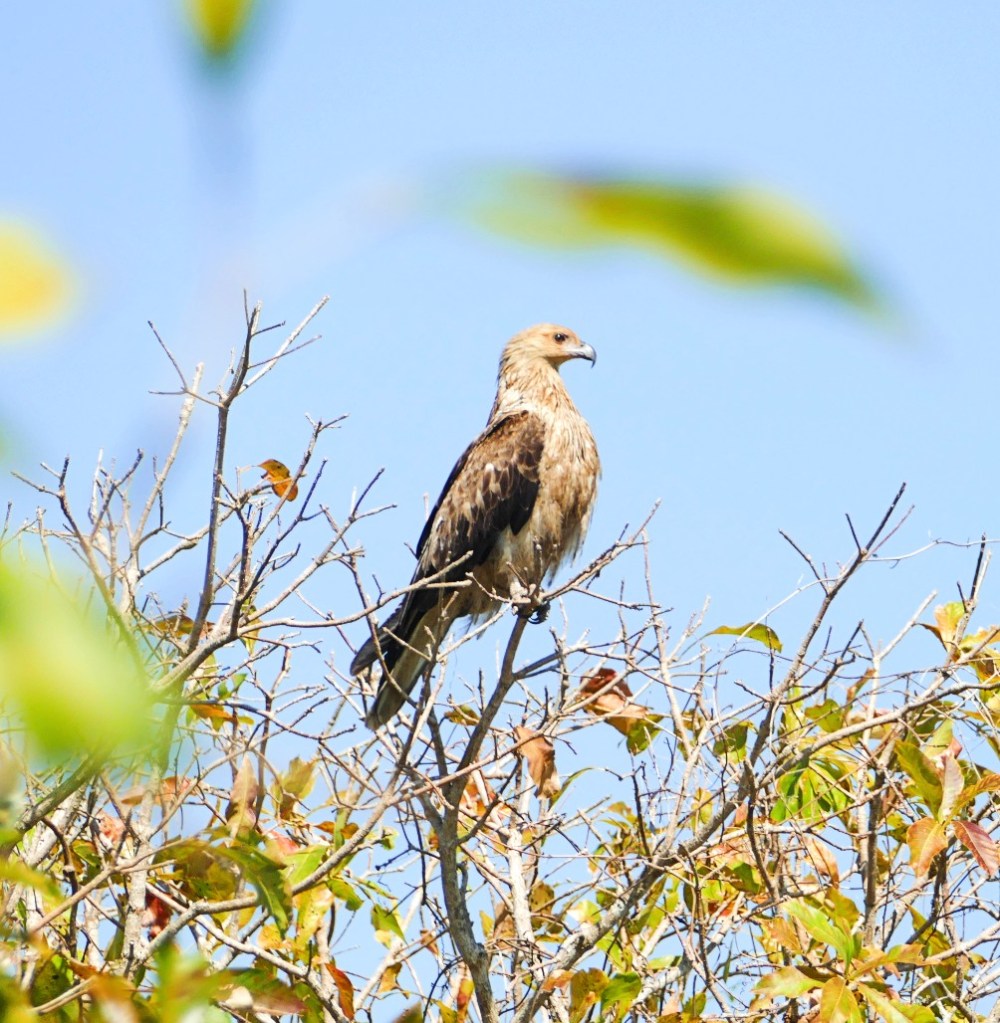
The bird life here was not as abundant as Shady Camp.



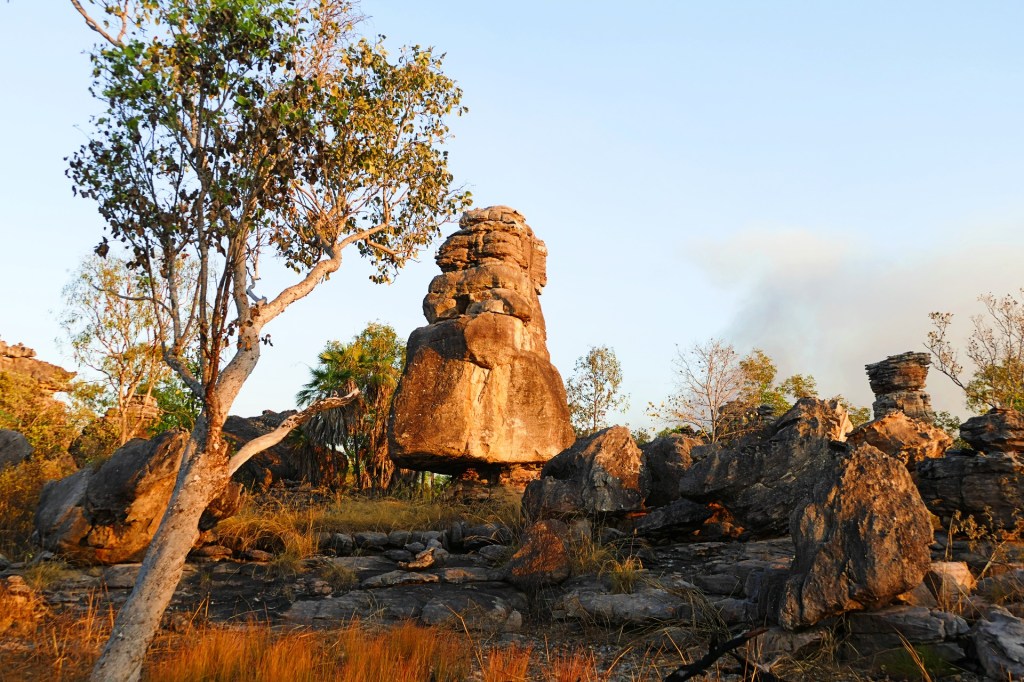
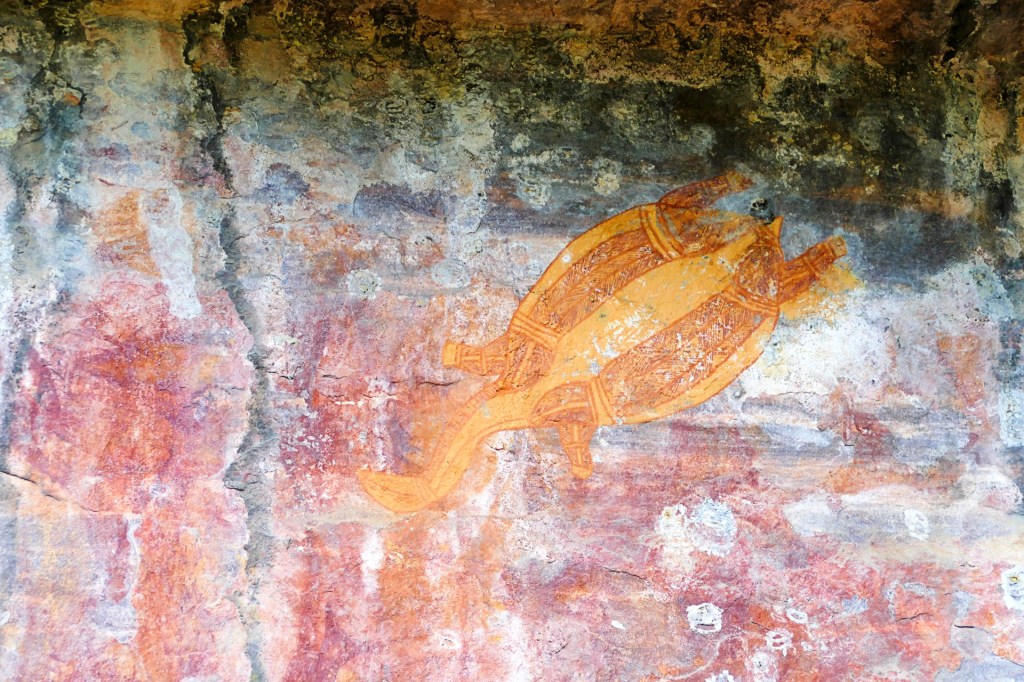
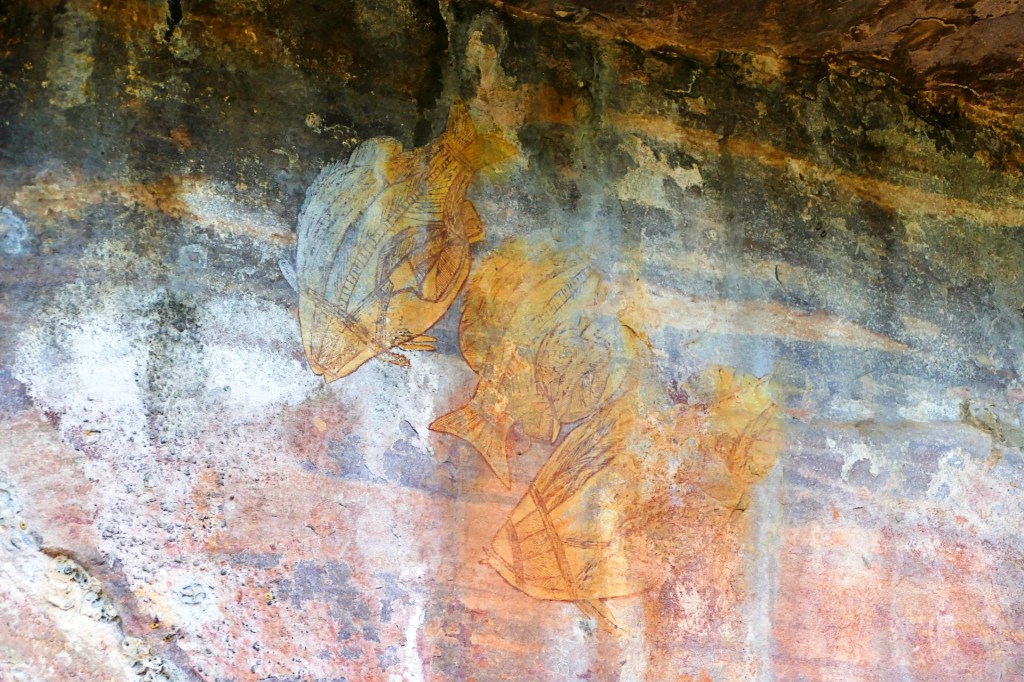
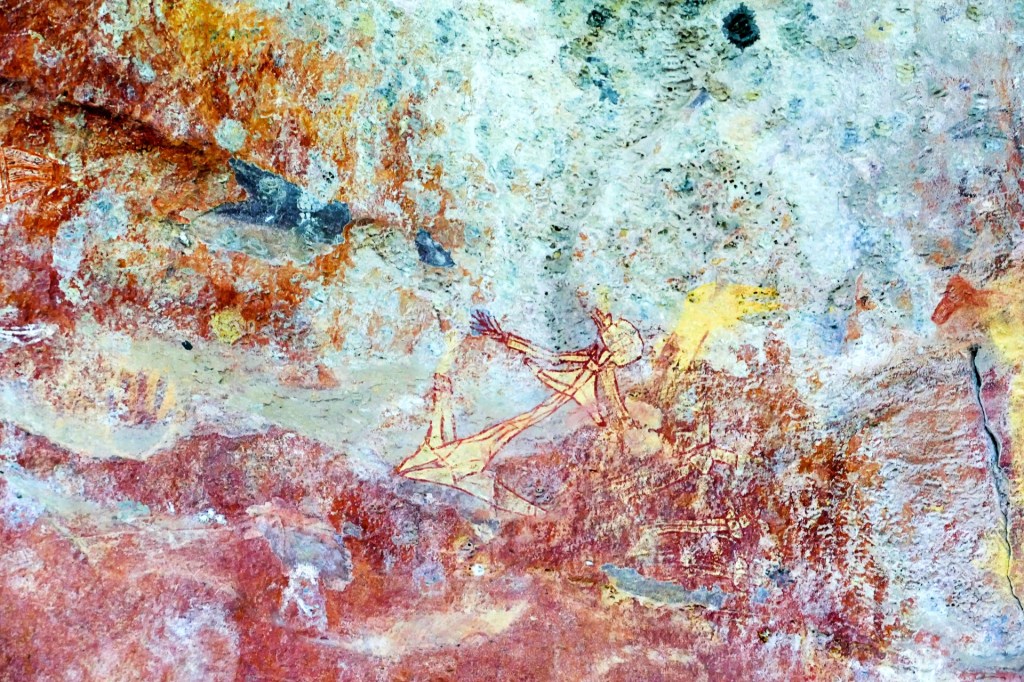
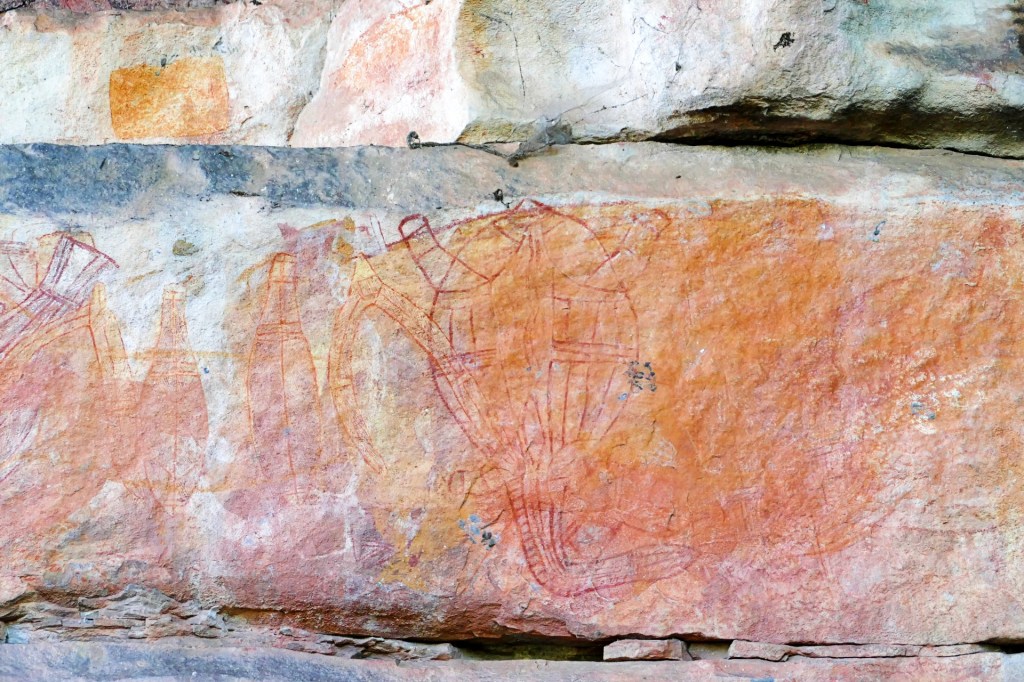
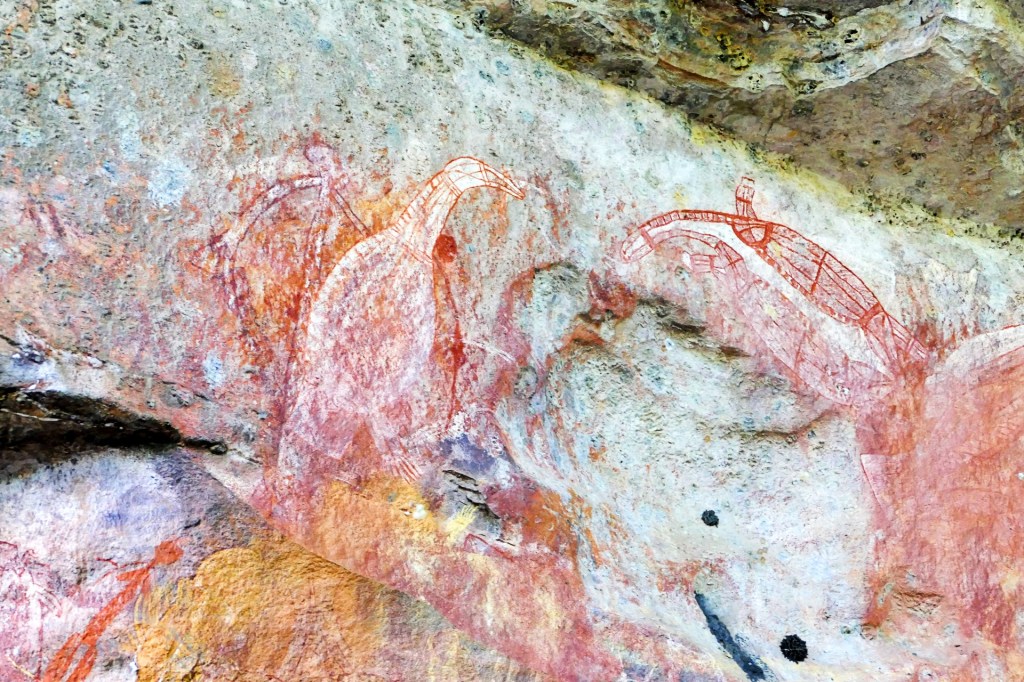
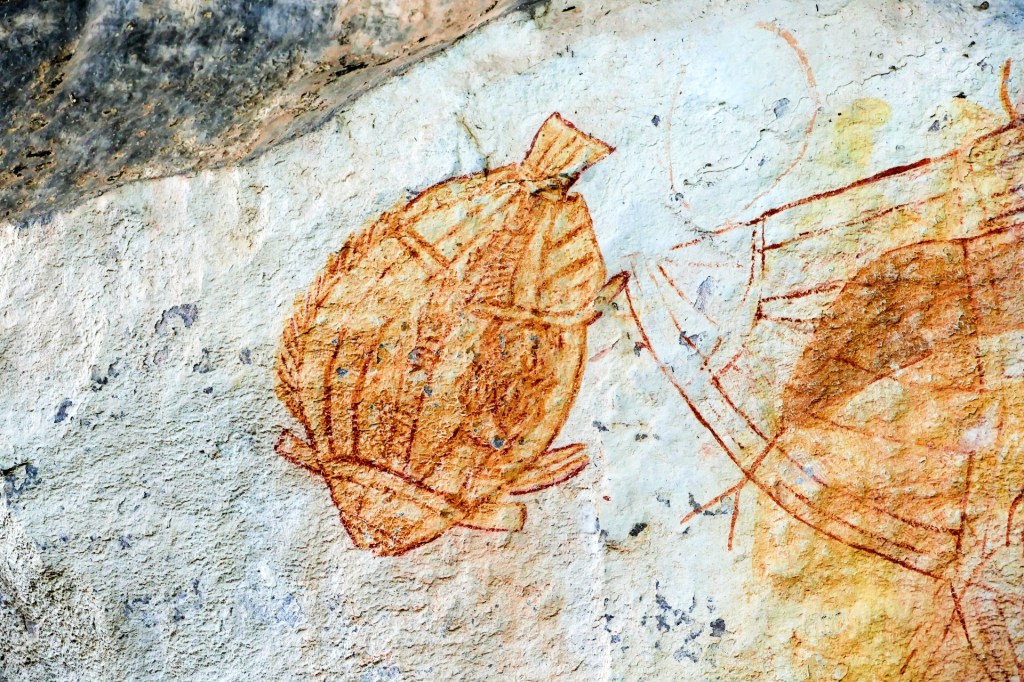
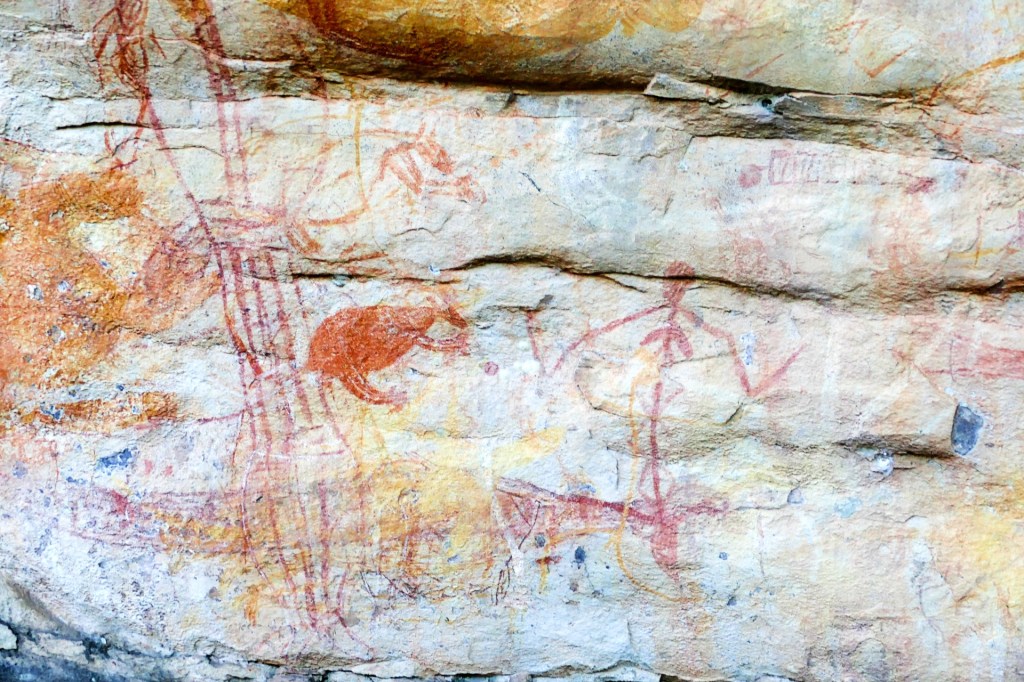
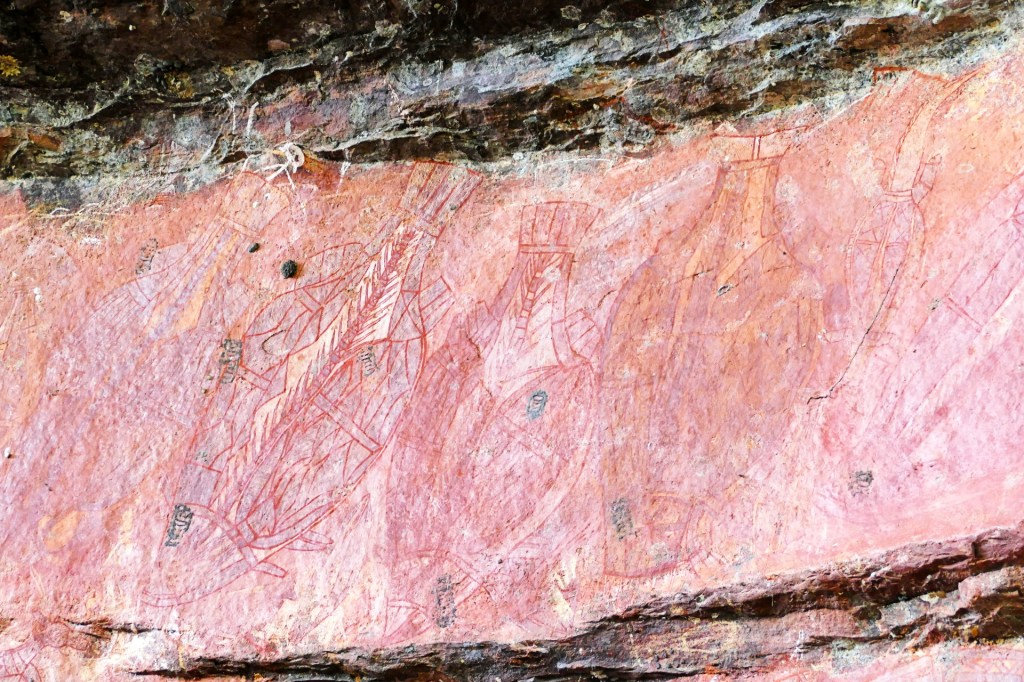
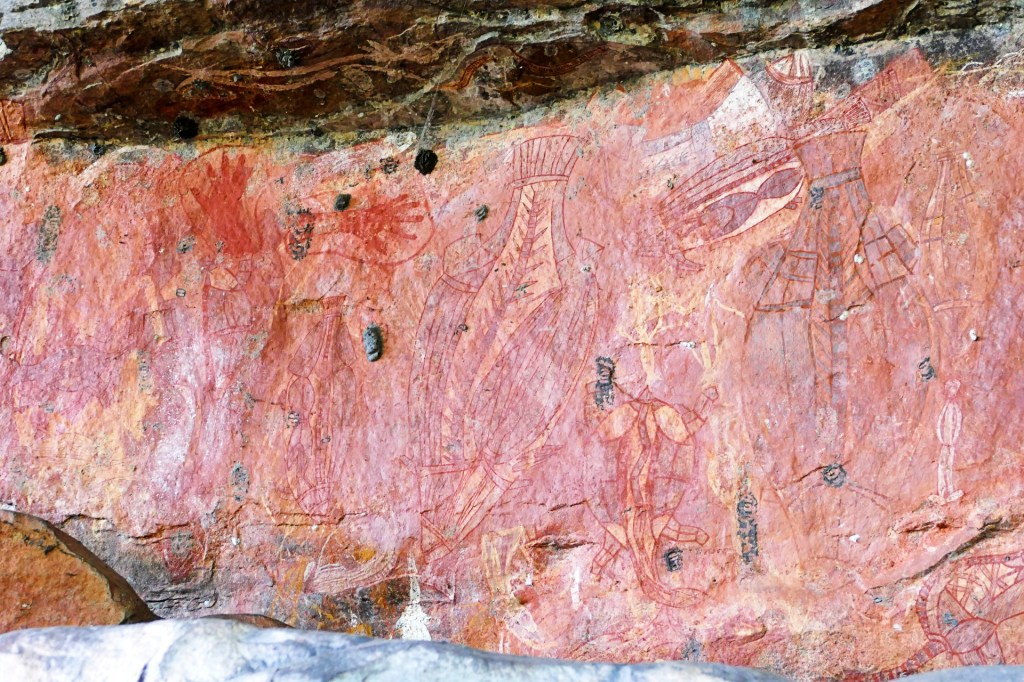
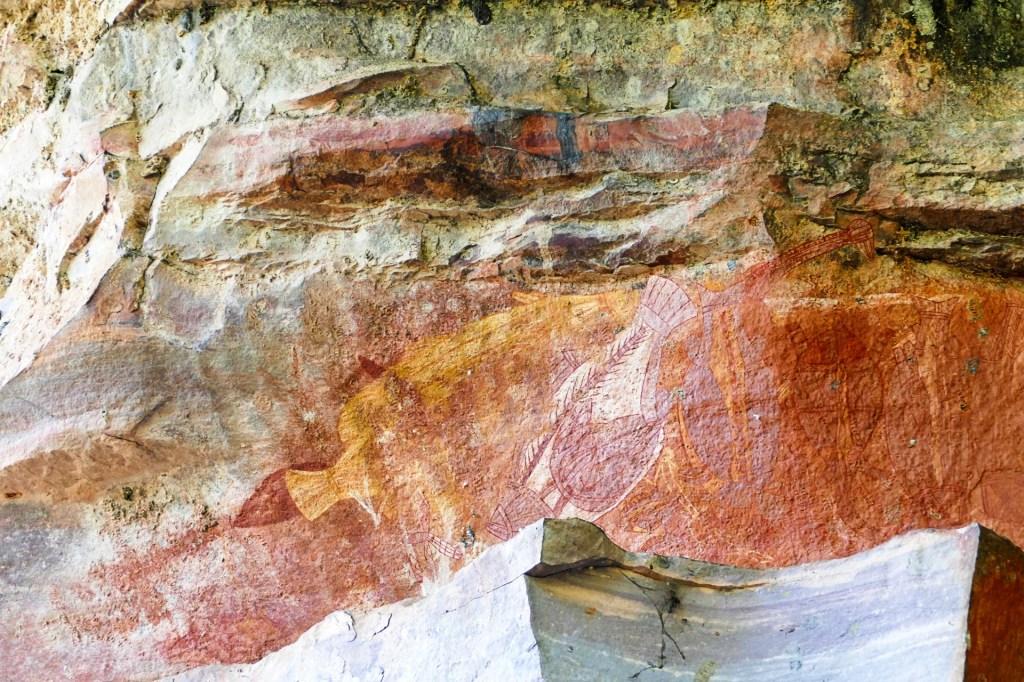
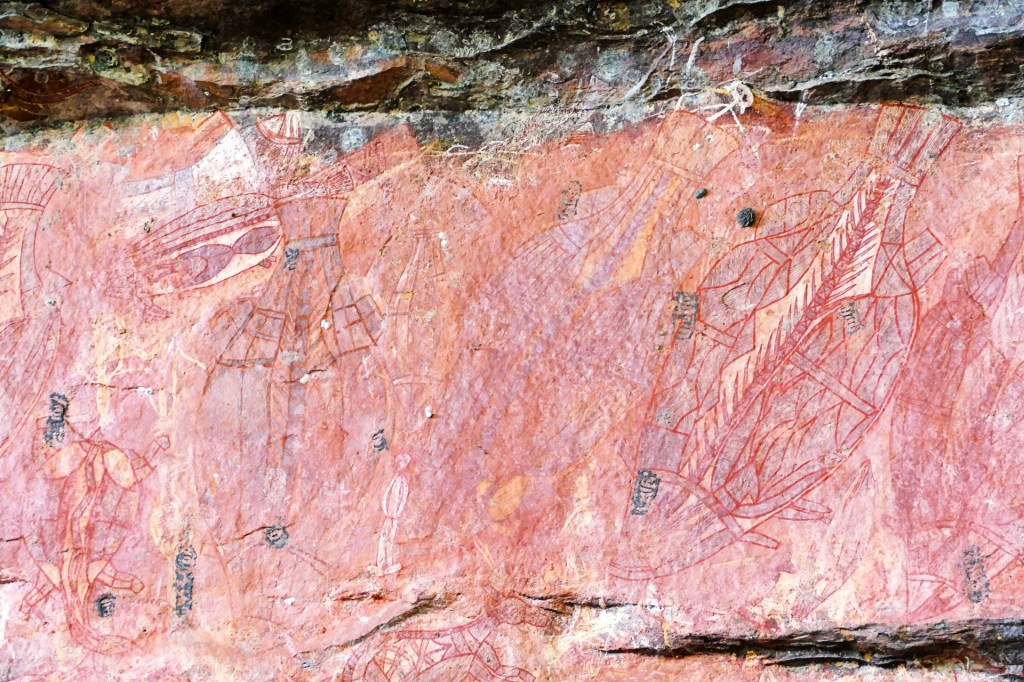
We did the Ubirr rock art and lookout walk, the rock art was superb given that some of it was thousands of years old. The art here is heritage listed as it is so unique and so old.
It is here that we can see the x-ray art that is unique to this area, the paintings are very vibrant despite their age.
Rock paintings told Aboriginal people the story of their country and their culture. Some of this rock art is over 5000 years old


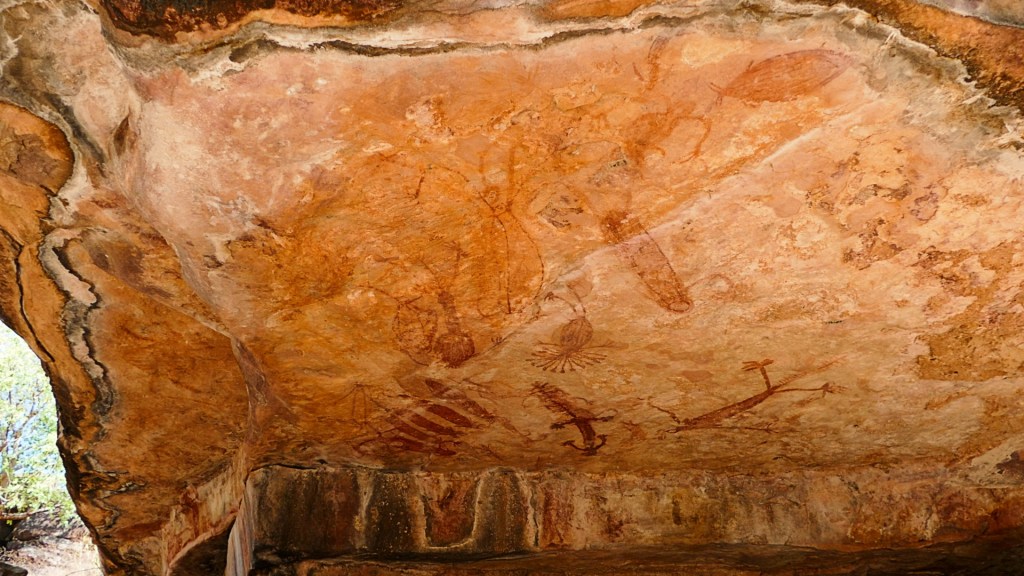
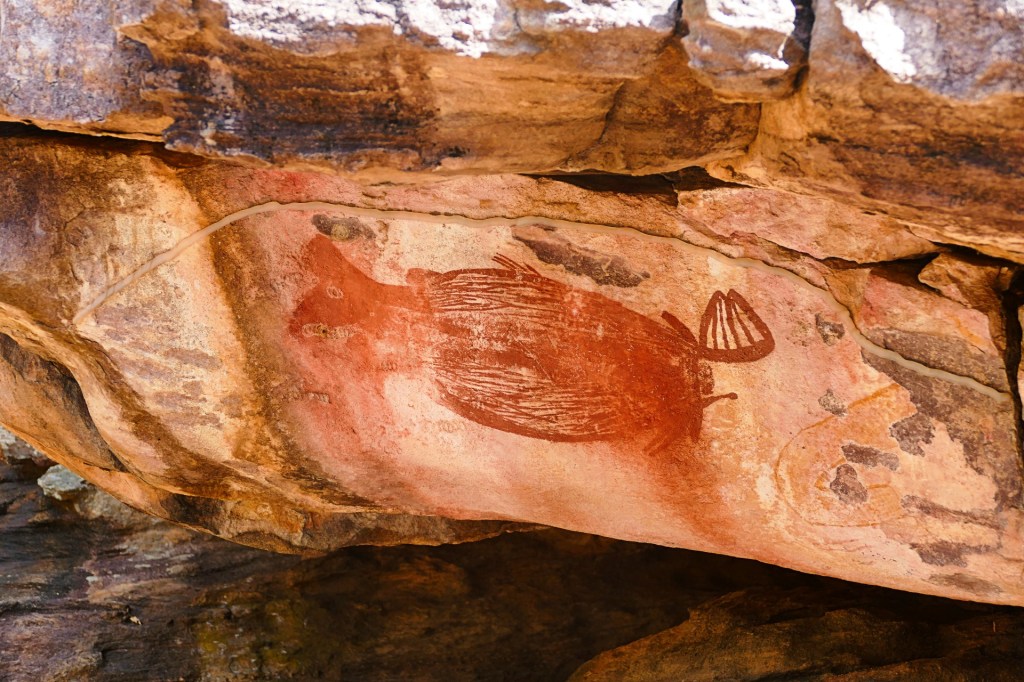
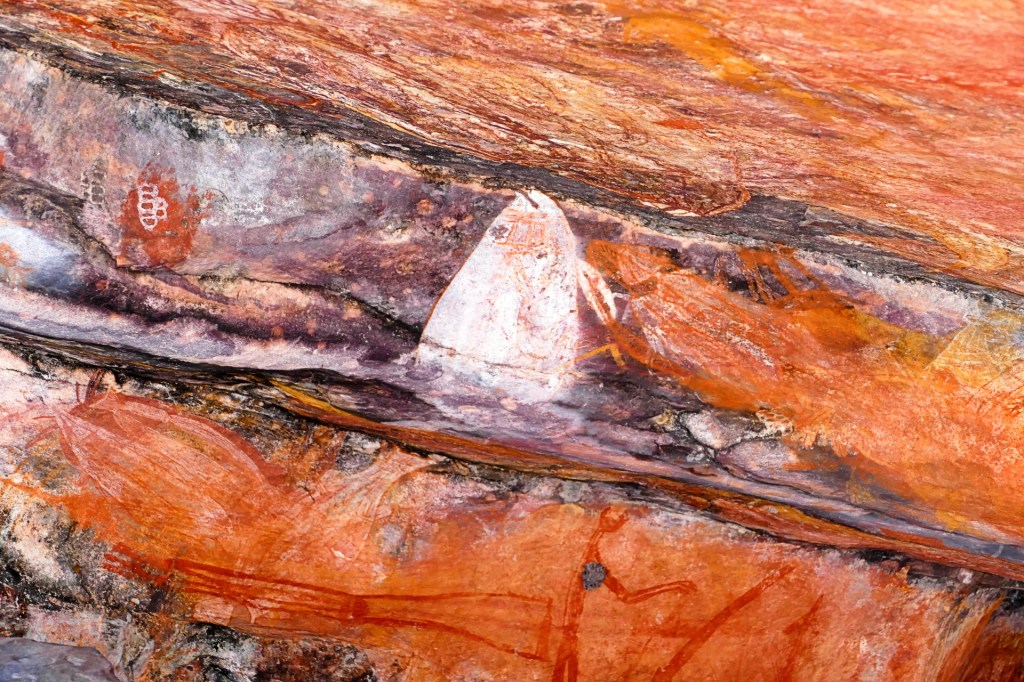
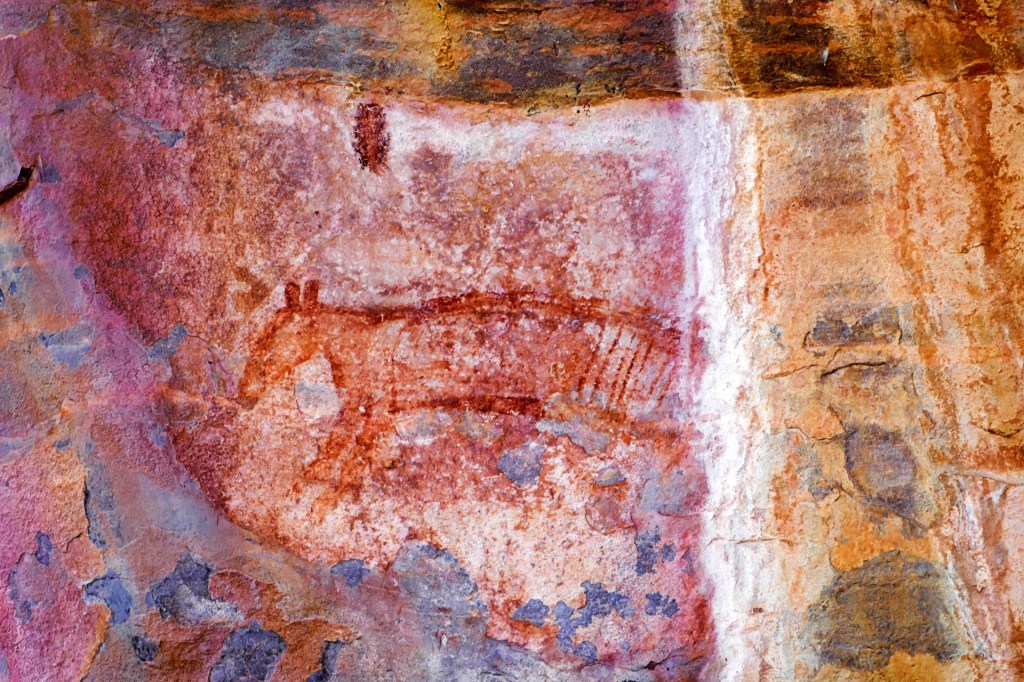
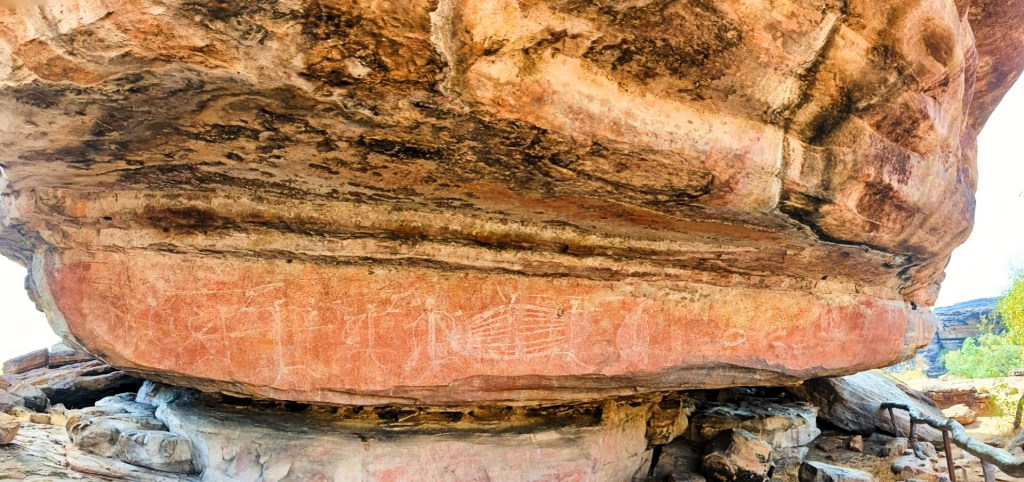
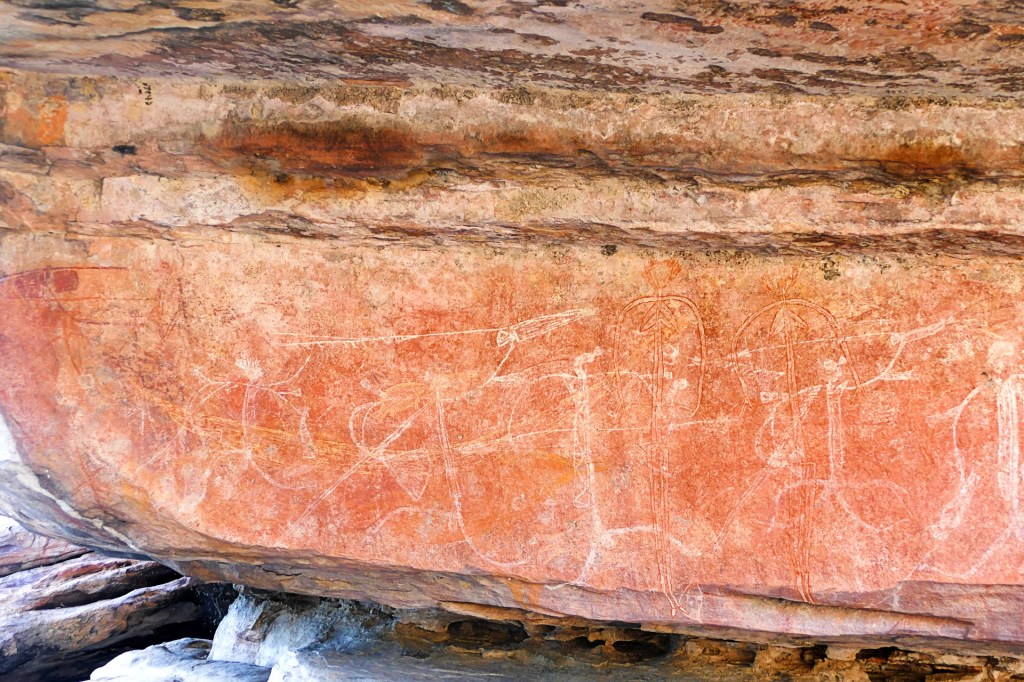
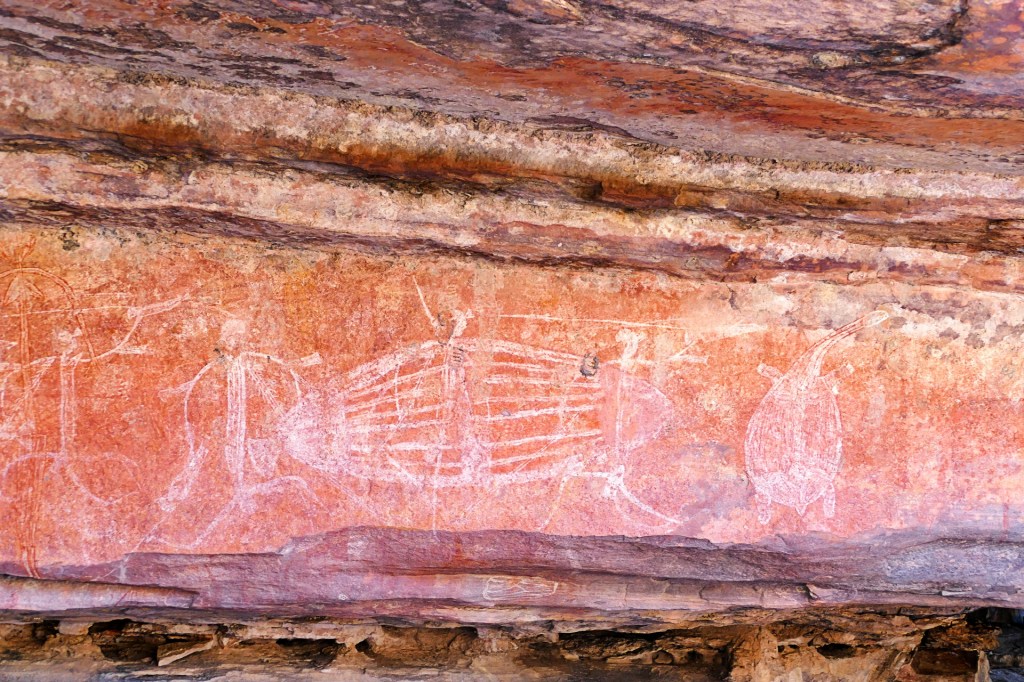
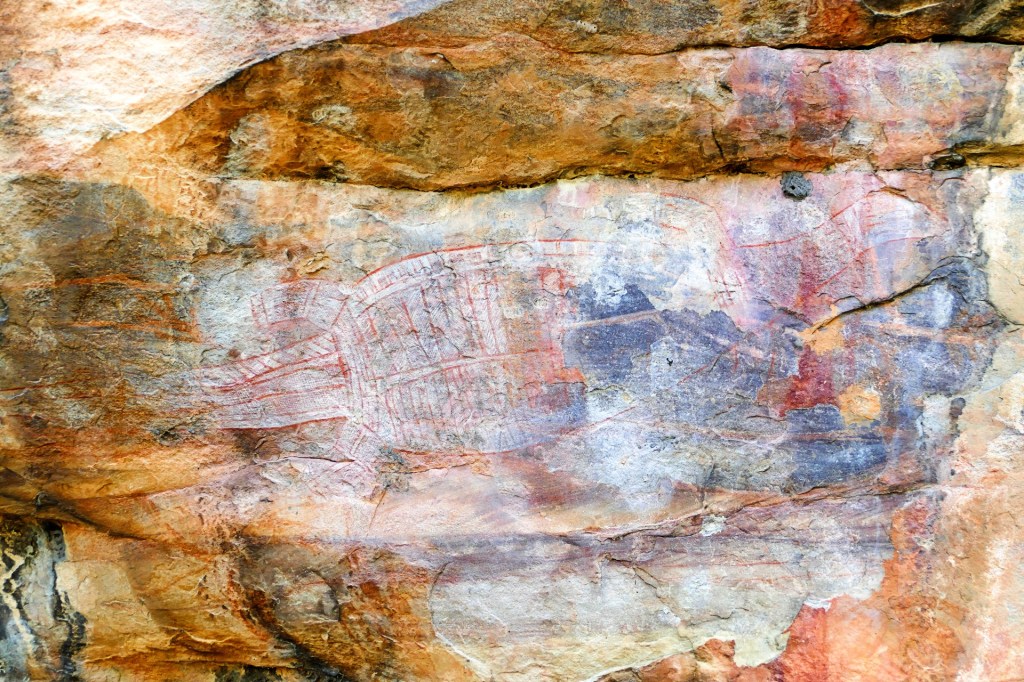
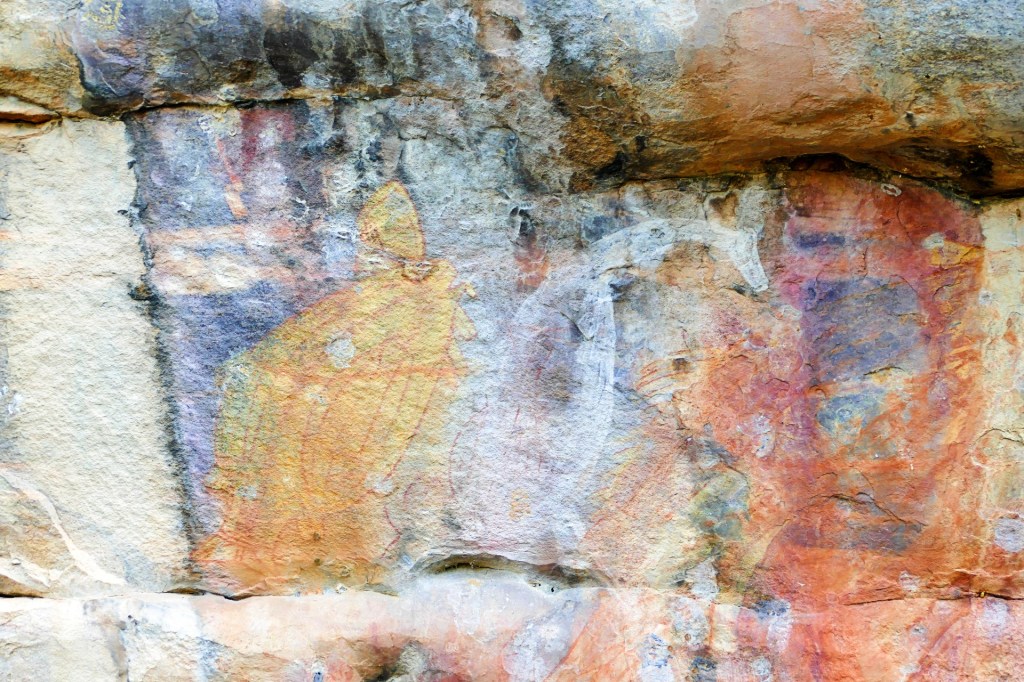
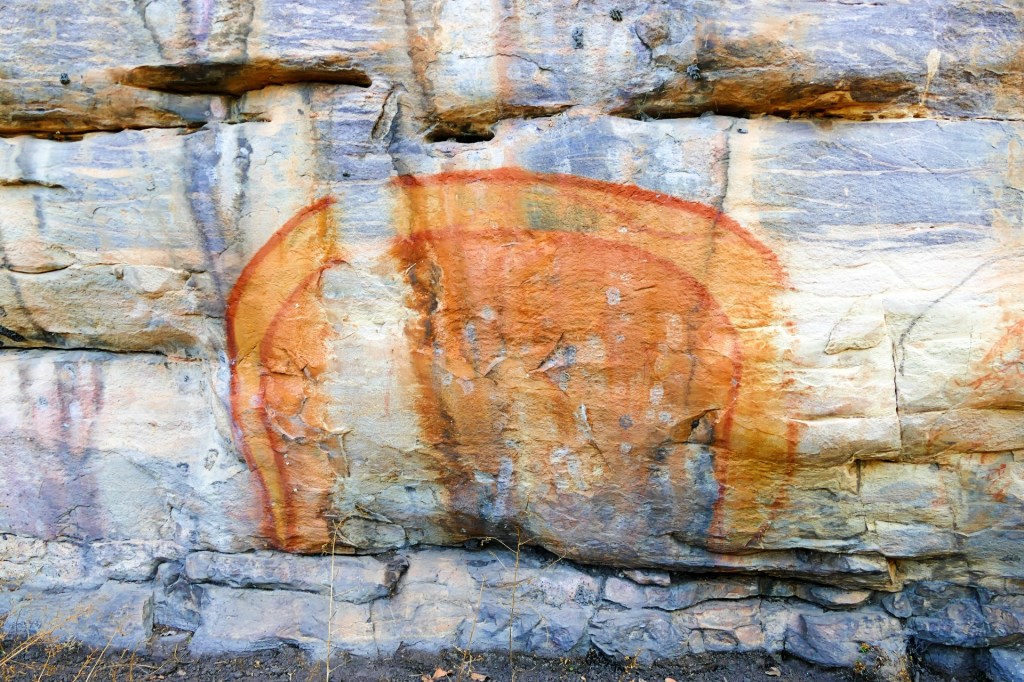
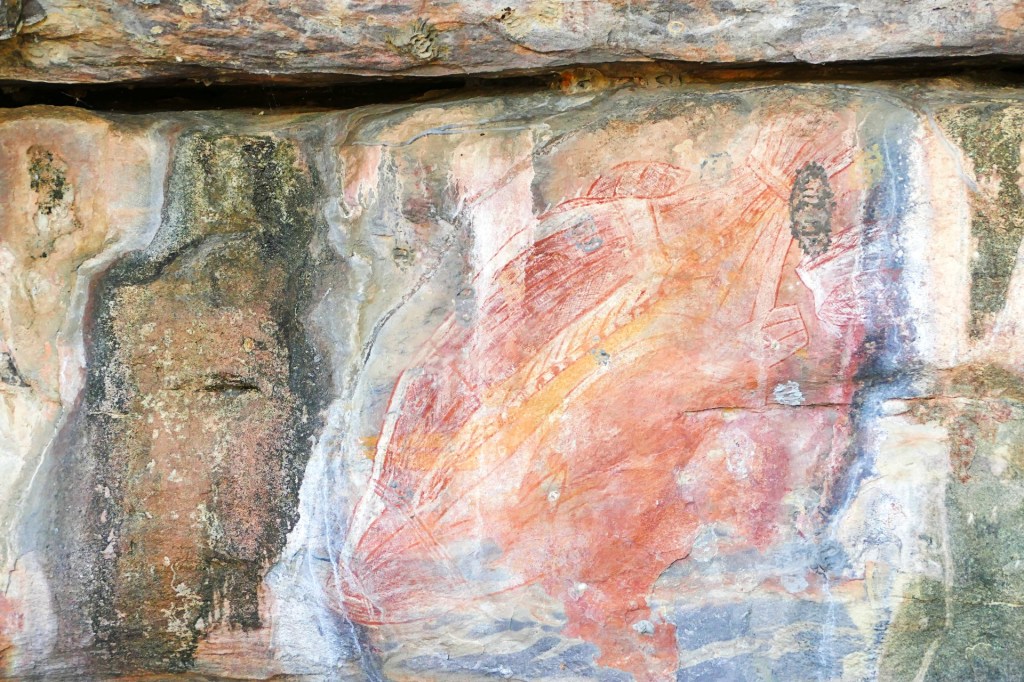

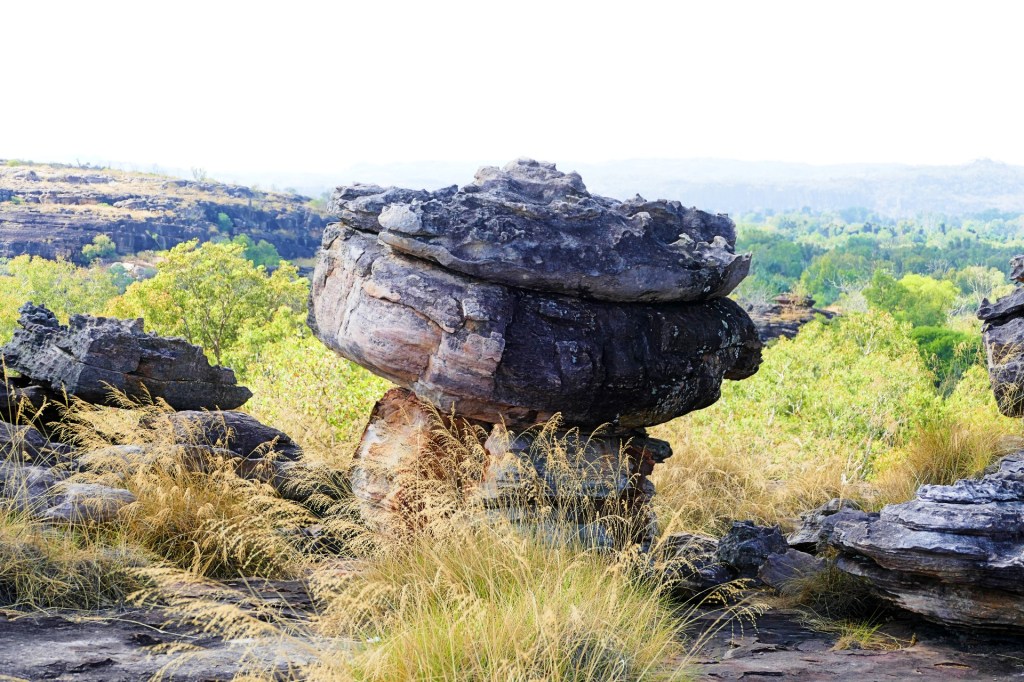
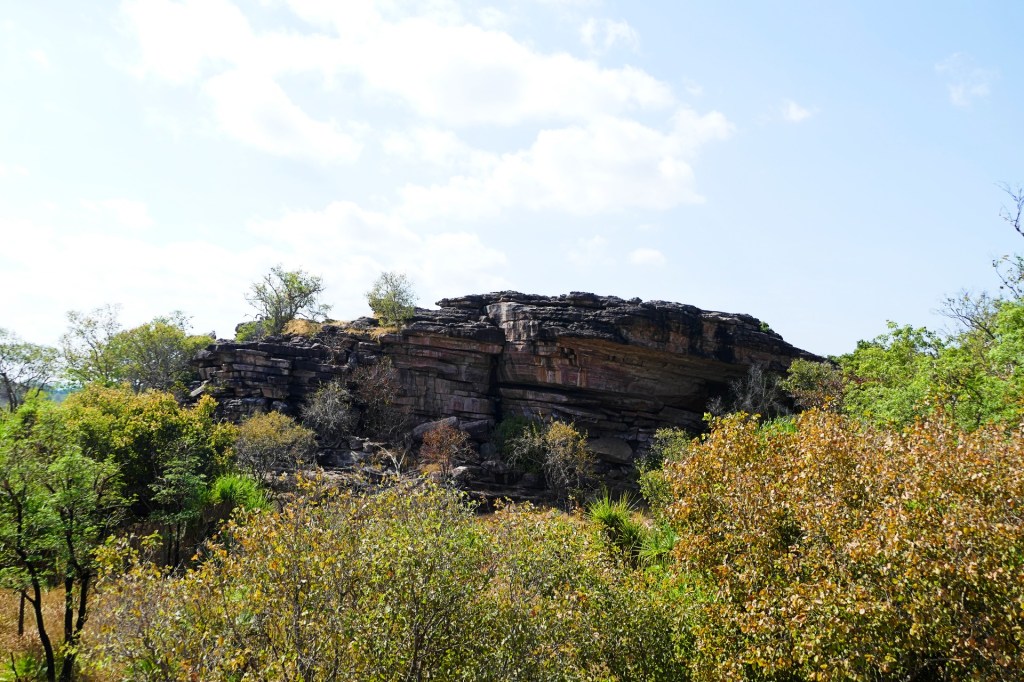
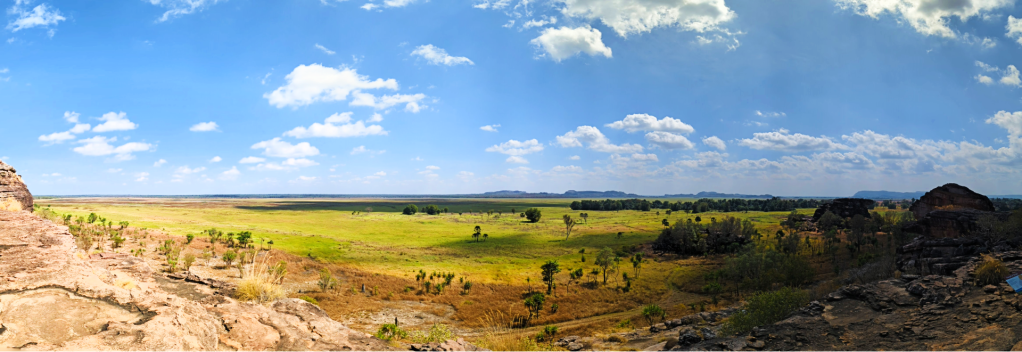
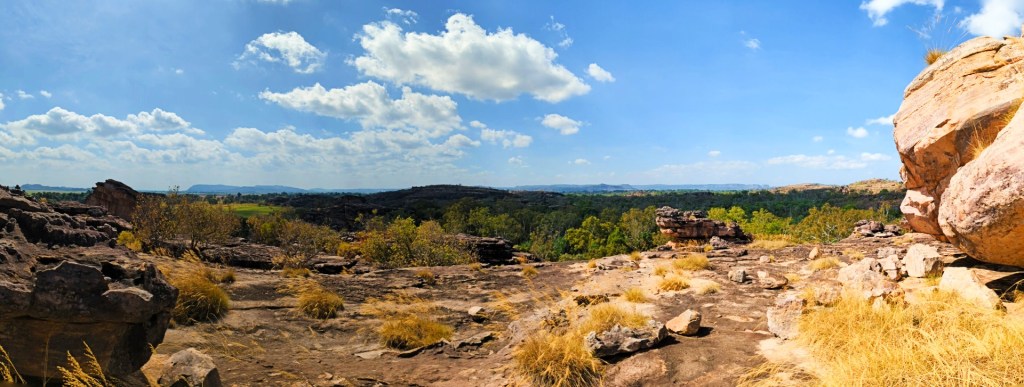
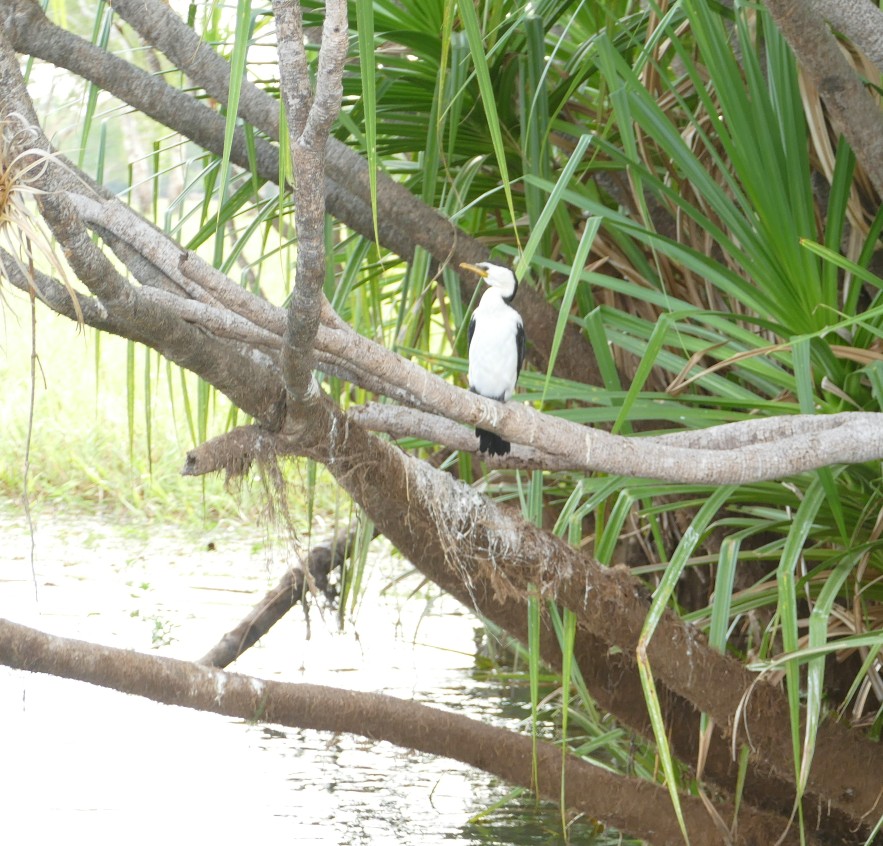
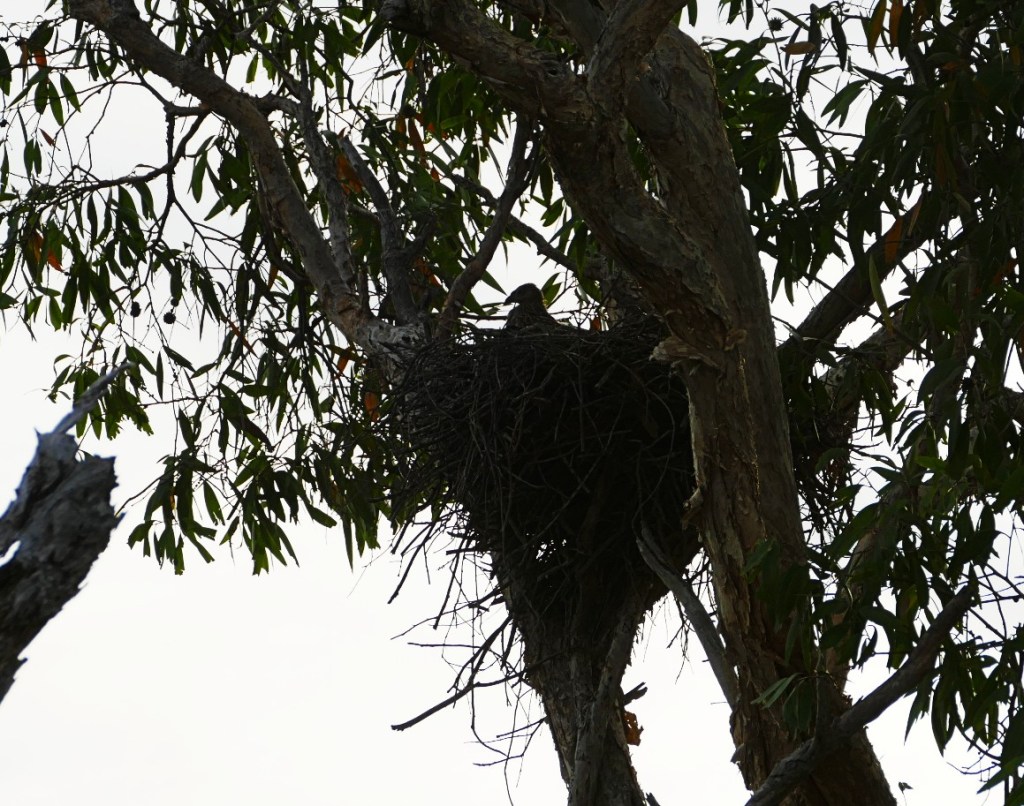
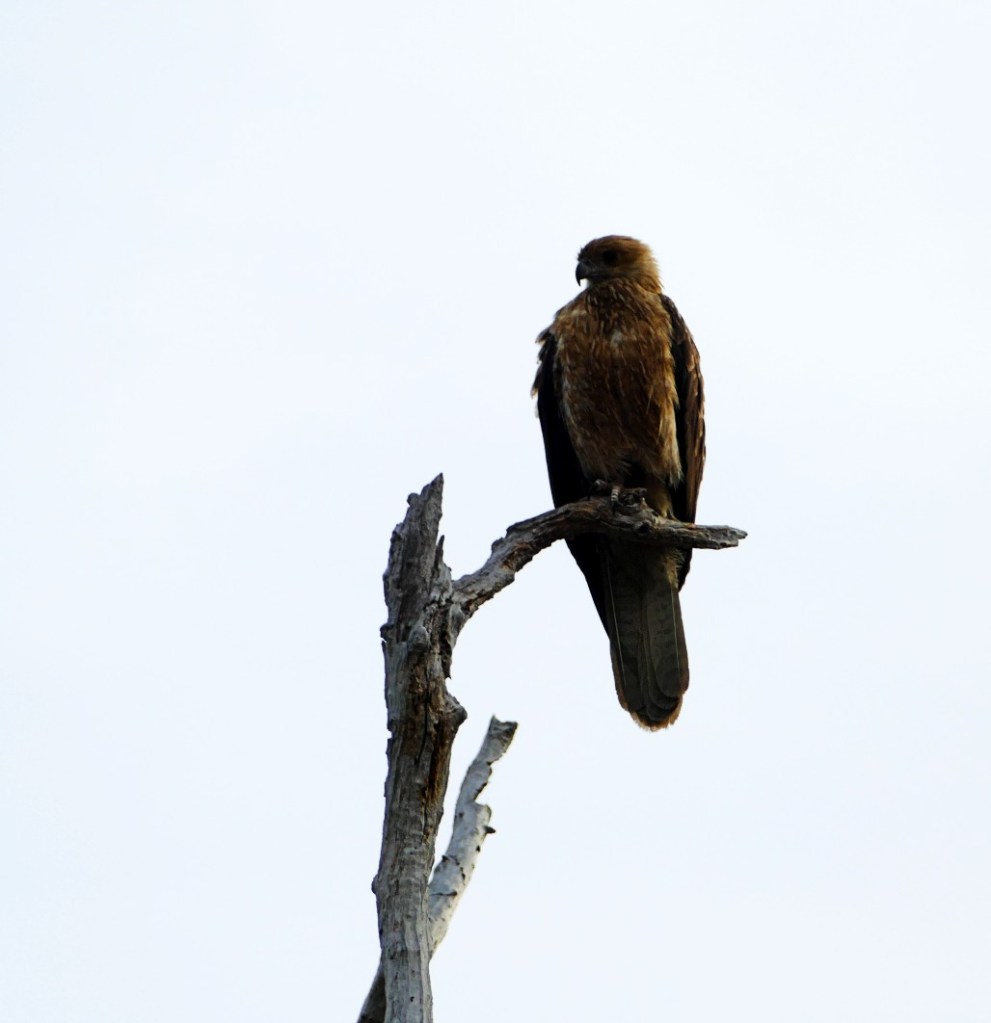
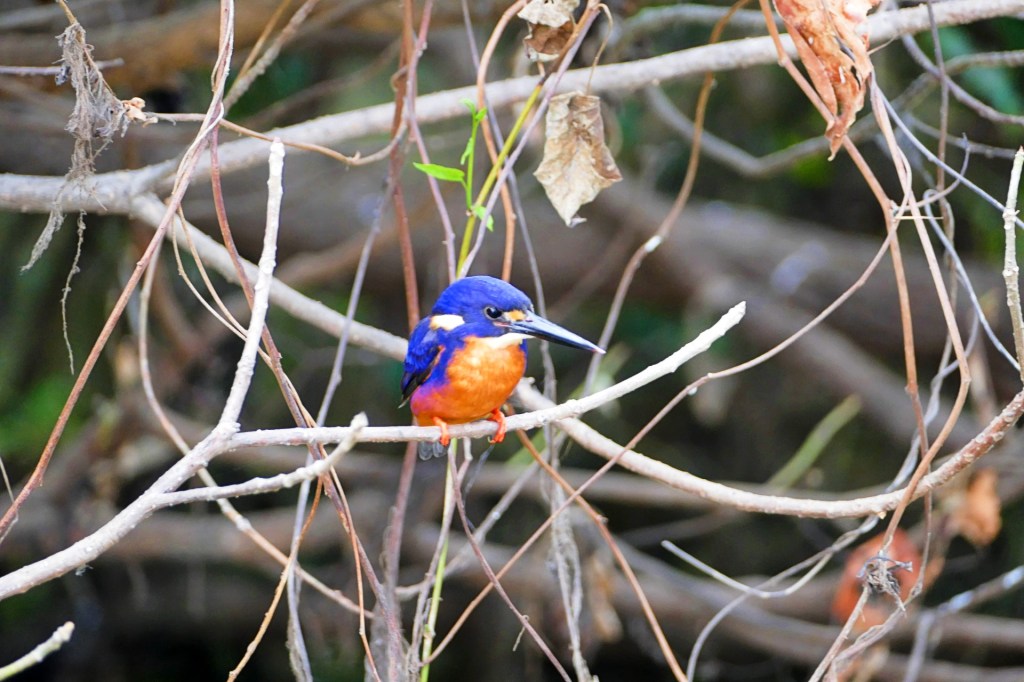
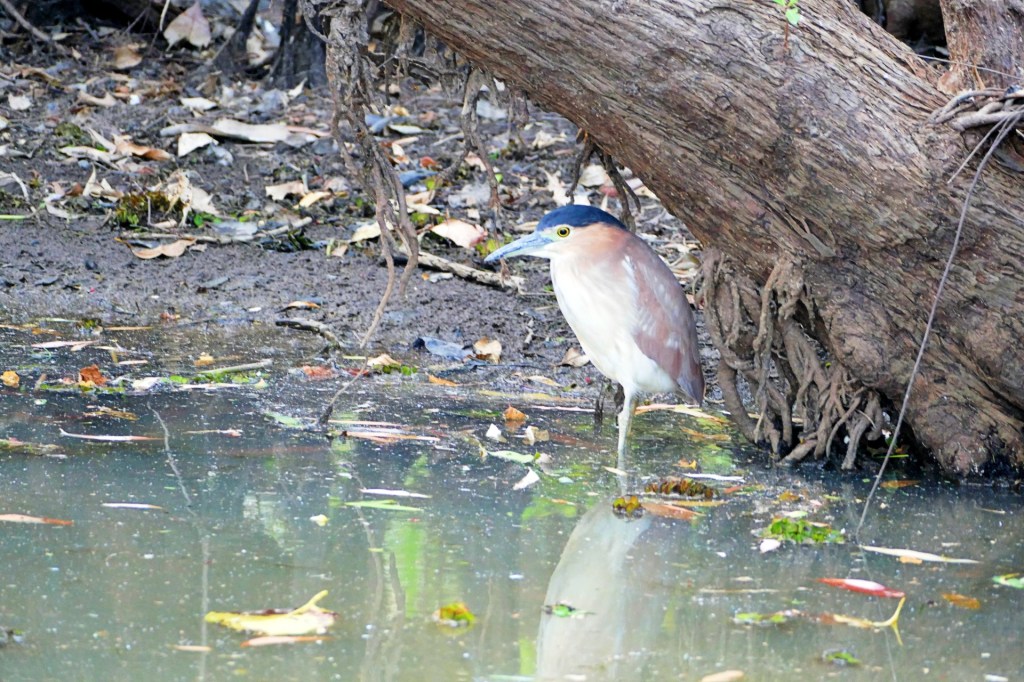
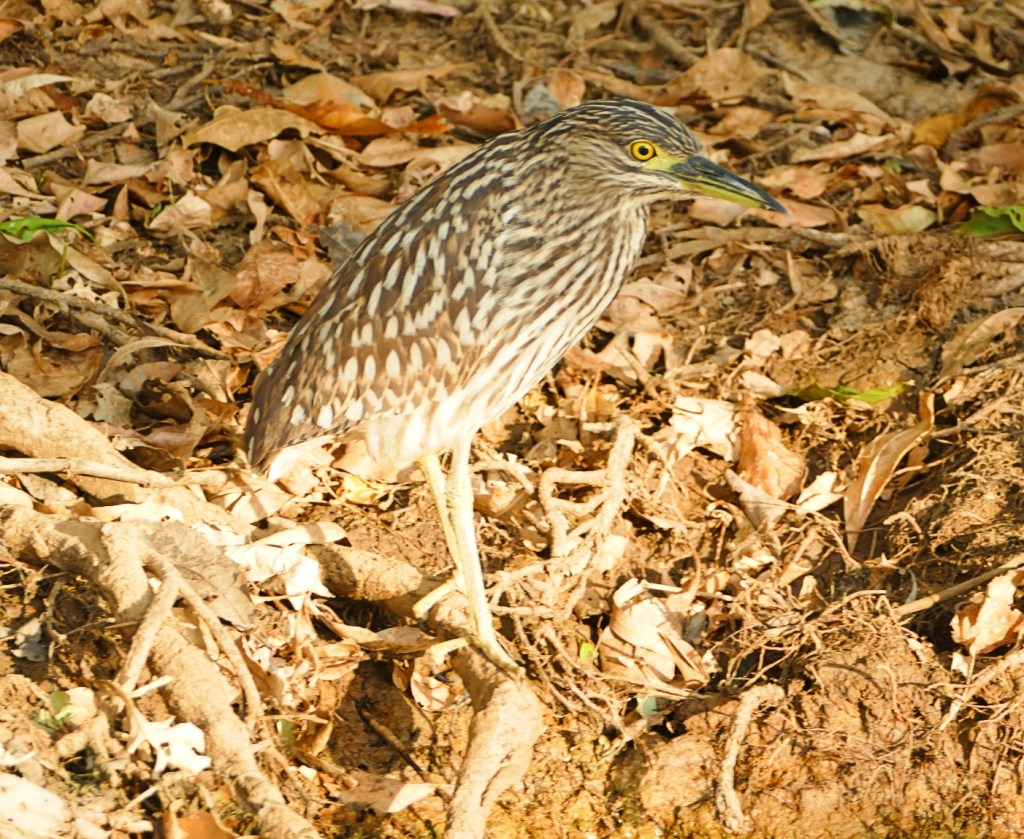
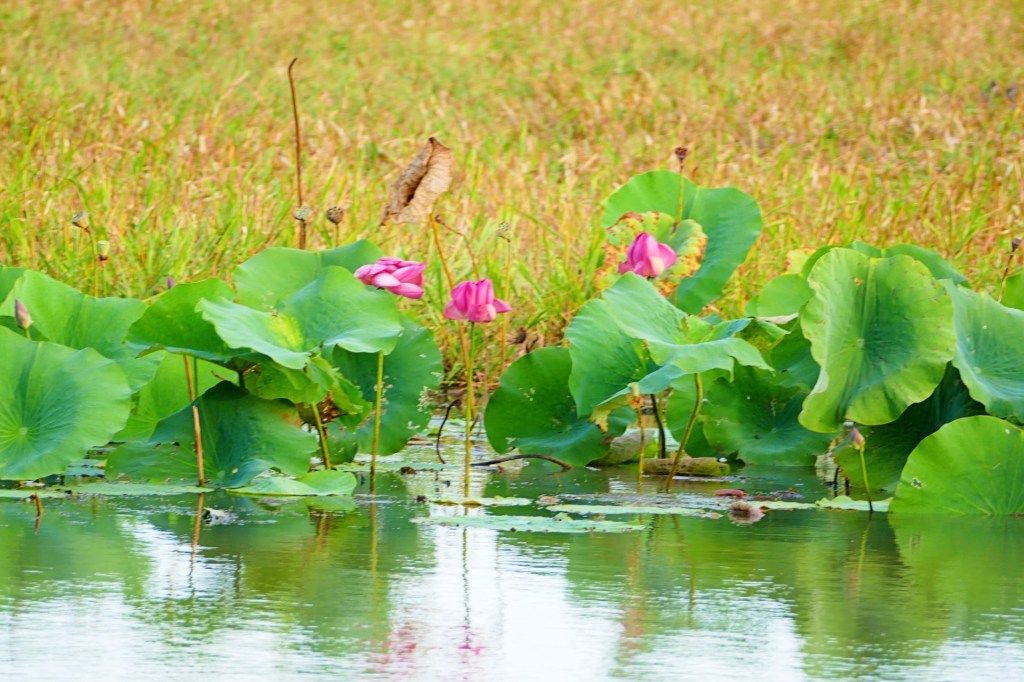
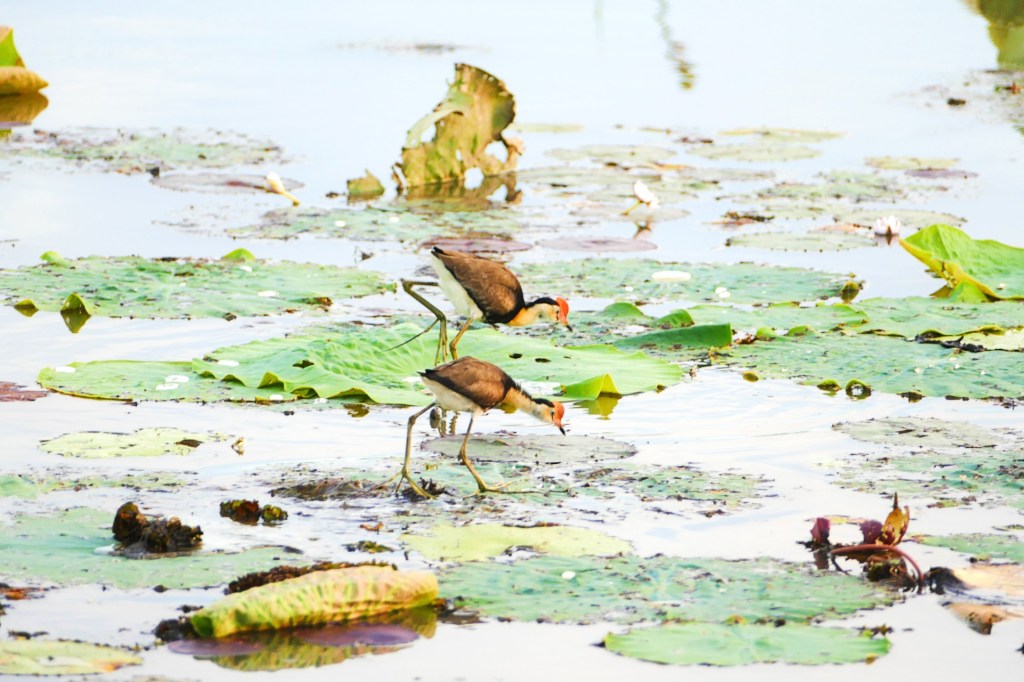
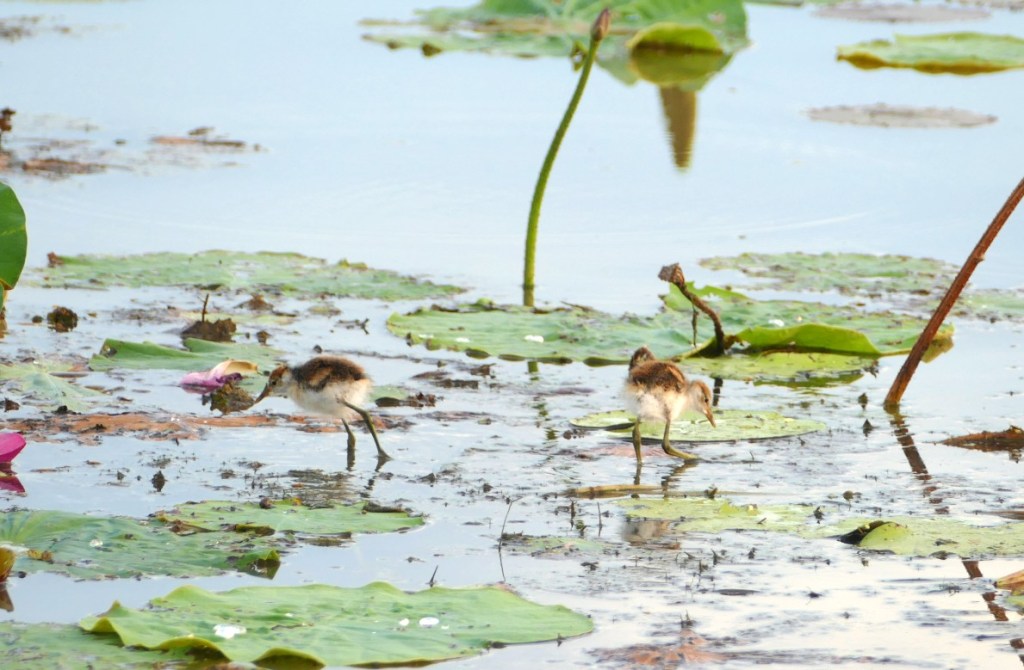
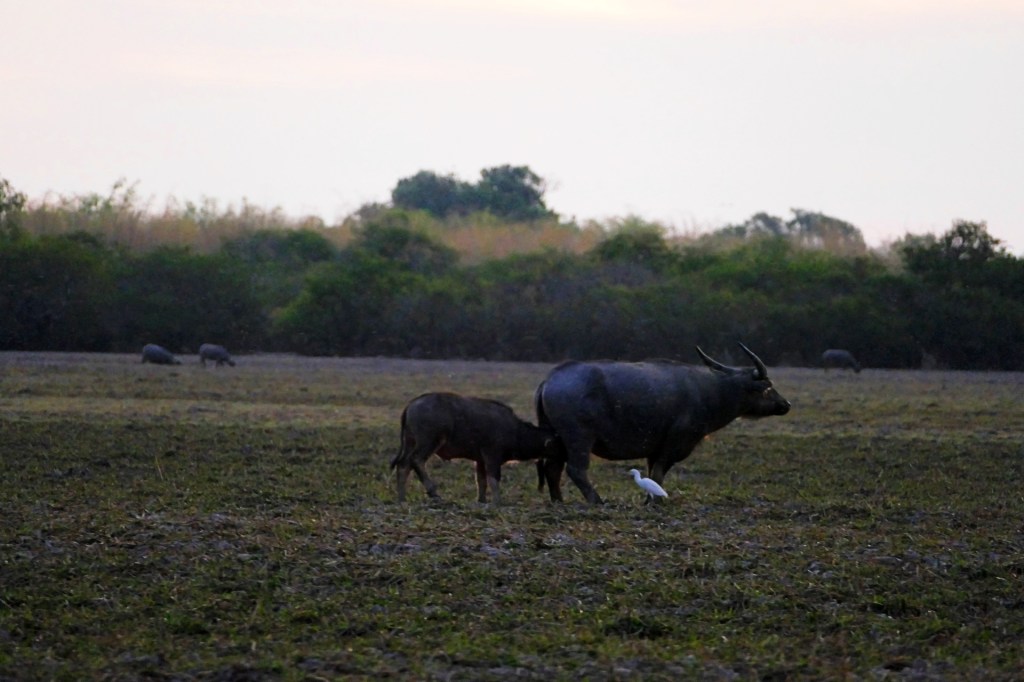
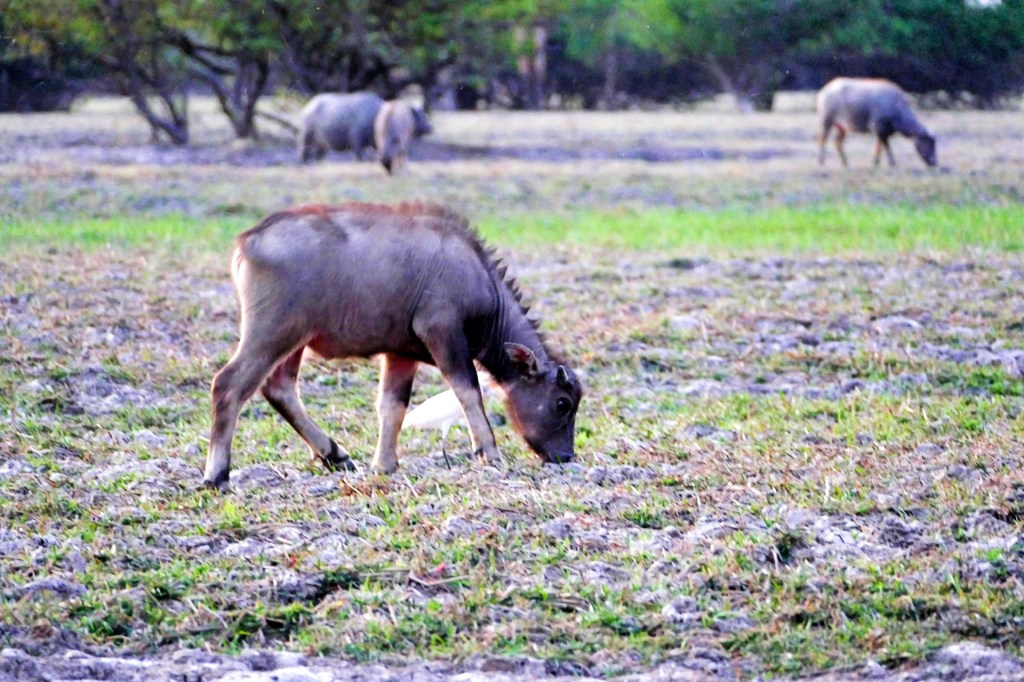
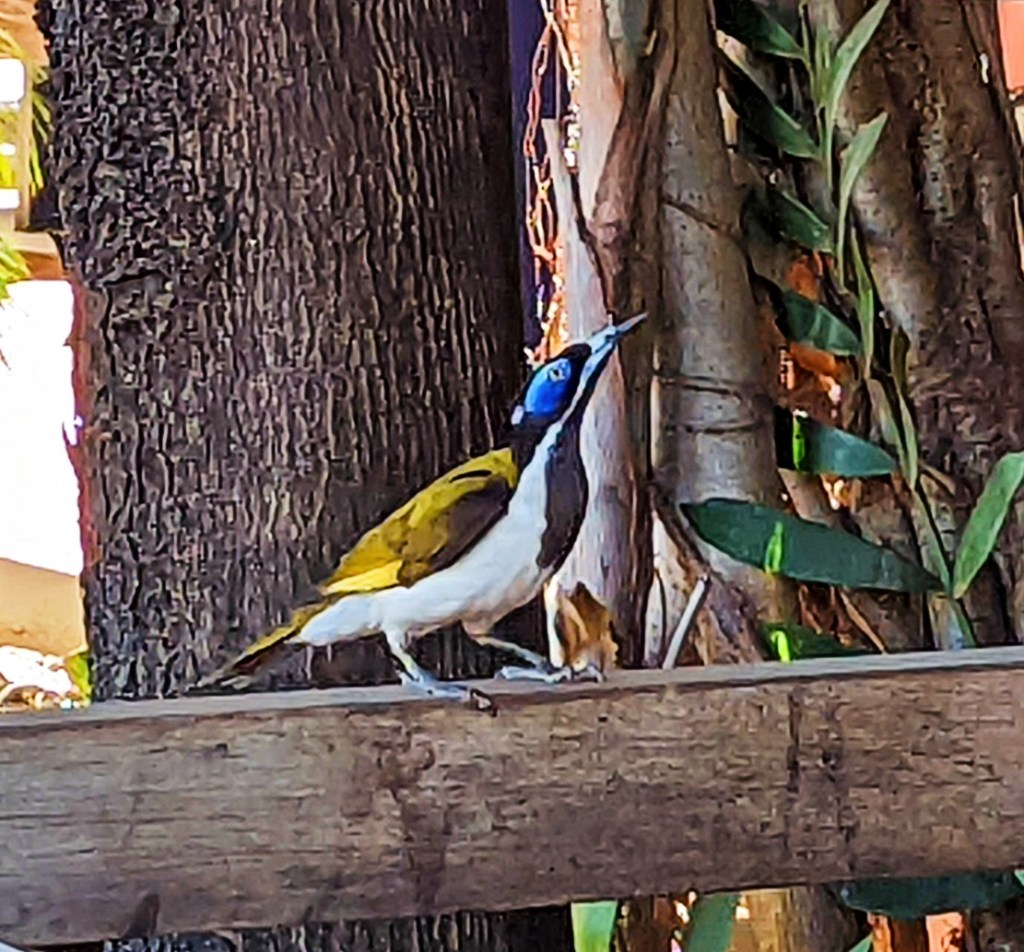
We spent Monday night at a camp ground in Kakadu called Malabanjbanjdju Camp Ground, which was on a billabong, one of the things about Kakadu is the birdlife and wildlife, which is in abundance at every water hole.
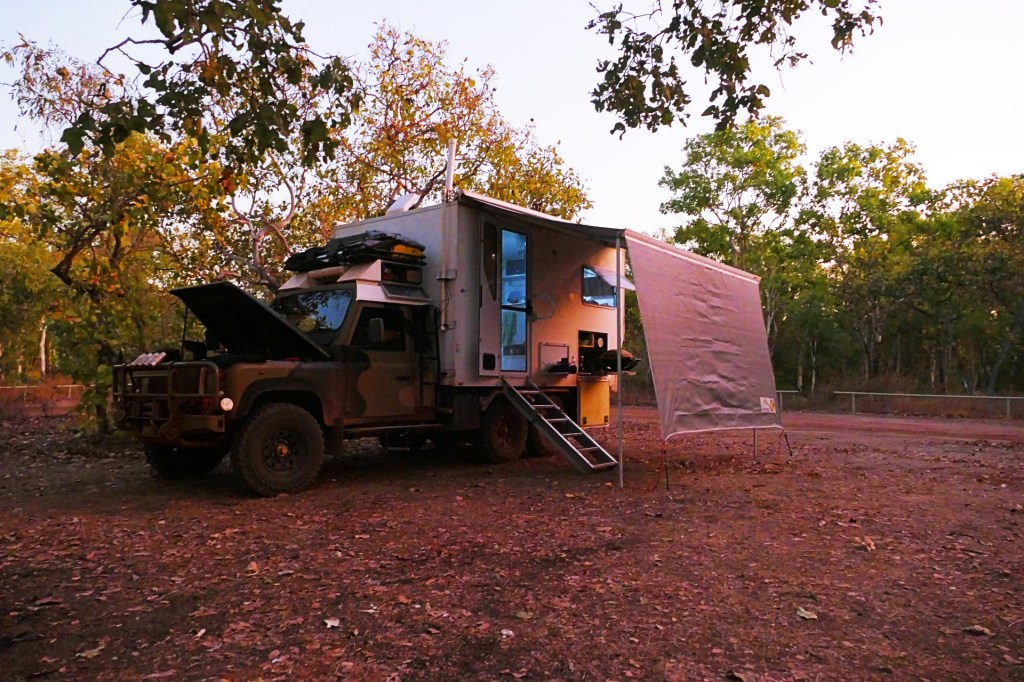
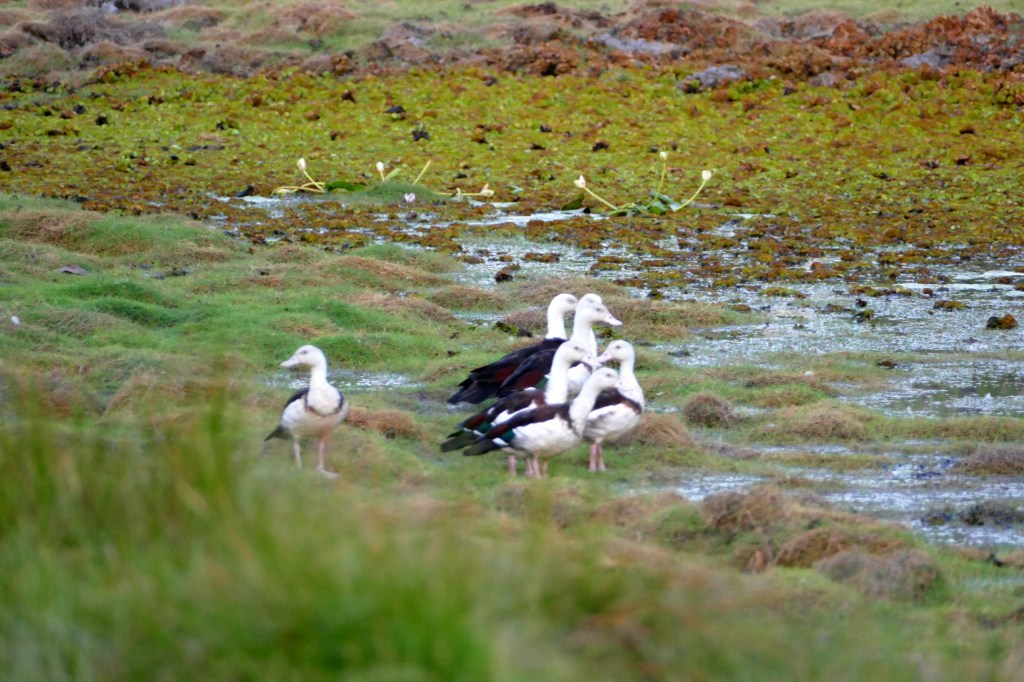
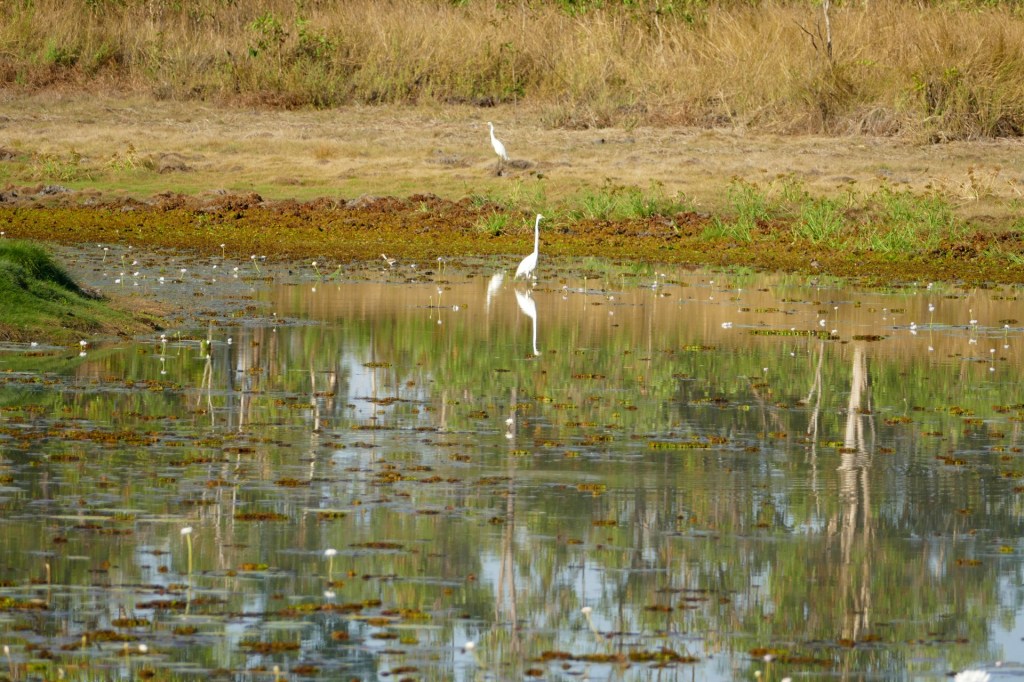

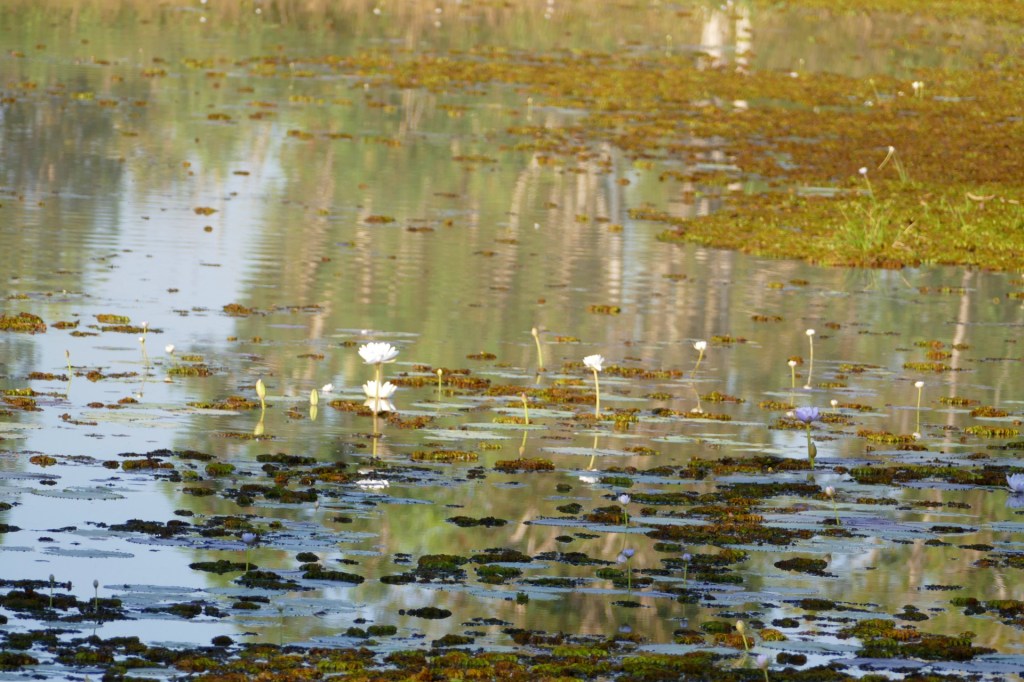

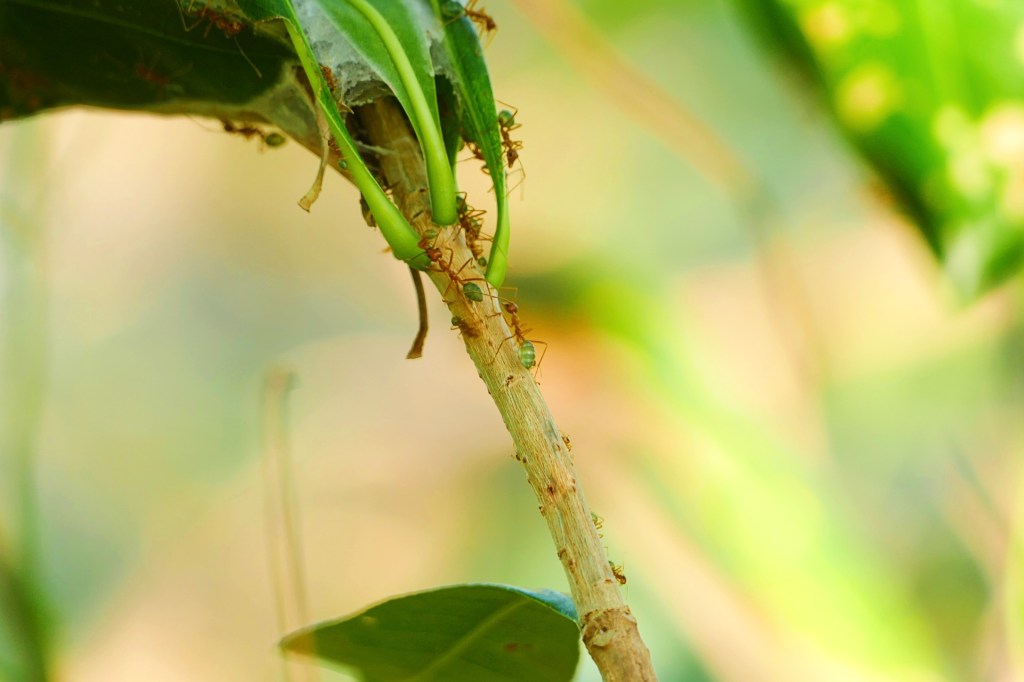
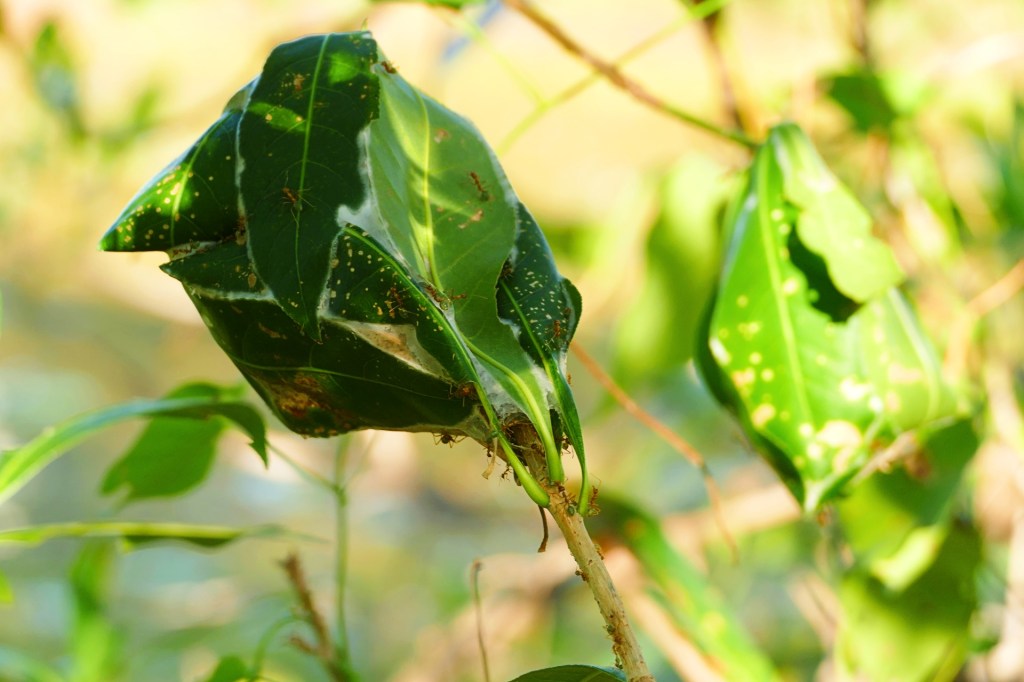
On Tuesday we did the Anbangbang Shelter walk. this walk takes us through traditional shelters used by Aboriginal people in the past. Many of the shelters have beautiful rock art, which was used to tell stories when the shelters were being occupied.
The following shelter was used by the ancestors of the current custodians for 20,000 years, the cool breeze and shade would have been welcomed after the heat from the lowlands
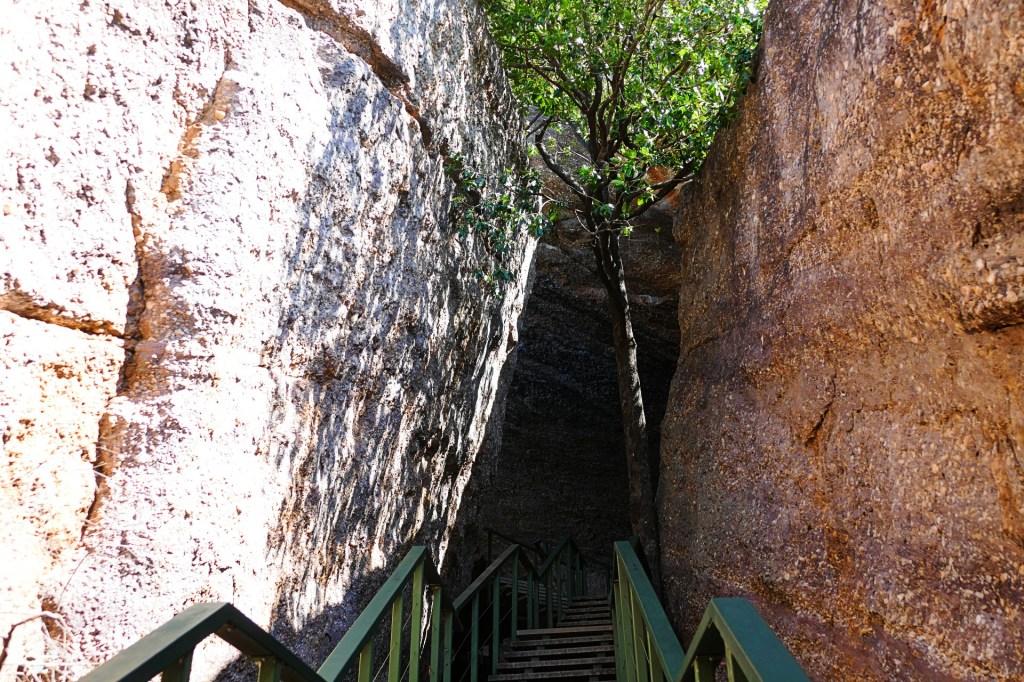
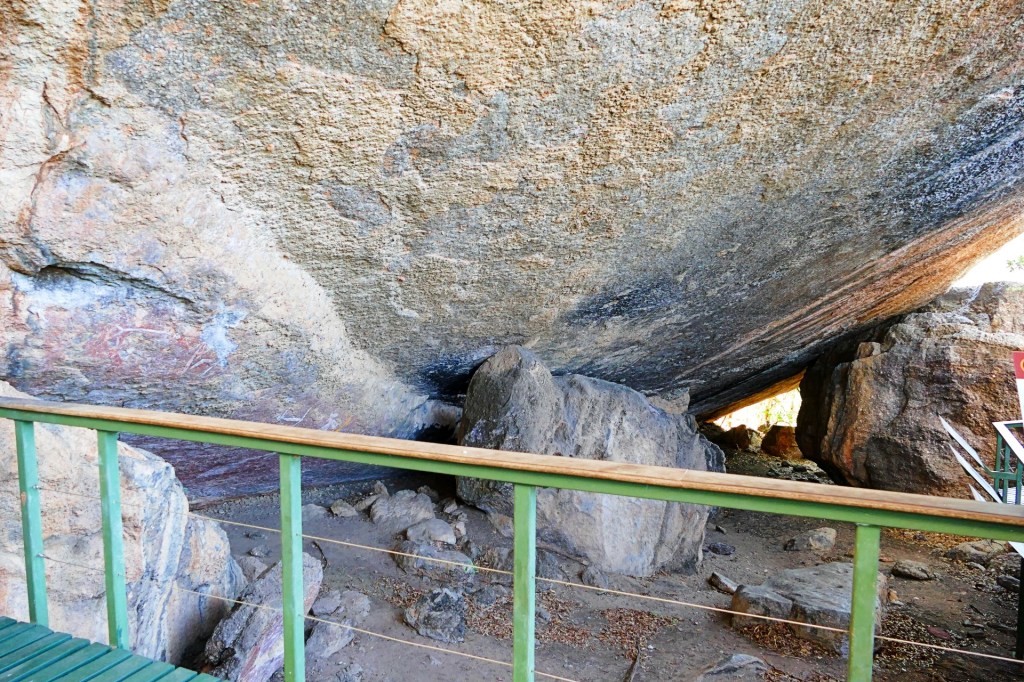
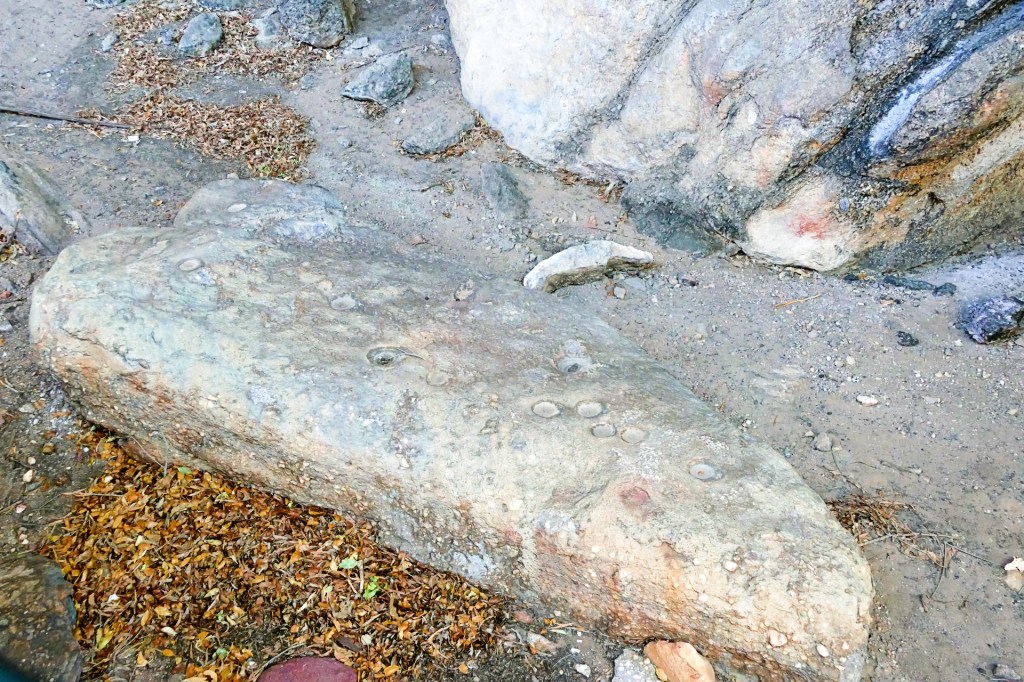
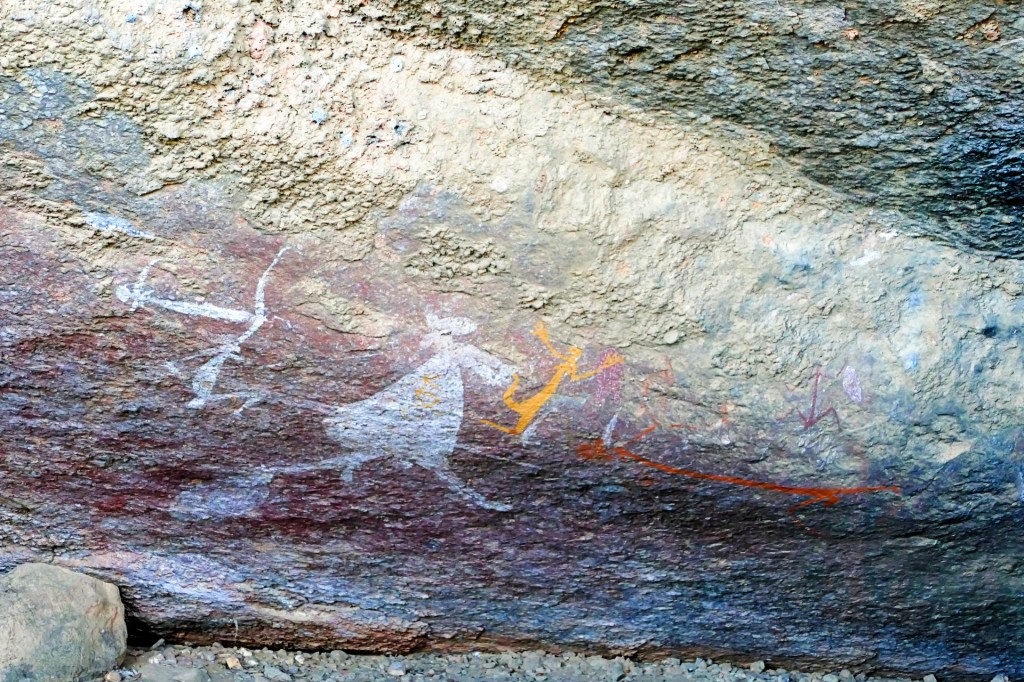
Other shelters were all around the rock area.
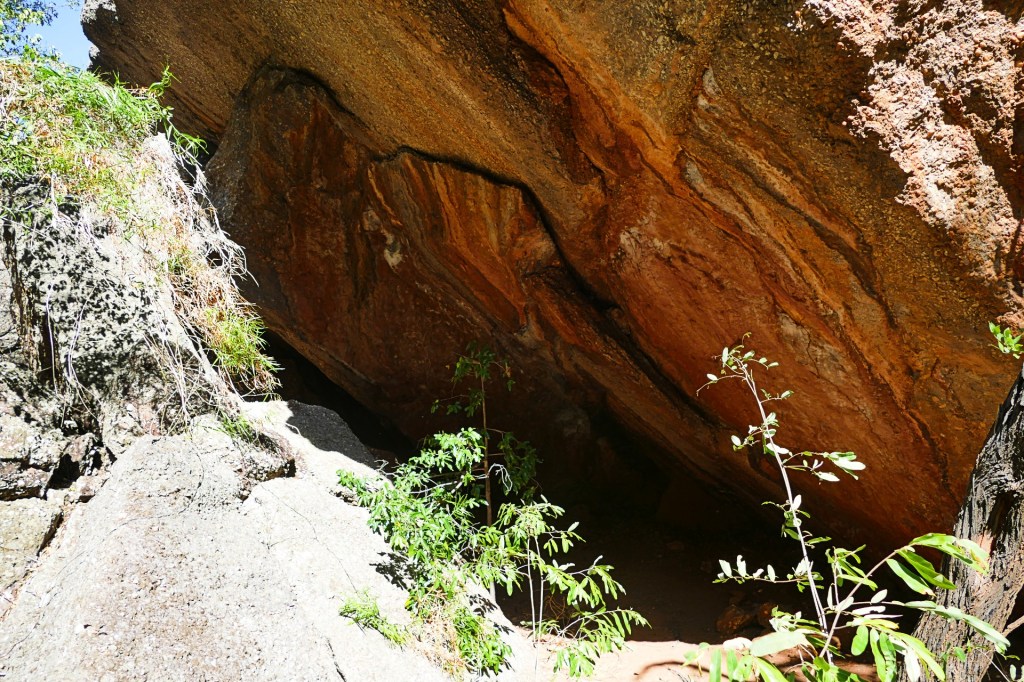
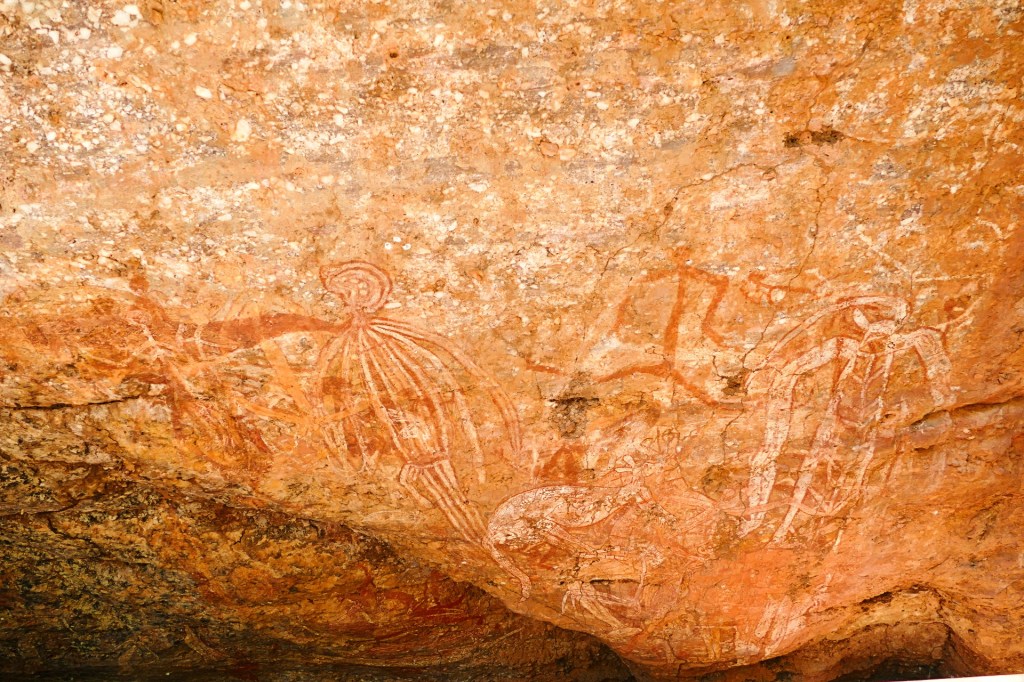

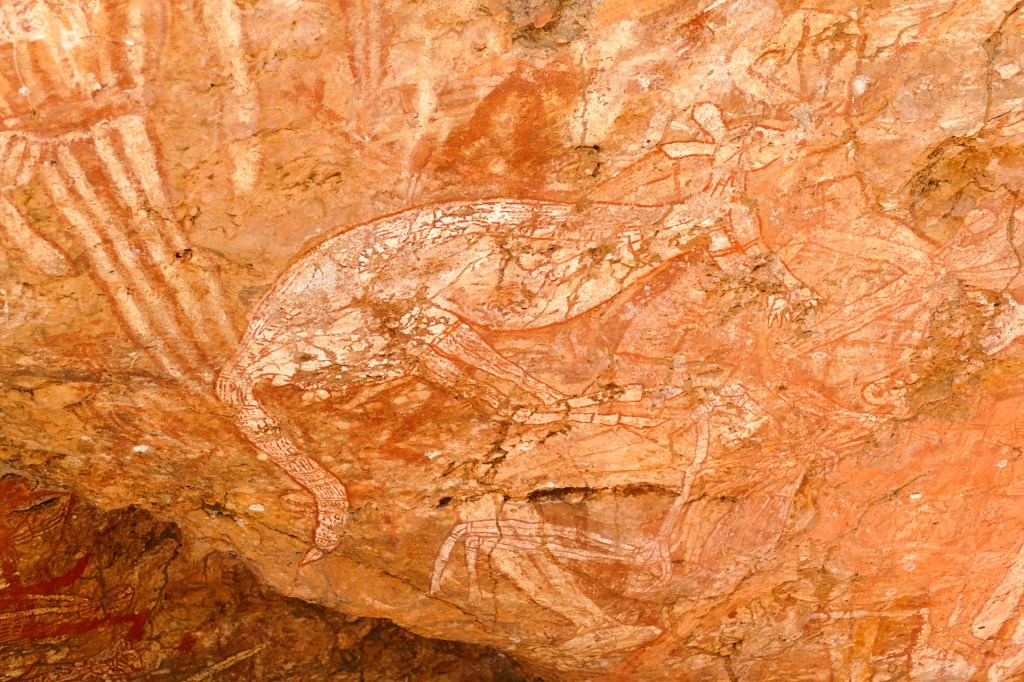
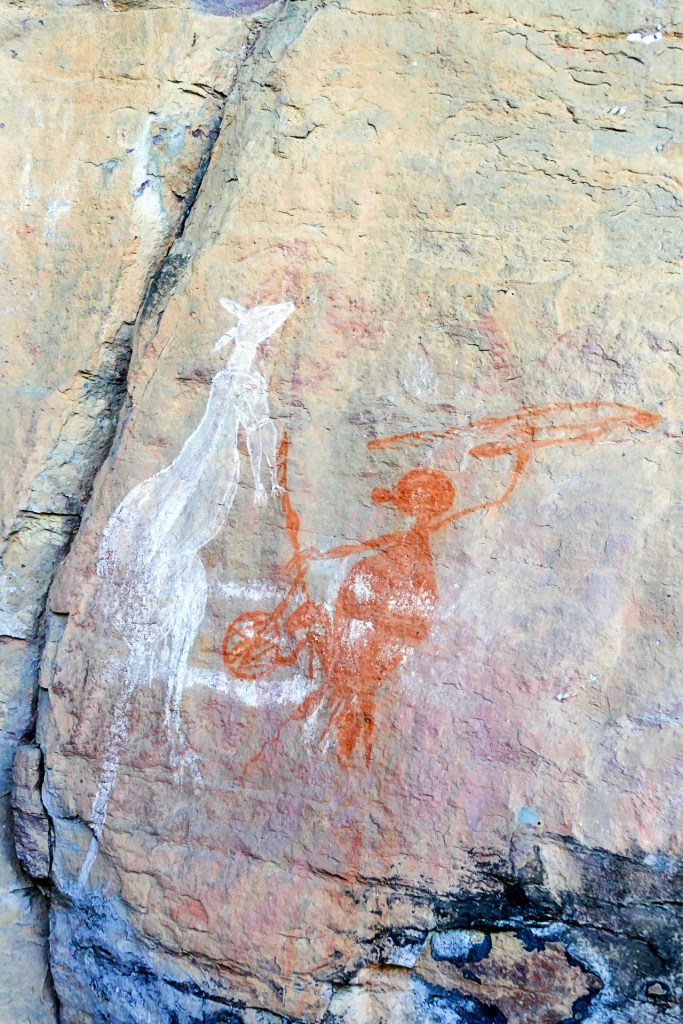
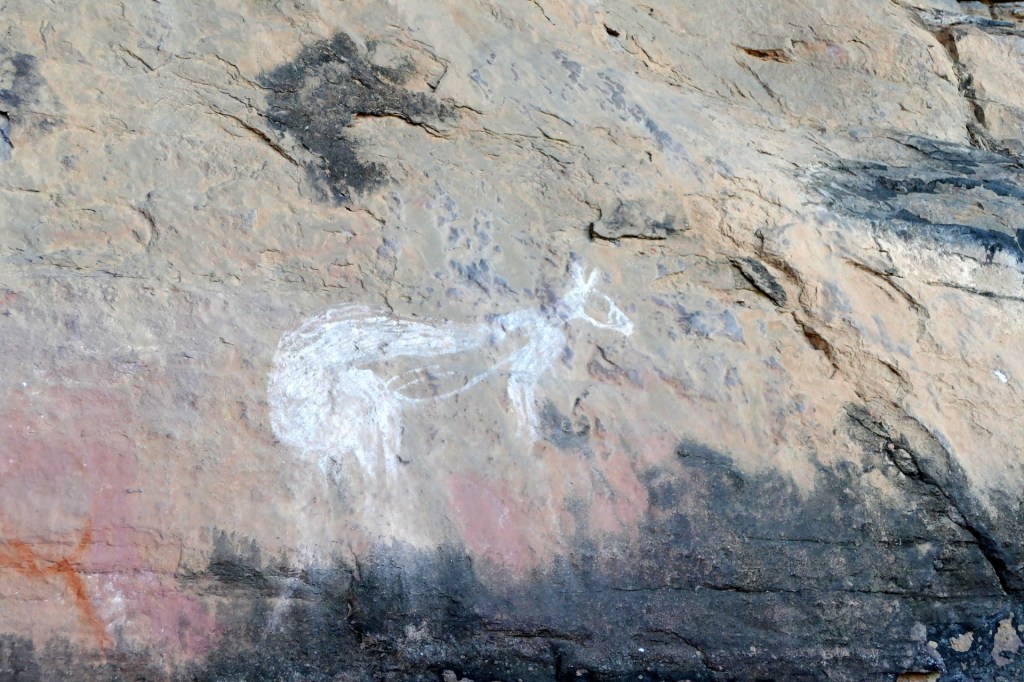
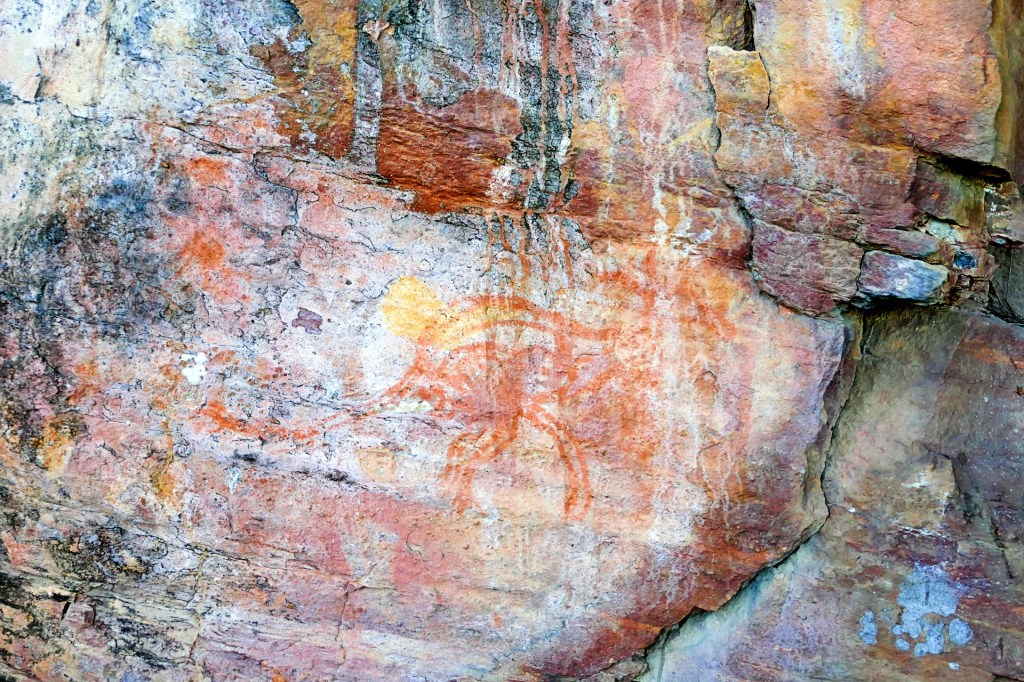
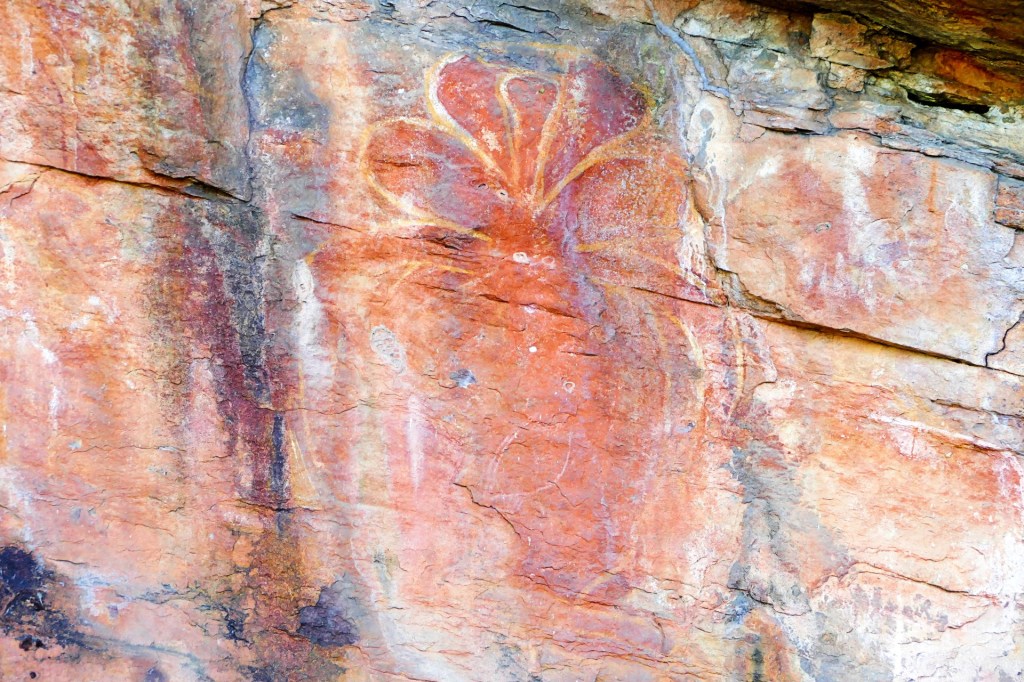
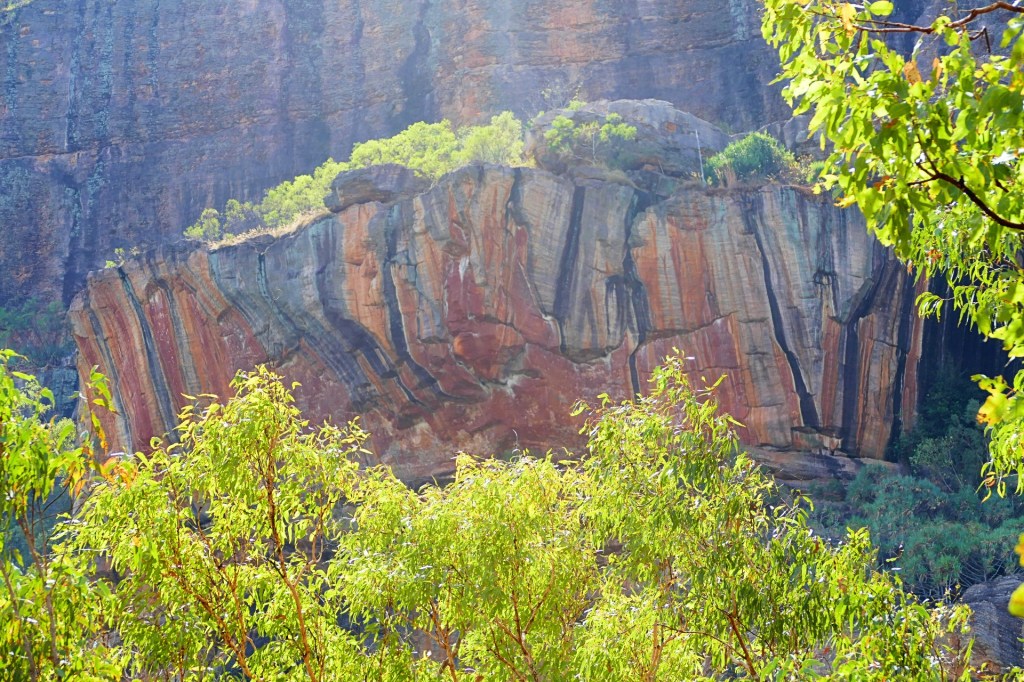
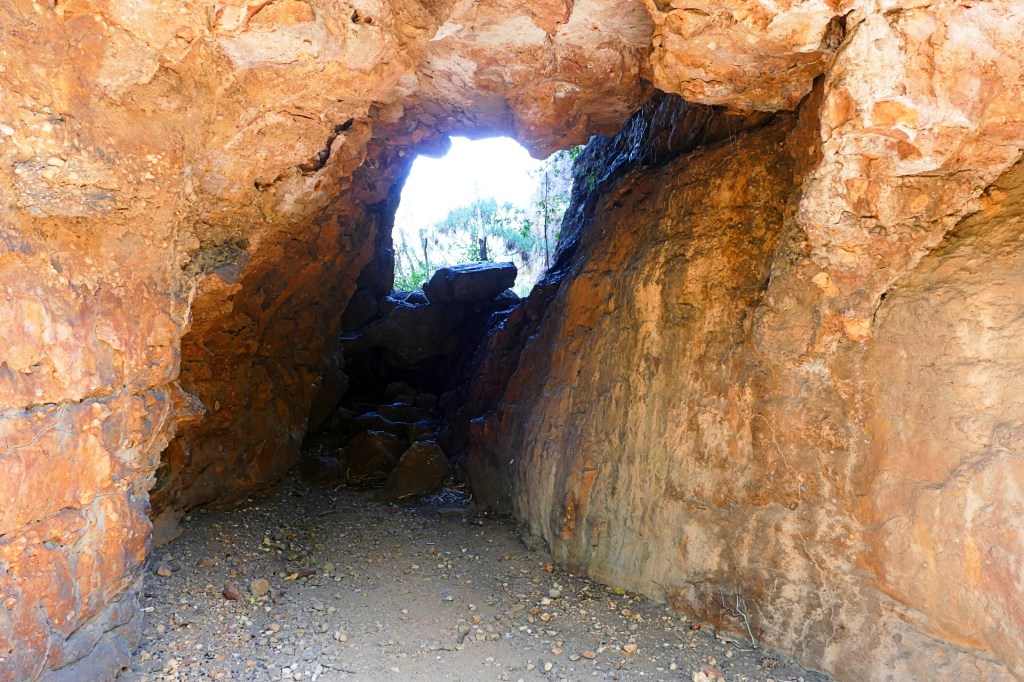
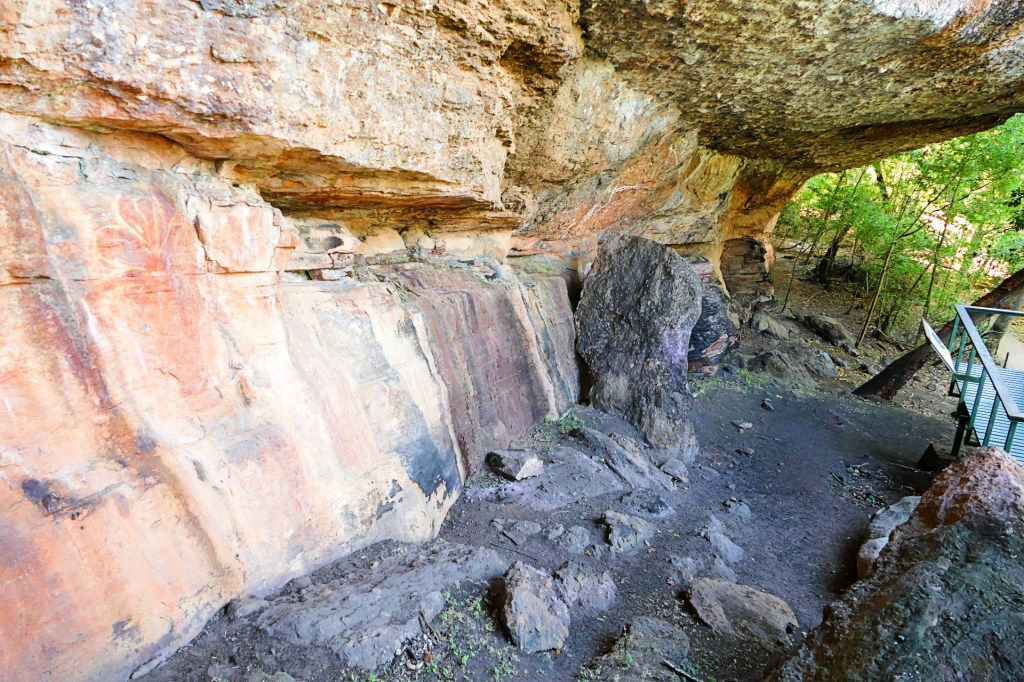

There is a place on this walk where the story of the Lightening man is told, this is a sacred site and we have been asked not to photograph it, so there are no photo’s to show you, I can however say that the art was spectacular.
The story is about breaking the law of incest, Namanjolg and his sister broke the law of incest and later eloped, his sister then became ashamed of what they had done and told the family. Namanjolg then became Nararrkon the lightening man and his sister became the Rainbow Serpent.
When the wet monsoon season starts to build up in November, Namarrkon flies up into the sky and sits on storm clouds made by the Rainbow Serpent. From there he emits deep growls of thunder and sends lightning flashes across the sky, although no rain falls until the Rainbow Serpent releases it. This high vantage point allows Namarrkon to keep a close watch on Aboriginal people living below to see if they are observing codes of good behaviour, conducting sacred ceremonies, and passing on history and religion to the uninitiated in their tribe. If Namarrkon sees anything which displeases him, he plucks one of the stone axes from his knee or elbow joints and hurls it at the offender. Sometimes he misses and cleaves a tree in two. Namarrkon lives in a particular escarpment which is sacred.
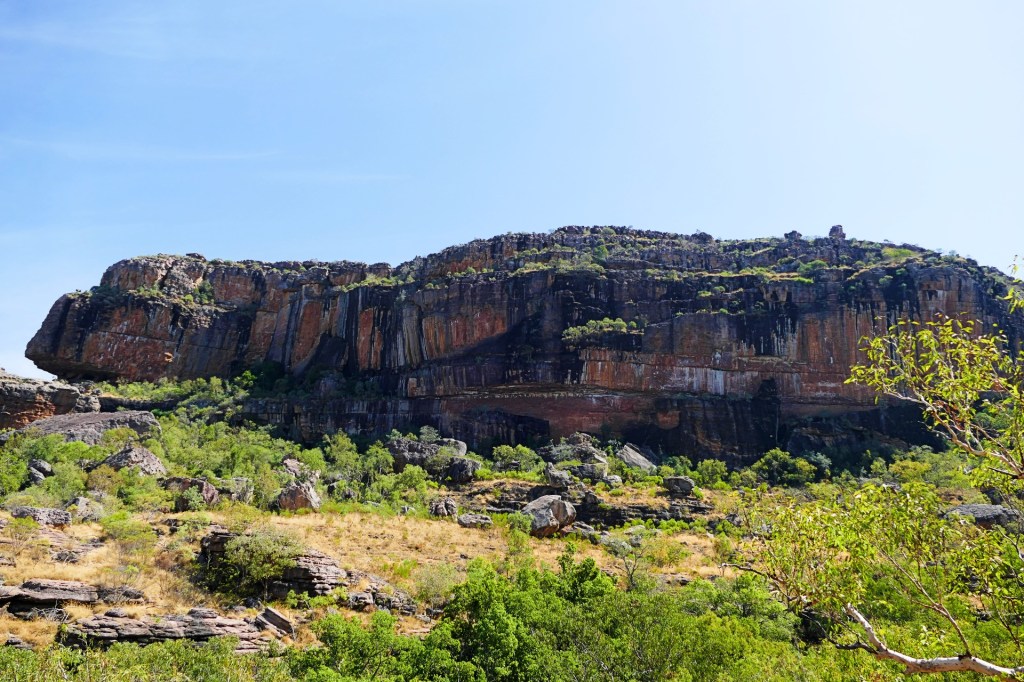
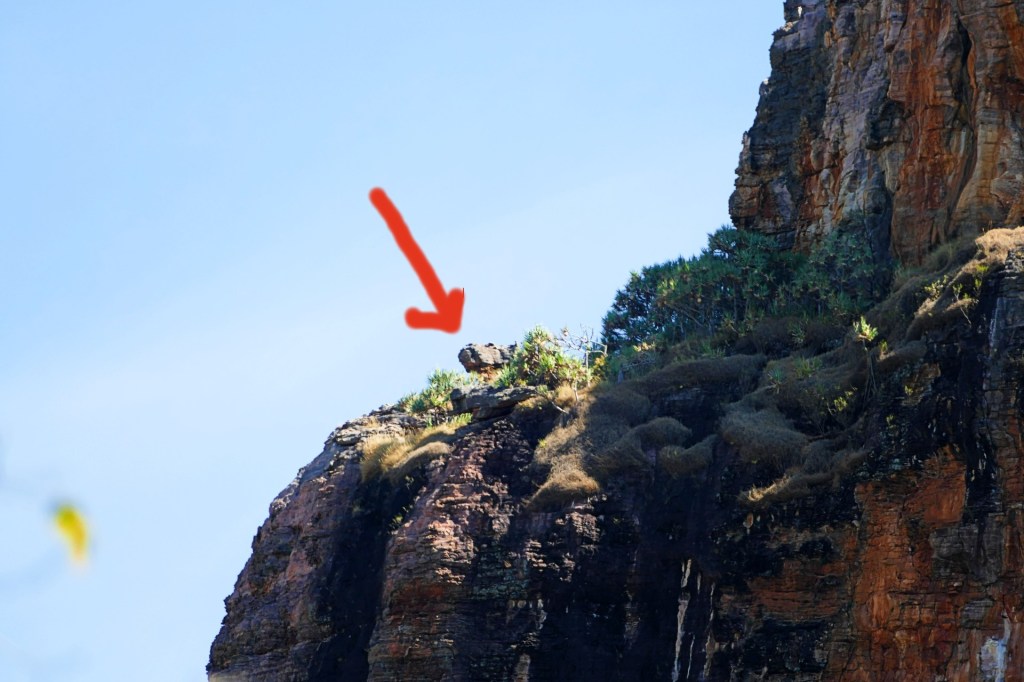
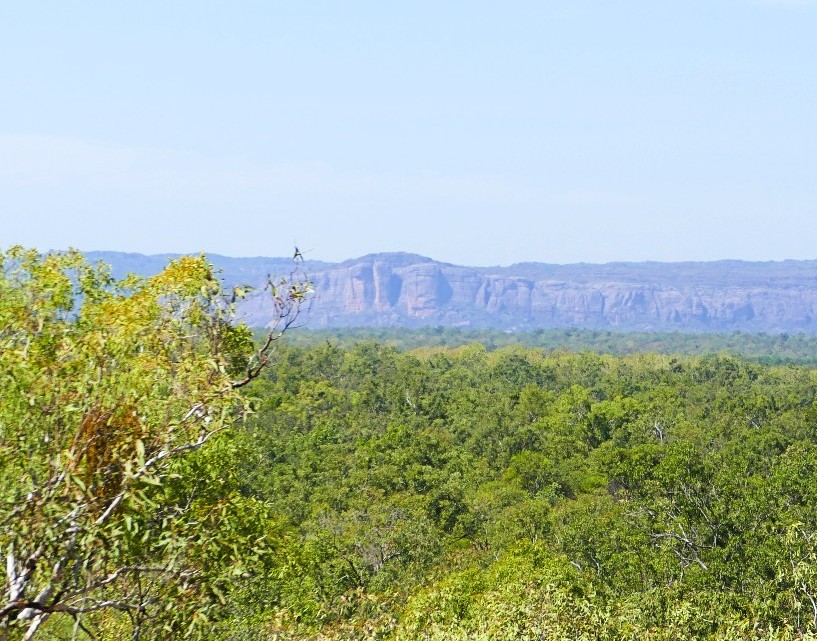
We then visited the Anbangbang Billabong, again, full of birdlife, really beautiful.
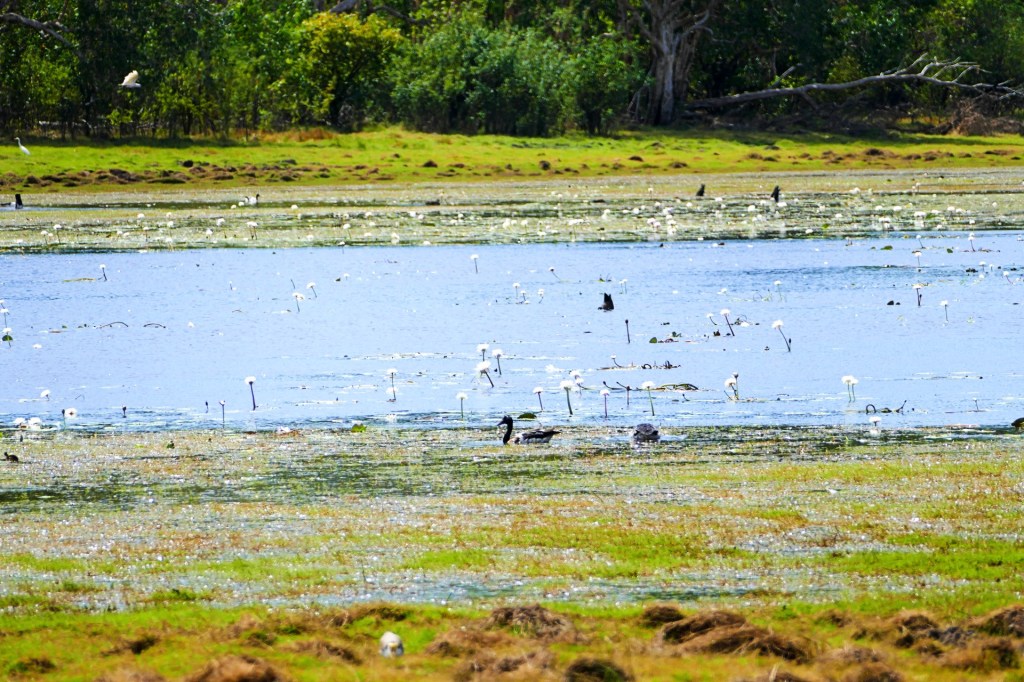
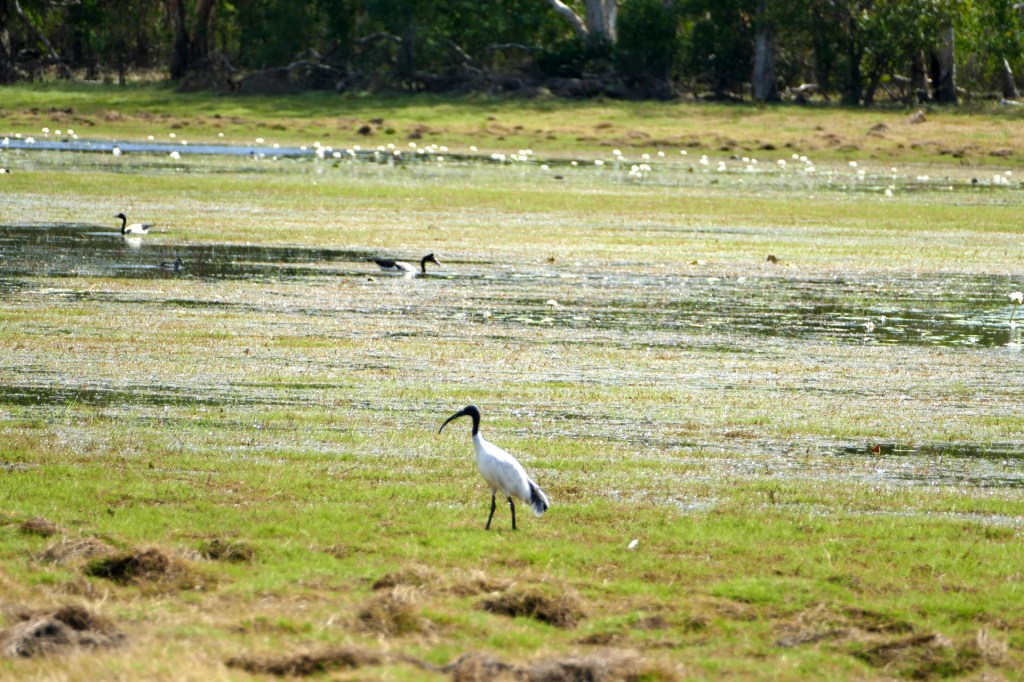

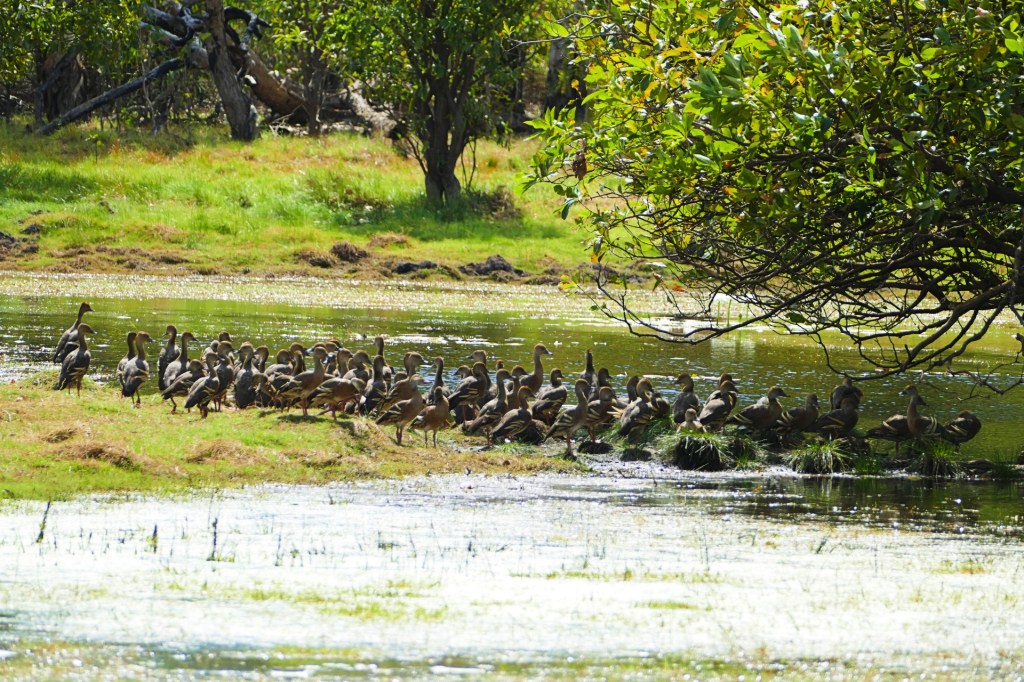
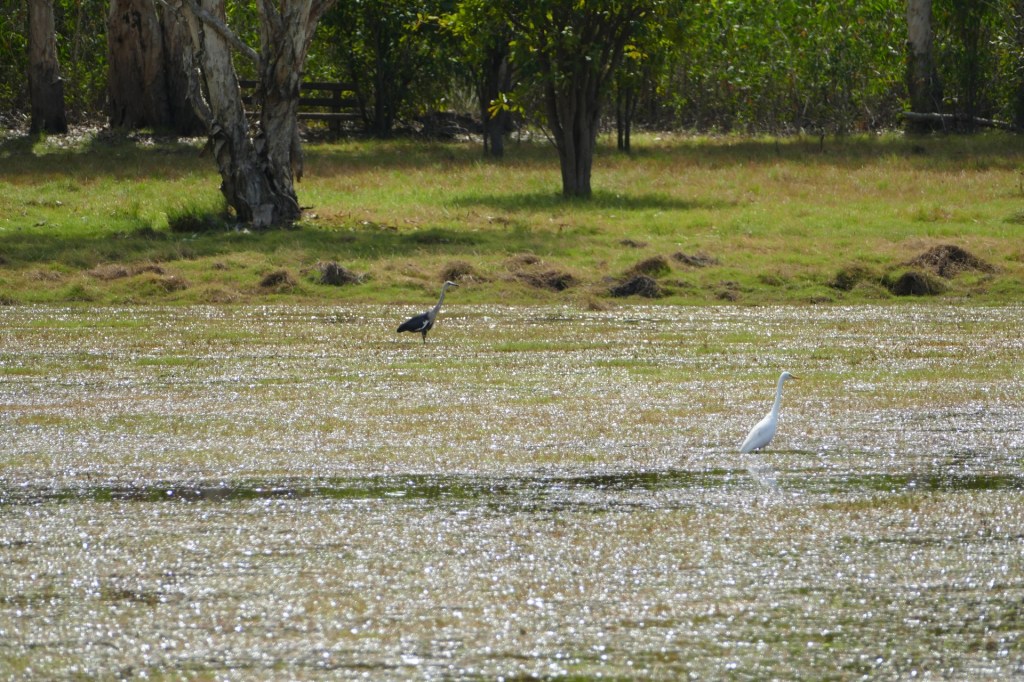
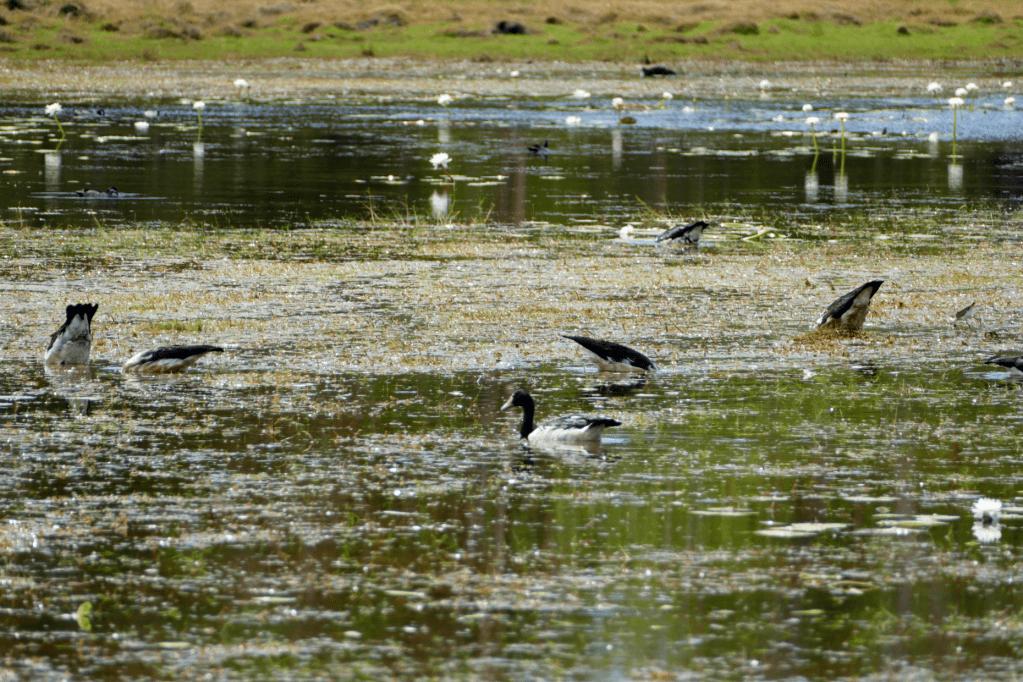
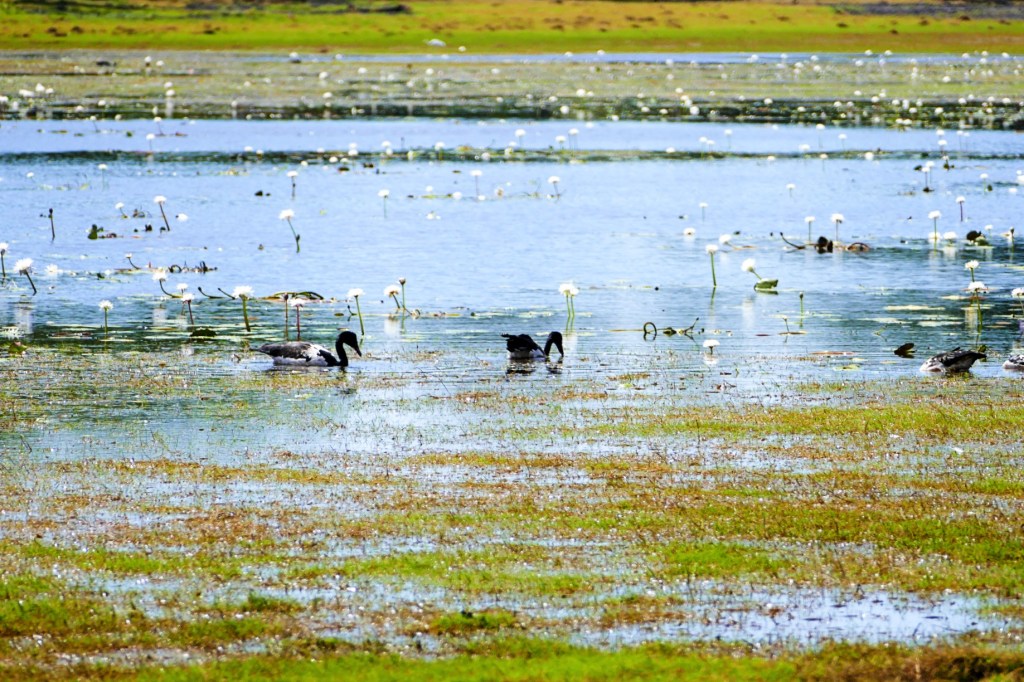
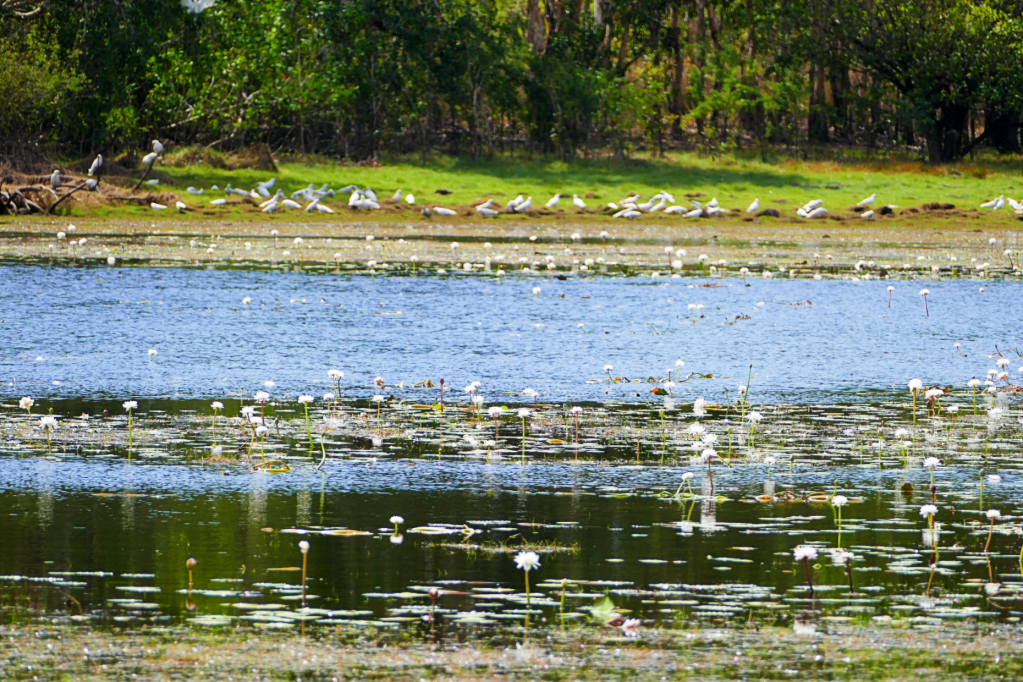
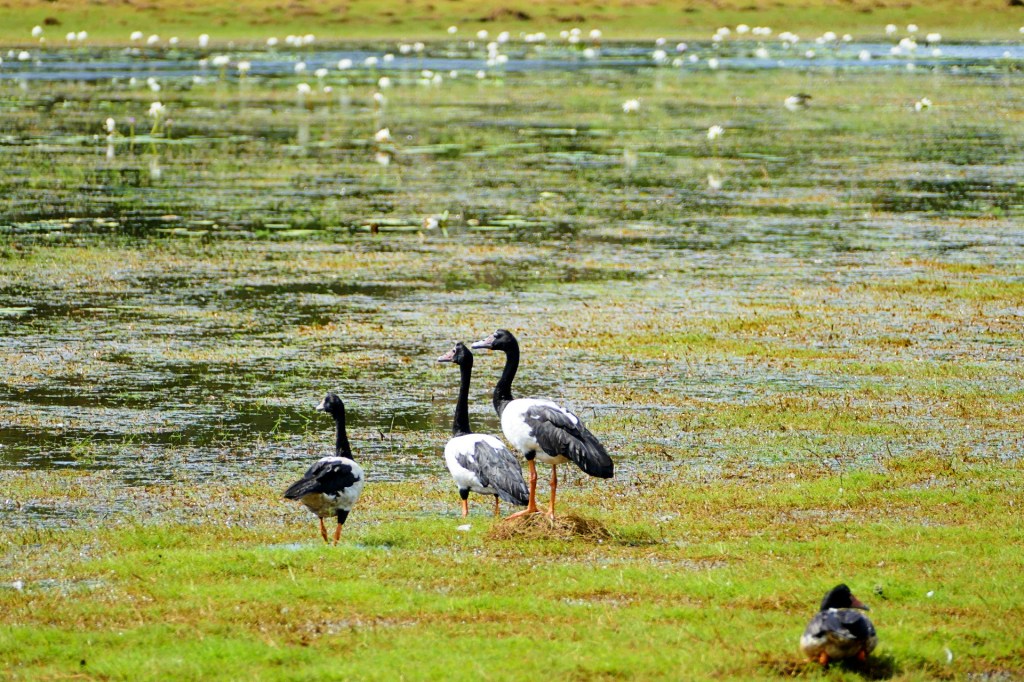
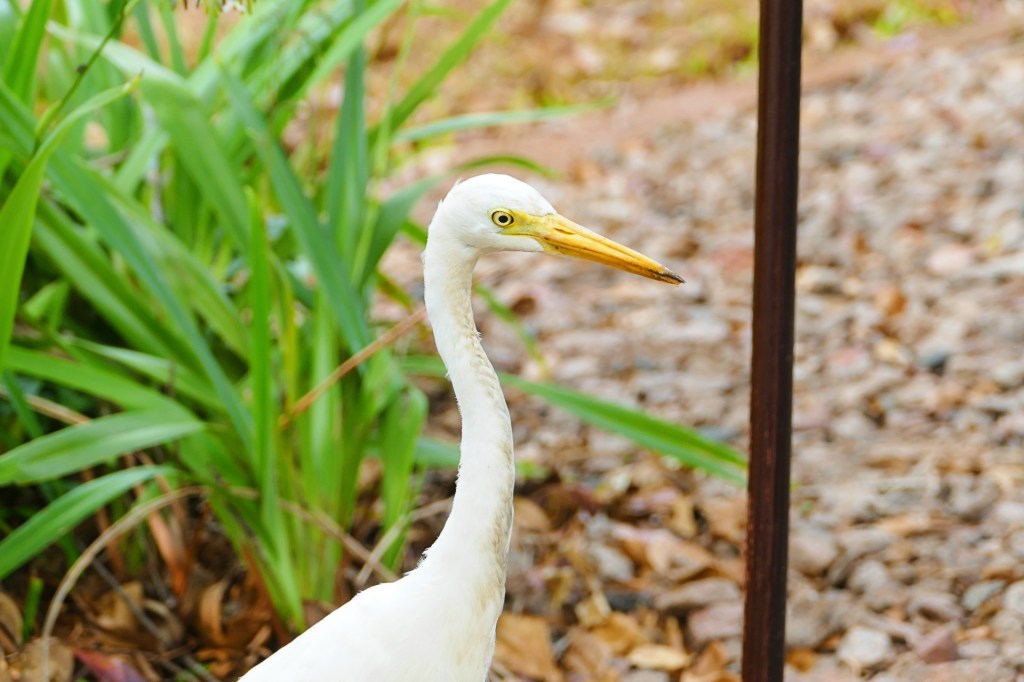
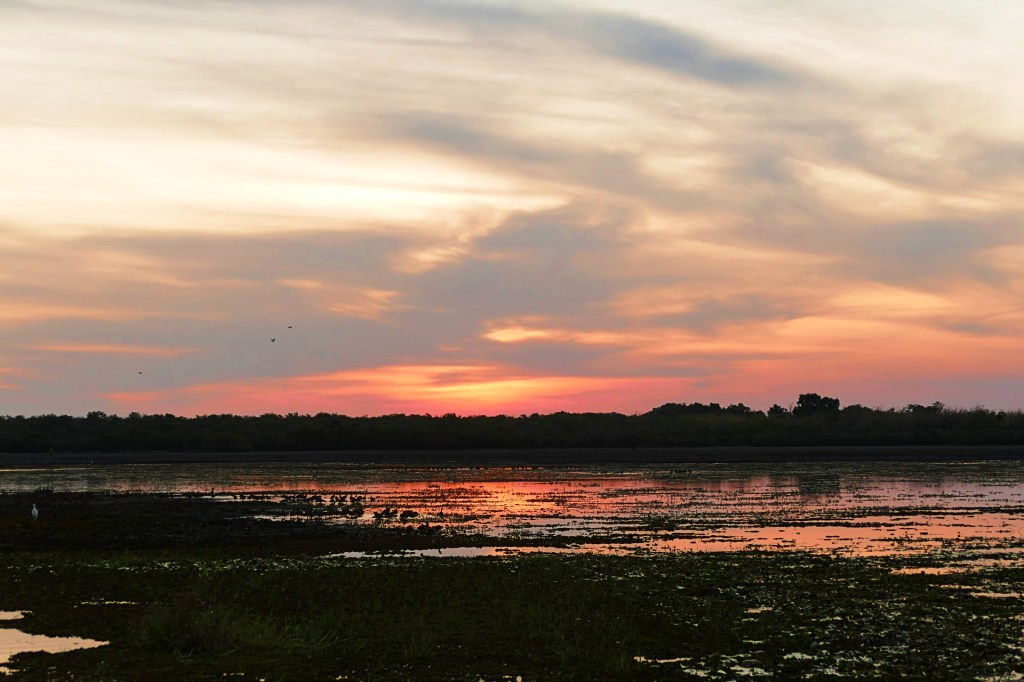
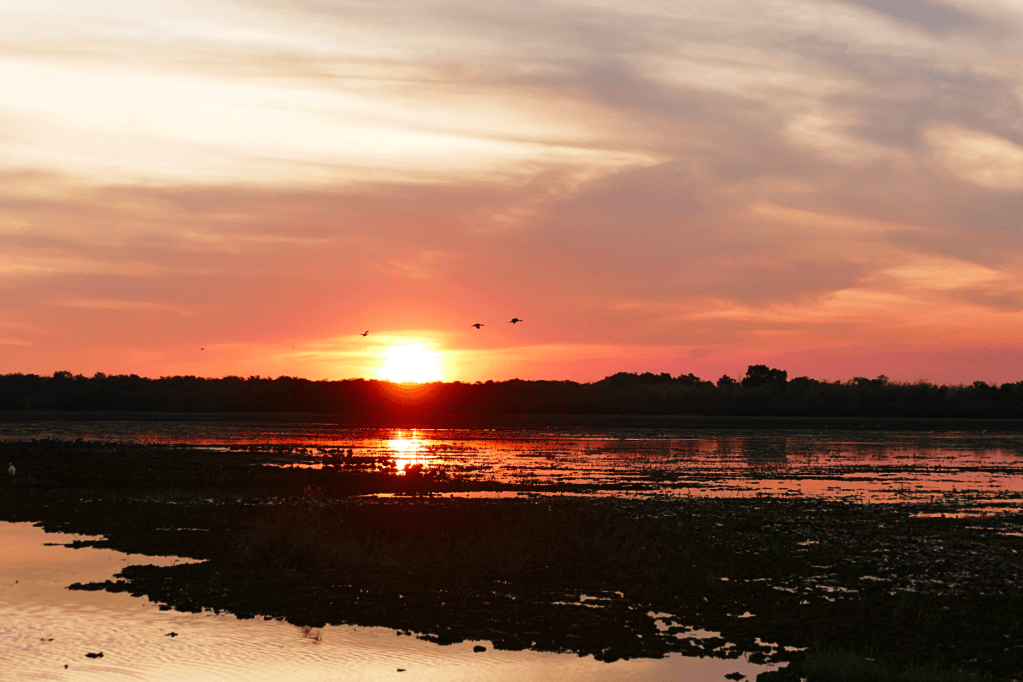
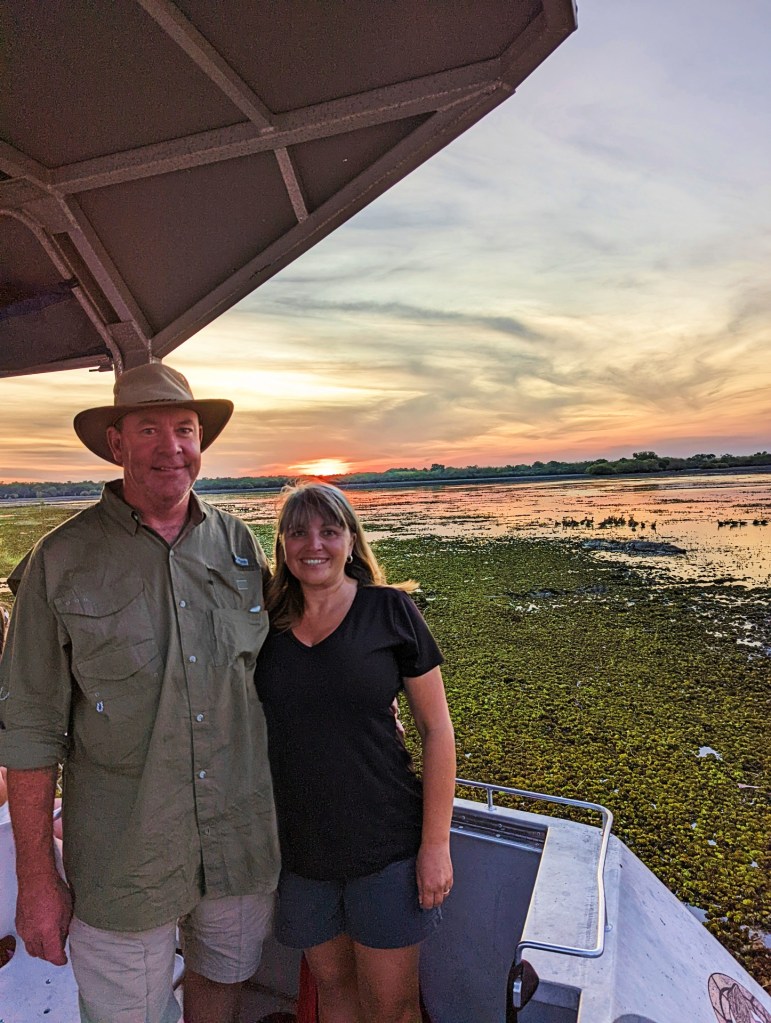
We also did a Yellow Water River Sunset Cruise, and wow, did we see some beautiful birds, lots of croc’s and a fantastic sunset. The guide, Chris was fantastic and really knowledgeable.


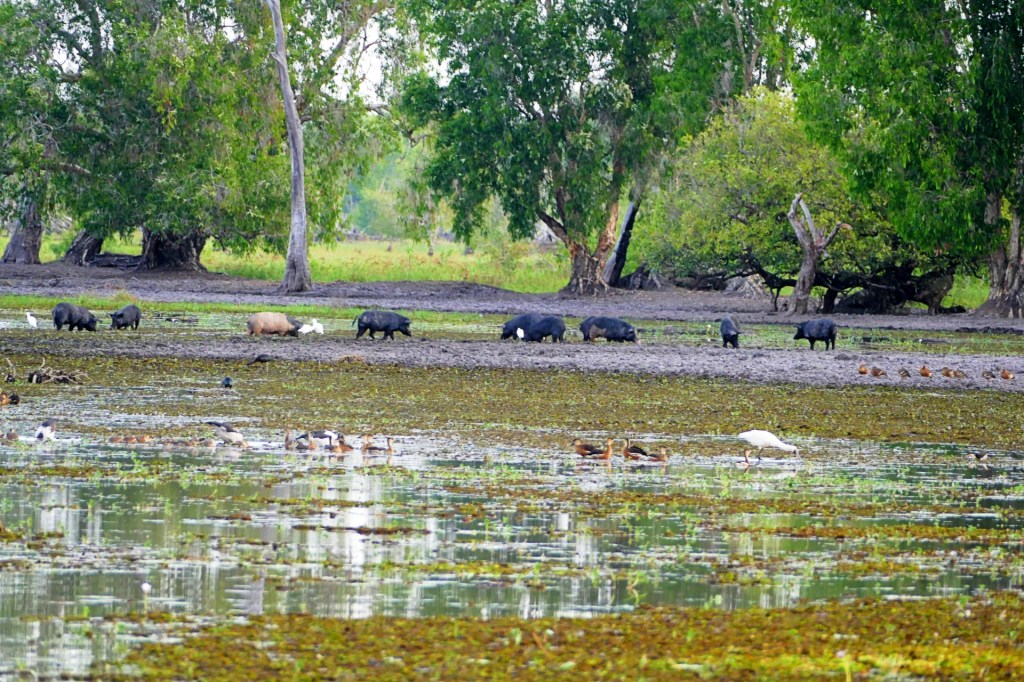

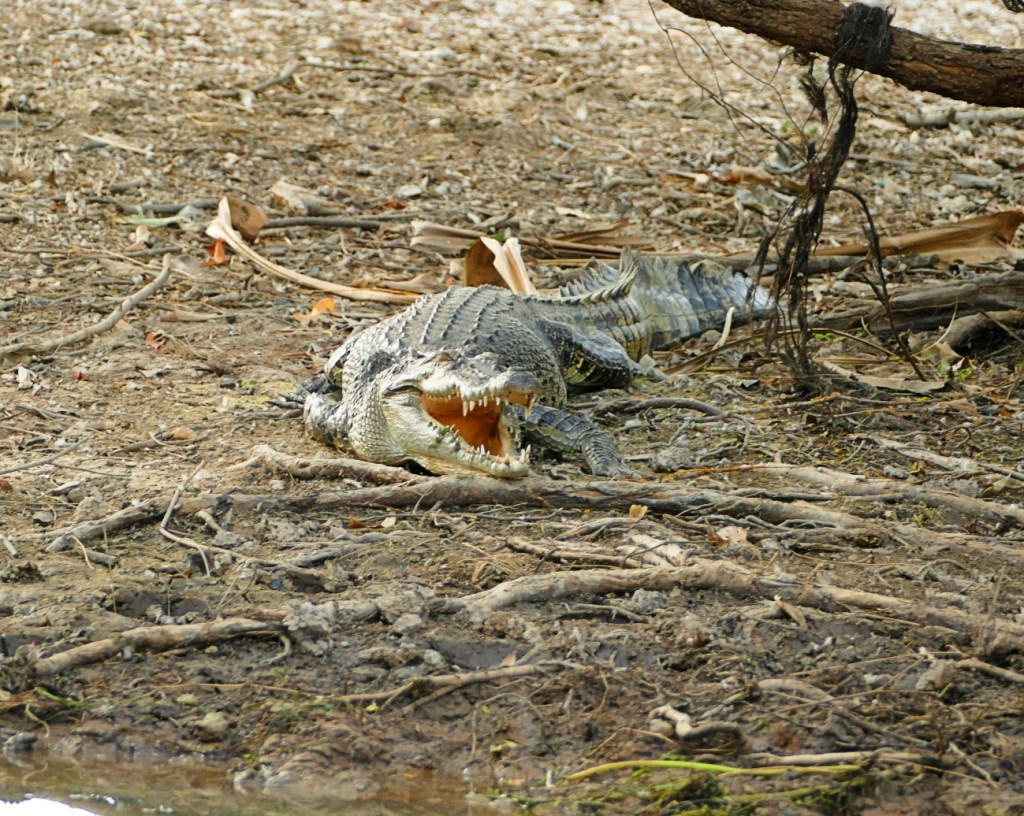
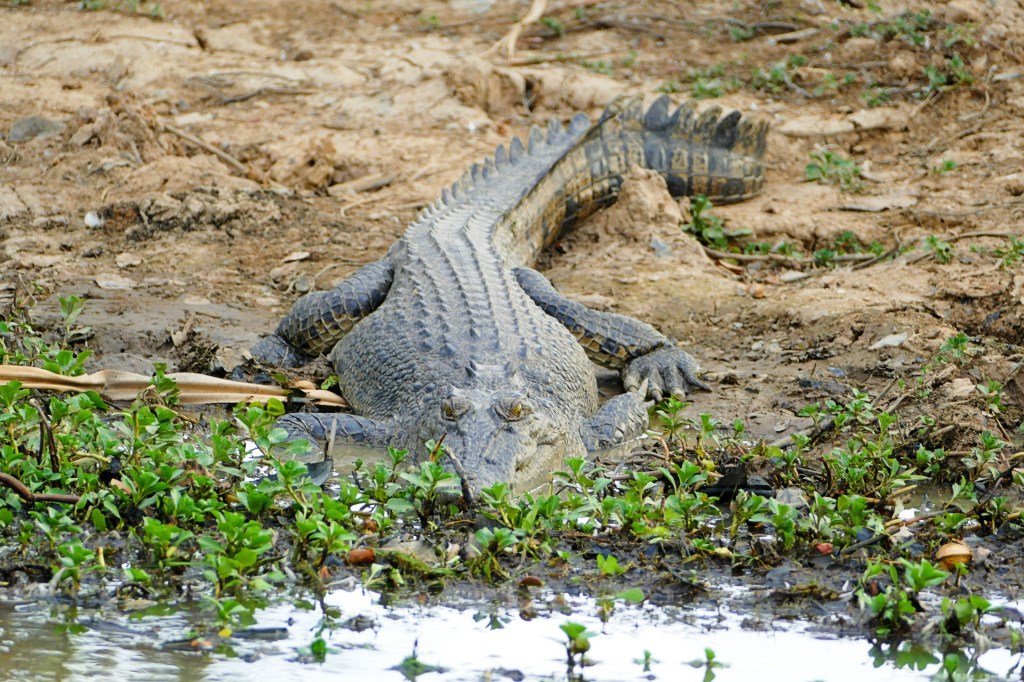
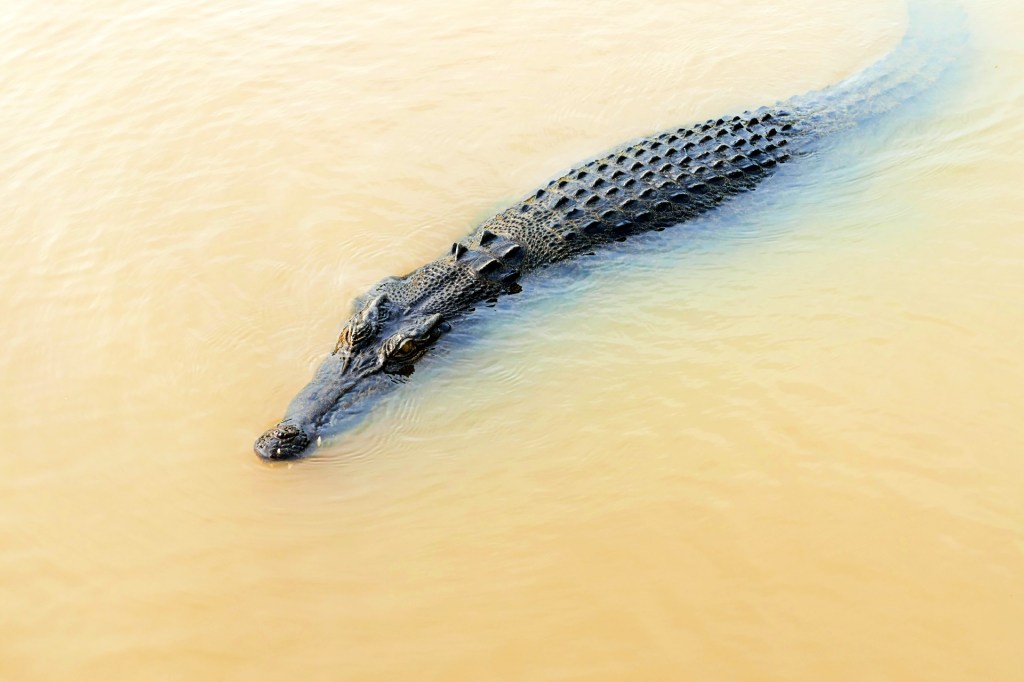
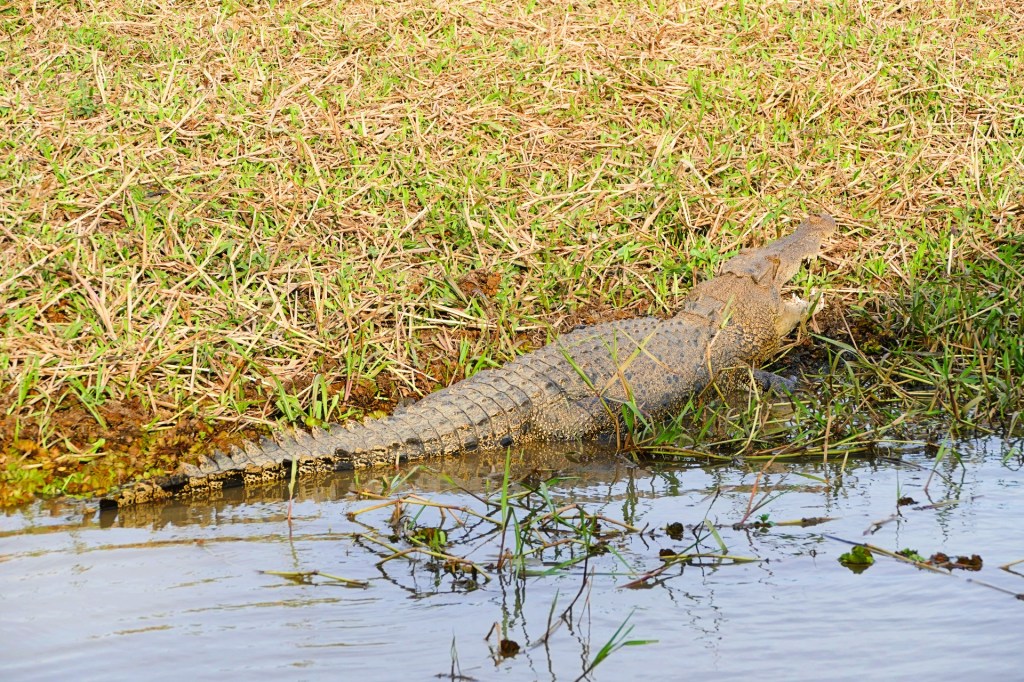


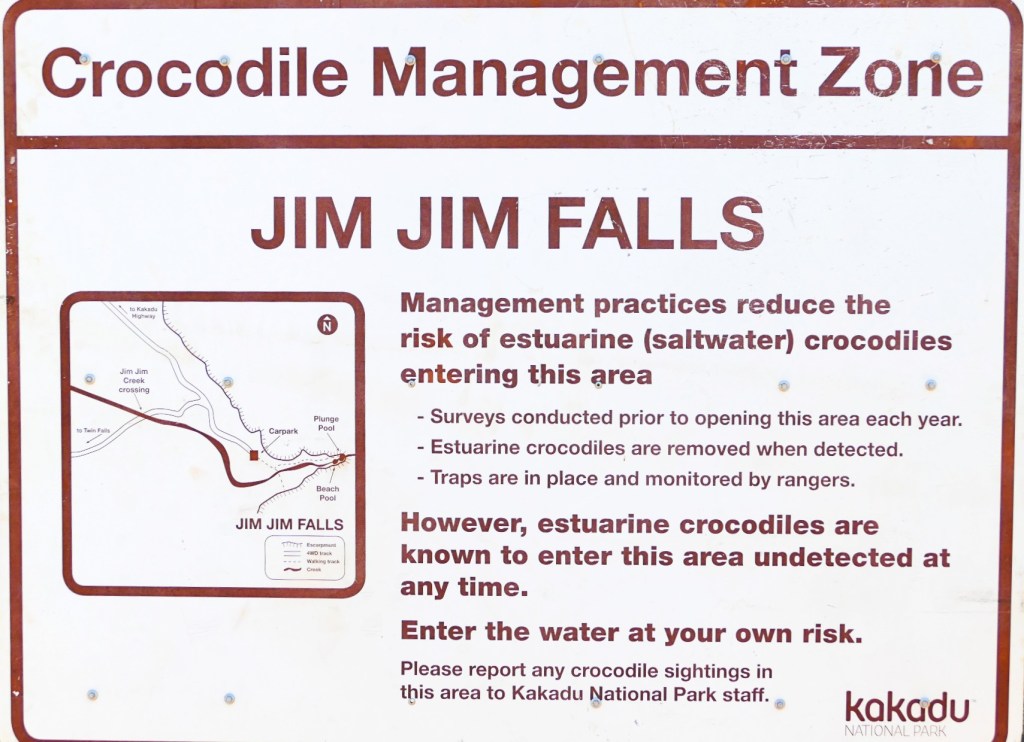
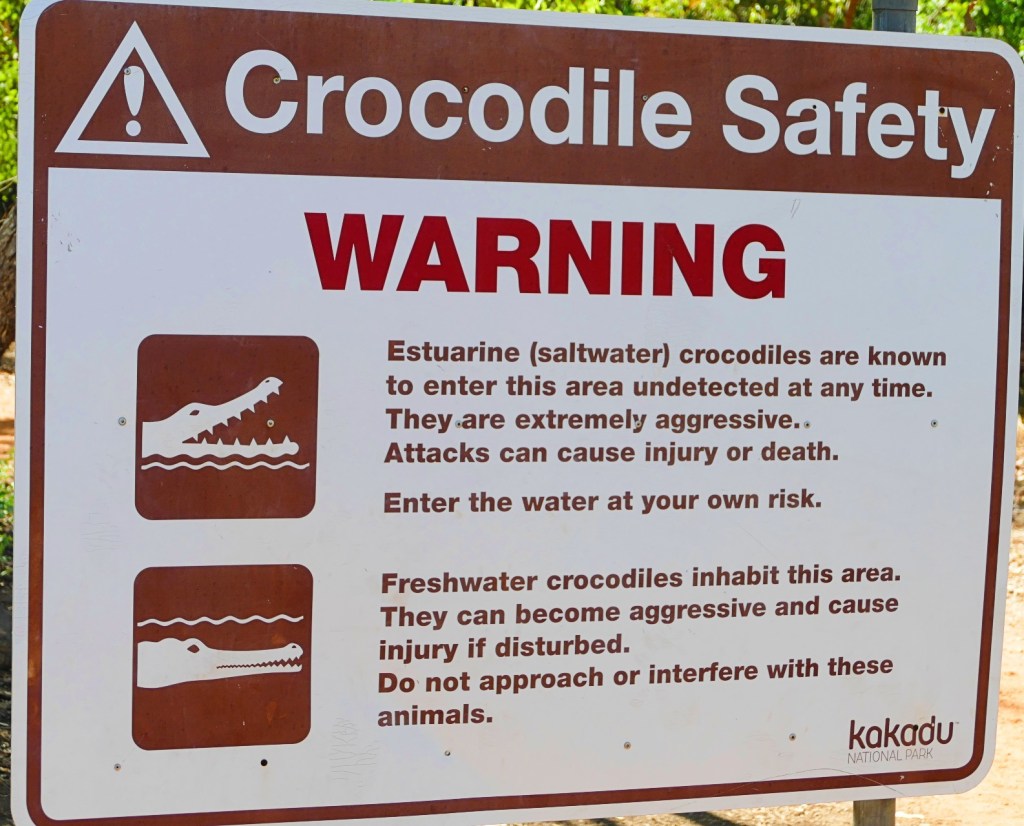
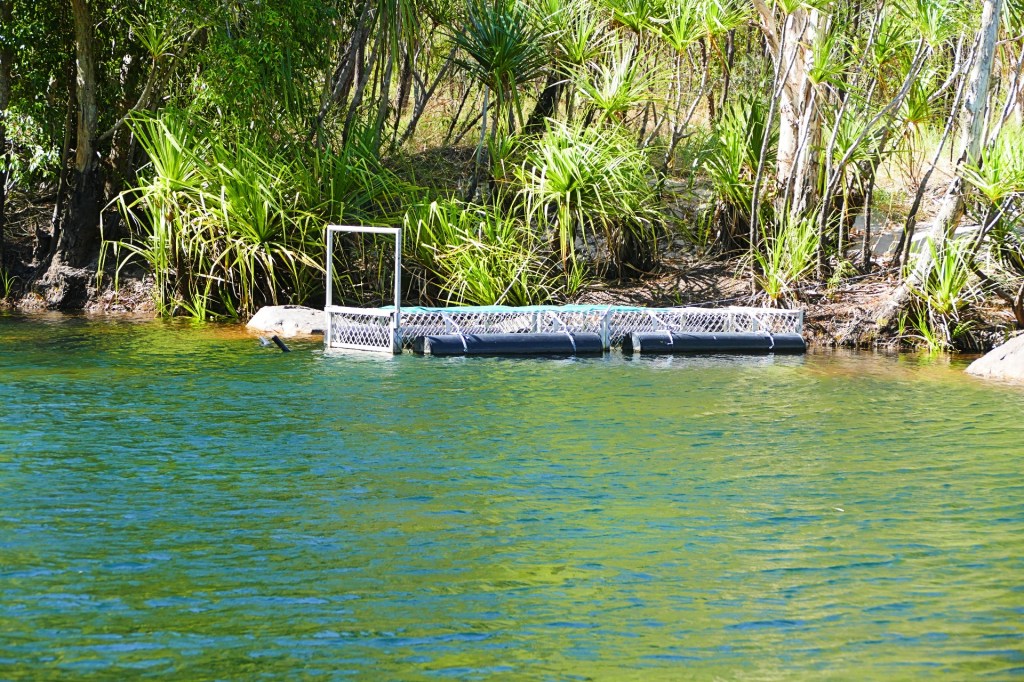
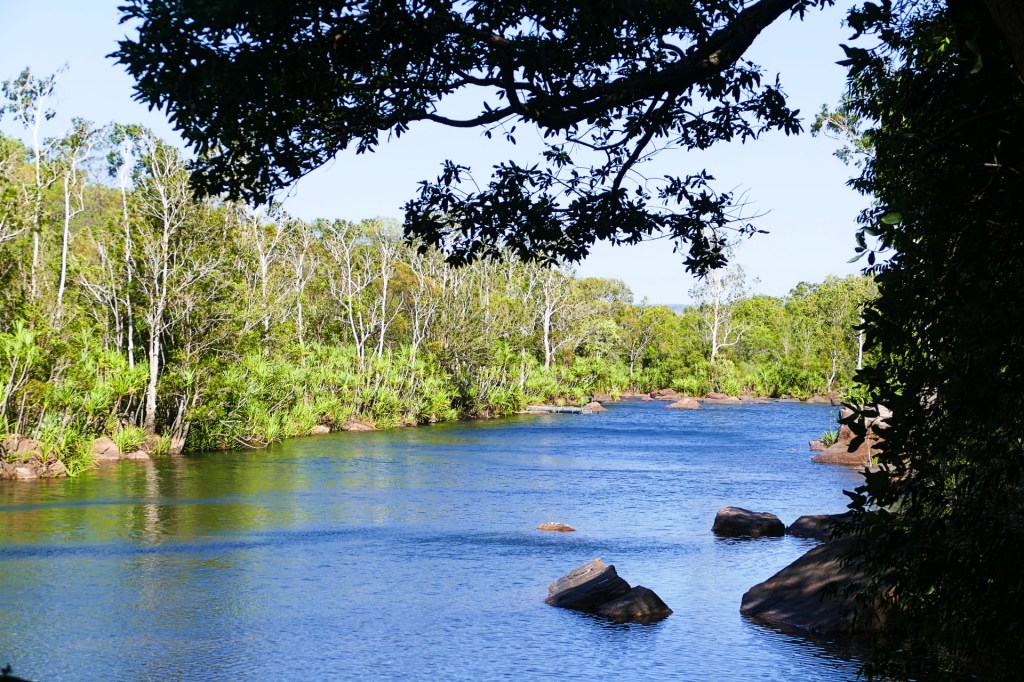
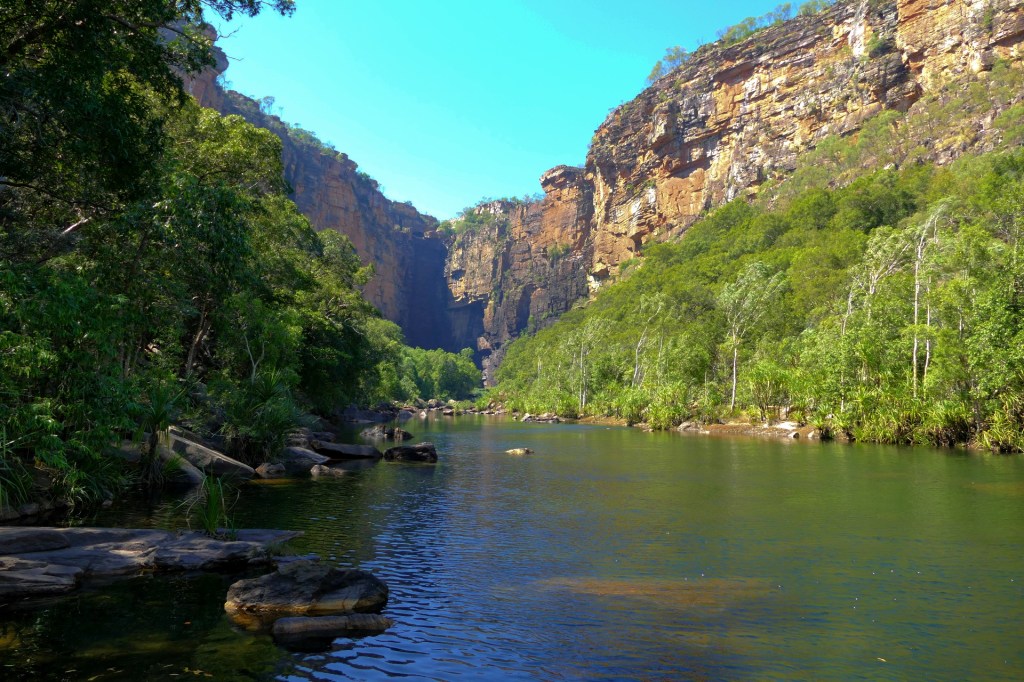
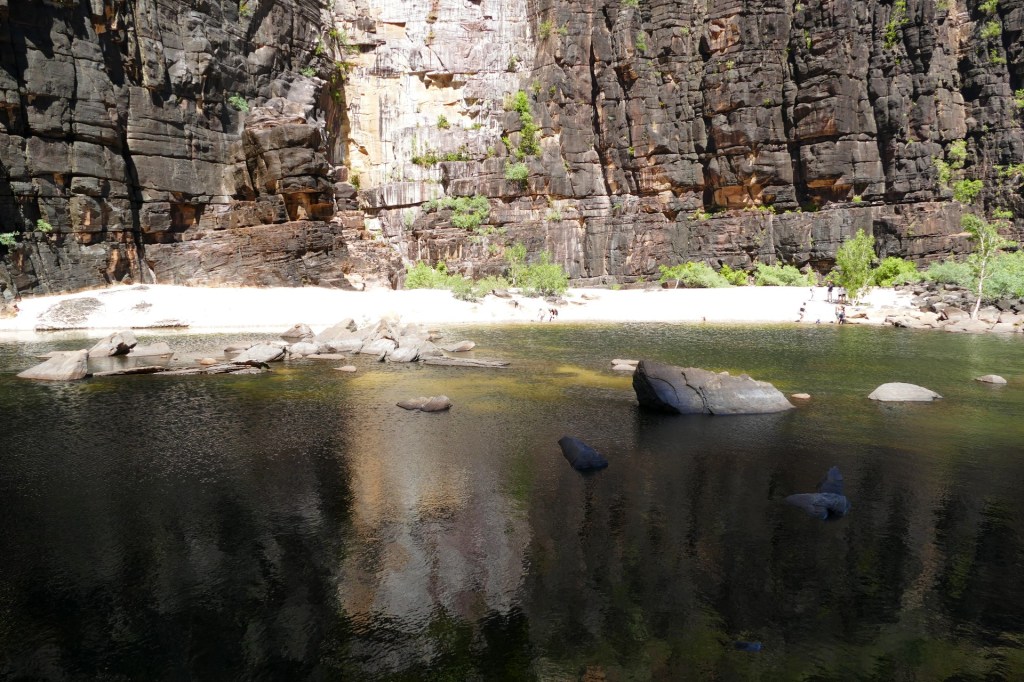
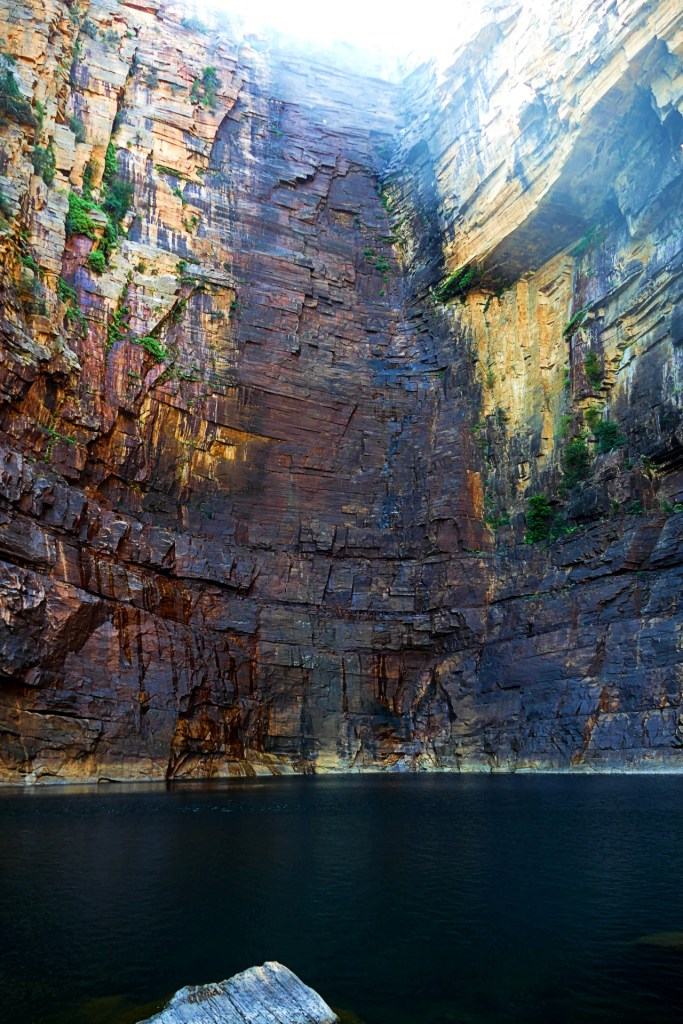
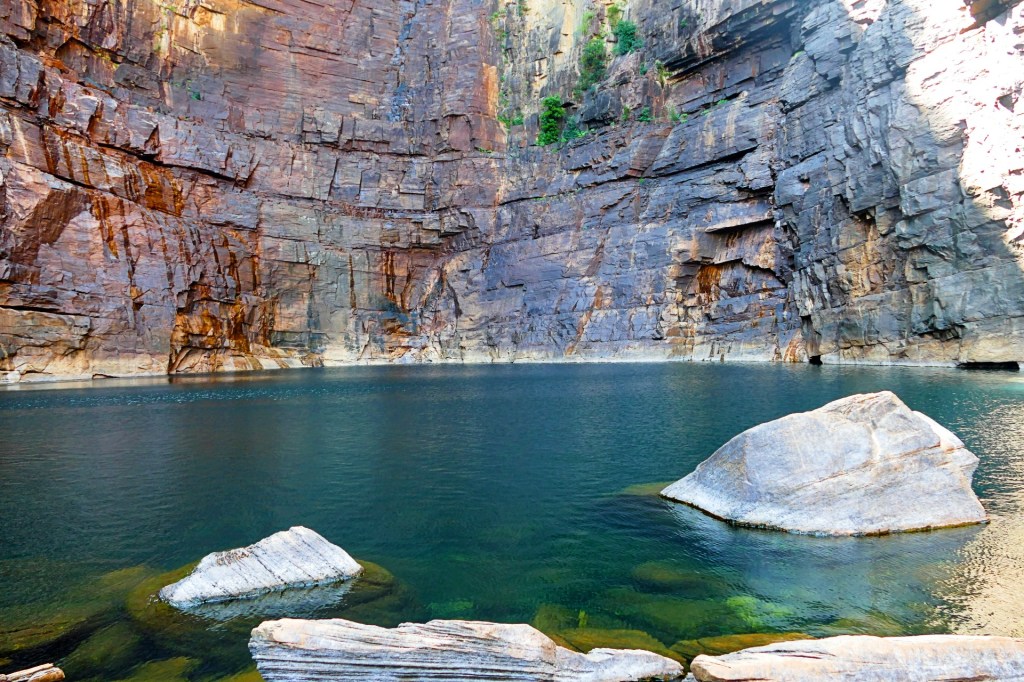
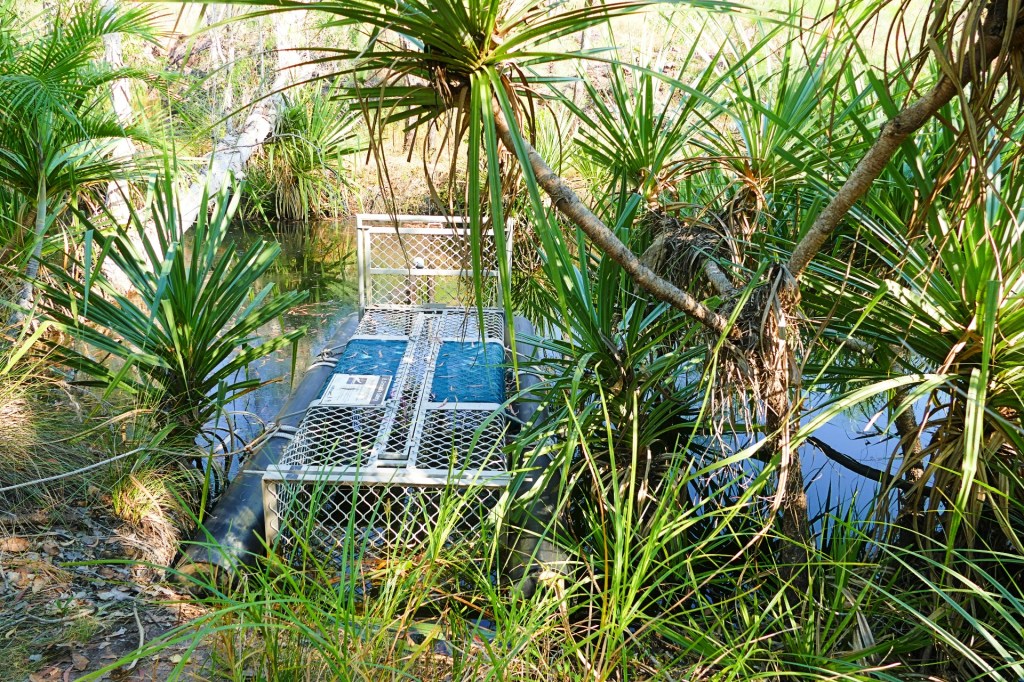
We did the Jim Jim Falls walk, unfortunately it was too late in the year and the falls were not falling, but the plunge pool at the bottom of the would be falls was spectacular, there is also a place just down from the plunge pool called the beach which was also swimmable. Crocs can get into the pools at Jim Jim falls, so caution is required, the rangers run a Crocodile management plan in the area, which involves baiting a large cage with a leg from a feral pig (which is collected during the feral pig culls) and performing regular checks to see if a croc has been trapped, if so, the croc is removed, if the same croc is caught several times, it might be killed.
We also wanted to do Twin Falls, which runs all year round, but unfortunately it plus a number of other key falls were closed.
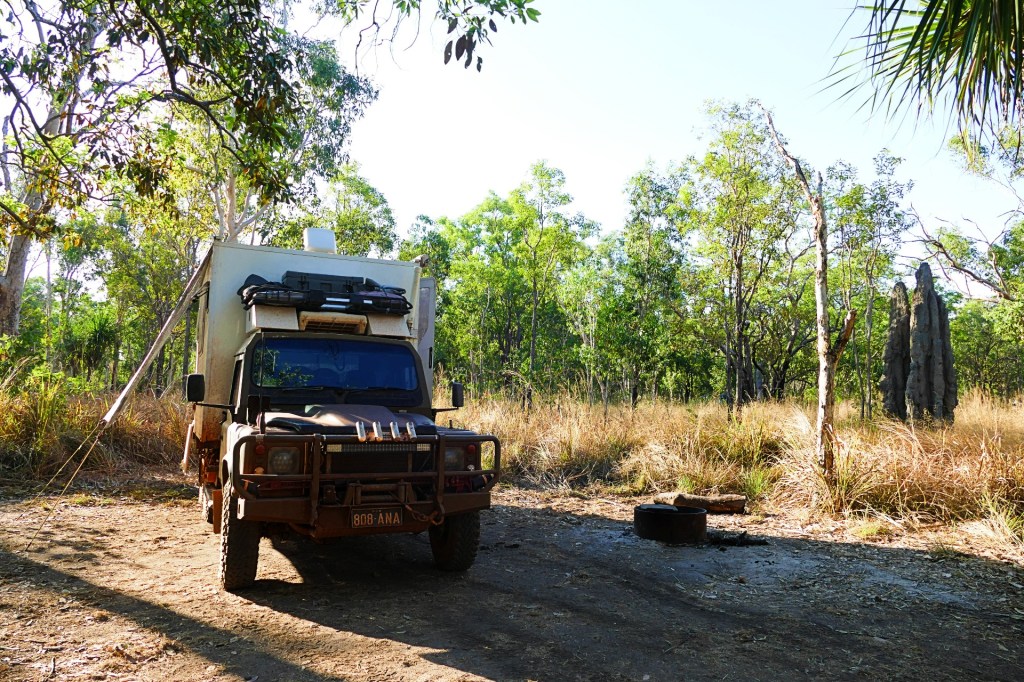
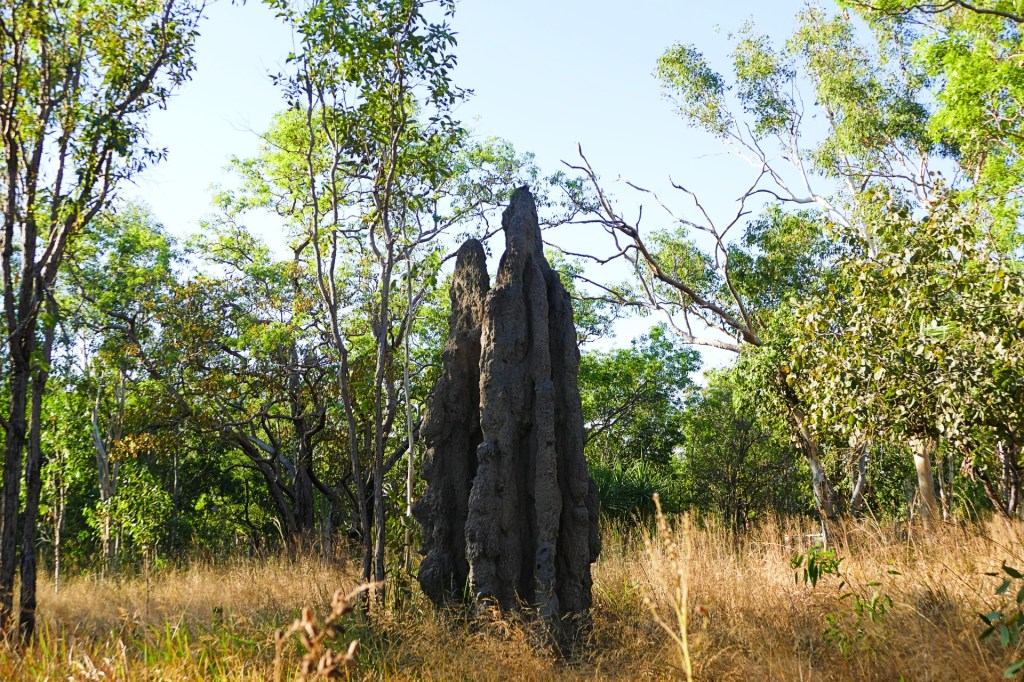
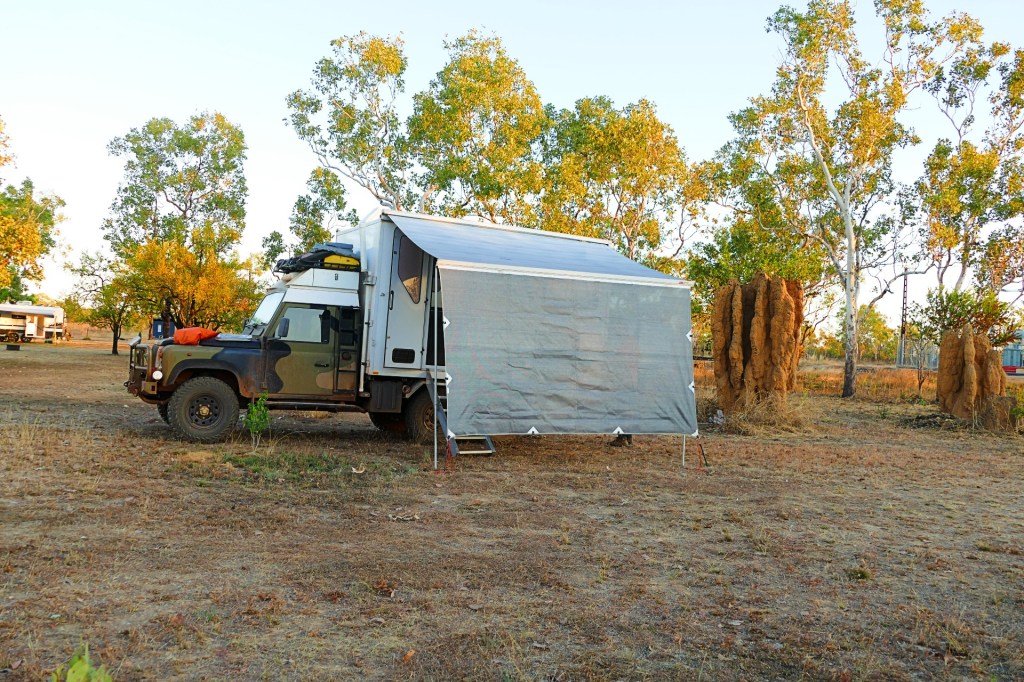
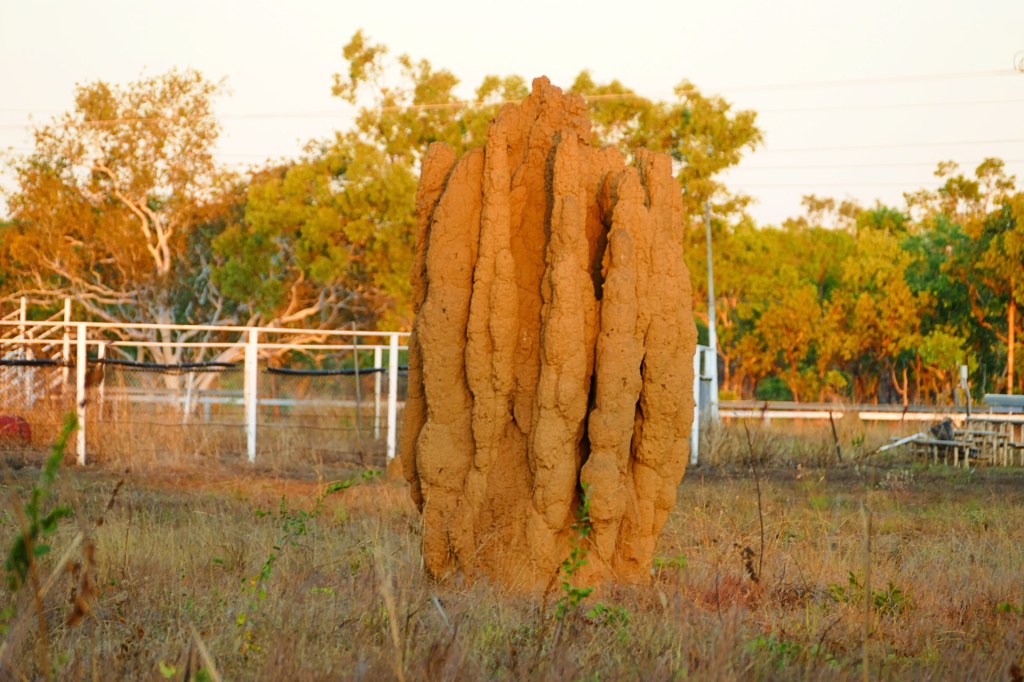
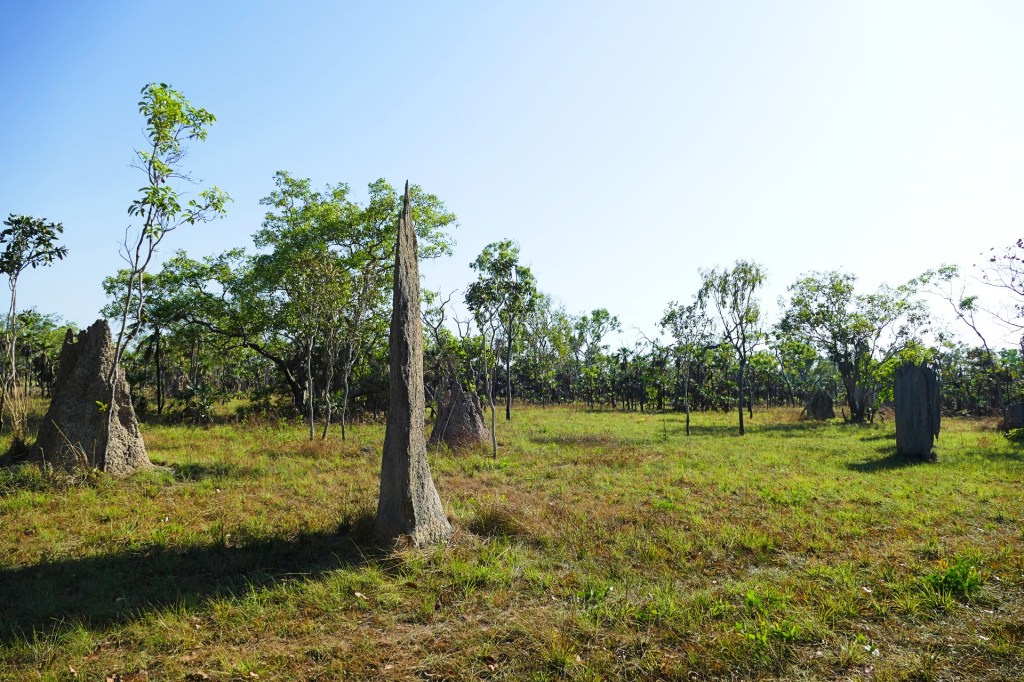
We spent Wednesday night at the Maguk Camp ground, right next to a giant termite mound
The next morning we did the Maguk Falls walk, Maguk Falls is beautiful, the walk in was also lovely and we finally had a waterfall. This site is also croc managed so it was safe to swim.
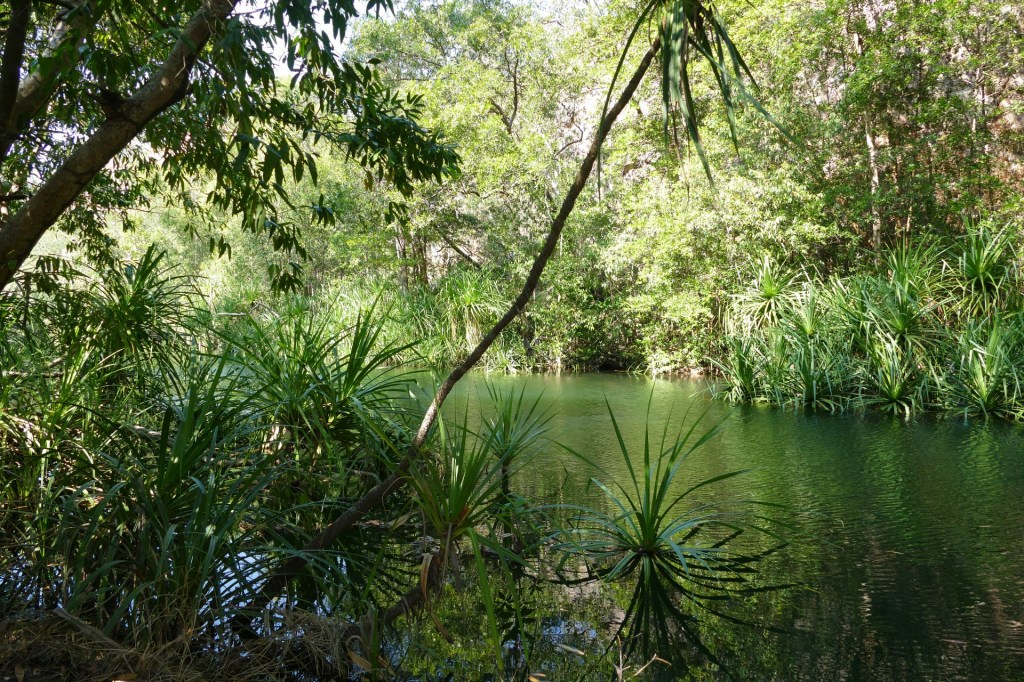
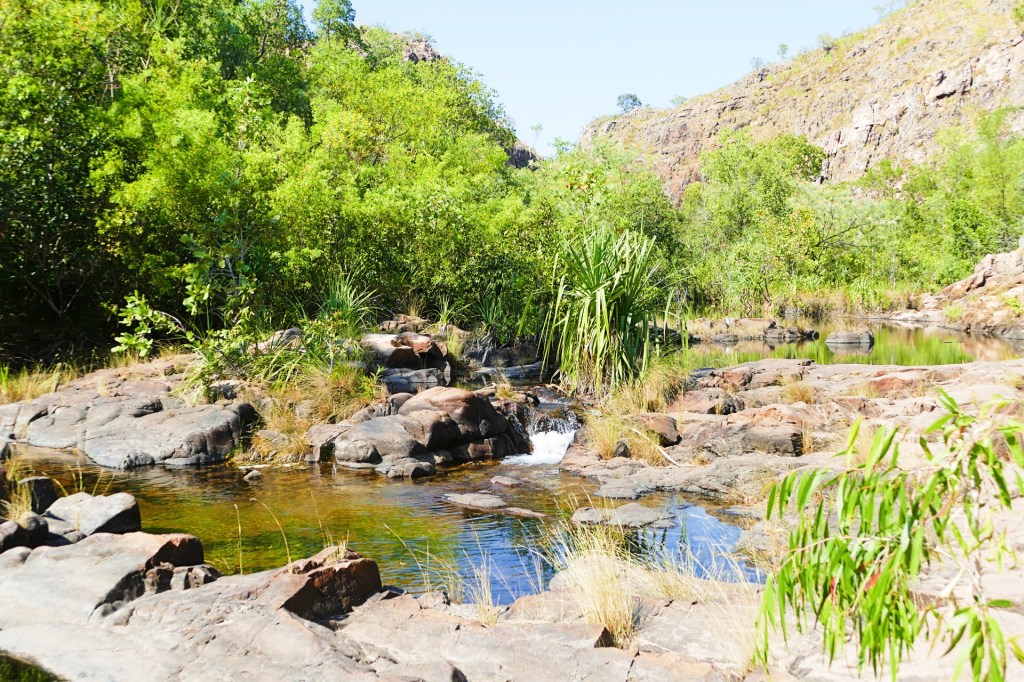
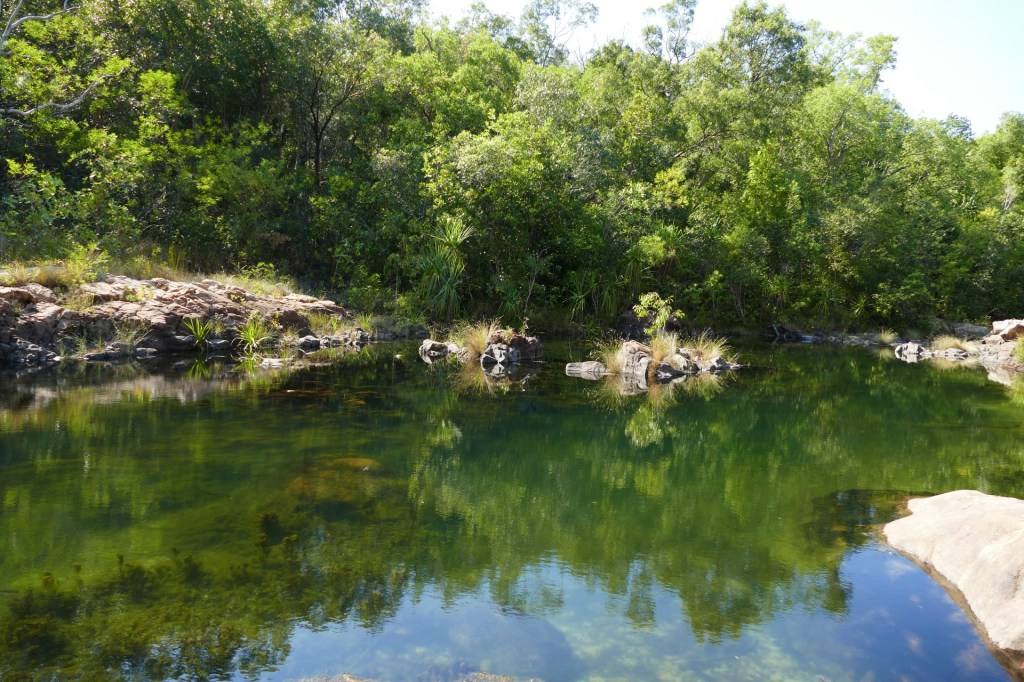

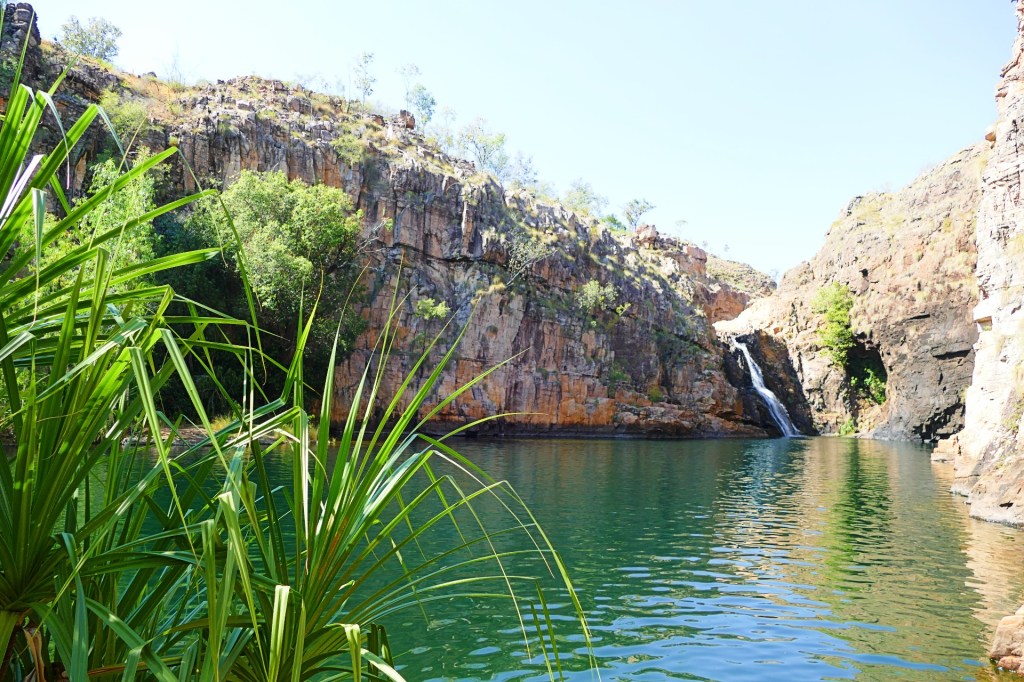
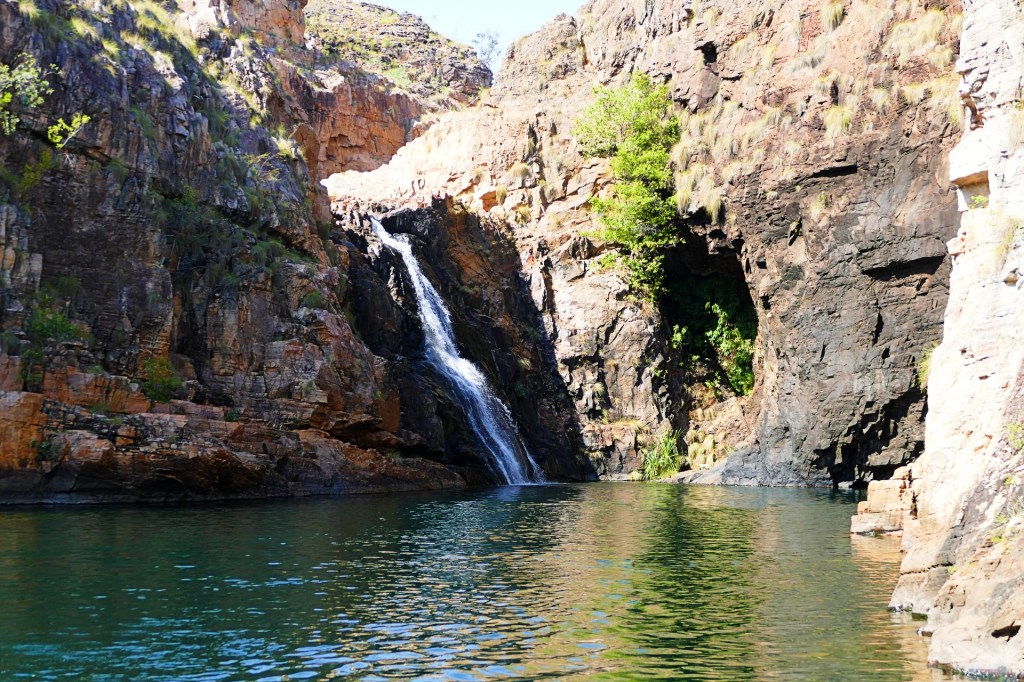
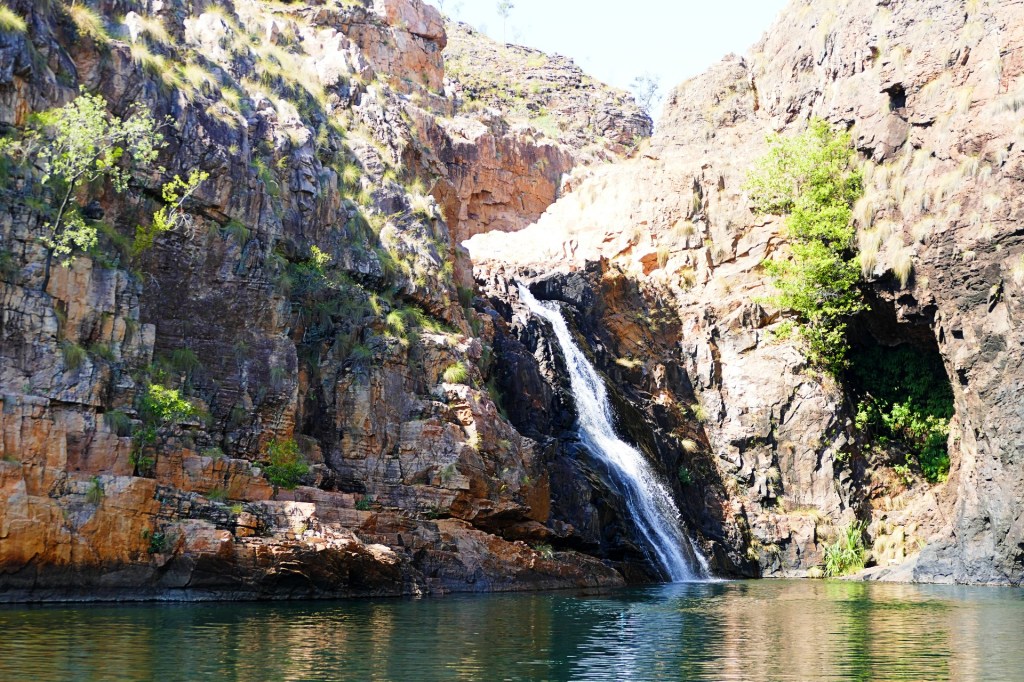
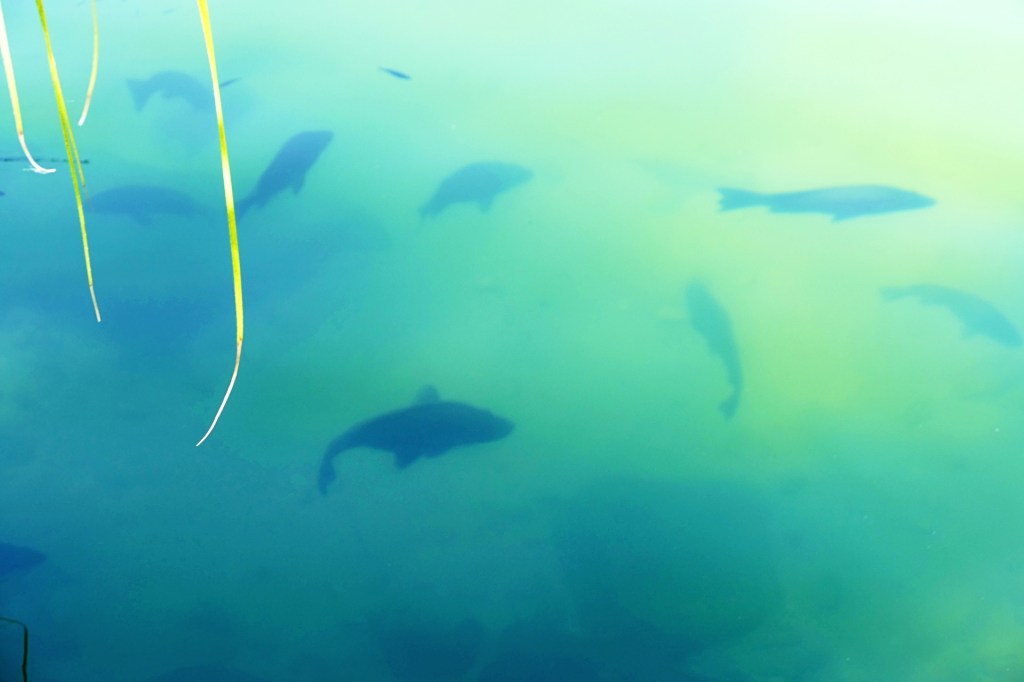
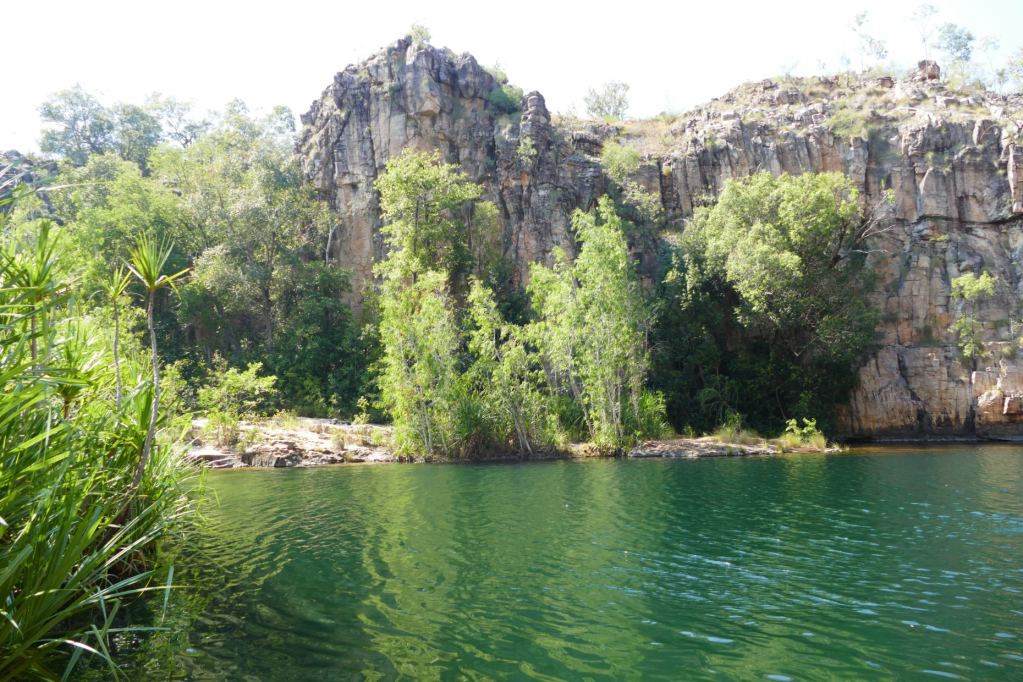
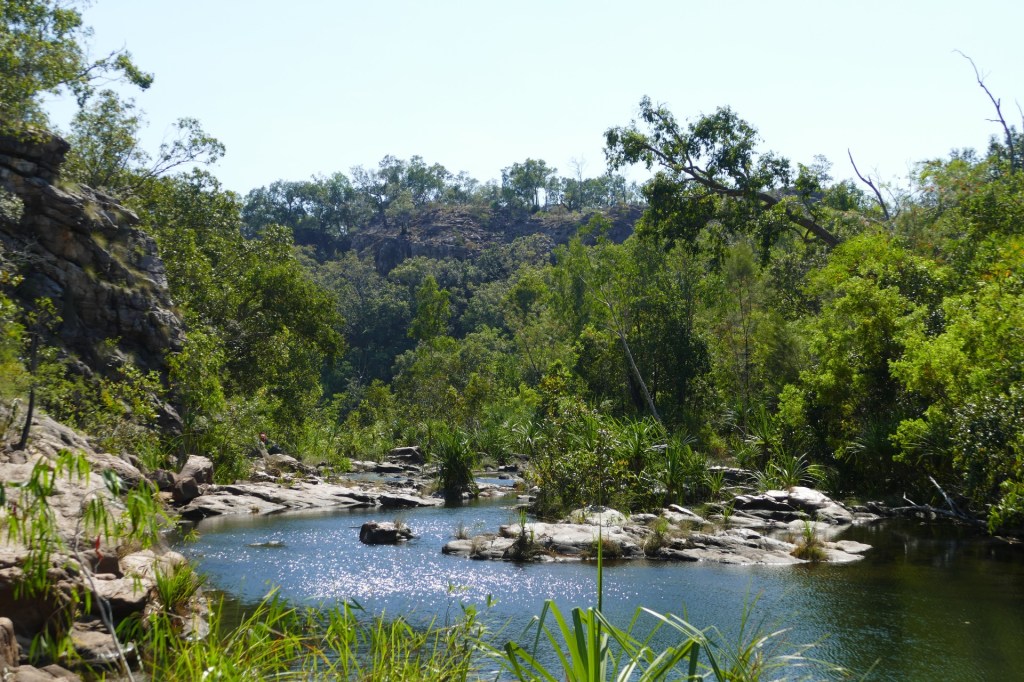
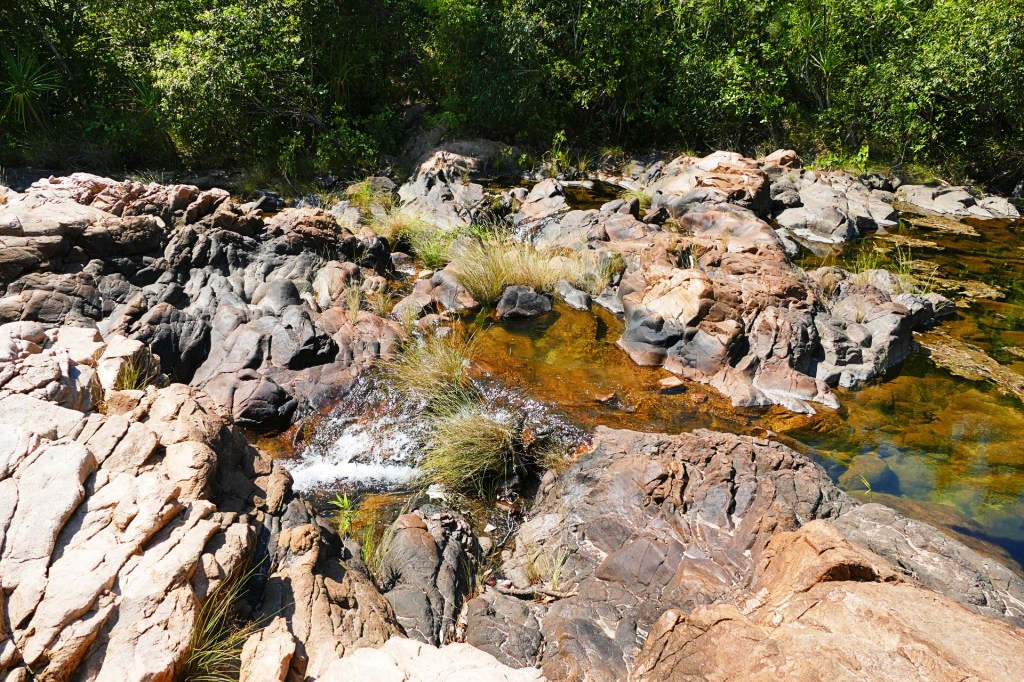
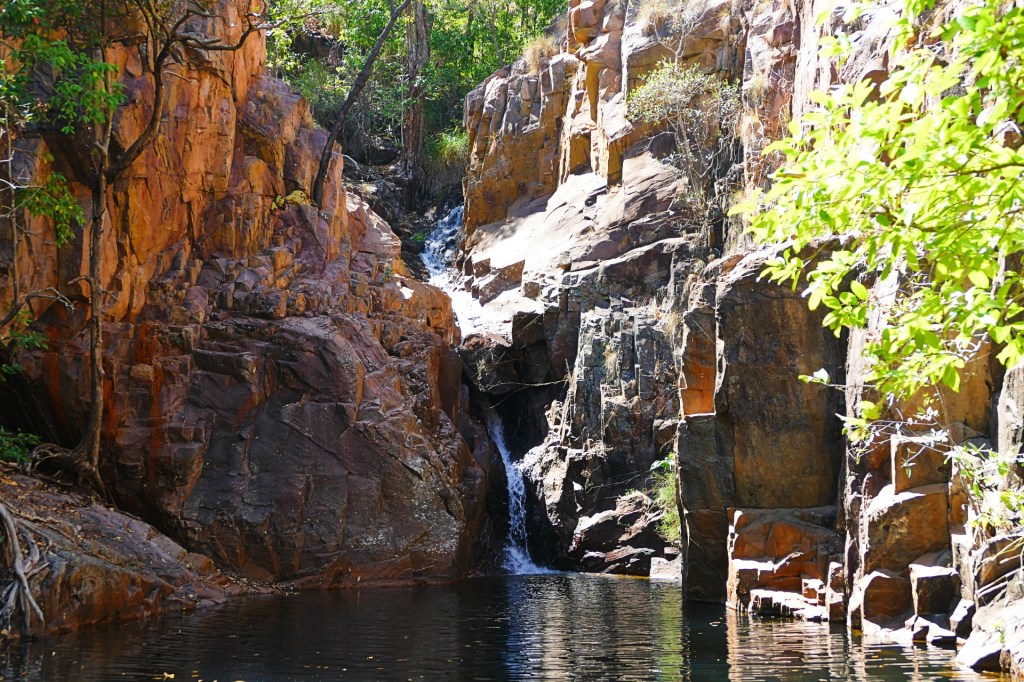
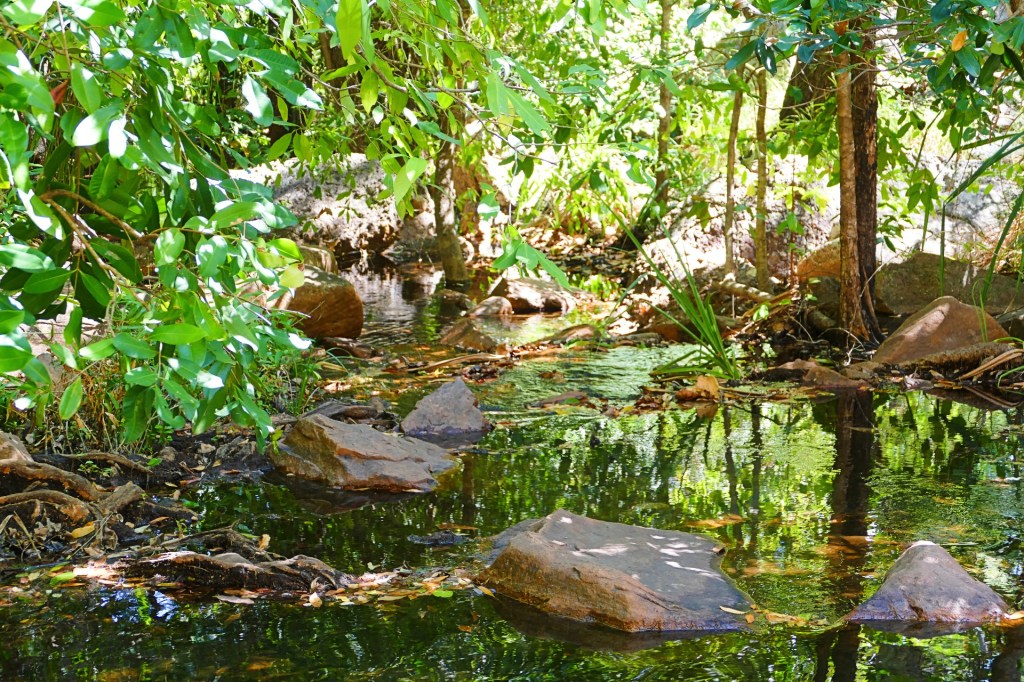
We saw a place on Wikicamps that looked interesting, but was not marked on any of the park maps, so we decided to have a look, the place is called the Lower Ikoymarrwa Falls (Rock Hole). The walk in is only about 50 metres and very easy. Falls are beautiful and you can swim there, it was a great find and we were glad we stopped to have a look.
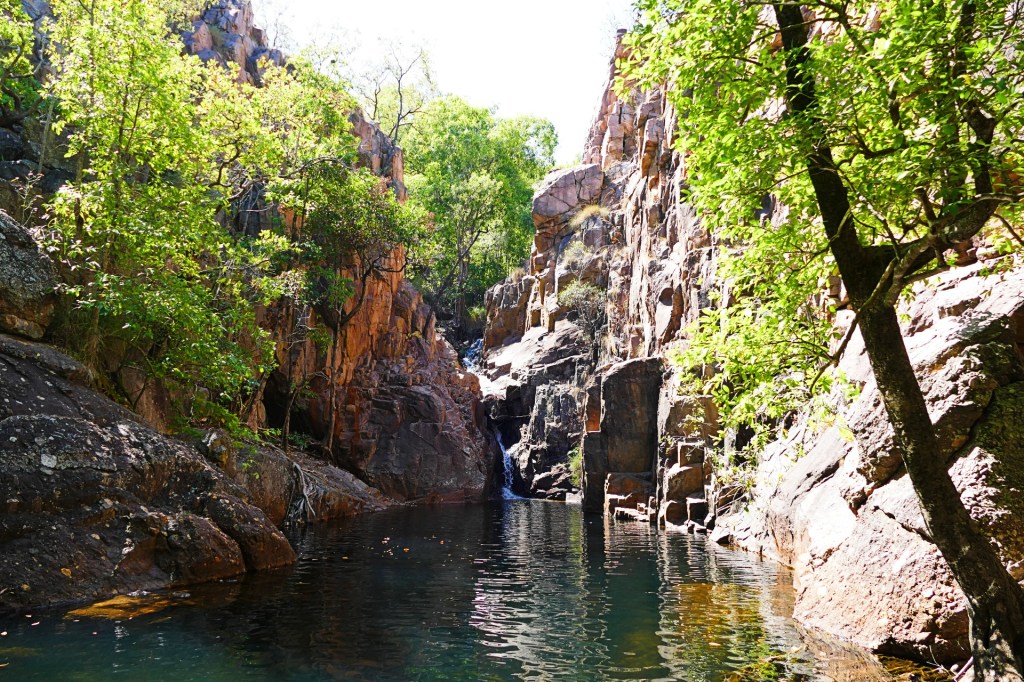
We left Kakadu now, and we spent Thursday night at a little camp area called Pussy Cat Flats in Pine Creek, which was the Pine Creek racecourse, used as a camp area when not being used for a race, which by the look of the grounds had not been used for quite a while.
Day 184, Friday the 29th July, 2022
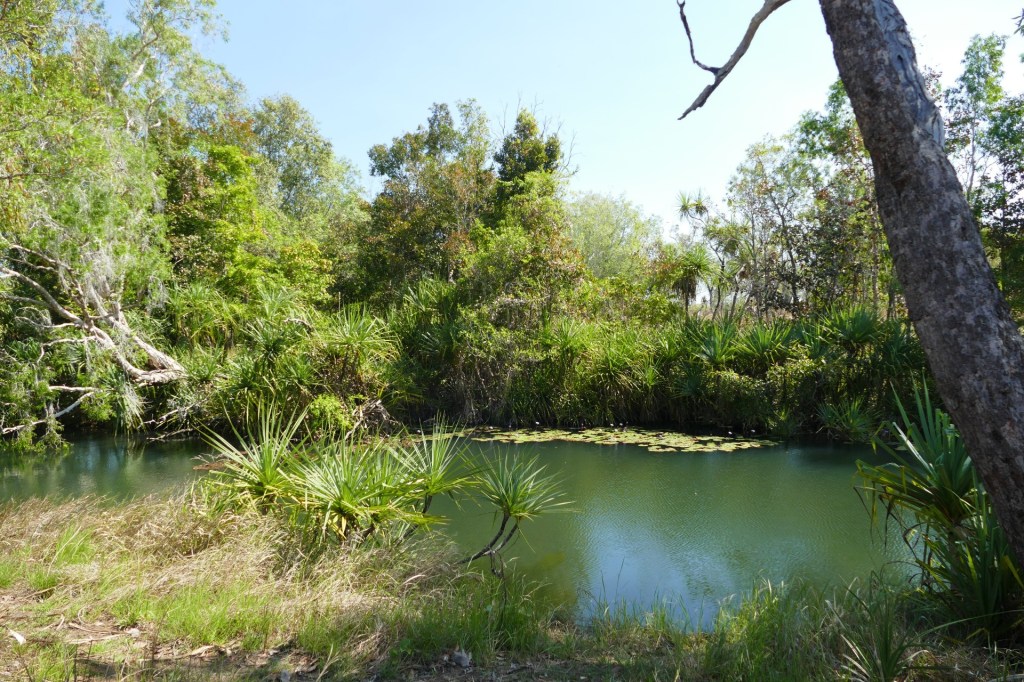
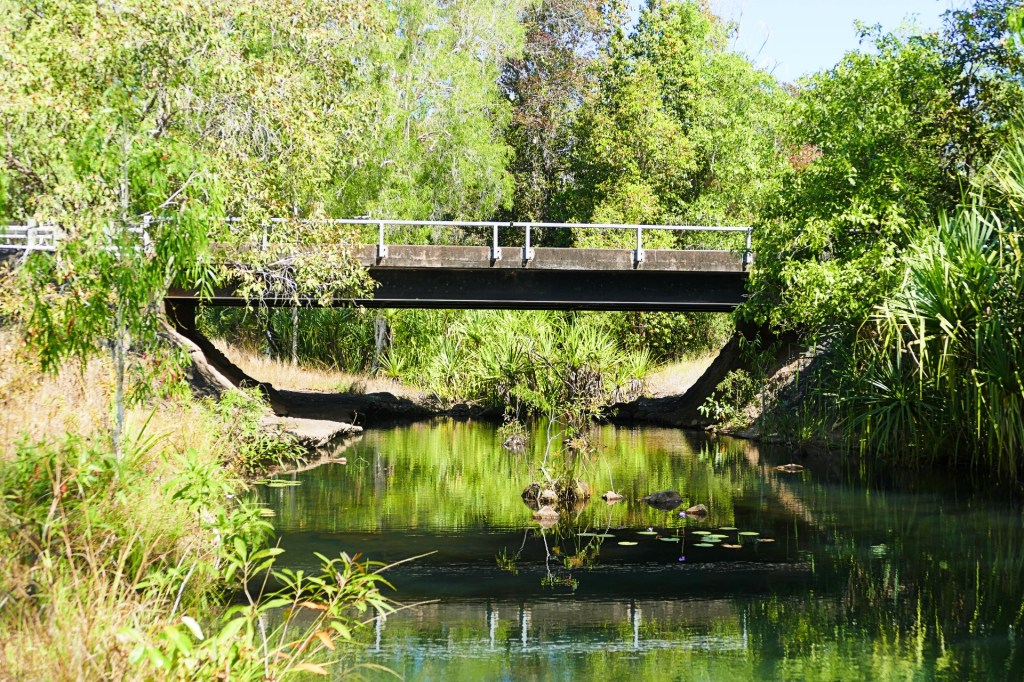
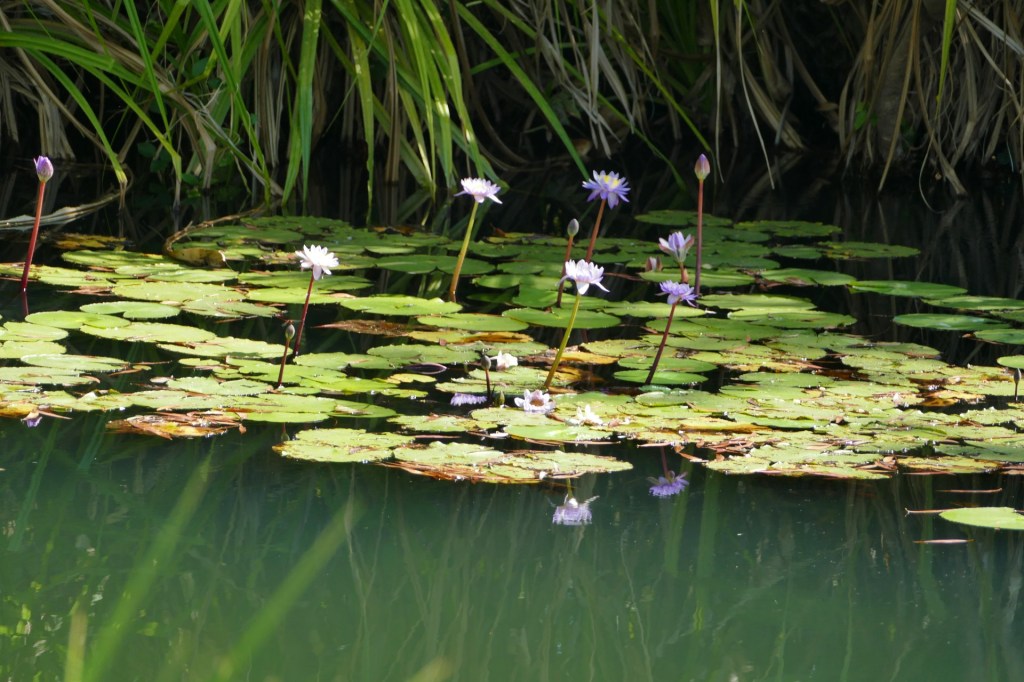
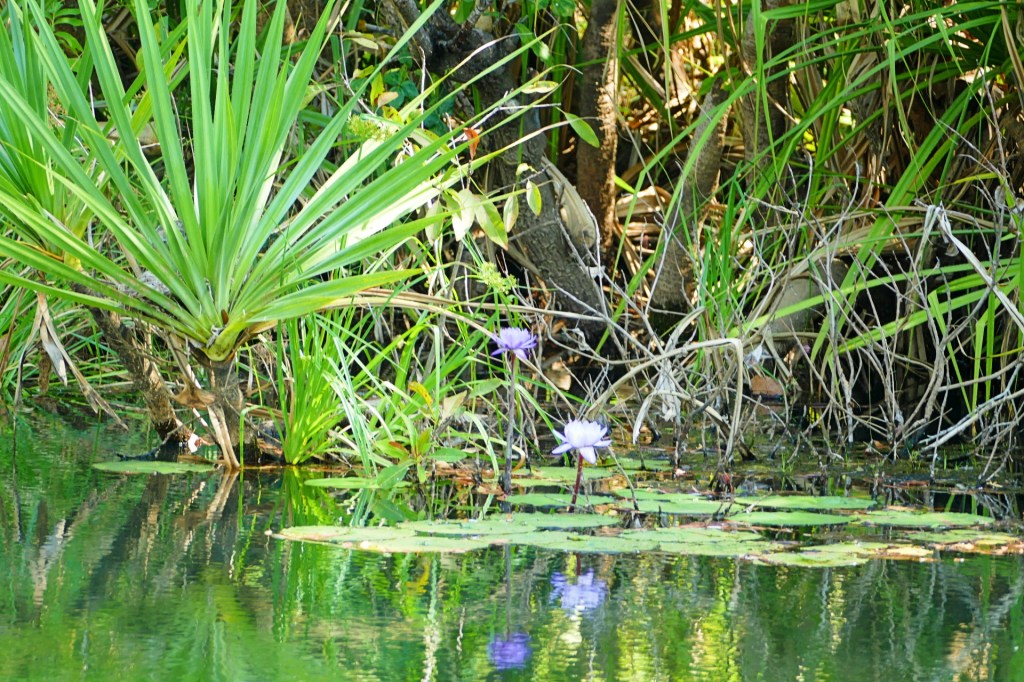
We travelled to Litchfield National Park, along the way we stopped by the banks of the Adelaide River for lunch at a pretty little spot with waterlilies
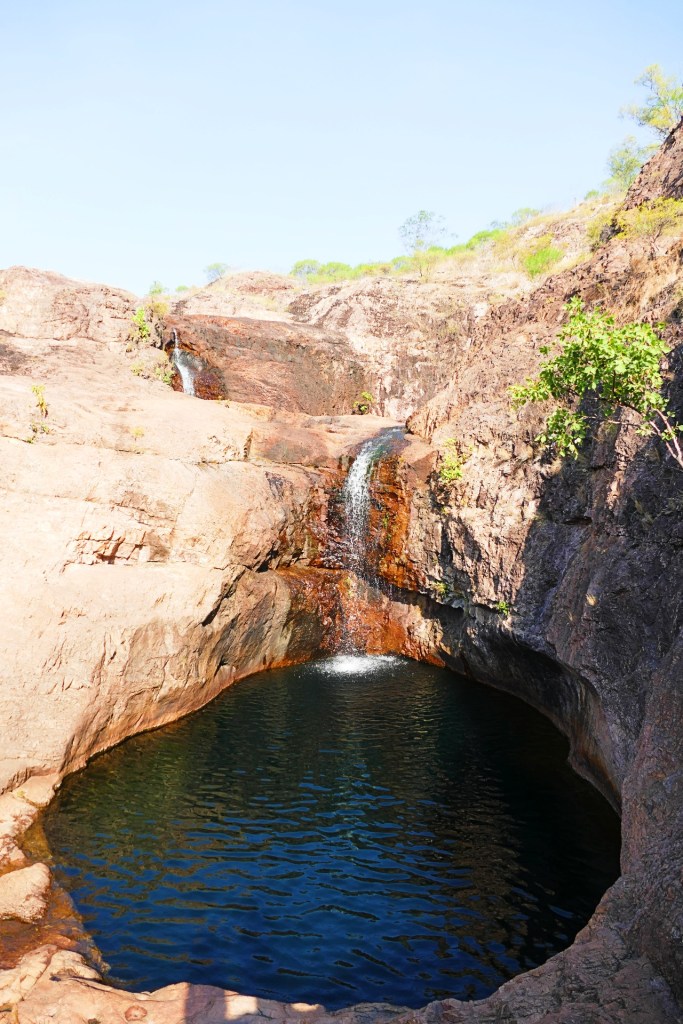
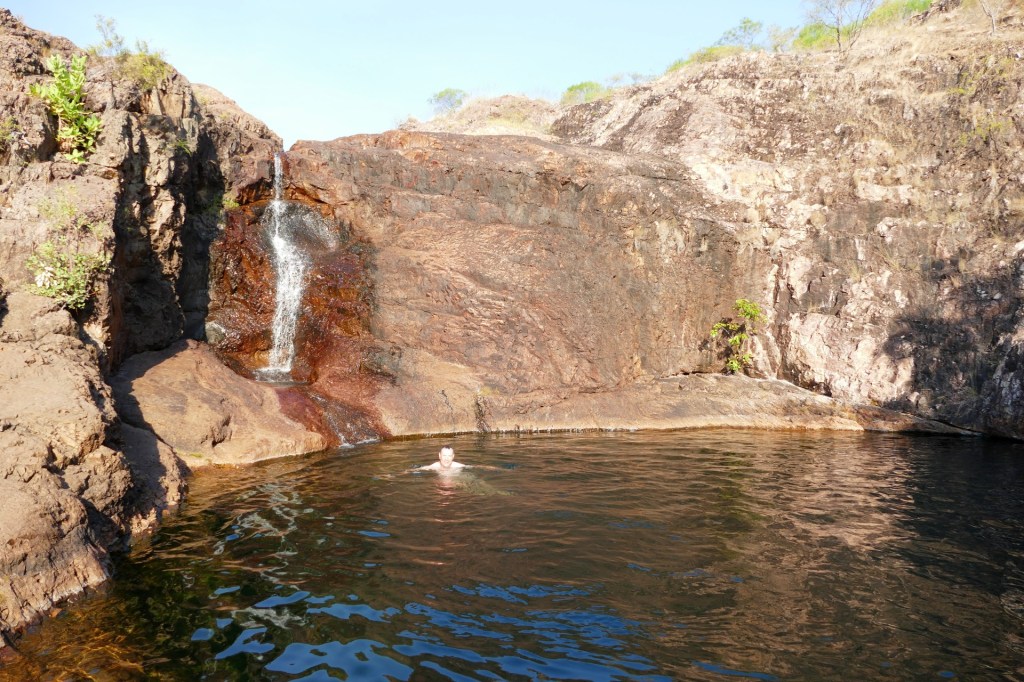
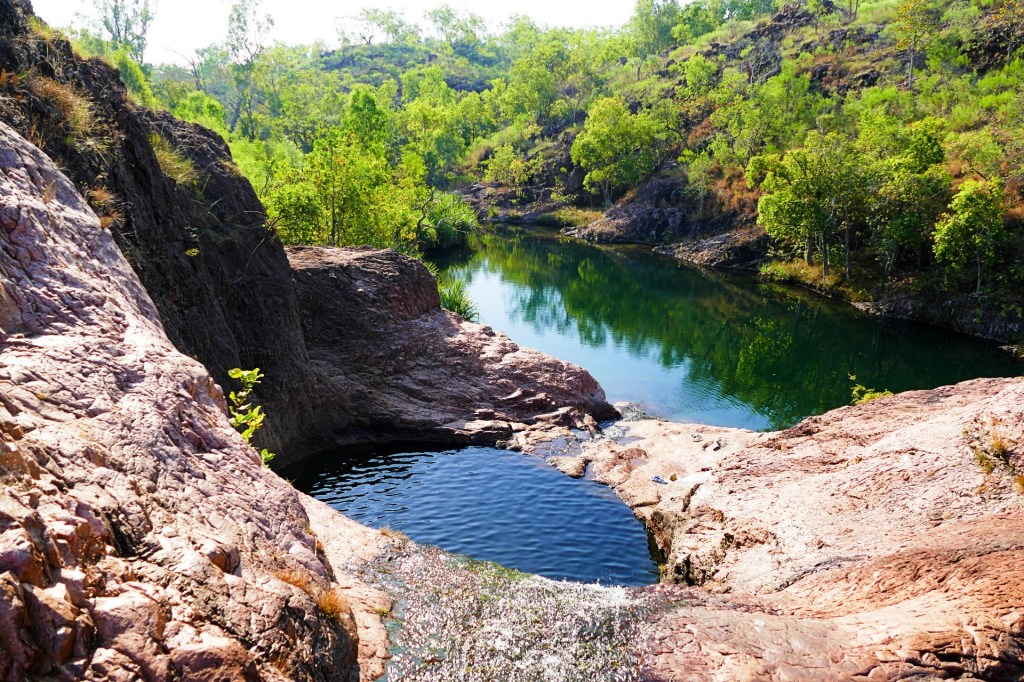
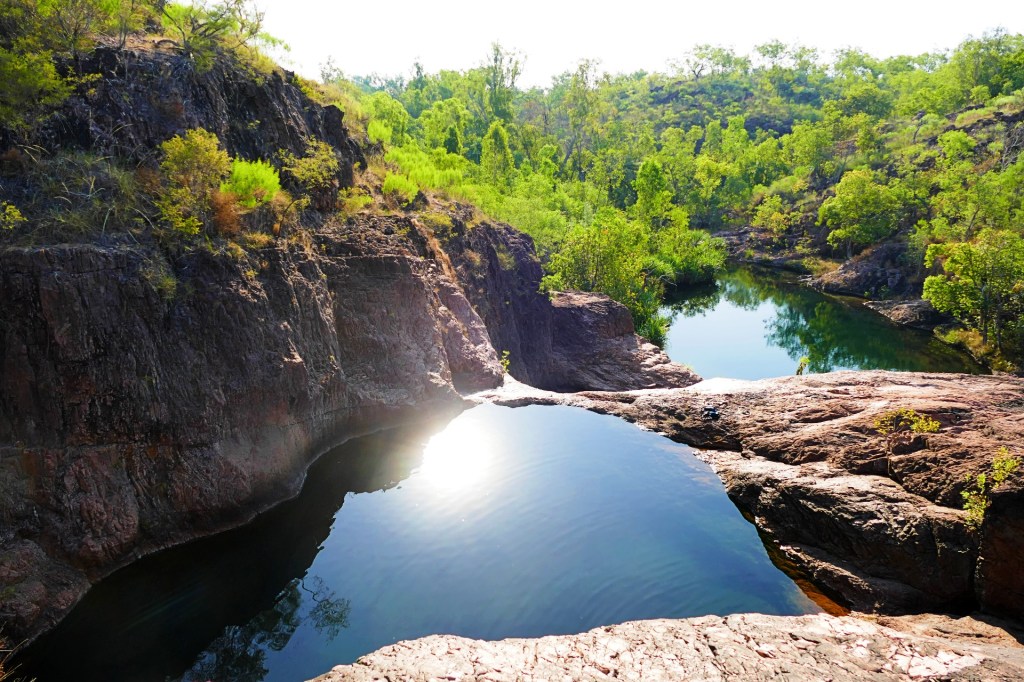
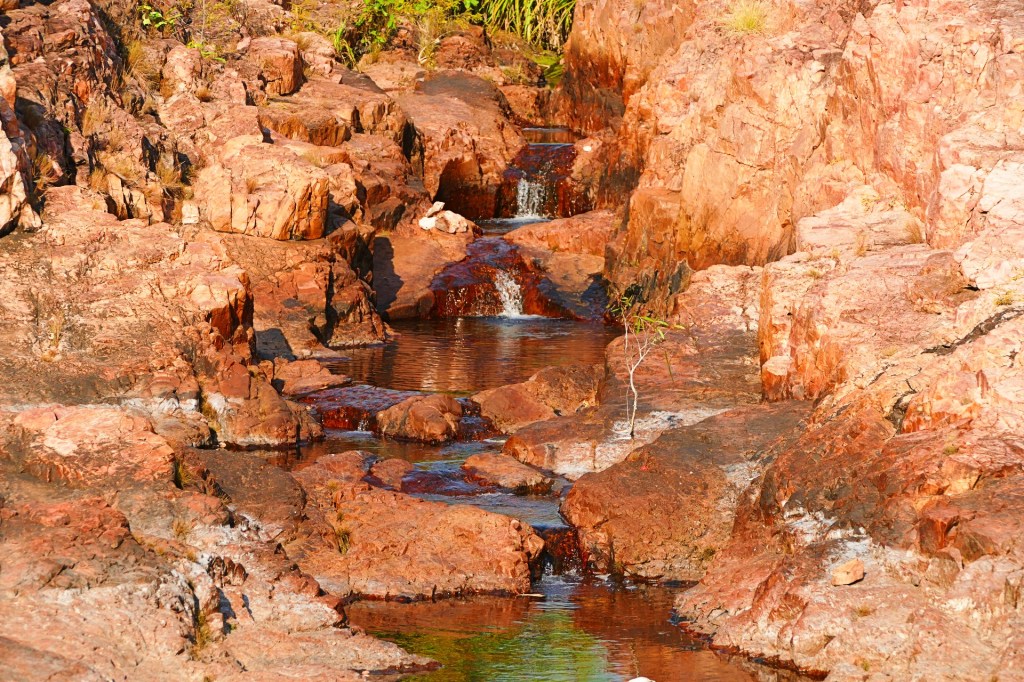
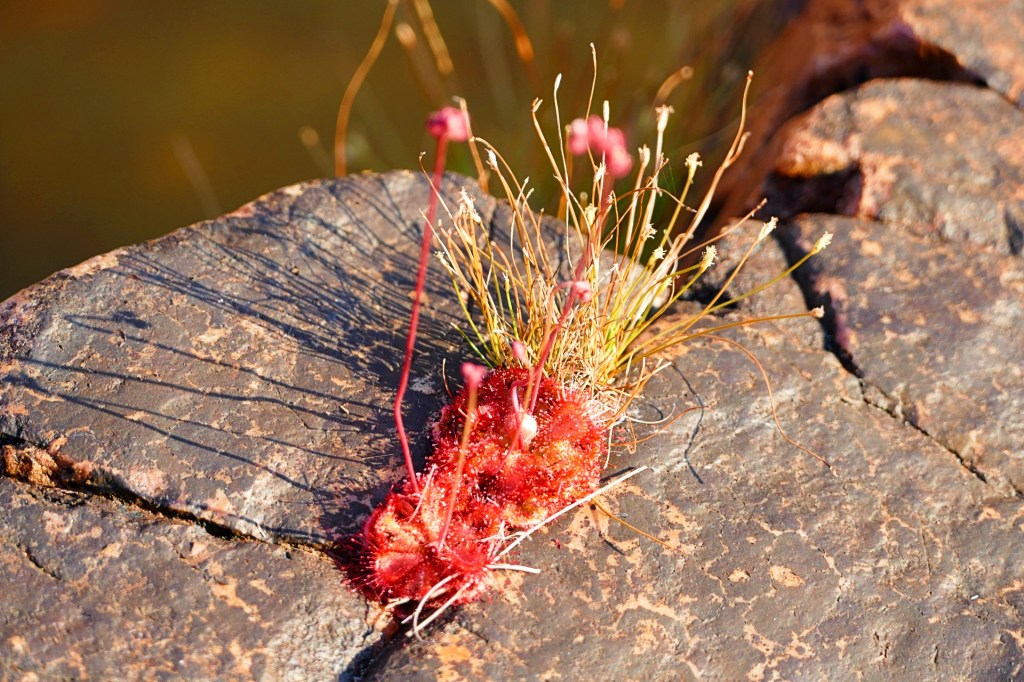
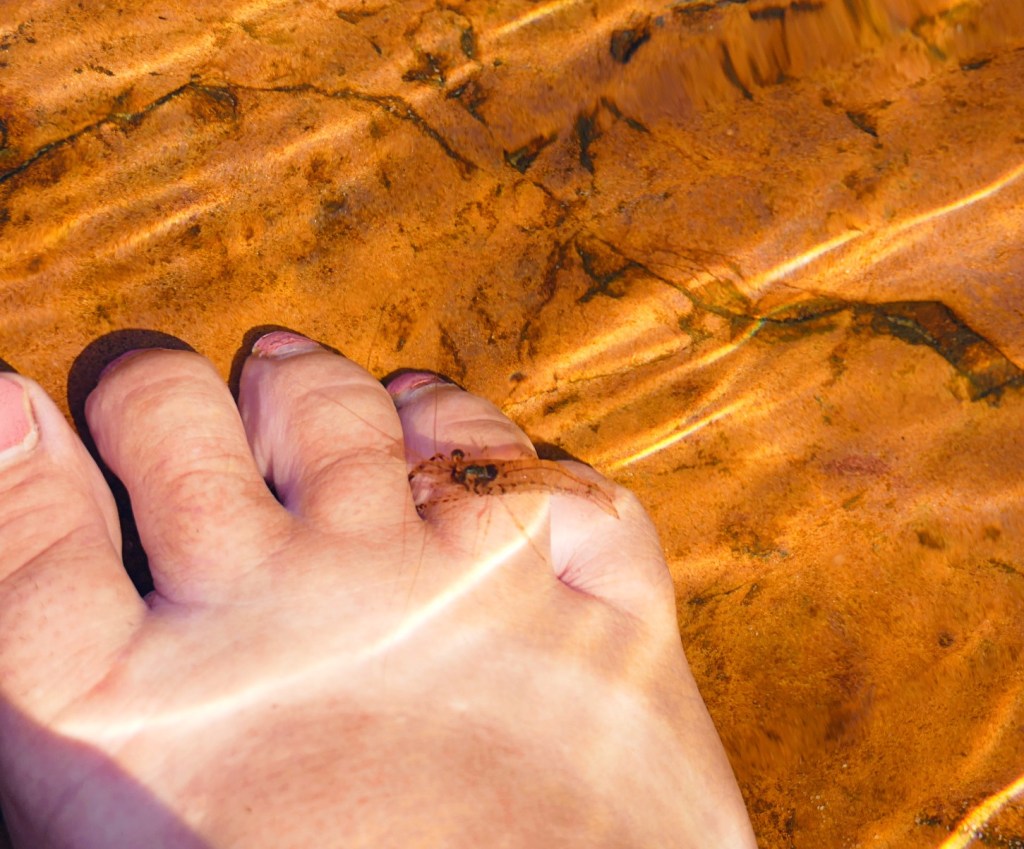
We stopped for the night and a swim at a place called Surprise Creek. It was absolutely beautiful, two swimming holes to swim, one above the other each with their own waterfall. The water was quite warm compared to other swimming holes. So far this was our favourite place in the NT.

Day 185, Saturday the 30th July, 2022
We drove to Tjaynera (Sandy Creek) Falls, we had been told it was a must see.
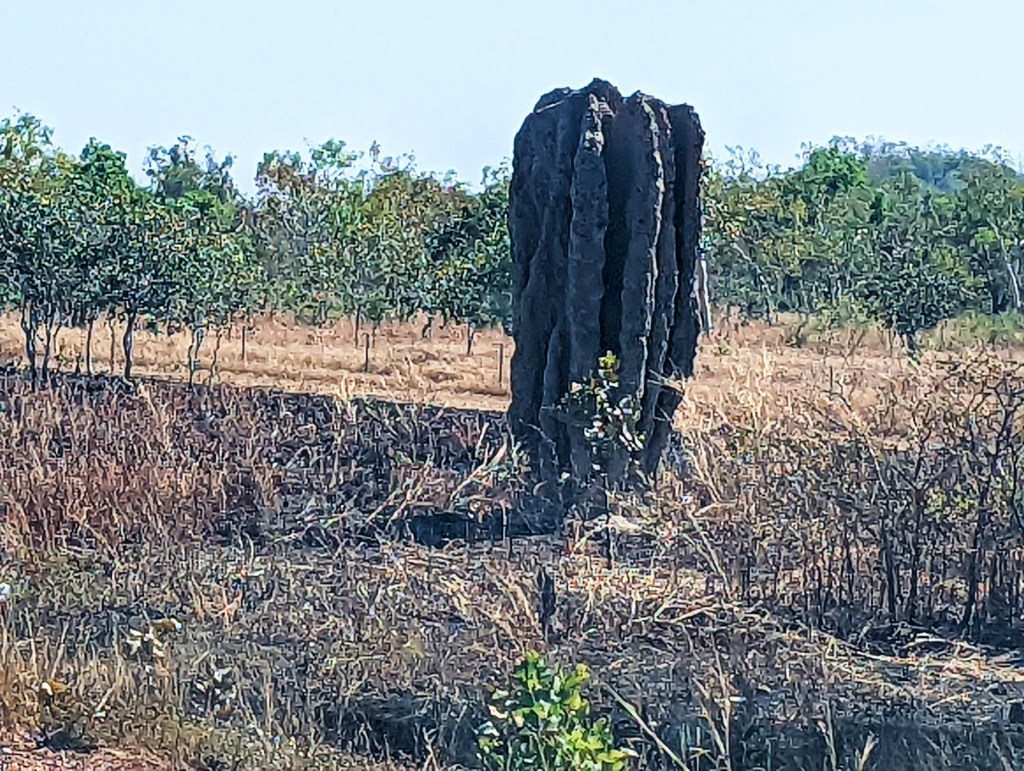
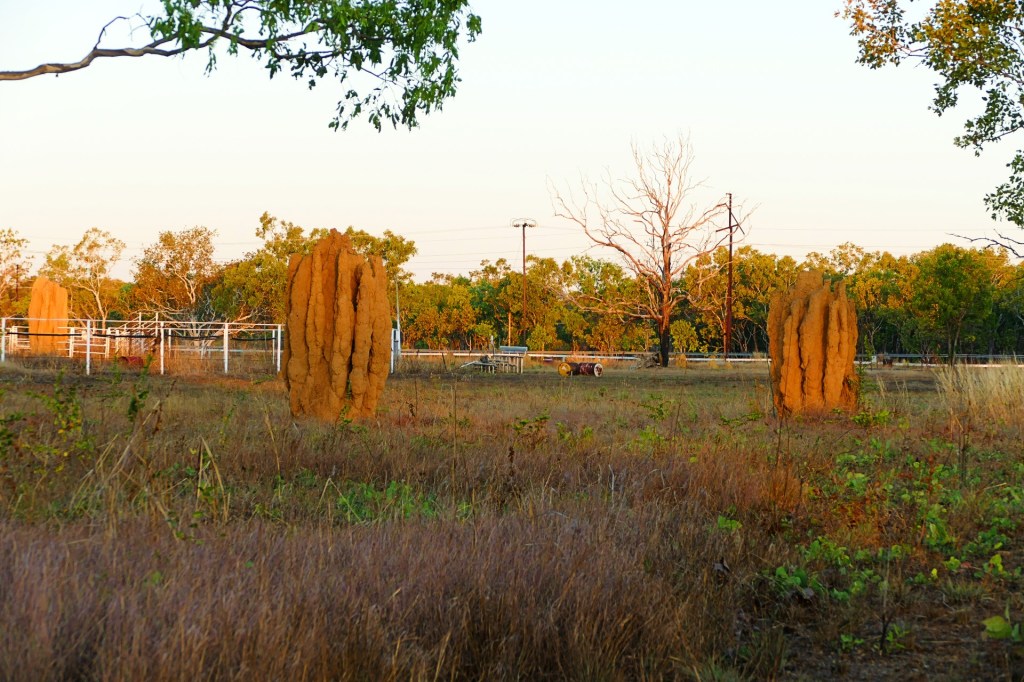
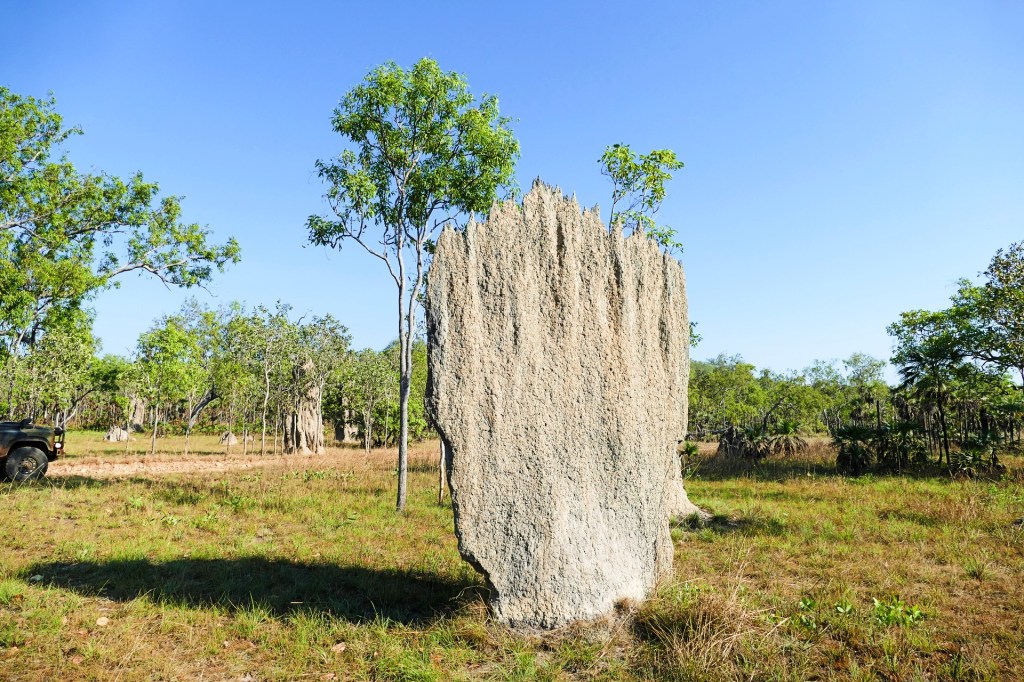
Along the way we saw lots of magnetic termite mounds, which are only found in the Northern Territory. There are lots in Litchfield National Park. They are not really magnetic, they are called Magnetic Termite mounds because they have their main axis running north and south. Therefore, mounds are mysteriously aligned to the earth’s magnetic field.
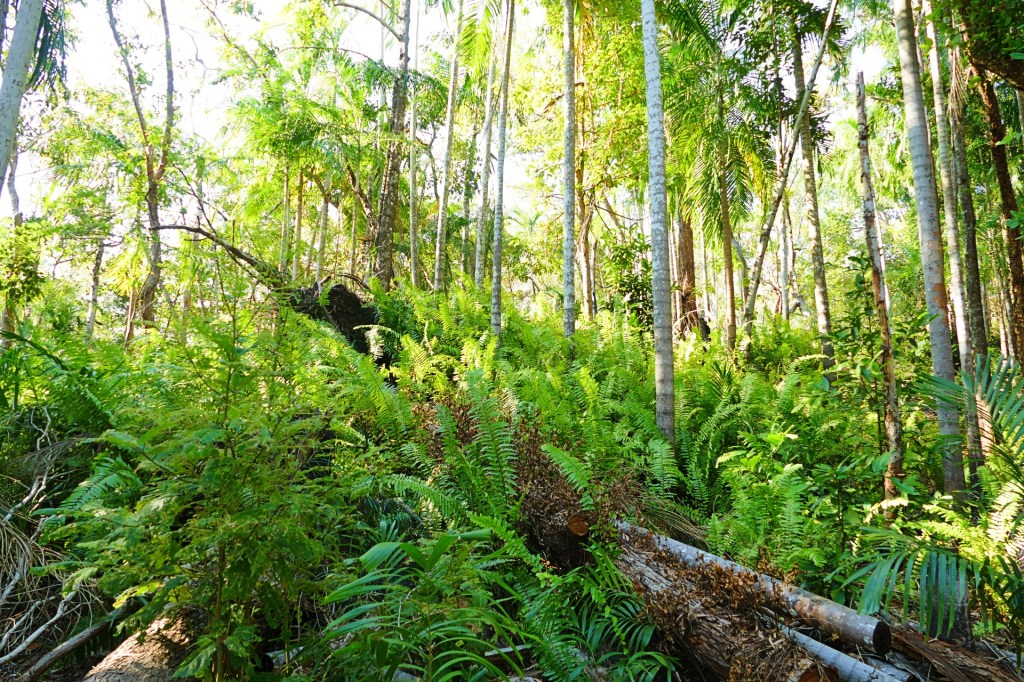
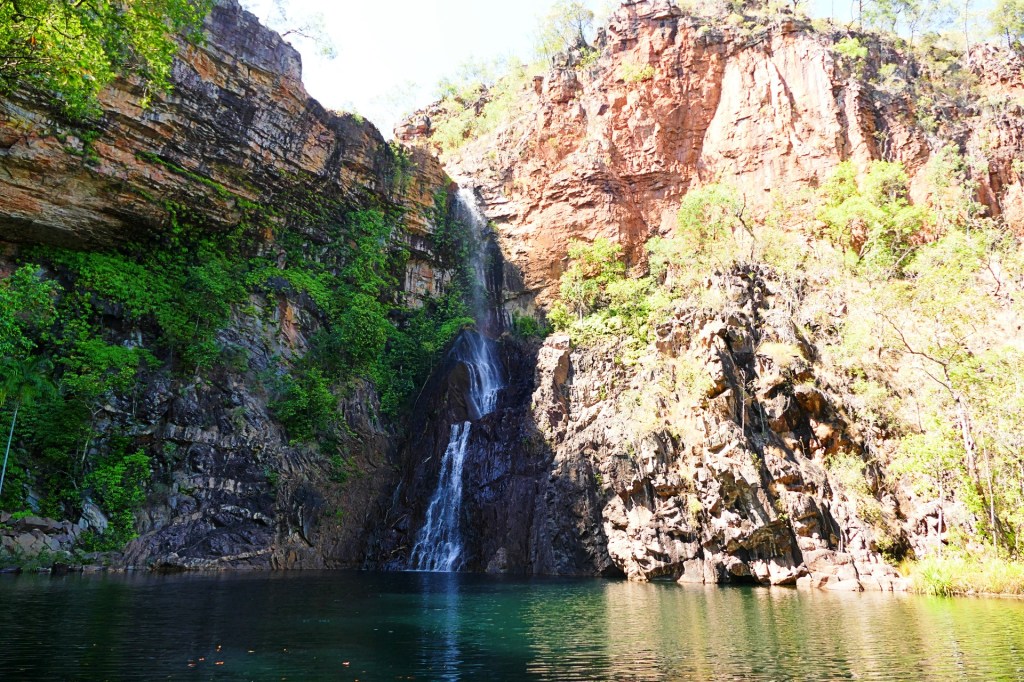
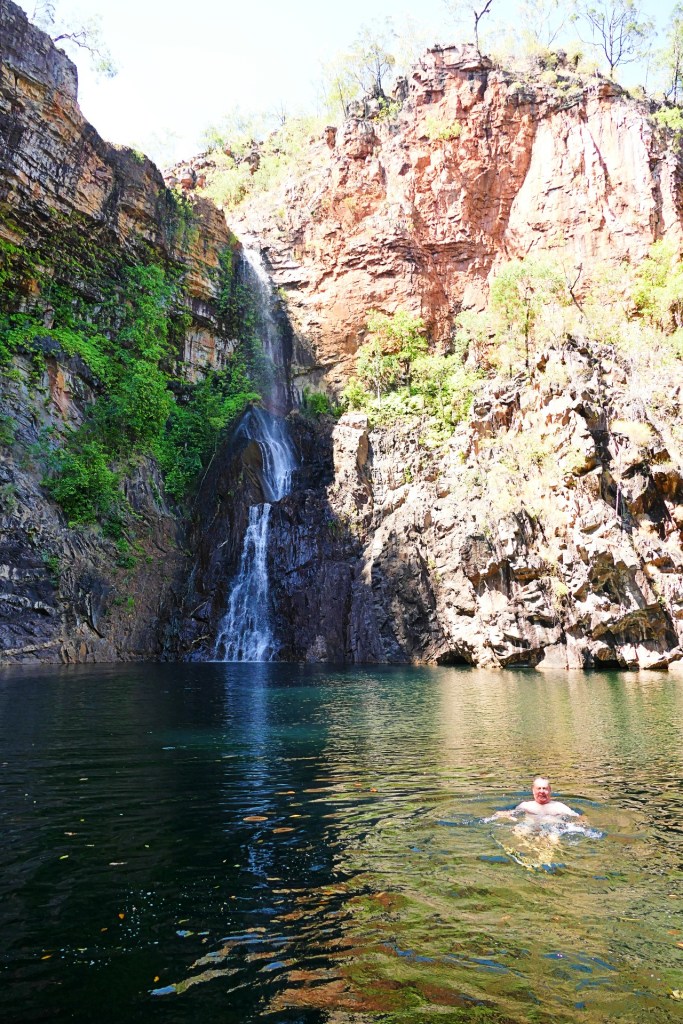
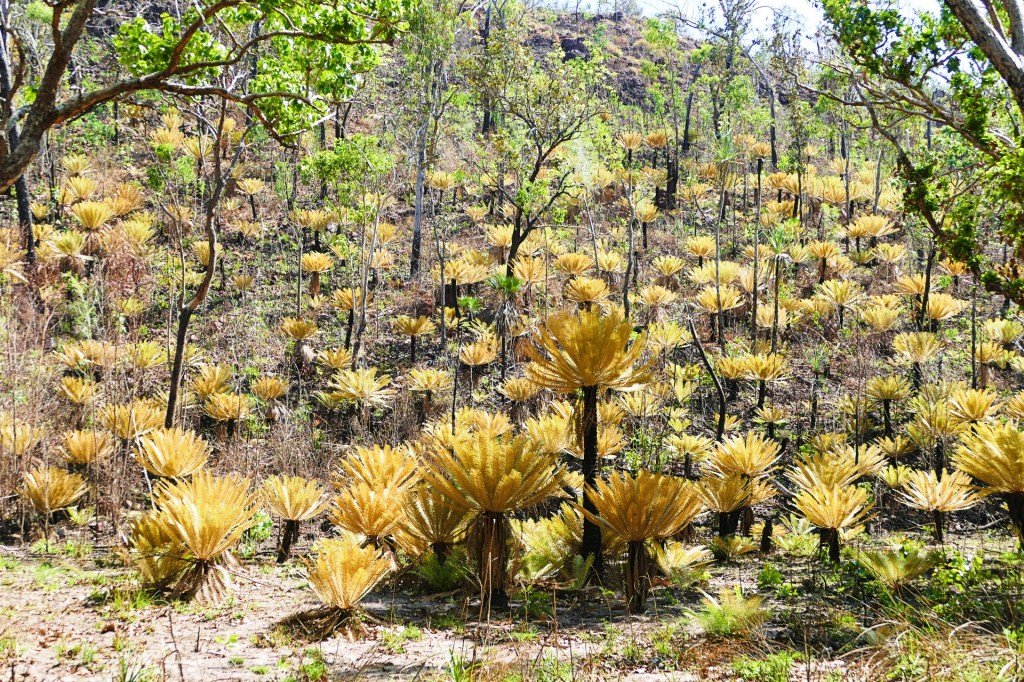
Tjaynera (Sandy Creek) Falls, was definitely a must see, it was a beautiful waterfall and a great place to swim. The area is a lot more tropical with ferns and tree ferns. There was also a lot of wildlife.

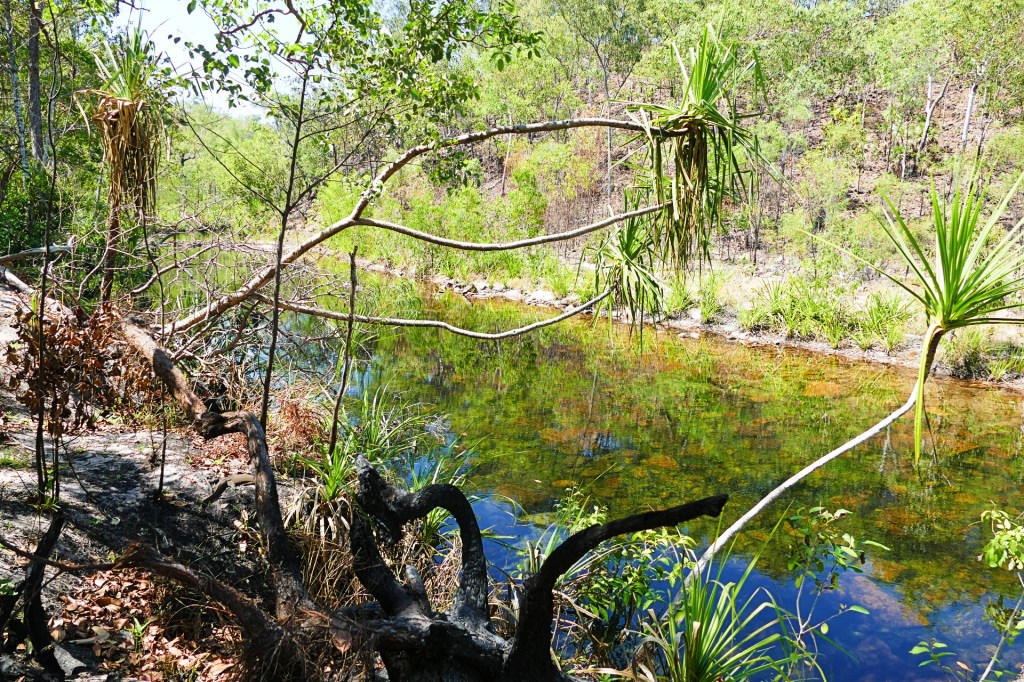
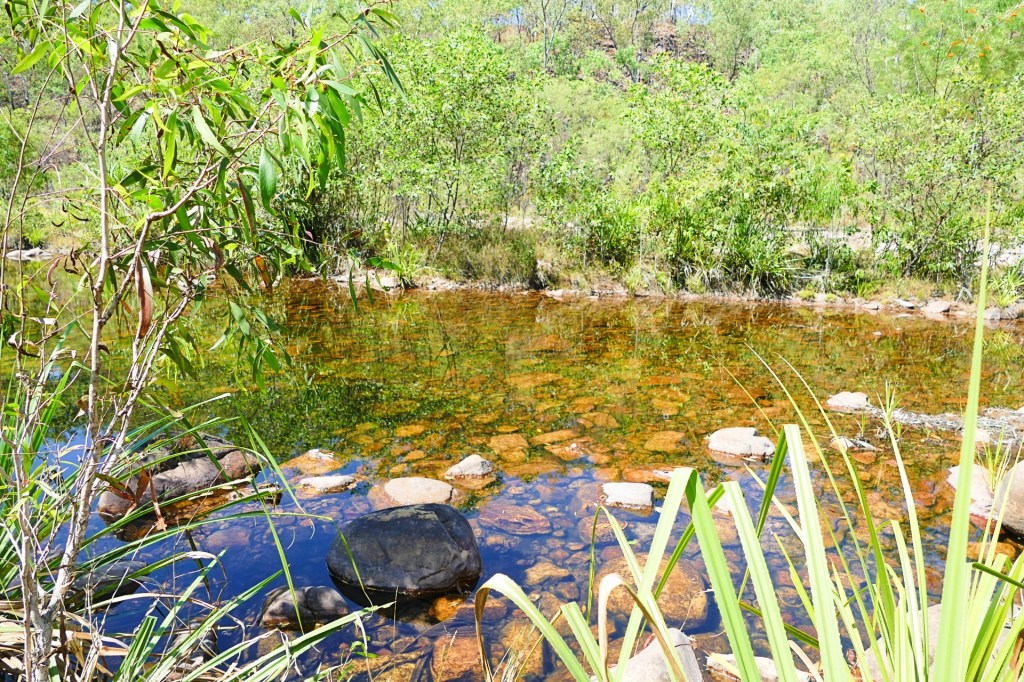
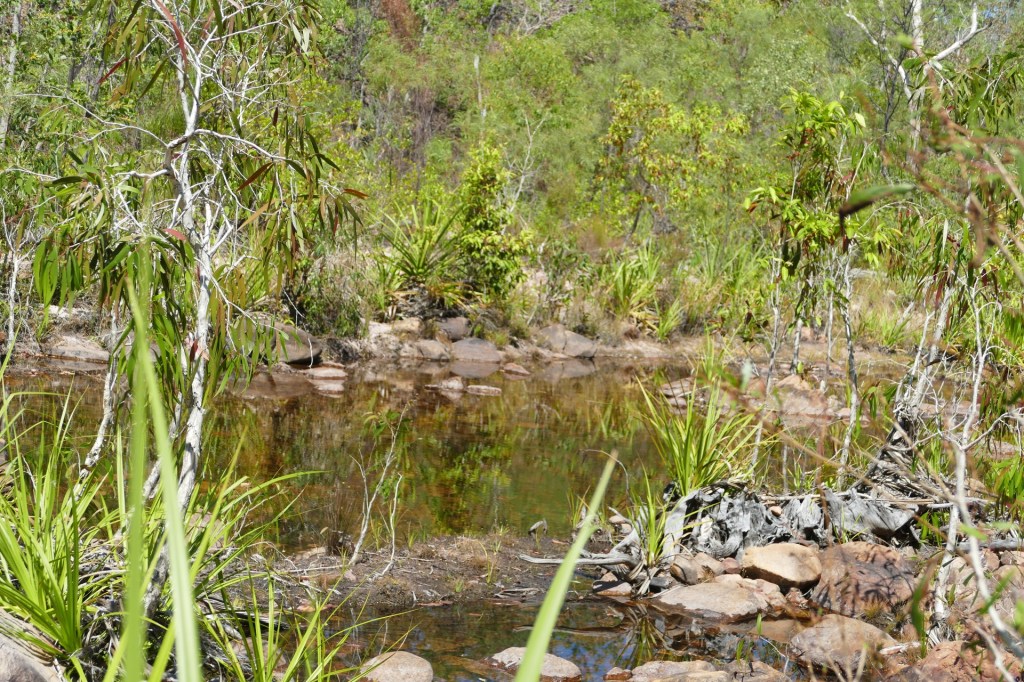
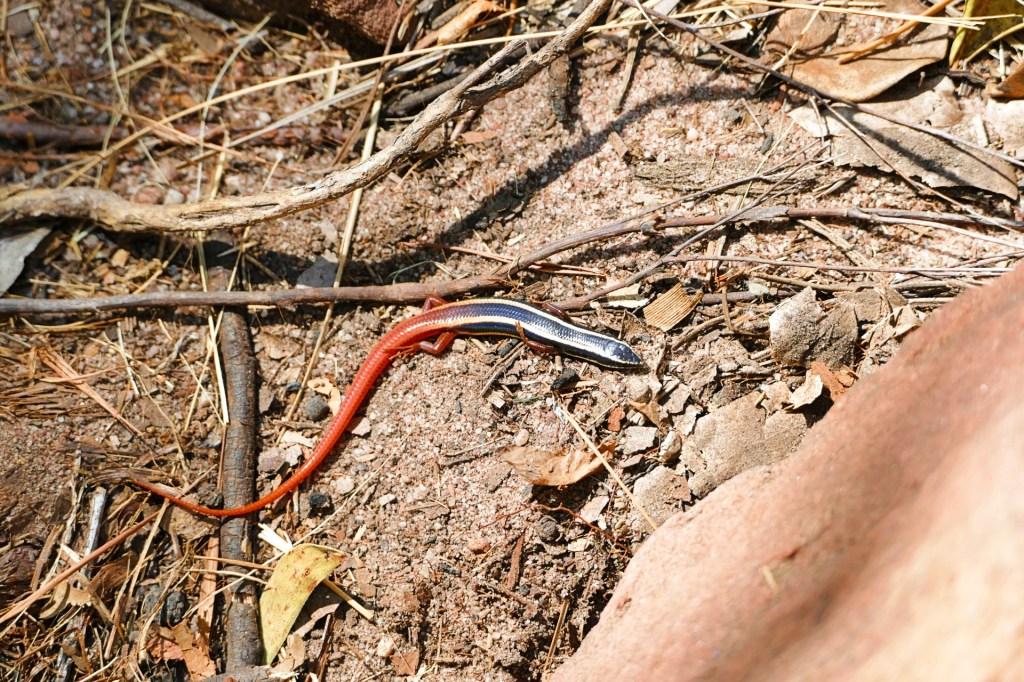
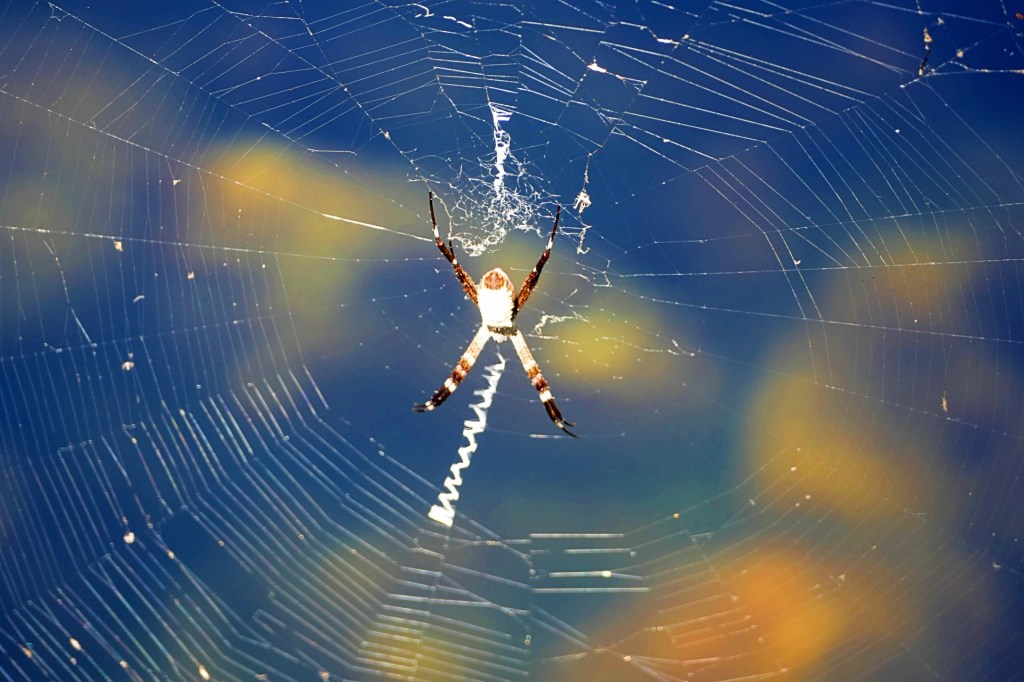
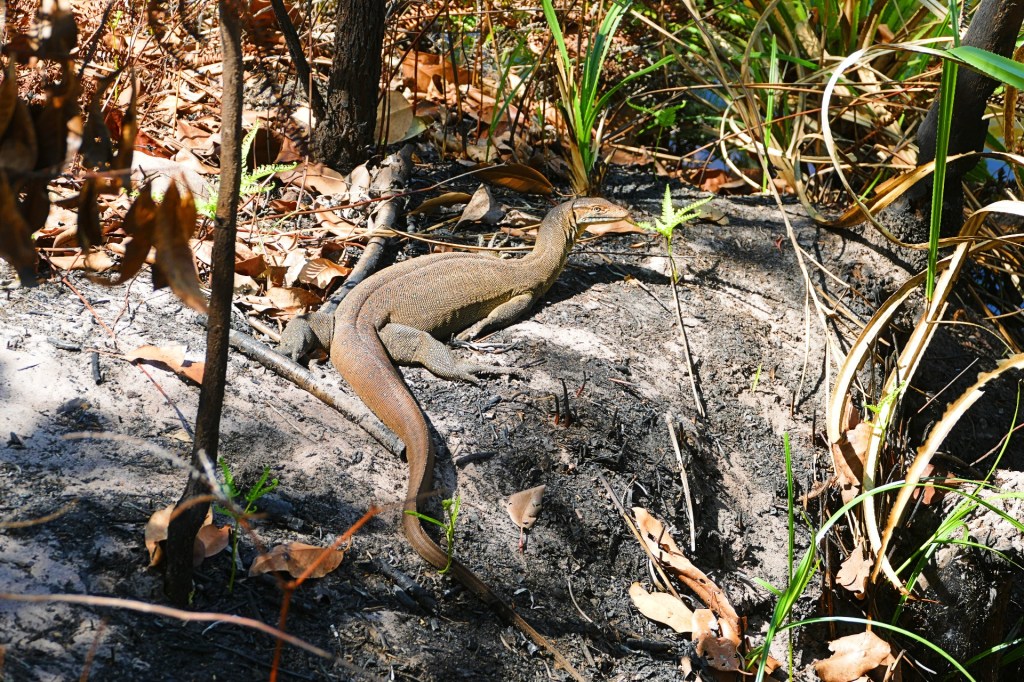
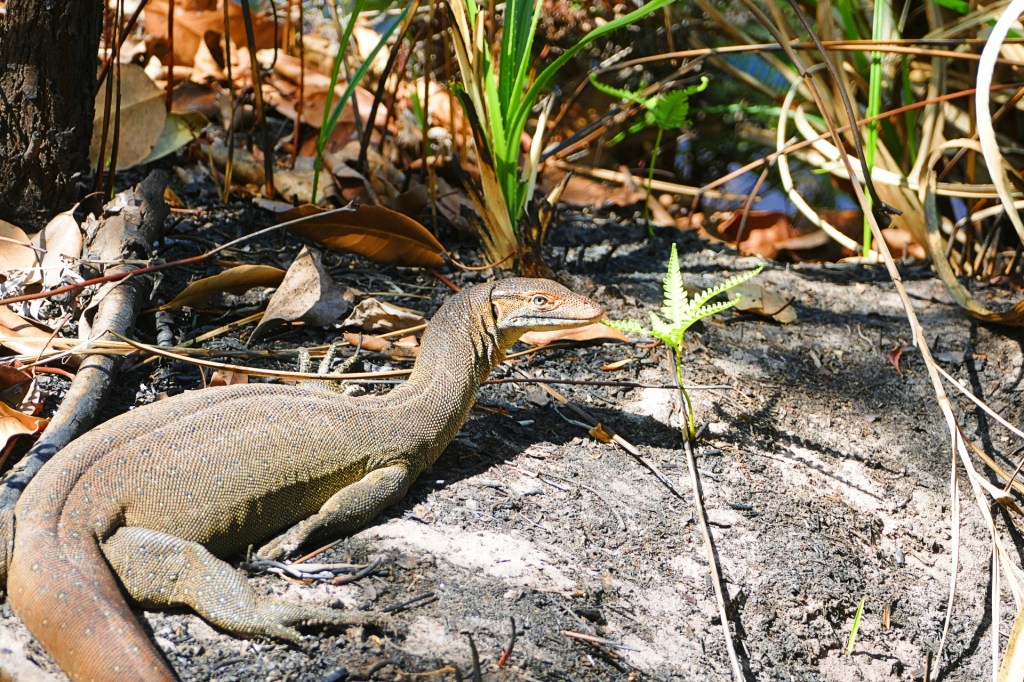
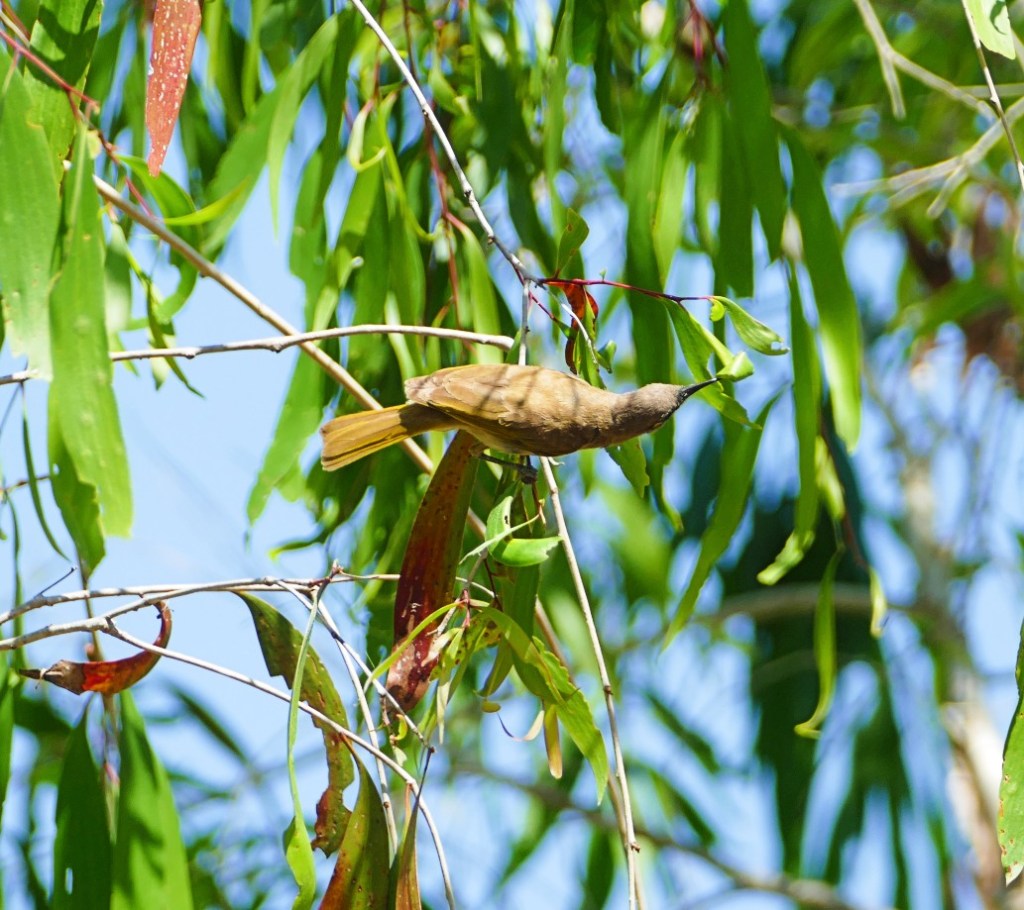
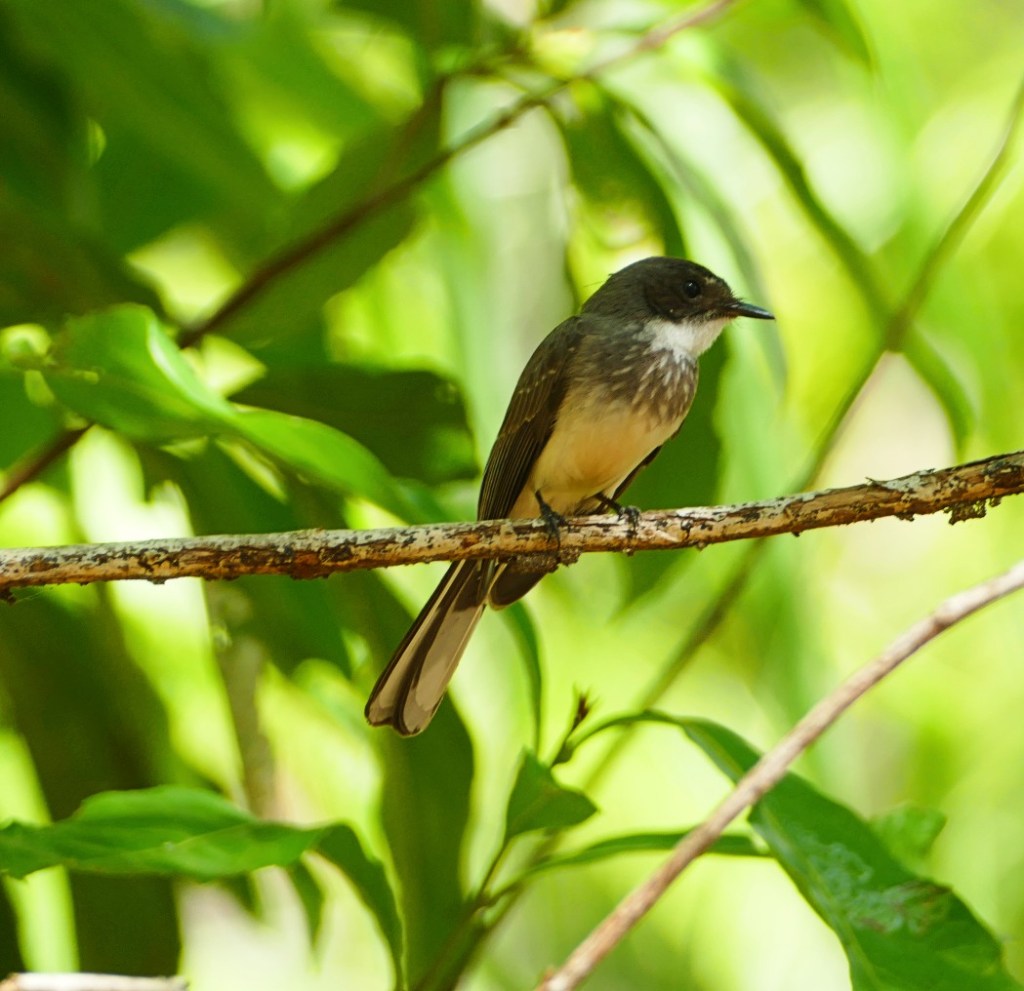
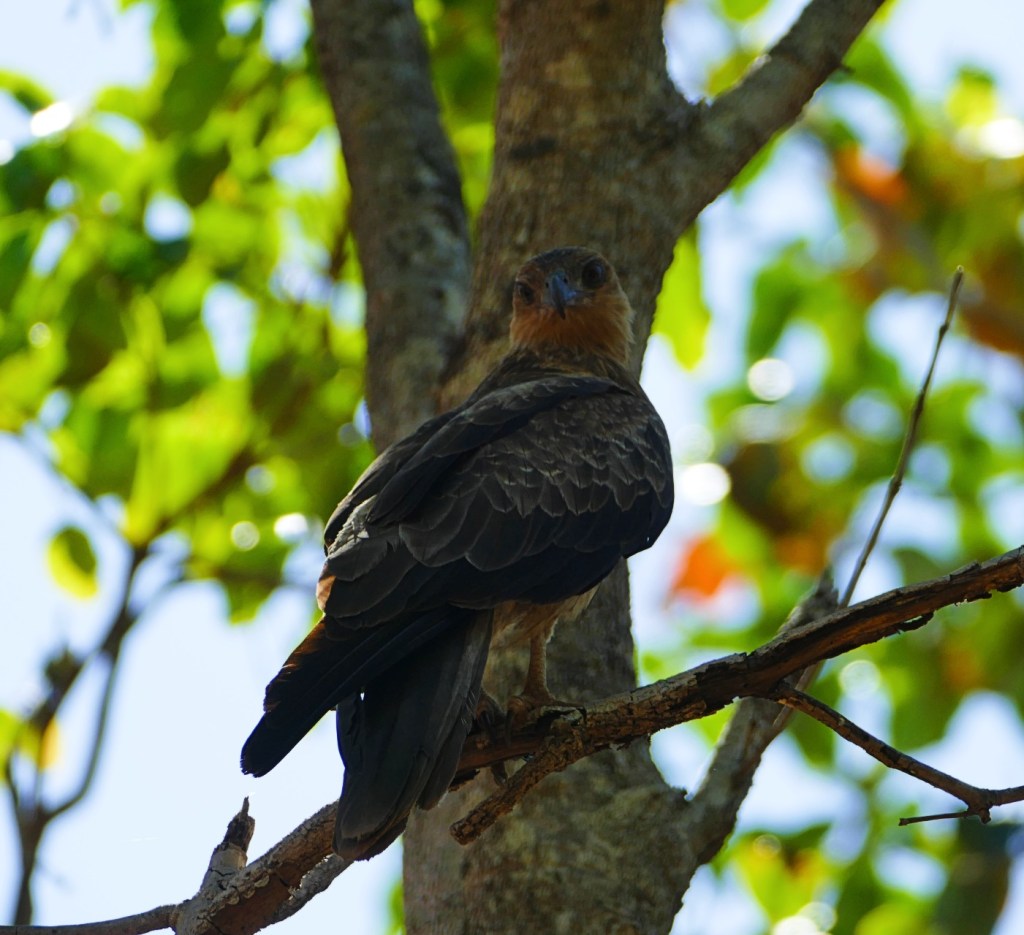
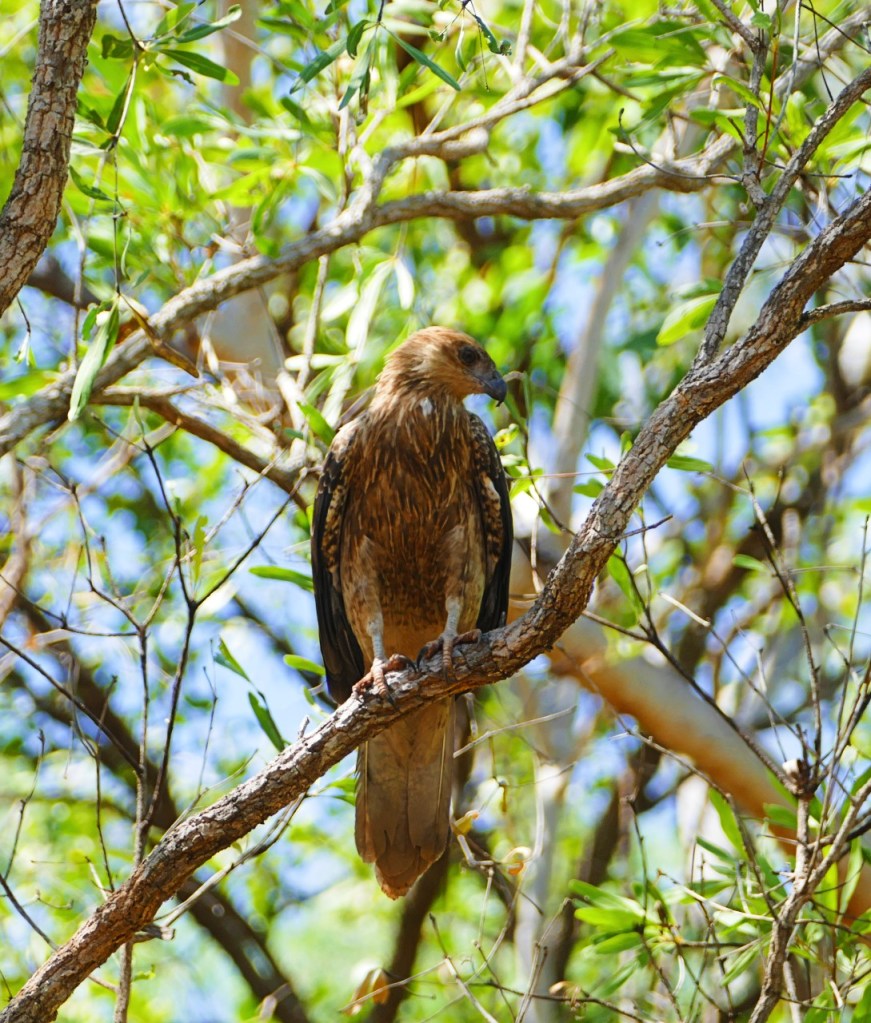
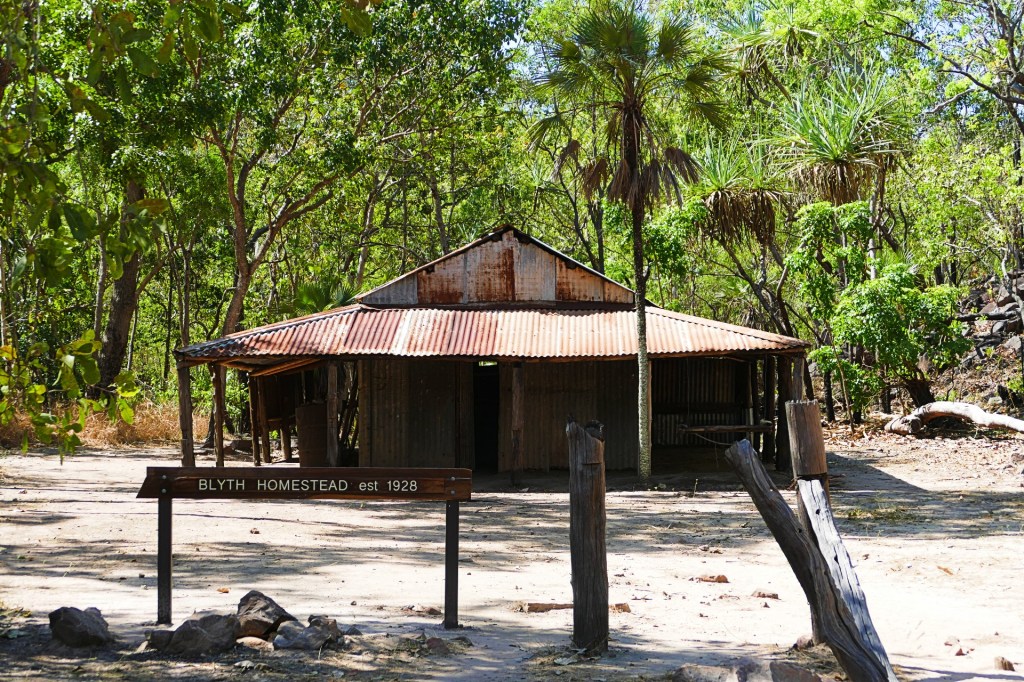
We stopped in at Blyth Homestead. Blyth Homestead was included in the land parcel which became Litchfield National Park in 1986, and in 1997 it was declared a heritage site to be protected for future generations. It is one of the best remaining examples of Top End bushcraft architecture.
It was built by Harry Sargent and his family in 1928. Harry and his wife Alma, had 14 children. They owned Sargent homestead nearby, Blyth was built as a bush home to run he nearby tin mine which supplemented his family income. 4 or 5 of his children lived there at different times for months at a time, running the mine and growing their own food. Harry had planted and successfully grown a number of grains at Sargent Station, but due to the inaction of government, could not sell it. They were however self sufficient, and were able to grow their own food, meat and dairy. They were well fed in the depression but had no money.
We spent the night at the Adelaide River Racecourse Caravan Park.
Day 186, Sunday the 31st July, 2022
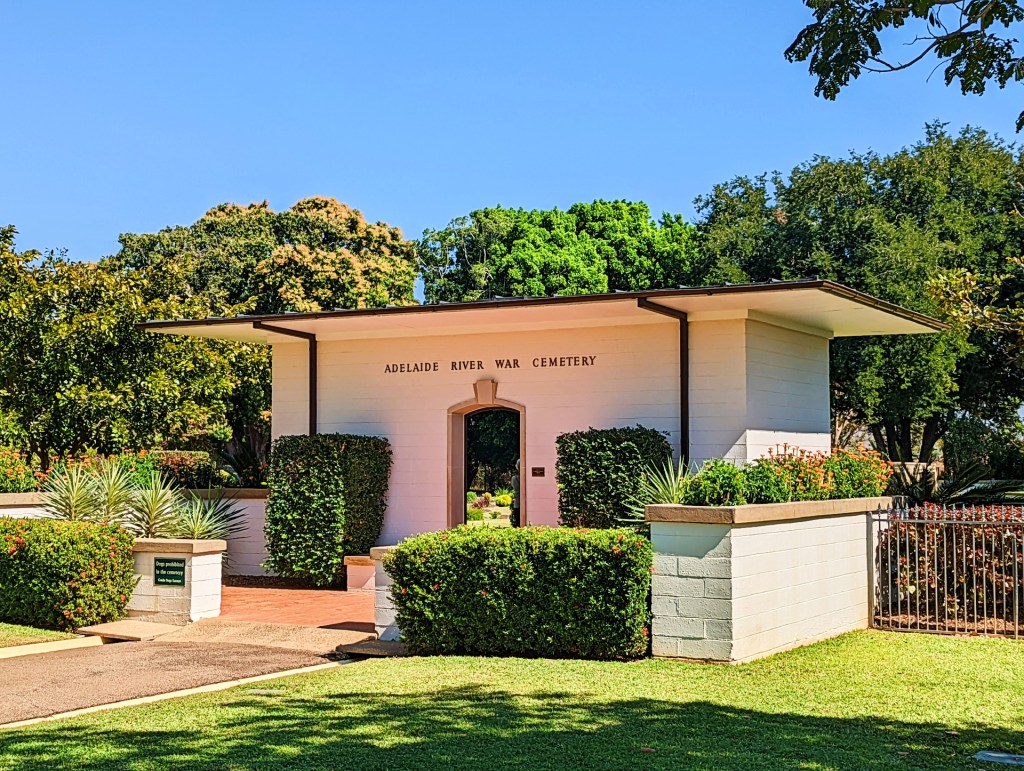
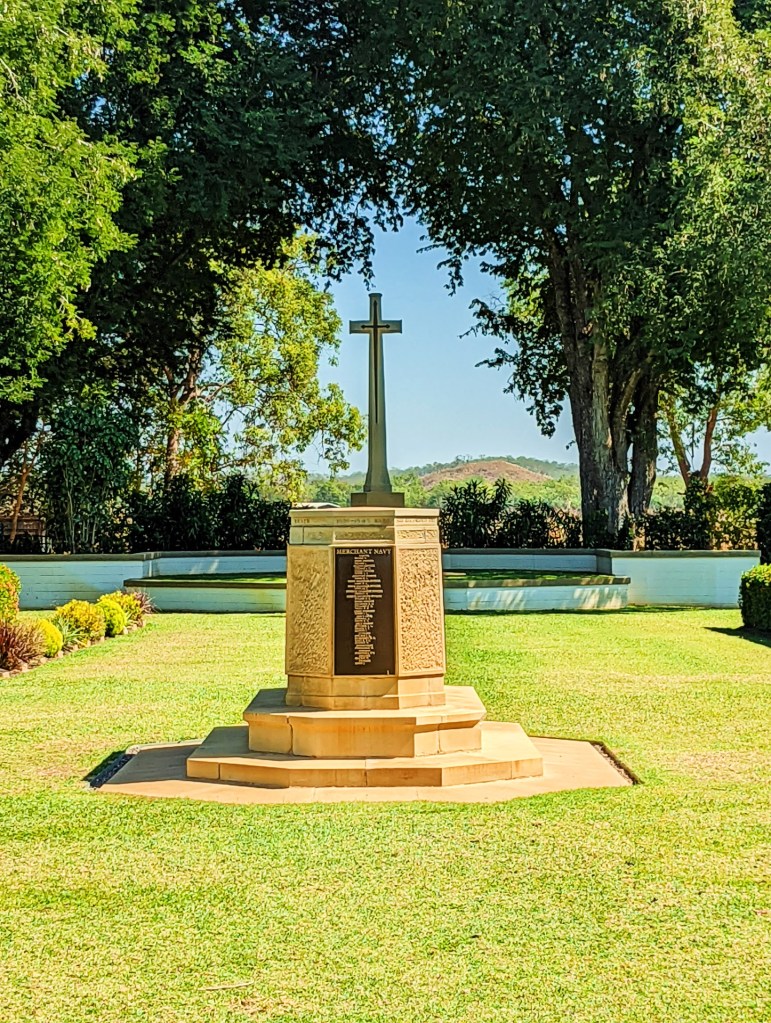
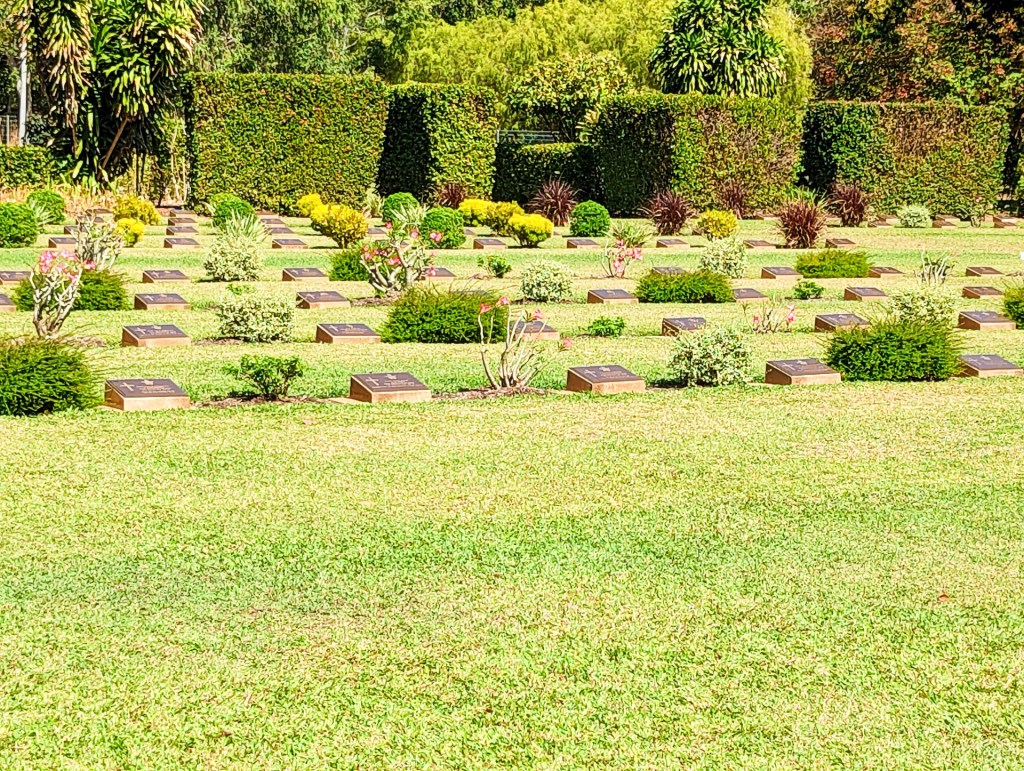
We visited the Adelaide River War Cemetery. It is beautifully set up and kept. There was lots of information about how WWII had affected the top end of Australia, which was the front line in Australia from 1942 to 1943, it was bombed 64 times.
It honours the brave men and women, Australian and allied who fought to keep Australia from Japanese occupation in WWII.
We spent the night at a private camp ground called The Rapids, which as a private property that allowed people to camp for $15 per night for 2 people. It was for over 50’s only and no children.
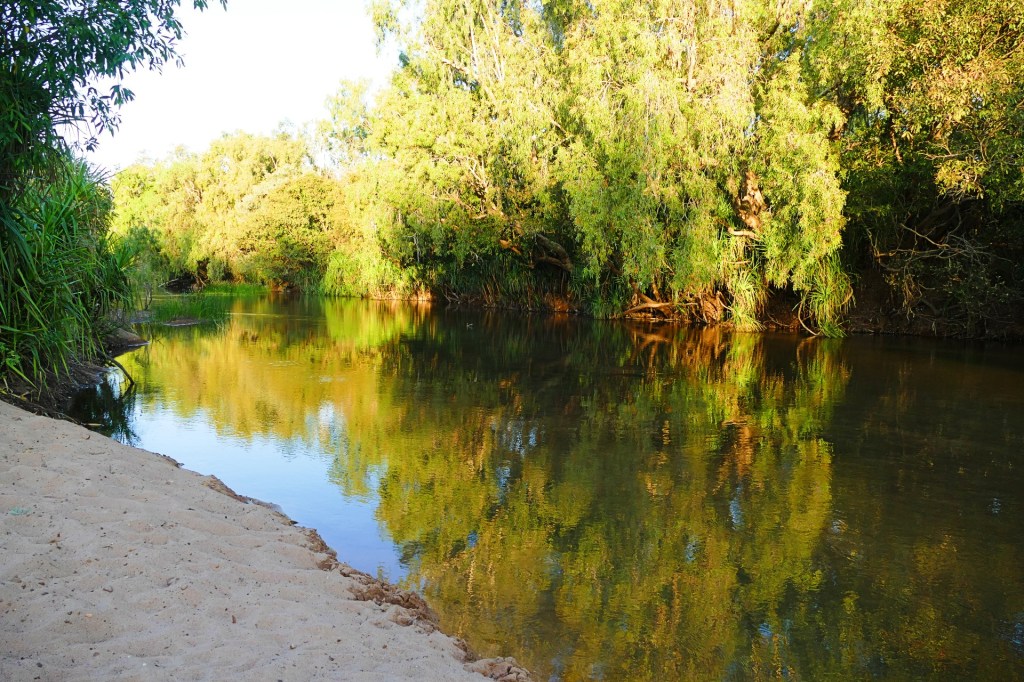
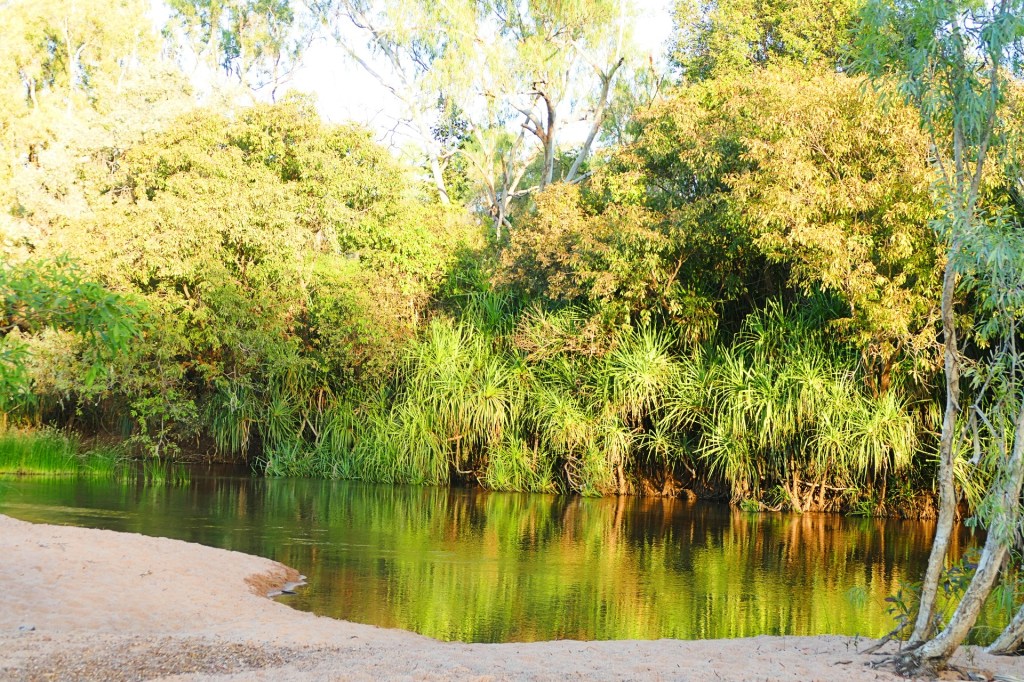
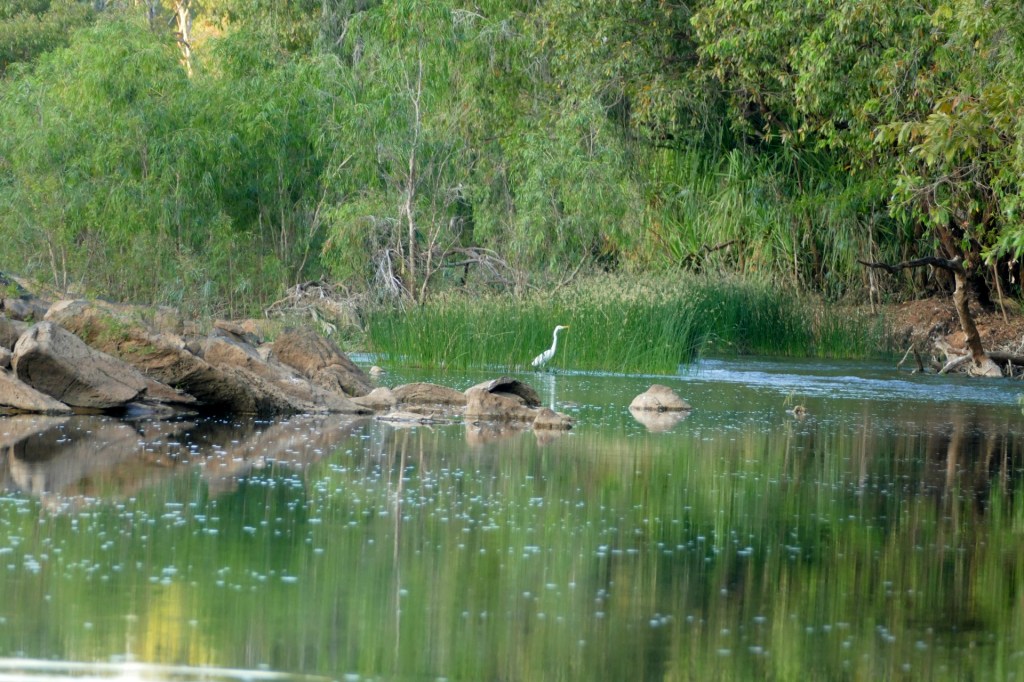
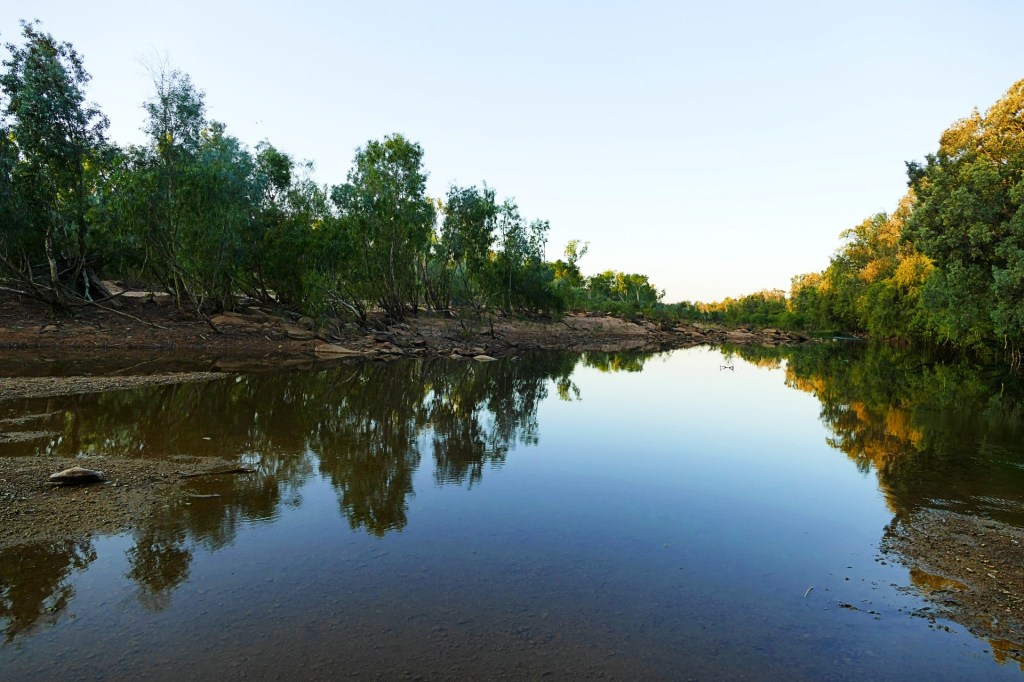
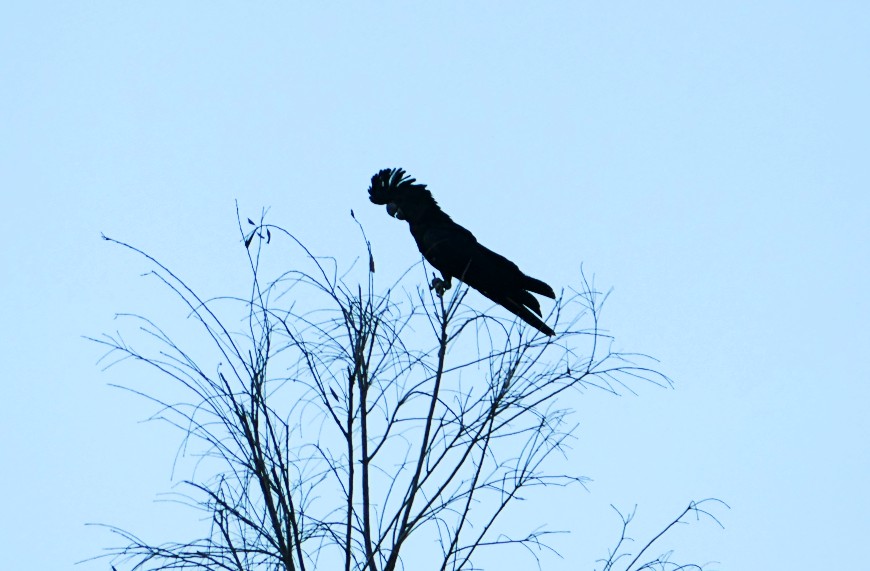
The campsite was by a lovely river, which you could swim in, we had the river to ourselves, as it was only accessible by 4WD, the other campers camped higher up from the river where it was more easily accessible. It was only 19 km from Katherine, we absolutely loved it.



To continue, please select “August 2022” from the menu at the top of this page
 Perentie Wandering